
Joanns White Fur Fabric: Complete Guide to Fluffy Faux Fur for Crafts, Costumes, and Home Decor
Soft, Shaggy, and Plush White Faux Fur Fabric for Gnome Beards, Santa Costumes, Holiday Decorations, and DIY Projects
Joanns white fur fabric brings cloud-like softness and snowy elegance to crafts, costumes, and home decor projects requiring fluffy texture and luxurious appearance. This versatile faux fur material works perfectly for creating Santa beards, gnome decorations, winter-themed crafts, and cozy textile accents that capture the magic of fresh snowfall.
Understanding how to select, cut, and sew white fur fabric ensures professional results whether you’re crafting holiday decorations, cosplay costumes, or plush home accessories. The right techniques transform this challenging material into stunning creations that showcase both visual appeal and irresistible touchable softness.
What Makes Joanns White Fur Fabric Special
White fur fabric at Joann consists of synthetic fibers including acrylic and polyester creating realistic fur appearance without using animal products. These soft, fluffy materials replicate natural fur textures while offering easier care, consistent quality, and ethical crafting alternatives for modern makers.
The specialized construction features long pile fibers attached to durable knit backing that withstands cutting, sewing, and project handling. This combination ensures fibers remain securely attached while providing flexibility needed for shaping around curves and three-dimensional forms.
Pile Length Variations
Short pile white fur measuring 1-2 inches creates subtle texture perfect for garment trim, small crafts, and detailed costume work requiring precision. The compact fibers maintain shape easily and produce less bulk in seams compared to longer varieties.
Long pile white fur ranging 2.5-4 inches delivers dramatic fluffy appearance ideal for Santa beards, gnome hair, winter decorations, and statement pieces. These extended fibers create luxurious volume and authentic fur movement though require special handling techniques to prevent tangling.
Material Composition Benefits
Acrylic-based white fur fabric offers lightweight warmth, excellent color retention, and resistance to moisture damage making it ideal for costume wear. The synthetic fibers dry quickly if dampened and resist mildew better than natural alternatives.
Polyester blend options provide enhanced durability and resilience for projects requiring frequent handling or washing. These materials bounce back from compression maintaining fluffy appearance through repeated use and storage cycles.
Backing Construction
Quality white fur fabric features tightly knit backing that prevents excessive shedding and provides stable foundation for cutting and sewing. The backing structure determines how well fabric holds its shape and withstands stress during construction and use.
Flexible backing allows fabric to drape and conform to curved surfaces essential for costume construction and fabric bag applications. This pliability enables three-dimensional shaping without creating stiff, unnatural appearances in finished projects.
Choosing the Right White Fur Fabric at Joann Fabrics
Selecting appropriate white fur fabric depends on project type, required pile length, and desired final appearance. Understanding these factors ensures optimal results without purchasing unsuitable materials that complicate construction or disappoint in finished projects.
Project-Based Selection
Costume applications including Santa beards, gnome decorations, and character cosplay benefit from longer pile lengths creating authentic fluffy appearance. Choose 2.5-3.5 inch pile for realistic beard effects and whimsical gnome hair that captures magical woodland aesthetic.
Home decor projects such as throw pillows, blankets, and decorative accents work well with medium pile lengths balancing visual impact with practical maintenance. The 1.5-2.5 inch range provides substantial texture without excessive bulk in cushions and textile accessories.
Garment trim applications including coat collars, cuff accents, and hood lining require shorter pile preventing overwhelming proportions. The 1-1.5 inch pile delivers elegant fur detail without adding excessive volume to clothing silhouettes.
Quality Assessment
Examine fiber density by gently separating pile checking for consistent coverage without visible backing gaps. Dense fur indicates quality construction that maintains appearance through use while sparse coverage may show backing through pile movement.
Test fiber security by lightly tugging pile confirming fibers remain firmly attached to backing material. Excessive shedding during handling suggests lower quality construction that will worsen with cutting and sewing operations.
Check backing flexibility by gently folding fabric ensuring smooth movement without cracking or resistance. Supple backing indicates materials suitable for curved applications while stiff backing limits shaping possibilities.
Quantity Calculations
Calculate yardage requirements carefully considering pile direction, pattern placement, and seam allowances in measurements. White fur fabric requires matching nap direction across pattern pieces demanding additional material compared to non-directional textiles.
Add 10-15% extra fabric to base calculations accommodating cutting mistakes, testing scraps, and potential re-cuts. This buffer prevents project delays from material shortages while providing practice opportunities before cutting final pieces.
Shaggy Long Pile White Faux Fur Fabric Strips
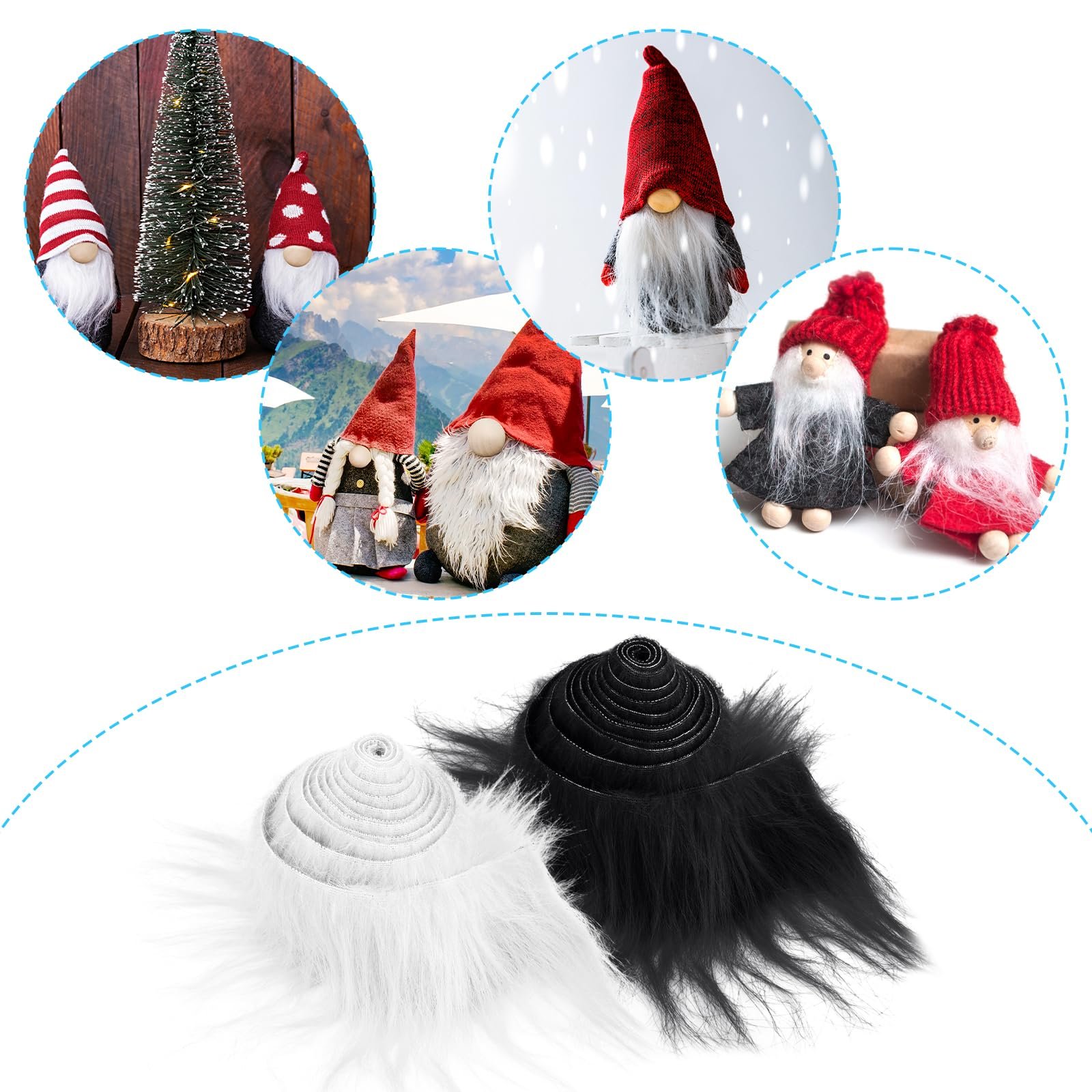
Premium shaggy white faux fur fabric featuring 2.5-3 inch pile length perfect for creating authentic Santa Claus beards, gnome decorations, and fluffy Christmas craft projects at Joanns. This 80% acrylic and 20% polyester blend delivers lightweight durability and exceptional softness ideal for costume applications and holiday decorating requiring realistic fur texture and appearance. The 2×60 inch precut strips provide convenient sizing for beard projects, gnome hair, and decorative trim eliminating waste while offering ample length for standard craft requirements and creative experimentation.
- 2.5-3 inch pile length
- 80% acrylic, 20% polyester
- 2×60 inch precut strips
- Perfect for Santa beards
- Ideal for gnome crafts
- Lightweight and durable
- Soft fluffy texture
- Easy to work with
Extra Large White Faux Fur Fabric Sheet
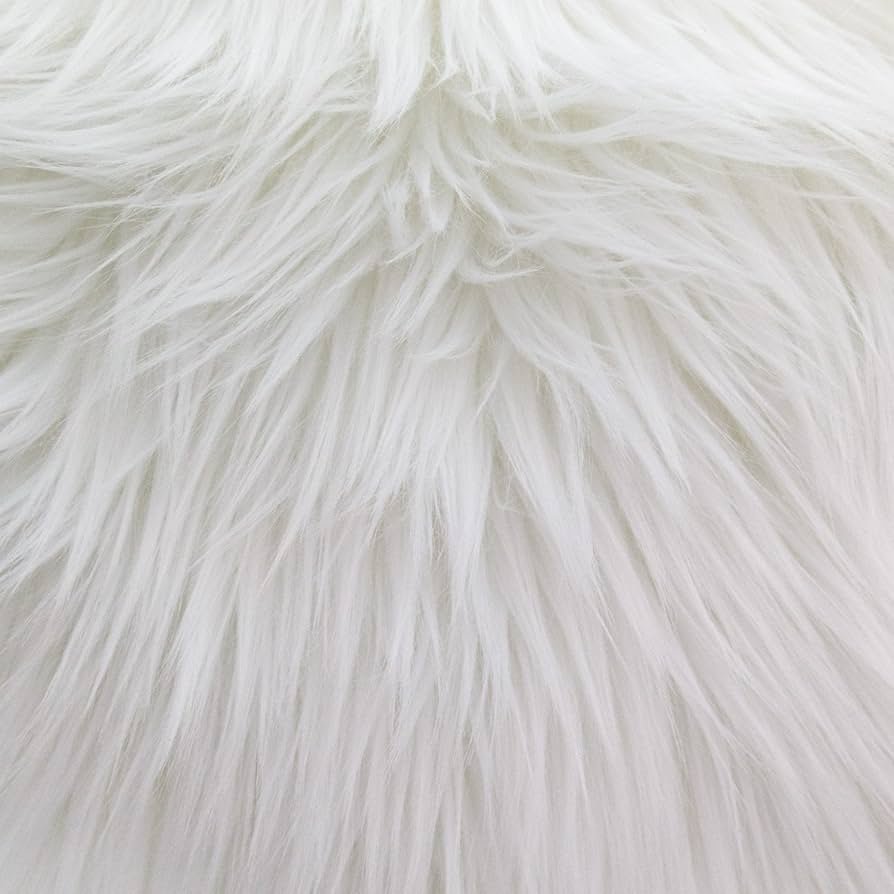
Generous 36×60 inch white faux fur fabric sheet from Joann featuring luxurious 3.5 inch pile length providing ample material for large craft projects, costume creation, and home decor applications. This substantial sizing accommodates multiple project pieces, full costume components, or expansive decorative elements without requiring seam joining that interrupts fur flow and appearance. The extended pile length creates dramatic fluffy texture perfect for winter holiday decorations, theatrical costumes, photography props, and statement home accents demanding authentic fur appearance and substantial visual impact.
- 36×60 inch generous size
- 3.5 inch pile length
- Extra fluffy texture
- Versatile for large projects
- Perfect for costumes
- Ideal for home decor
- Soft plush material
- Durable backing
Essential Cutting Techniques for White Fur Fabric
Proper cutting methods prove critical when working with white fur fabric as improper techniques create choppy edges and excessive shedding. Mastering these specialized approaches ensures clean edges that facilitate professional-looking seams and minimize fiber waste throughout construction.
Cutting from the Back
Always cut white fur fabric from the backing side using sharp fabric scissors or rotary cutters slicing only through backing material. This cardinal rule prevents cutting pile fibers that create ragged edges and uneven fur distribution around pattern pieces.
Position fabric wrong side up on clean cutting surface marking pattern pieces with fabric chalk or fabric pencil on backing. Accurate marking ensures precise cuts without repeatedly flipping fabric risking pile damage or measurement errors.
Nap Direction Considerations
Determine pile direction by running your hand across fur surface noting which direction feels smoothest indicating nap flow. Mark arrow on pattern pieces ensuring all components cut with nap running in consistent direction for uniform appearance in finished projects.
Maintain downward nap direction for garments allowing fur to naturally flow toward hem following gravitational pull. Decorative items benefit from consistent nap direction across all panels creating cohesive visual effect without jarring directional changes.
Tool Selection
Use craft knives or single-edge razor blades for precision cutting especially around tight curves and detailed pattern shapes. These sharp implements slice cleanly through backing without pulling or tearing material that compromises edge quality.
Reserve rotary cutters for straight edges and gentle curves ensuring blade sharpness prevents dragging that stretches backing. Dull blades require excessive pressure risking cutting through pile fibers or creating uneven backing edges.
Managing Cut Edges
Immediately brush cut edges with fingers or wide-toothed comb fluffing pile away from backing edge preventing fiber entrapment in seams. This simple step dramatically improves seam appearance by ensuring fur flows naturally rather than catching in stitching.
Store cut pieces flat or loosely rolled preventing pile crushing that creates permanent indentations requiring steaming or brushing to restore. Protect cut edges from tangling with other materials by wrapping pieces individually in tissue paper or fabric.
Sewing White Fur Fabric Successfully
Sewing fur fabric demands specialized techniques managing bulk, preventing shedding, and creating invisible seams that showcase finished projects professionally. These methods transform challenging material into polished creations worthy of display and use.
Machine Settings and Preparation
Install size 90/14 or 100/16 needle on your sewing machine ensuring adequate strength to penetrate thick backing without breaking. Larger needles create appropriate hole size preventing backing damage or skipped stitches during seam construction.
Lengthen stitch to 3-3.5mm allowing backing material to feed smoothly without puckering or bunching under presser foot. Longer stitches distribute tension across more backing surface preventing distortion while reducing likelihood of catching pile fibers.
Reduce presser foot pressure if your machine allows this adjustment preventing excessive compression that flattens pile permanently. Lighter pressure enables fabric layers to move freely maintaining pile loft throughout sewing process.
Seam Construction
Pin seam allowances using fabric clips or long pins positioned perpendicular to seam line within allowance area. This placement prevents visible holes in finished project while securely holding layers during stitching operations.
Brush pile fibers away from seam line before stitching ensuring fur flows toward garment interior rather than catching in seam. Use fingers or comb to sweep fibers systematically along entire seam length before lowering presser foot.
Sew slowly maintaining steady speed allowing backing layers to feed evenly through machine without shifting or bunching. Pause periodically checking that pile remains clear of needle path preventing fiber entrapment that creates lumpy, unprofessional seam appearance.
Post-Sewing Finishing
Use tapestry needle or seam ripper tip to gently pull trapped pile fibers out of completed seam line working methodically along entire length. This critical finishing step creates invisible seams where fur appears to flow continuously across joined pieces.
Press seams open or to one side using fingers or fabric iron held above surface applying steam without direct contact. Heat and moisture relax backing material setting seam position without melting synthetic pile fibers.
Reducing Bulk
Trim one seam allowance narrower than the other when pressing seams to one side distributing bulk across two layers. This grading technique prevents ridge formation visible through pile that mars smooth finished appearance.
Clip curved seam allowances making small perpendicular cuts allowing seams to spread and lie flat around curves. Space clips approximately 1/2 inch apart on tight curves increasing distance on gentler curves to 1-2 inches.
Popular White Fur Fabric Projects at Joanns
White fur fabric’s versatility enables countless creative applications from seasonal decorations to wearable art showcasing snowy elegance and cozy texture. These project ideas inspire crafters of all skill levels to explore fur fabric’s transformative possibilities.
Holiday and Seasonal Crafts
Create authentic Santa Claus beards and mustaches using long pile white fur strips shaped and attached to elastic bands. These reusable costume elements elevate holiday celebrations and photographs with professional theatrical quality impossible to achieve with cotton batting.
Craft whimsical gnome decorations featuring fluffy white beards, eyebrows, and hair bringing Scandinavian folklore charm to mantels, shelves, and holiday displays. Pair white fur with felt bodies and patterned fabrics creating distinctive characters with personality and appeal.
Design winter wonderland decorations including fur-trimmed decorative baskets, tree skirts, and garlands evoking fresh snowfall elegance. White fur accents transform ordinary holiday items into sophisticated seasonal decor commanding attention and admiration.
Costume and Cosplay Applications
Construct arctic animal costumes including polar bears, arctic foxes, and snowy owls using white fur fabric as primary material. The realistic texture and appearance elevate costume quality beyond simple fabric creating authentic animal representations for theater, Halloween, or conventions.
Add fur trim to fantasy costumes inspired by magical characters or winter royalty creating regal, otherworldly appearance. Strategic fur placement at cuffs, collars, and hems suggests luxury and importance appropriate for character portrayal.
Home Decor Projects
Design luxurious throw pillows combining white fur with complementary canvas fabrics or durable textiles creating sophisticated accent pieces. The textural contrast between smooth backing fabric and fluffy fur surface adds visual interest to living spaces.
Create cozy blanket trim or full fur throws providing warmth and elegant draping across furniture. These textile accents invite touch and interaction while introducing textural dimension to interior design schemes.
Craft decorative elements including fur-wrapped vases, picture frames, or mirror borders transforming ordinary objects into statement pieces. Small fur applications deliver substantial visual impact without requiring extensive material investment or advanced sewing skills.
Fashion Accessories
Construct winter accessories including fur-trimmed hats, scarves, and boot toppers adding luxury details to cold-weather wardrobes. These small projects provide perfect introduction to working with fur fabric while creating functional, wearable results.
Design statement handbags or clutches featuring white fur panels creating eye-catching accessories for special occasions. Combine fur with structured bag construction techniques ensuring durability alongside aesthetic appeal.
Pro Tip: Always cut white fur fabric from the backing side using only sharp tools, and immediately brush pile fibers away from cut edges with your fingers. This essential technique prevents ragged edges and excessive shedding while ensuring professional seam appearance in finished projects.
Caring for White Fur Fabric Projects
Maintaining white fur fabric’s pristine appearance requires gentle care methods preserving both color and texture through cleaning and storage. Proper maintenance extends project life while keeping creations looking fresh and new.
Cleaning Methods
Spot clean minor soiling using damp cloth and mild soap blotting gently without rubbing that mats fibers together. Allow cleaned areas to air dry completely then fluff pile with fingers or wide-toothed comb restoring original texture and appearance.
Hand wash heavily soiled items in cool water with gentle detergent swishing gently without wringing or twisting. Squeeze excess water carefully then lay flat on towels rolling to absorb moisture before air drying away from direct heat or sunlight.
Avoid machine washing when possible as agitation can damage pile attachment and cause excessive shedding. If machine washing becomes necessary, use delicate cycle in mesh laundry bag protecting fur from excessive tumbling and friction.
Drying and Fluffing
Air dry white fur projects flat on clean towels periodically fluffing pile with fingers as moisture evaporates. This gentle approach prevents heat damage while maintaining proper fur direction and preventing matting during drying process.
Never use machine dryers or direct heat sources including hair dryers or heaters that can melt synthetic fibers permanently damaging texture. Patient air drying preserves fur quality ensuring long-term project beauty and usability.
Storage Recommendations
Store white fur items in breathable fabric bags or wrapped in clean sheets preventing dust accumulation while allowing air circulation. Avoid plastic bags that trap moisture potentially causing mildew or yellowing in white materials.
Keep stored fur away from direct sunlight and heat sources maintaining cool, dry environment. Excessive light exposure gradually yellows white fur while heat can permanently deform synthetic pile fibers altering texture and appearance.
Periodically remove stored items shaking gently and fluffing pile preventing permanent compression from long-term storage. This simple maintenance preserves fur’s fluffy appearance ensuring readiness for seasonal display or use.
Preventing Shedding in White Fur Projects
Managing shedding proves essential when working with white fur fabric as loose fibers create cleanup challenges and diminish finished appearance. These preventative strategies minimize shedding throughout construction and use.
Quality Investment
Purchase higher-quality white fur fabric at Joann featuring tightly secured pile attachment reducing inherent shedding tendencies. Premium materials justify cost through superior performance and reduced frustration during project construction and subsequent use.
Test fabric quality before purchasing by gently tugging pile fibers checking resistance to pulling. Minimal fiber release indicates secure attachment while excessive shedding from gentle handling suggests lower quality unsuitable for lasting projects.
Construction Techniques
Cut carefully from backing side using sharp tools preventing fiber damage that increases shedding. Clean cuts through backing material only leave pile fibers intact and securely attached reducing loose fiber generation.
Seal raw edges on items where edges remain exposed using thin layer of fabric adhesive applied to backing. This technique prevents pile loosening from exposed backing though should not be used on seam allowances requiring stitching.
Post-Construction Care
Vacuum finished projects using upholstery attachment with low suction removing loose fibers before they scatter. This initial cleaning eliminates manufacturing remnants and construction debris establishing baseline for ongoing maintenance.
Brush regularly with wide-toothed comb or specialized fur brush removing loose fibers before they migrate to other surfaces. Preventative grooming maintains appearance while controlling shedding through proactive removal rather than reactive cleanup.
Combining White Fur with Other Fabrics
Creating mixed-material projects expands white fur fabric’s versatility enabling sophisticated designs balancing texture, practicality, and visual interest. Understanding combination techniques ensures successful integration across diverse fabric types and project applications.
Color Coordination
Pair white fur with bold colors including royal blue from blue floral fabrics or bright shades from licensed character materials creating striking contrast. The pure white serves as neutral canvas allowing companion colors to command attention while providing textural balance.
Combine white fur with metallic gold accents or painted elements suggesting winter luxury and seasonal elegance. These sophisticated combinations elevate projects beyond simple craft work into designer-quality creations commanding admiration.
Texture Mixing
Contrast fluffy white fur with smooth satins or sleek cottons maximizing textural variety in single projects. The dramatic surface differences create visual and tactile interest maintaining viewer engagement through sensory diversity.
Layer white fur over structured materials providing body and shape that soft fur alone cannot achieve. This strategic combination delivers dramatic visual impact while solving construction challenges inherent in working with pile fabrics.
Character and Themed Fabrics
Integrate white fur with licensed prints from tropical character themes or gaming franchises creating unique costume elements. The unexpected combinations generate distinctive looks unavailable in commercial costume offerings.
Add white fur trim to animal-print fabrics from wildlife collections enhancing creature authenticity and appeal. These thoughtful details elevate costume and craft quality through attention to realistic representation and character accuracy.
Working with White Fur in Small Spaces
Managing white fur fabric’s volume and shedding potential requires strategic approaches when crafting in limited spaces. These practical solutions maintain clean workspaces while accomplishing professional results despite spatial constraints.
Containment Strategies
Spread large sheet or tarp under work area capturing loose fibers and trim scraps for easy cleanup. This simple preparation prevents fiber dispersion throughout living spaces maintaining household peace during creative sessions.
Work near vacuum cleaner enabling quick cleanup of accumulated fibers before they migrate to carpets, furniture, or other projects. Immediate removal proves far easier than hunting scattered fibers throughout multiple rooms.
Storage Solutions
Store cut pieces and works-in-progress in sealed containers or bags preventing fiber escape between work sessions. Clear storage allows visual project monitoring while containing materials that would otherwise shed throughout storage areas.
Designate specific scissors and tools exclusively for fur fabric projects preventing fiber transfer to other materials. This separation maintains clean distinctions between projects requiring different handling and cleanup protocols.
Frequently Asked Questions
Long pile white fur measuring 2.5-3.5 inches creates the most authentic Santa Claus beards with realistic fluffy appearance and proper draping movement. This pile length provides substantial volume mimicking natural beard fullness while remaining manageable for costume attachment to elastic or fabric backing. Shorter pile options under 2 inches lack convincing beard depth while extremely long pile over 4 inches tangles easily and becomes difficult to shape properly for facial contours.
Yes, white faux fur fabric from Joann Fabrics can be washed using gentle hand washing in cool water with mild detergent avoiding wringing or twisting that damages pile. Spot cleaning with damp cloth and soap handles minor soiling more safely than full washing for delicate projects or items with non-washable components. Always air dry fur projects flat on clean towels avoiding machine dryers or direct heat that melts synthetic fibers permanently damaging texture and appearance throughout the piece.
Cutting white fur fabric from the backing side prevents slicing through pile fibers that creates ragged edges and excessive shedding while ensuring clean cuts through backing only. This essential technique maintains intact pile fibers that can be brushed away from seam lines creating professional invisible seams in finished projects. Cutting from the fur side results in chopped fibers, uneven edges, and significantly increased shedding that mars project appearance and complicates construction throughout all subsequent steps.
Minimize white fur fabric shedding by purchasing quality materials with secure pile attachment, cutting carefully from the backing side, and brushing pile away from seam lines before stitching. Sealing exposed raw edges with thin fabric adhesive prevents backing deterioration that loosens fibers while regular gentle brushing removes loose fibers before they scatter throughout your space. Some initial shedding remains normal for all fur fabrics though proper techniques significantly reduce ongoing fiber loss throughout project lifespan.
Use size 90/14 or 100/16 sewing machine needles when stitching white fur fabric ensuring adequate strength to penetrate thick backing without breaking or bending during seam construction. These larger needles create appropriate hole size in dense backing material preventing skipped stitches while reducing needle deflection that causes uneven seam lines. Smaller needles designed for lightweight fabrics lack sufficient strength for fur fabric’s substantial backing and often break under the pressure required for proper penetration.
White faux fur fabric from Joanns works for temporary outdoor holiday decorations in protected areas though extended weather exposure causes deterioration and soiling requiring replacement. The synthetic materials resist brief moisture contact but sustained rain, snow, or direct sunlight damages fibers and backing causing permanent texture loss and discoloration. For outdoor applications, display fur decorations under cover during favorable weather and bring inside during storms, or consider weather-resistant alternatives for permanent exterior installations requiring year-round durability.
Standard gnome decorations measuring 12-18 inches tall typically require 2×60 inch fur fabric strip providing ample material for beard, eyebrows, and hair with excess for experimentation and mistakes. Larger gnomes over 24 inches tall may need multiple strips or wider fabric pieces ensuring adequate coverage for proportionally sized facial features. Calculate requirements by measuring desired beard length and width plus additional material for eyebrows and hair, then add 20% extra accommodating cutting waste, shaping adjustments, and potential re-cuts during construction process.
Related Resources
- Fabric Scissors – Precision cutting tools for backing
- Fabric Clips – Seam securing without pin holes
- Fabric Chalk – Pattern marking on backing
- Fabric Pencil – Precise pattern transfer
- Large Cutting Board – Safe cutting surface
- Sewing Machines – Construction equipment
- Fabric Iron – Seam finishing tool
- Canvas Fabric – Backing material options
- Outdoor Fabric – Weather-resistant alternatives
- Fabric Ribbon – Decorative trim accents
- Harry Potter Fabric – Character themed combinations
- Marvel Fabric – Licensed print pairings
- Fabric Stencils – Design additions
- Gold Paint – Metallic accents
Transform Projects with Snowy White Fur
Joanns white fur fabric delivers irresistible softness and elegant snowy appearance transforming ordinary crafts into magical creations perfect for holidays, costumes, and home decor. The versatile material works across diverse applications from traditional Santa beards and gnome decorations to contemporary fashion accessories and sophisticated interior accents showcasing winter beauty.
Mastering specialized cutting and sewing techniques ensures professional results despite fur fabric’s unique challenges including bulk management, shedding prevention, and invisible seam construction. These skills combined with quality materials from Joann Fabrics enable crafters to achieve designer-quality outcomes worth the creative investment and learning curve.
Start your white fur fabric projects with appropriate cutting tools, quality construction supplies, and clear understanding of proper techniques explored throughout this guide creating stunning fluffy white creations that capture imagination and delight viewers with touchable texture and pristine appearance.