
Joanns Upholstery Fabric: Complete Guide to Choosing and Using Furniture Fabric for Every Project
Durable, Stylish Upholstery Fabrics Including Chenille, Canvas, Cotton Blends, and Outdoor Materials for Furniture and Decor
Joanns upholstery fabric provides durable, professional-quality materials perfect for transforming furniture, creating custom cushions, and completing home decor projects with fabrics designed to withstand daily use. These specialized textiles offer superior strength compared to regular fabrics while delivering the aesthetic appeal needed for interior design applications.
Understanding upholstery fabric characteristics including weight, weave, and fiber content ensures successful furniture projects that last for years without premature wear or fading. The extensive selection at Joann includes everything from budget-friendly cotton blends to premium chenille and outdoor-grade materials suitable for any application.
What Makes Upholstery Fabric Different
Upholstery fabric features heavier weight construction measuring 8-16 ounces per square yard compared to regular fabric’s 2-6 ounce range, providing the durability necessary for furniture applications. This substantial weight prevents stretching, sagging, and premature wear that occurs when lighter materials face constant stress and friction.
The tighter weave patterns in upholstery fabrics create dense surface structures resisting abrasion from repeated contact and movement. These reinforced constructions maintain their appearance through thousands of friction cycles while regular decorative fabrics show wear after minimal use.
Fiber Content Considerations
Natural fiber upholstery fabrics including cotton, linen, and wool offer breathability and traditional appearance appealing for classic furniture styles. These materials accept dyes beautifully producing rich, saturated colors though they typically require more maintenance than synthetic alternatives.
Synthetic options like polyester, nylon, and acrylic provide superior stain resistance and durability perfect for high-traffic furniture and family homes with children or pets. The manufactured fibers resist fading, moisture, and common household stains while often costing less than natural materials.
Blended upholstery fabrics combine natural and synthetic fibers capturing benefits of both material types in single textiles. These versatile options balance the aesthetic appeal of natural fibers with the practical performance of synthetics creating ideal furniture fabrics.
Weave Pattern Impact
Plain weave upholstery fabrics feature simple over-under thread patterns creating smooth, uniform surfaces ideal for showcasing prints and solid colors. This fundamental construction offers good durability at accessible price points making it popular for budget-conscious furniture projects.
Jacquard weaves incorporate complex patterns woven directly into fabric structure rather than printed on surface, producing dimensional designs with superior durability. These sophisticated textiles add visual interest to furniture while maintaining the strength required for upholstery applications.
Chenille fabrics feature distinctive fuzzy pile construction creating luxuriously soft textures perfect for cozy furniture pieces. The raised fibers provide exceptional comfort though they require more careful maintenance to prevent crushing or matting over time.
Durability Ratings
Double rub testing measures upholstery fabric durability by simulating repeated friction and determining how many cycles materials withstand before showing wear. Light-duty fabrics rated 3,000-9,000 double rubs suit occasional-use furniture while heavy-duty options exceeding 30,000 cycles handle daily household demands.
Commercial-grade upholstery fabrics engineered for public spaces often achieve 100,000+ double rub ratings providing extreme durability for high-traffic residential applications. These industrial-strength materials justify higher costs through extended lifespan and minimal maintenance requirements.
Choosing the Right Joanns Upholstery Fabric
Selecting appropriate upholstery fabric depends on furniture type, usage level, and aesthetic preferences requiring careful evaluation of multiple factors. Understanding how different characteristics affect performance helps ensure satisfaction with finished projects.
Furniture Type Matching
Sofas and sectionals requiring extensive yardage benefit from budget-friendly options including cotton blends and polyester fabrics keeping total project costs manageable. The large surface areas make these pieces ideal for solid colors or subtle patterns that won’t overwhelm spaces.
Accent chairs and ottomans provide opportunities to incorporate premium fabrics like chenille or jacquard weaves adding luxurious focal points. The smaller quantities required for these pieces make higher-priced specialty fabrics more affordable.
Dining chairs need easy-clean upholstery fabrics resisting food and beverage stains through treated finishes or inherently stain-resistant synthetic fibers. Consider darker colors or busy patterns that camouflage inevitable spills in eating areas.
Usage Level Assessment
High-traffic furniture in family rooms and daily-use spaces requires heavy-duty fabrics rated 15,000+ double rubs with stain-resistant treatments. These workhorse materials withstand constant use from children, pets, and regular entertaining without showing premature wear.
Moderate-use pieces in guest rooms or formal living areas accommodate lighter-weight fabrics rated 9,000-15,000 double rubs offering broader style options. The reduced wear exposure allows more delicate textiles and specialty finishes not suitable for everyday furniture.
Decorative furniture including display pieces and occasional chairs can utilize any upholstery weight prioritizing aesthetics over extreme durability. These low-use applications provide freedom to choose fabrics based purely on appearance without performance concerns.
Color and Pattern Selection
Solid color upholstery fabrics offer versatility allowing easy redecoration through changed accent pillows and accessories without replacing expensive furniture coverings. Neutral tones including beige, gray, and navy provide timeless appeal while bolder hues make statement pieces.
Geometric patterns add contemporary style to modern furniture complementing clean lines and minimalist decor. The structured designs create visual interest without overwhelming spaces making them ideal for larger furniture pieces.
Floral and traditional prints suit classic furniture styles bringing warmth and character to traditional interiors. These timeless patterns work beautifully on accent chairs and cushions though may feel overwhelming when covering entire sofas.
Indoor vs Outdoor Applications
Indoor upholstery fabrics prioritize comfort, appearance, and general durability without requiring weather resistance or extreme UV protection. The broader material selection allows focus on aesthetics and feel for climate-controlled environments.
Outdoor upholstery fabrics feature solution-dyed acrylic fibers resisting fading, mildew, and moisture damage essential for patio furniture exposed to elements. These specialized textiles cost more but provide necessary performance for exterior applications where regular fabrics fail quickly.
Richloom Designer Upholstery Fabric Collection
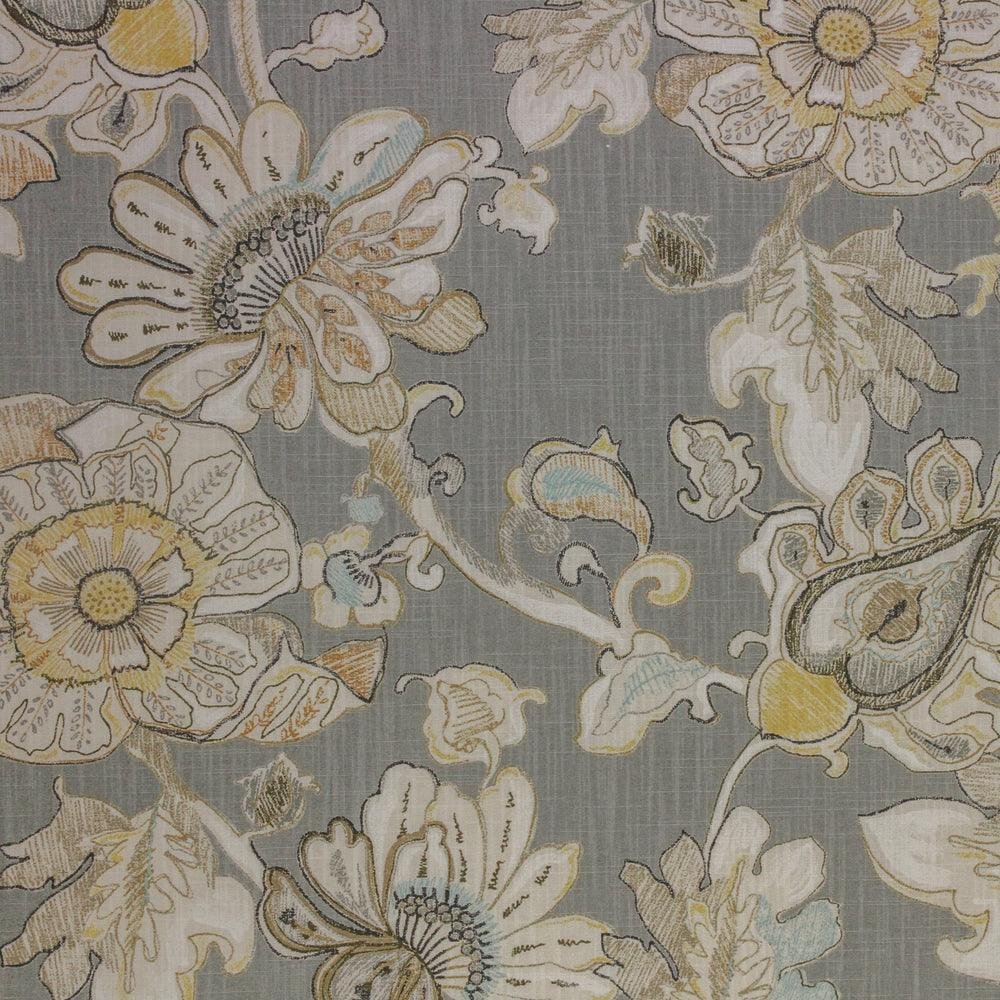
Premium Richloom upholstery fabric available at Joann Fabrics offers professional-quality textiles perfect for furniture reupholstering and custom cushion projects in sophisticated textures and colors. This designer collection features durable construction suitable for everyday furniture use while maintaining luxurious appearance and soft hand feel that elevates any interior space. The versatile fabric works beautifully on sofas, chairs, ottomans, and decorative accent pieces providing long-lasting performance through years of regular use.
- Designer-quality construction
- Multiple color options available
- Soft yet durable texture
- Suitable for all furniture types
- Easy to work with for DIY projects
- Professional finishing capabilities
- Available by the yard
Outdoor Performance Upholstery Fabric
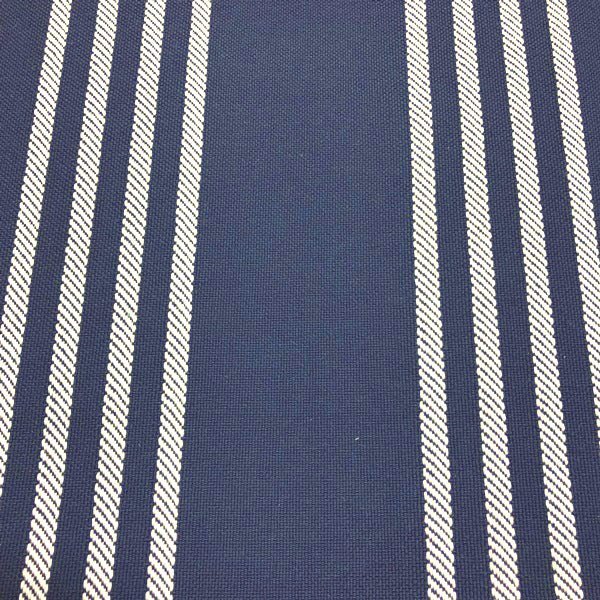
Weather-resistant outdoor upholstery fabric from Joann combines durability with style featuring solution-dyed construction that resists fading, mildew, and moisture damage for patio furniture and exterior applications. This high-performance textile maintains vibrant colors through intense sun exposure and weather conditions while providing comfortable seating surfaces that withstand seasons of outdoor use. The versatile material suits cushions, furniture covers, and decorative outdoor accessories requiring both aesthetic appeal and practical weather resistance.
- Solution-dyed fade resistance
- Mildew and moisture resistant
- UV protection for sun exposure
- Bold patterns and colors
- Easy cleaning and maintenance
- Durable for outdoor conditions
- Suitable for cushions and furniture
Calculating Upholstery Fabric Requirements
Accurate yardage calculation prevents costly mistakes including purchasing insufficient fabric or wasting money on excessive quantities. Understanding standard furniture requirements and accounting for pattern matching ensures adequate supplies for successful projects.
Standard Furniture Yardage
Dining chairs typically require 1-2 yards per chair depending on size and cushion thickness with larger chairs needing additional fabric. Wingback and accent chairs use 6-8 yards accounting for arms, back, and base covering plus extra for pattern matching.
Loveseats consume 10-14 yards while full-size sofas need 14-18 yards covering seats, backs, arms, and bases. Sectional pieces require individual calculations for each component with corner units using more fabric than straight sections.
Ottomans range from 2-6 yards based on dimensions and style with tufted designs requiring extra fabric for button placement. Cushions need approximately 1 yard per cushion including top, bottom, boxing, and zipper allowances.
Pattern Matching Considerations
Solid upholstery fabrics and small all-over patterns require minimal extra yardage beyond standard calculations with 10% waste allowance covering cutting errors. These forgiving designs allow efficient fabric usage without extensive planning.
Large-scale patterns and directional prints need significant additional yardage ensuring motifs align properly across furniture surfaces. Add 25-50% extra fabric depending on pattern repeat size to accommodate matching requirements.
Striped and geometric fabrics require careful planning to ensure lines run consistently across all furniture pieces avoiding visually jarring misalignments. Use fabric chalk to mark cutting lines maintaining pattern continuity throughout projects.
Railroading Fabric
Railroading involves running upholstery fabric horizontally rather than vertically eliminating seams on long furniture pieces like sofas. This technique requires fabric width exceeding furniture depth but significantly reduces yardage requirements and creates cleaner finished appearance.
Not all fabrics railroad successfully with directional patterns, napped textures, and specific weaves unsuitable for this application. Consult with Joann Fabrics staff or check manufacturer specifications before planning railroaded installations.
Working with Upholstery Fabric
Successfully upholstering furniture requires proper tools, techniques, and preparation ensuring professional results. Understanding fabric handling and installation methods prevents common mistakes that compromise finished quality.
Essential Tools and Supplies
Sharp fabric scissors or rotary cutters ensure clean, precise fabric edges preventing fraying and maintaining accurate dimensions throughout cutting processes. Quality cutting tools prove essential for thick upholstery materials that quickly dull inferior blades.
Staple guns designed specifically for upholstery provide reliable fabric attachment to furniture frames using 3/8 or 1/2 inch staples. Manual and electric options both work well with electric models reducing hand fatigue on large projects.
Upholstery needles featuring curved designs allow stitching through thick materials and tight spaces impossible with standard straight needles. These specialized tools prove essential for hand-sewing final closures and detail work.
Fabric Preparation Steps
Pre-wash upholstery fabrics when possible removing excess dye and allowing shrinkage to occur before installation preventing future problems. Follow manufacturer care instructions carefully as some treated fabrics should not be washed before use.
Press wrinkled upholstery fabric using appropriate heat settings and steam ensuring smooth installation without permanent creases. Place pressing cloths between fabric iron and delicate textiles protecting finishes and preventing shine or scorch marks.
Cut fabric pieces using large cutting boards or clean floor spaces ensuring accurate measurements and straight edges. Mark cutting lines with fabric pencil maintaining precision throughout layout process.
Basic Upholstery Techniques
Begin furniture covering from center points working outward toward edges maintaining even tension without overstretching fabric. This centering approach ensures balanced appearance and prevents diagonal pulling that creates wrinkles.
Secure fabric temporarily using fabric clips or pins checking appearance before permanent stapling or tacking. This trial-fitting step allows adjustments preventing irreversible mistakes on expensive materials.
Trim excess fabric conservatively leaving slightly more material than seemingly necessary for final tucking and finishing. Once cut too short, fabric cannot be lengthened requiring complete section replacement.
Professional Finishing Details
Apply double-welt cording or decorative trim along seams and edges creating polished finished appearance hiding staples and raw edges. These professional touches transform amateur projects into custom-quality furniture pieces.
Use fabric adhesive for securing trims and finishing details in areas where stapling or sewing proves impractical. Quality adhesives provide permanent bonds without visible attachment methods.
Maintaining Upholstered Furniture
Proper care extends upholstery fabric life preventing premature replacement and maintaining fresh appearance for years. Following recommended maintenance practices protects investment in quality materials and skilled workmanship.
Regular Cleaning Practices
Vacuum upholstered furniture weekly using upholstery attachments removing surface dust and debris before particles work into fabric fibers. This simple maintenance prevents embedded dirt that dulls colors and accelerates wear.
Address spills immediately blotting liquids gently with clean absorbent cloths without rubbing which spreads stains and damages fibers. Work from stain edges toward centers preventing expansion while removing maximum liquid.
Test cleaning solutions on hidden areas before applying to visible surfaces ensuring products won’t discolor or damage specific upholstery fabrics. Different fiber contents and finishes react uniquely to various cleaning agents.
Professional Cleaning Considerations
Schedule professional upholstery cleaning every 12-24 months for heavily used furniture maintaining fresh appearance and removing embedded soil. Professional equipment and expertise achieve deeper cleaning than home methods without fabric damage risks.
Check manufacturer cleaning codes before attempting any wet cleaning with “W” indicating water-safe fabrics and “S” requiring solvent-based cleaners. Following these guidelines prevents irreversible damage from inappropriate cleaning methods.
Protection and Prevention
Apply fabric protection treatments creating invisible barriers that repel liquids and resist staining on new upholstery or after professional cleaning. These preventative products significantly ease maintenance though require periodic reapplication.
Rotate cushions regularly distributing wear evenly across all surfaces preventing isolated compression and fading. This simple practice extends overall furniture life while maintaining uniform appearance.
Position upholstered furniture away from direct sunlight preventing premature fading particularly on natural fiber fabrics susceptible to UV damage. Use window treatments or UV-blocking films protecting valuable pieces in sunny rooms.
Pro Tip: Always purchase 10-15% more upholstery fabric than calculations indicate to account for pattern matching, cutting errors, and future repairs. This extra yardage proves invaluable for patching damage or creating coordinating accent pillows that perfectly match furniture pieces.
Popular Upholstery Projects
Upholstery fabric enables countless furniture transformation and home decor projects ranging from simple cushion covers to complete furniture restoration. Understanding different application possibilities inspires creative uses for quality materials.
Furniture Reupholstering
Transform worn furniture pieces through complete reupholstering breathing new life into quality frames with dated or damaged covering. This sustainable approach saves money compared to purchasing new furniture while allowing full customization of colors and patterns.
Update thrift store and estate sale finds creating unique statement pieces impossible to find in retail stores. The combination of vintage frames with contemporary upholstery fabrics produces eclectic, personalized furniture perfect for distinctive interiors.
Custom Cushion Creation
Design window seat cushions perfectly sized for built-in seating areas using upholstery fabric matching room decor. Add fabric ribbon ties for secure positioning preventing shifting during use.
Create outdoor cushions for patio furniture using weather-resistant upholstery fabrics and UV-stable thread ensuring longevity through sun and weather exposure. Coordinate patterns with outdoor accent fabrics for cohesive exterior design.
Craft custom bench cushions for entryway seating, dining benches, or mudroom storage providing both comfort and style. Upholstery-weight fabrics offer necessary durability for frequently used seating surfaces.
Headboard Projects
Construct upholstered headboards using plywood bases, foam padding, and quality upholstery fabric creating custom bedroom focal points. This DIY project costs significantly less than purchased upholstered headboards while offering unlimited design possibilities.
Update existing headboards through reupholstering changing bedroom aesthetics without replacing entire bed frames. Select coordinating fabrics that complement bedding and window treatments for polished, designer-quality results.
Accessory Applications
Design decorative pillows using upholstery fabric scraps coordinating perfectly with furniture pieces. The heavier weight creates structured pillow shapes maintaining form better than regular decorator fabrics.
Craft sturdy tote bags from upholstery fabric remnants producing durable carriers for shopping, crafts, or beach trips. The substantial material withstands heavy loads without tearing or stretching.
Troubleshooting Common Issues
Understanding how to address upholstery problems prevents project frustration and ensures successful outcomes. Most challenges have simple solutions when identified early and handled appropriately.
Preventing Fabric Puckering
Puckering occurs when upholstery fabric gets pulled unevenly during installation creating wrinkled, unprofessional appearance. Remove staples or tacks in puckered areas, smooth fabric carefully, and reinstall maintaining even tension across entire surface.
Work from furniture centers toward edges when stapling preventing fabric from bunching or pulling diagonally. This systematic approach maintains grain alignment and tension consistency throughout installation process.
Managing Thick Seams
Heavy upholstery fabrics create bulky seams when multiple layers overlap particularly at corners and curves. Grade seam allowances by trimming layers to different widths reducing bulk while maintaining strength.
Use specialized upholstery needles and heavy-duty thread when machine sewing thick fabrics preventing skipped stitches and broken needles. Adjust sewing machine tension and pressure settings accommodating substantial material weight.
Avoiding Pattern Misalignment
Carefully plan fabric layout before cutting ensuring patterns flow consistently across furniture surfaces and match at seams. Mark reference points on both fabric and furniture frame maintaining alignment throughout installation.
Pin or clip fabric sections together temporarily checking pattern matching before permanent attachment. This preview step prevents irreversible alignment errors that compromise finished appearance.
Repairing Minor Damage
Address small tears or worn spots using fabric patches applied from wrong side preventing complete reupholstering. Match patch fabric to original material as closely as possible for least visible repairs.
Refresh faded upholstery using specialized upholstery paint sprays designed specifically for fabric applications. These products restore color without changing texture though work best on solid-colored pieces.
Shopping for Joanns Upholstery Fabric
Making informed purchasing decisions ensures satisfaction with upholstery fabric selections while staying within project budgets. Understanding where and when to shop maximizes value and selection options.
In-Store Shopping Benefits
Visit Joann Fabrics stores to examine upholstery fabric texture, weight, and colors in person ensuring materials meet expectations before purchasing. Physical inspection reveals qualities impossible to assess from online photos or descriptions.
Request fabric samples or swatches taking home small pieces for comparison with existing furniture and decor in actual lighting conditions. Many stores provide sample cuts helping customers make confident decisions.
Consult with Joann staff members who offer expertise about fabric suitability for specific projects and applications. Their knowledge guides appropriate selections preventing costly mistakes from incompatible materials.
Online Shopping Advantages
Browse complete Joann upholstery fabric inventory online accessing wider selection than typically stocked in individual stores. The expanded options increase likelihood of finding perfect materials for unique project requirements.
Compare prices and read customer reviews informing purchasing decisions through real-world experiences. Detailed product descriptions and specifications provide comprehensive information supporting confident online ordering.
Sale Opportunities
Watch for seasonal promotions and holiday sales offering significant discounts on upholstery fabrics and supplies. Stock up on favorite materials during these events reducing per-yard costs substantially.
Sign up for Joann emails and loyalty programs receiving advance notice of sales and exclusive coupons. These programs provide additional savings beyond advertised promotions maximizing purchasing power.
Purchase remnants and clearance upholstery fabrics for smaller projects including cushions, pillows, and accessories. These discounted pieces offer premium materials at budget prices perfect for experimentation and skill development.
Coordinating Supplies
Shop complementary supplies including foam, batting, and cutting tools alongside upholstery fabric ensuring all project materials match in quality. One-stop shopping at Joann Fabrics streamlines project planning and execution.
Consider purchasing vinyl fabric for coordinating projects requiring water-resistant or easy-clean surfaces. The diverse material selection allows mixing fabrics by application requirements while maintaining design cohesion.
Frequently Asked Questions
Upholstery fabric weighs significantly more than regular fabric measuring 8-16 ounces per square yard compared to 2-6 ounces for typical materials providing necessary durability for furniture applications. The heavier construction features tighter weaves and reinforced structures resisting abrasion from constant friction and stress. Regular fabrics lack this substantial weight and density making them unsuitable for furniture covering where they would quickly show wear, stretching, and premature deterioration from daily use and body weight pressure.
Standard sofas typically require 14-18 yards of upholstery fabric depending on size, style, and whether you’re railroading the material horizontally to eliminate seams. Loveseats use 10-14 yards while sectional pieces need individual calculations for each component. Add 25-50% extra yardage for large-scale patterns requiring matching and 10% additional for solid fabrics accounting for cutting errors and waste. Measure your specific furniture carefully or consult with upholstery professionals for precise yardage calculations based on actual dimensions and chosen fabric characteristics.
Yes, outdoor upholstery fabric works excellently for indoor applications offering superior durability, stain resistance, and easy cleaning perfect for high-traffic furniture and homes with children or pets. The solution-dyed construction prevents fading while moisture-resistant properties protect against spills and accidents. However, outdoor fabrics sometimes feel less soft than indoor options and may have limited pattern selections, though these trade-offs prove worthwhile for practical benefits. Outdoor materials excel on dining chairs, family room furniture, and any pieces requiring maximum durability and minimal maintenance.
Tightly woven synthetic upholstery fabrics including microfiber, polyester blends, and solution-dyed acrylics provide best performance in homes with pets resisting scratches, stains, and embedded fur. These materials feature smooth surfaces that prevent claw snagging while being easy to clean and maintain. Avoid loose weaves, delicate natural fibers, and light colors that show damage and staining easily. Look for fabrics rated 15,000+ double rubs indicating heavy-duty construction able to withstand pet activity. Leather and vinyl alternatives also work well though may feel less comfortable in warm climates.
Clean upholstery fabric according to manufacturer cleaning codes with “W” fabrics accepting water-based solutions while “S” materials require solvent cleaners preventing damage. Vacuum weekly removing surface debris then spot clean spills immediately by blotting gently without rubbing. For deep cleaning, use appropriate products for specific fabric types testing solutions on hidden areas first ensuring they won’t discolor or damage materials. Schedule professional upholstery cleaning every 12-24 months for heavily used furniture achieving thorough cleaning without risking damage from improper home methods or equipment.
Yes, beginners can successfully reupholster furniture starting with simple projects like dining chair seats, ottomans, or cushions before attempting complex pieces. These smaller projects teach basic techniques including fabric cutting, stapling, and corner finishing without overwhelming new upholsterers. Invest in quality tools including sharp scissors, staple gun, and appropriate needles ensuring easier work and better results. Watch tutorial videos, follow step-by-step guides, and practice on inexpensive thrift store pieces before tackling valuable furniture. With patience and proper preparation, beginners achieve satisfying results that build confidence for increasingly complex upholstery projects.
Quality upholstery fabric properly installed and maintained lasts 7-15 years on average with actual lifespan depending on fabric quality, usage level, and care practices. Heavy-duty fabrics rated for commercial use may last 20+ years in residential settings while lighter-weight materials show wear after 5-7 years in high-traffic applications. Regular cleaning, rotation of cushions, protection from sunlight, and prompt stain treatment significantly extend fabric life. Synthetic fibers typically outlast natural materials though proper care maximizes longevity regardless of fiber content. Investment in quality upholstery fabric from Joann Fabrics pays dividends through years of attractive, durable service.
Related Resources
- Fabric Scissors – Essential cutting tools
- Fabric Clips – Temporary holding
- Fabric Chalk – Pattern marking
- Fabric Pencil – Precision layout
- Fabric Iron – Preparation and pressing
- Outdoor Fabric – Weather-resistant options
- Canvas Fabric – Heavy-duty materials
- Vinyl Fabric – Easy-clean surfaces
- Fabric Adhesive – Finishing applications
- Fabric Ribbon – Decorative trim
- Fabric Bags – Project applications
- Sewing Machines – Equipment needs
- Cutting Boards – Work surfaces
- Black Friday Deals – Shopping opportunities
Transform Furniture with Quality Materials
Joanns upholstery fabric provides essential materials for creating beautiful, durable furniture and home decor projects that withstand years of daily use while maintaining fresh appearance. The extensive selection ensures perfect options for every application from formal living room pieces to casual family furniture requiring maximum durability and easy maintenance.
Whether reupholstering treasured furniture, creating custom cushions, or designing unique home accessories, quality fabric selection and proper installation techniques guarantee successful results. Understanding material characteristics, calculating accurate yardage, and following best practices produces professional outcomes worth the creative investment.
Start your upholstery projects with premium fabrics from Joann, quality cutting tools for precision work, and proper finishing supplies transforming basic furniture into custom pieces showcasing personal style and expert craftsmanship that elevate any interior space.