
Fabric Glue: Complete Guide to Choosing and Using Textile Adhesives for Projects
Permanent, Washable, and Heavy-Duty Fabric Glue for Repairs, Crafts, and No-Sew Projects
Fabric glue creates permanent or temporary bonds between textiles without sewing, offering accessible solutions for repairs, crafts, and projects where needle and thread prove impractical. These specialized adhesives maintain flexibility after drying, allowing fabrics to move naturally while keeping bonds secure through washing and wear.
Understanding different fabric glue types and application techniques ensures professional results on materials ranging from delicate silk to heavy canvas and leather. Modern formulations provide strength comparable to stitching for many applications while eliminating the need for sewing skills or equipment.
What Makes Fabric Glue Different
Fabric glue contains specialized polymers formulated to bond textile fibers while remaining flexible after curing. Unlike standard craft adhesives that create rigid connections, these products maintain fabric drape and movement essential for comfortable wearable items and functional textile projects.
The chemistry behind fabric adhesives allows penetration into fiber structures creating molecular-level bonds that withstand stress and movement. Quality formulations dry clear, resist yellowing over time, and maintain integrity through repeated washing cycles when properly applied.
Permanent vs Temporary Adhesives
Permanent fabric glues create lasting bonds designed to withstand washing, wearing, and environmental exposure for years. These stronger formulations work ideally for repairs, hem alterations, and projects requiring long-term durability without future removal needs.
Temporary fabric adhesives provide repositionable bonds that wash out or peel away when needed. These lighter formulations suit pattern positioning, temporary hemming, or situations where you might want to adjust or remove the bond later without damaging fabrics.
Water-Based vs Solvent-Based Formulas
Water-based fabric glues offer low toxicity, minimal odor, and easy cleanup with soap and water before drying. These environmentally friendly options work well for most general applications though may require longer drying times than solvent alternatives.
Solvent-based adhesives provide stronger initial bonds and faster drying times but require proper ventilation during application. These powerful formulations excel for heavy-duty projects, non-porous materials, and situations requiring maximum bond strength.
Choosing the Right Fabric Adhesive
Selecting appropriate fabric glue depends on material type, project permanence requirements, and intended use conditions. Understanding these factors prevents purchasing incompatible products that fail to meet project needs.
Material Compatibility
Natural fiber fabrics including cotton, linen, and wool accept most fabric adhesives readily as their absorbent structures allow penetration. Choose standard-strength formulations for everyday canvas fabric projects and general textile repairs.
Synthetic materials like polyester, nylon, and vinyl fabric require adhesives specifically formulated for non-porous surfaces. These specialized products employ different bonding mechanisms that work on smooth synthetic fibers resistant to standard fabric glues.
Delicate fabrics including silk, chiffon, and lace need gentle formulations that won’t damage fibers or create visible stiffness. Look for products specifically marketing delicate material compatibility with acid-free chemistry that preserves fiber integrity.
Weight and Durability Requirements
Lightweight projects involving thin materials require flexible adhesives that maintain fabric drape without creating stiff spots. Standard-strength formulations work perfectly for fabric bags, clothing details, and decorative applications.
Heavy-duty applications including upholstery repairs, outdoor equipment, and thick material bonding demand industrial-strength adhesives. These powerful formulations penetrate dense weaves and provide load-bearing capacity for stress-resistant projects.
Washability Considerations
Machine-washable fabric glues maintain bonds through repeated laundry cycles when properly cured before first washing. Allow minimum 72 hours curing time regardless of manufacturer recommendations ensuring complete chemical bonding before exposing to water and agitation.
Hand-wash only formulations provide strong bonds but may degrade with machine washing or hot water exposure. These suit decorative items, occasional-wear garments, or projects where frequent laundering isn’t expected.
Aleene’s Fabric Fusion Premium Clear Adhesive
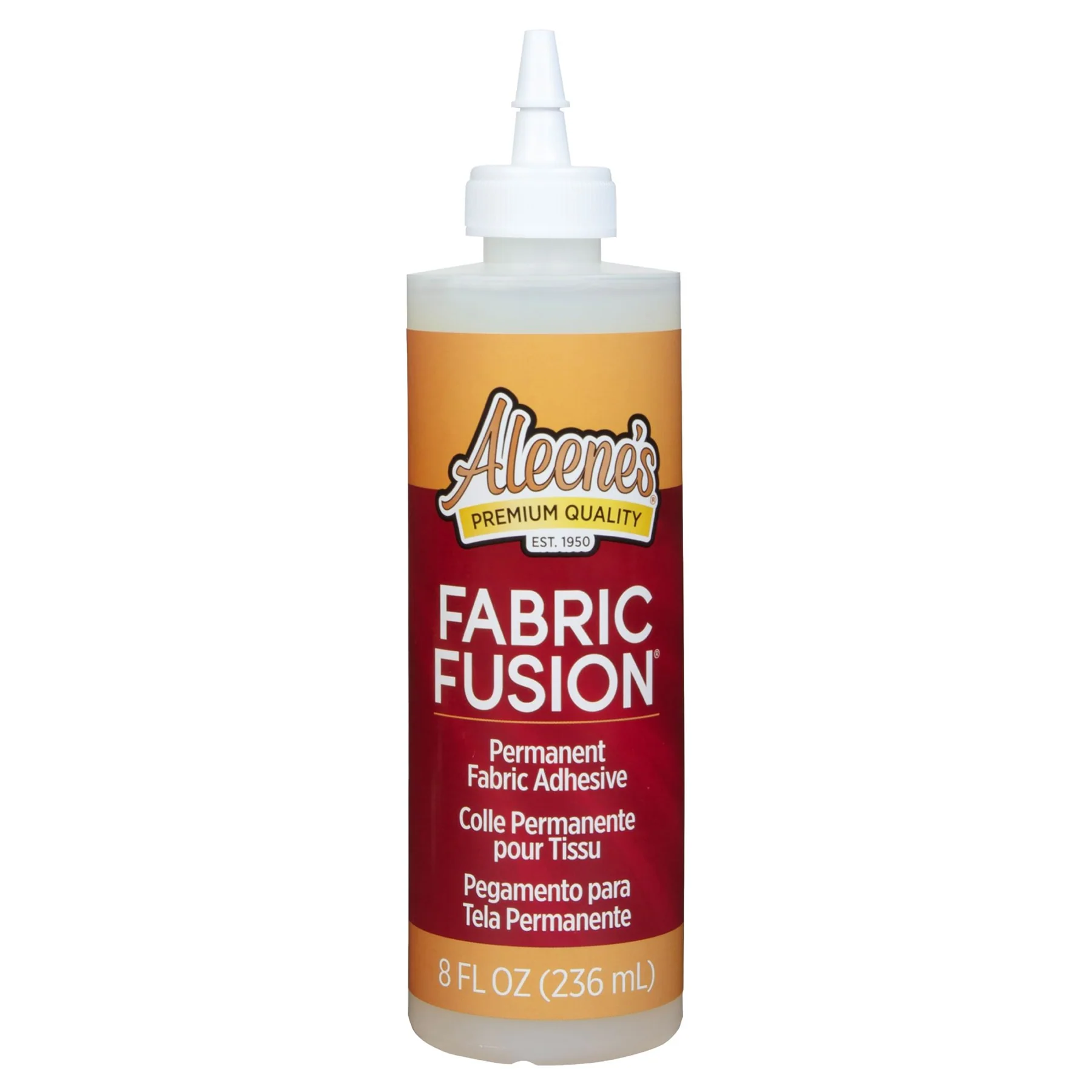
Professional-grade permanent fabric adhesive creating strong bonds between fabrics and embellishments with clear-drying formula that maintains flexibility after washing. This nontoxic, low-odor adhesive applies cleanly and remains machine washable after curing, making it ideal for both functional repairs and decorative craft applications on various textile types. The ultra-flexible formula moves with fabric preventing stiffness while providing lasting hold through wear and laundering cycles.
- Permanent fabric bonding
- Dries completely clear
- Machine washable after curing
- Stays flexible when dry
- Nontoxic low-odor formula
- Works on multiple fabric types
- Easy soap and water cleanup
- Professional craft quality
Beacon Fabri-Tac Permanent Fabric Adhesive
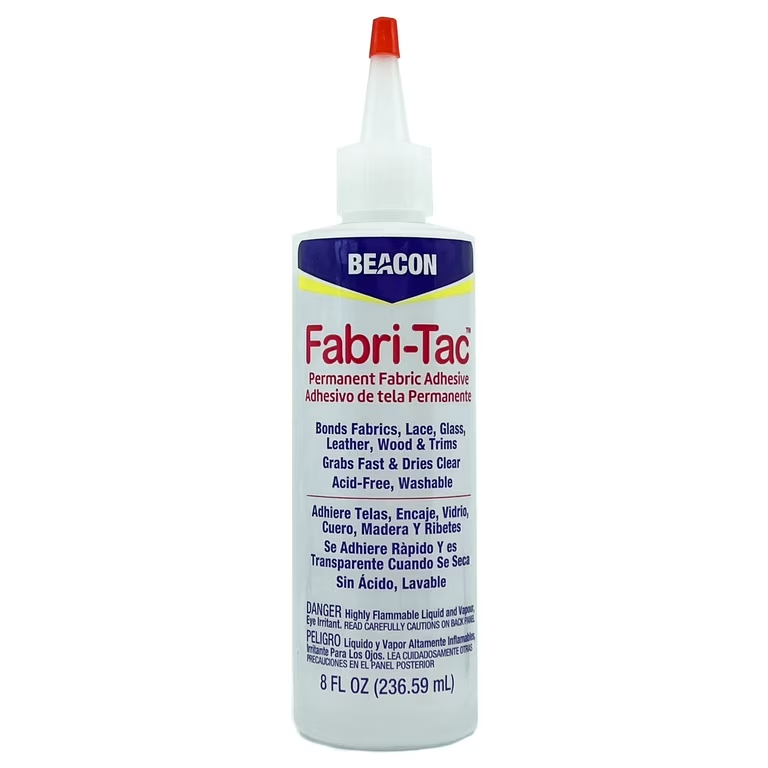
Heavy-duty permanent fabric adhesive featuring quick-dry formula that bonds various textile types with washable, waterproof, and weatherproof properties. This industrial-strength glue provides UVA resistance and flexibility when dry, making it perfect for outdoor fabric projects, upholstery repairs, and applications requiring maximum durability. The acid-free, lignin-free formula ensures long-term bond integrity without yellowing or fiber degradation over time.
- Quick-dry permanent bond
- Washable and waterproof
- UVA resistant formula
- Weatherproof for outdoor use
- Flexible when dry
- Acid and lignin free
- Industrial strength hold
- 8 fl oz professional size
Proper Application Techniques
Achieving professional results with fabric glue requires proper surface preparation and application methods. Following recommended procedures ensures maximum bond strength and longevity across all fabric types.
Surface Preparation
Pre-wash fabrics before gluing to remove sizing, oils, or manufacturing residues that interfere with adhesion. Allow materials to dry completely as moisture prevents proper bonding and extends curing time significantly.
Mark bonding areas precisely using fabric chalk or fabric pencil ensuring accurate placement. Clean marks away after glue dries to maintain professional appearance without visible guidelines.
Adhesive Application
Apply thin, even layers of glue using precision tools like fine-tip applicators for small areas or disposable brushes for larger surfaces. Excessive adhesive creates stiff spots, extends drying time, and may soak through fabrics causing visible staining.
Work in small sections rather than applying glue to entire surfaces at once preventing premature drying. Follow manufacturer recommendations for tack time before joining surfaces as this varies significantly between formulations.
Position materials precisely before contact as repositioning may damage fibers or compromise bond quality. Use fabric clips to hold pieces in alignment without disturbing wet adhesive during initial setting.
Curing and Finishing
Apply firm, even pressure across bonded areas using weights, clamps, or hand pressure maintaining contact during initial setting period. Uneven pressure creates weak spots that fail prematurely under stress.
Allow complete curing time specified by manufacturer before stressing bonds or exposing to moisture. Most fabric adhesives require 24-72 hours to reach maximum strength though surface drying occurs much faster.
Working with Different Fabric Types
Different textile materials require adjusted techniques and sometimes specialized adhesive formulations. Understanding material-specific considerations prevents bond failures and fabric damage.
Cotton and Natural Fibers
Cotton, linen, and natural fiber fabrics accept most fabric adhesives readily due to absorbent fiber structures. Apply slightly more adhesive than synthetic materials require as porous fibers absorb some product during application.
Natural fabrics including character prints like Harry Potter fabric or Marvel fabric work excellently with standard formulations. Test adhesive on fabric edges first ensuring it doesn’t cause color bleeding or print damage.
Synthetic Materials
Polyester, nylon, and synthetic blends require adhesives specifically formulated for non-porous surfaces. Lightly roughen smooth synthetic areas with fine sandpaper improving adhesive grip without visible damage.
Clean synthetic fabrics thoroughly with isopropyl alcohol removing manufacturing residues that prevent proper bonding. Allow complete drying before adhesive application as moisture repels many fabric glue formulations.
Delicate and Special Fabrics
Silk, chiffon, and lace require gentle adhesives specifically marketed for delicate materials. Use minimal amounts applied with precision tools preventing oversaturation that creates visible stiffness or staining.
Test adhesive on inconspicuous areas or fabric scraps before applying to visible surfaces. Some glues that work beautifully on cotton may damage delicate fibers or create permanent discoloration on luxury textiles.
Common Applications and Projects
Fabric glue enables countless creative and practical projects ranging from emergency repairs to elaborate crafts. Understanding ideal applications helps you recognize when adhesive solutions outperform traditional sewing.
Clothing Repairs and Alterations
Hem loose pants or skirts quickly using fabric glue creating invisible repairs without sewing equipment. This technique works particularly well for emergency fixes or when working with materials difficult to hem traditionally.
Repair torn seams or patches using adhesive for fast, effective fixes that withstand normal wear. Reinforce high-stress areas with both glue and stitching for maximum durability in garments receiving heavy use.
Craft and Decorative Projects
Attach embellishments, appliqués, or fabric ribbon to projects using adhesive for precise placement without visible stitching. This technique creates clean, professional-looking decorative elements particularly on items where hand-sewing would be visible.
Create custom fabric accessories including headbands, hair bows, or costume elements using glue for assembly. Quick-setting formulations speed up production allowing completion of multiple pieces efficiently.
Home Textile Projects
Repair upholstery tears or reattach loose trim using heavy-duty fabric adhesive designed for furniture applications. These strong formulations handle stress from daily use without requiring professional reupholstering services.
Attach fabric to non-textile surfaces creating covered storage boxes, fabric-wrapped furniture, or mixed-media art pieces. Specialized adhesives bond textiles to wood, plastic, or metal surfaces where sewing proves impossible.
Pro Tip: Always allow fabric glue to cure for at least 72 hours before washing, regardless of manufacturer’s minimum recommendation. This extended curing time ensures maximum bond strength and prevents premature failure during first laundry cycle.
Fabric Glue vs Traditional Sewing
Understanding when fabric glue outperforms sewing and when traditional stitching remains superior helps you choose the right technique for each project. Both methods offer distinct advantages for different applications.
When Fabric Glue Excels
Quick repairs requiring minimal time investment benefit from adhesive application over thread. Emergency hem fixes, temporary alterations, or situations where immediate results are needed make glue the practical choice.
Projects involving materials that resist needle penetration including leather, thick canvas, or multiple heavy layers often work better with strong adhesives. Specialty glues penetrate and bond these challenging materials without the mechanical stress of needle holes.
Decorative applications requiring invisible attachment like appliqués or trims benefit from glue’s clean finish. Adhesive eliminates visible stitching lines maintaining smooth surfaces particularly important for detailed craft work.
When Sewing Works Better
High-stress seams in garments including crotch areas, shoulder seams, or elbow joints require the mechanical reinforcement that stitching provides. Thread connections distribute stress more effectively than chemical bonds in these critical areas.
Projects requiring future alterations or adjustments benefit from removable stitching over permanent adhesive bonds. Sewn seams allow modifications without fabric damage unlike glued connections that may tear fibers during removal.
Combining Both Methods
Many professional sewers use hybrid approaches employing glue for positioning elements before stitching. This technique eliminates pinning, speeds up assembly, and ensures precise placement particularly for complex projects with multiple components.
Reinforce critical adhesive bonds with supplemental stitching providing both chemical and mechanical fastening. This redundant approach delivers maximum durability for items receiving heavy use or stress.
Washing and Care Considerations
Proper laundering extends the life of fabric glue bonds maintaining integrity through multiple wash cycles. Following recommended care practices prevents premature bond failure.
Pre-Wash Preparation
Wait minimum 72 hours after adhesive application before first washing allowing complete chemical curing. Incomplete curing causes bonds to fail immediately when exposed to water and agitation.
Turn items inside-out before washing protecting glued areas from direct agitation and friction. This simple step significantly reduces mechanical stress on adhesive bonds during wash cycles.
Washing Guidelines
Use cold or cool water temperatures when washing glued items as heat can soften some adhesives. Select gentle cycles with minimal agitation extending bond life through reduced mechanical stress.
Avoid harsh detergents or bleach products that may chemically attack adhesive compounds. Choose mild detergents specifically formulated for delicate fabrics when washing items with glued components.
Air dry glued items when possible as high dryer heat may affect adhesive flexibility. If machine drying becomes necessary, use low heat settings and remove items promptly when dry.
Long-Term Maintenance
Inspect glued areas periodically for signs of loosening or degradation. Early detection allows repairs before complete bond failure requiring more extensive rework.
Avoid dry cleaning unless your specific adhesive explicitly states dry-clean safe. The solvents used in professional cleaning often dissolve fabric adhesives causing catastrophic bond failure.
Troubleshooting Common Problems
Even with careful application, fabric glue issues sometimes arise. Understanding how to diagnose and fix common problems saves projects from failure.
Preventing Stiffness
Excessive adhesive application creates stiff, uncomfortable areas in fabrics. Apply thin, even layers using minimal product to maintain fabric flexibility and drape.
Choose adhesives specifically formulated for flexibility if working on garments or items requiring movement. Some fabric glues dry more rigid than others making formulation selection critical for wearable projects.
Avoiding Visible Staining
Adhesive bleeding through fabric creates visible staining particularly on thin or light-colored materials. Apply sparingly and test on scraps before working on finished projects.
Use precision applicators controlling exactly where glue goes preventing oversaturation. Place parchment paper or silicone sheets beneath application areas protecting against bleed-through to underlying surfaces.
Fixing Failed Bonds
Bonds failing prematurely often indicate insufficient curing time, incompatible materials, or improper surface preparation. Clean surfaces thoroughly, remove old adhesive residue, and reapply following all manufacturer recommendations exactly.
Reinforce repaired areas with supplemental stitching when possible providing redundant fastening. This hybrid approach delivers maximum durability particularly for previously failed bonds.
Specialized Fabric Adhesive Types
Beyond general-purpose fabric glues, specialized formulations address specific challenges and applications. Understanding these options expands your problem-solving capabilities.
Heavy-Duty Adhesives
Industrial-strength fabric glues handle thick materials, outdoor applications, and load-bearing connections. These powerful formulations rival or exceed sewing strength for many heavy-duty projects.
Look for products specifically marketing heavy-duty or industrial applications when working with upholstery, outdoor fabric, or projects requiring maximum strength. These specialized adhesives justify higher costs through superior performance.
Outdoor and Waterproof Formulas
Marine-grade and outdoor fabric adhesives withstand moisture, UV exposure, and temperature fluctuations. These specialized products maintain integrity through challenging environmental conditions that destroy standard formulations.
Choose waterproof rather than merely water-resistant adhesives for genuine outdoor durability. True waterproof formulations maintain bonds even under prolonged moisture exposure unlike resistant varieties that eventually fail.
Quick-Dry Options
Fast-setting fabric adhesives reduce waiting time between application and use. These convenient formulations work ideally for projects requiring rapid completion or when working in production environments.
Remember that quick surface drying differs from complete curing. Even fast-setting adhesives benefit from extended curing time before exposure to stress or washing.
Essential Tools and Supplies
Having proper tools and supplies alongside quality fabric glue ensures successful project completion. Building a complete adhesive toolkit improves results across all applications.
Application Tools
Precision applicators including fine-tip bottles, syringes, or toothpicks control adhesive placement for detailed work. Disposable brushes spread glue evenly across larger surfaces without waste.
Keep parchment paper or silicone mats protecting work surfaces from adhesive spills. These non-stick materials prevent permanent damage to tables and allow easy cleanup.
Clamping and Pressing Tools
Heavy books, weights, or specialized clamps maintain pressure during initial adhesive setting. Proper pressure ensures complete contact between bonded surfaces maximizing strength.
Use clothespins, binder clips, or fabric clips securing irregular shapes that can’t lay flat during curing. These versatile tools adapt to various project geometries.
Complementary Supplies
Quality fabric scissors prepare materials with clean edges for precise gluing. A fabric iron applies fusible interfacing or heat-activated tapes when needed.
Stock marking tools, cleaning supplies, and various adhesive types ensuring you have appropriate options for different projects. Building comprehensive supply inventory prevents project delays when specific materials are needed.
Frequently Asked Questions
Fabric glue permanence depends on the specific formulation, with products labeled “permanent” creating lasting bonds designed to withstand washing and wear for years. However, even permanent fabric adhesives may eventually degrade under certain conditions including repeated hot water washing, exposure to harsh detergents, or dry cleaning solvents. Most quality permanent fabric glues maintain integrity through dozens of wash cycles when properly applied and fully cured before first laundering, though traditional sewing still offers superior longevity for critical applications.
Yes, most fabric glues labeled as washable can withstand machine washing after complete curing, though specific care requirements vary by product. Always wait at least 72 hours after application before first washing regardless of manufacturer’s minimum recommendation, ensuring full chemical bonding occurs. Use cold or cool water with gentle cycles and mild detergents to extend adhesive bond life, and air dry when possible as high heat may affect some formulations. Turn items inside-out before washing to protect glued areas from direct agitation, and avoid dry cleaning unless your specific adhesive explicitly states dry-clean safety.
Fabric glue drying time varies significantly between formulations, with initial surface drying occurring anywhere from 30 seconds to 20 minutes depending on the product. However, complete curing to maximum bond strength requires much longer, typically 24-72 hours for most fabric adhesives. Quick-dry formulations may feel dry to touch within minutes but still require extended curing time before achieving full strength. Environmental factors including temperature, humidity, and fabric thickness also affect drying rates, with warm, dry conditions speeding the process while cold or humid environments extend it considerably.
Fabric glue can replace sewing for many applications including hems, appliqués, and quick repairs, though it has limitations compared to traditional stitching in high-stress areas. Modern high-quality fabric adhesives provide comparable strength to thread for low-stress applications, decorative projects, and working with materials that resist needle penetration. However, garment areas receiving significant stress like crotch seams or shoulder seams typically require the mechanical reinforcement that sewing provides, as even strong adhesives eventually break down faster than quality stitching in these critical locations.
Fabric glue works on most textile materials though specific formulations vary in effectiveness across different fabric types. Natural fibers including cotton, linen, and wool accept most fabric adhesives readily due to their absorbent structures, while synthetic materials like polyester or nylon require adhesives specifically formulated for non-porous surfaces. Delicate fabrics including silk or chiffon need gentle formulations to avoid fiber damage, and heavily treated or waterproof materials may resist adhesive bonding entirely. Always test adhesive on fabric scraps or inconspicuous areas first to ensure compatibility before applying to visible project surfaces.
Removing fabric glue depends on whether it’s uncured or fully dried, with fresh adhesive being much easier to eliminate. For uncured glue, blot immediately with dry cloth followed by cold water for water-based formulas or appropriate solvents for other types. For dried fabric glue, try freezing the area to make adhesive brittle, then carefully flaking it off, or use specialized adhesive removers designed for textiles after testing on inconspicuous areas. Some stubborn adhesive residue may respond to gentle rubbing with isopropyl alcohol or mild dish soap solutions, though aggressive removal attempts risk damaging delicate fabrics more than the original adhesive.
Many fabric glues offer child-safe formulations specifically designed for school and craft projects with nontoxic, low-odor chemistry. These products typically use water-based formulations eliminating harsh solvents found in industrial-strength varieties, though they may sacrifice some bonding power for safety. Always supervise children using any adhesive product and ensure adequate ventilation even with nontoxic formulas. Check product labels for age recommendations and safety certifications, and choose washable varieties for items children might put in their mouths, as most fabric glues are considered safe after complete curing but should be kept away from children during application.
Related Resources
- Fabric Scissors – Precision cutting tools
- Fabric Clips – Holding and positioning
- Fabric Chalk – Marking placement
- Fabric Pencil – Precise marking
- Fabric Iron – Heat application
- Fabric Adhesive – Related products
- Fabric Ribbon – Decorative elements
- Canvas Fabric – Heavy materials
- Outdoor Fabric – Weather-resistant projects
- Vinyl Fabric – Specialty materials
- Harry Potter Fabric – Character prints
- Marvel Fabric – Licensed textiles
- Fabric Bags – Project ideas
- Sewing Machines – Complementary equipment
Bond Fabrics Without Sewing
Fabric glue provides accessible solutions for textile projects, repairs, and crafts requiring permanent or temporary bonds without needle and thread. These specialized adhesives maintain flexibility while offering strength comparable to stitching for many applications, making them essential tools for both experienced crafters and beginners.
Understanding adhesive types, proper application techniques, and material compatibility ensures professional results across countless projects. Whether repairing clothing, creating crafts, or assembling complex textile projects, quality fabric glue delivers lasting bonds that withstand daily use and washing when properly selected and applied.
Start your fabric bonding projects with appropriate adhesive formulations, proper preparation tools, and quality positioning supplies to achieve results that look professionally crafted while saving time and eliminating the need for advanced sewing skills.