
Fabric Edge Trim: Complete Guide to Types, Application, and Creative Uses
Bias Tape, Lace, Piping, Ribbons, and Specialty Trims for Professional Finishing
Fabric edge trim transforms ordinary sewing projects into professional-quality creations by finishing raw edges while adding decorative details that elevate any textile work. These versatile embellishments serve dual purposes providing both functional edge protection against fraying and aesthetic enhancement that defines your project’s character and style.
Understanding trim varieties and proper application methods ensures successful results whether you’re binding quilts, finishing garment hems, or adding decorative accents to home décor items. The right trim choice combined with correct installation techniques creates durable, beautiful finishes that withstand years of use.
Essential Types of Fabric Edge Trim
Fabric edge trims encompass numerous varieties each suited to specific applications based on material, style, and functional requirements. Selecting appropriate trim types ensures optimal results for your particular project needs.
Bias Tape and Binding
Bias tape cut at 45-degree angles to fabric grain offers exceptional flexibility for curved edges including necklines and armholes. Single-fold bias tape works for enclosed seams while double-fold varieties excel at binding exposed edges creating clean finished appearances.
The diagonal cutting allows bias tape to stretch slightly around curves without puckering or pulling, making it invaluable for garment construction. Available in cotton, satin, and various finishes, bias tape comes in every color imaginable for perfect project matching.
Lace and Crochet Trims
Delicate lace trims add romantic vintage charm to linens, undergarments, and special occasion clothing with patterns ranging from simple narrow designs to elaborate wide varieties. Crochet trims offer handcrafted appeal perfect for bohemian-inspired projects requiring textured finishing details.
These decorative options work beautifully on fabric bags, curtains, and clothing where feminine detailing enhances overall aesthetic. Quality lace withstands washing when properly secured though delicate varieties require gentle care.
Ribbons and Grosgrain
Ribbons provide limitless decorative possibilities with countless widths, colors, and patterns available for various project applications. Satin ribbons add luxury while grosgrain offers durability through its distinctive ribbed texture that resists fraying better than smooth alternatives.
These versatile trims work equally well on clothing, accessories, and home décor projects requiring colorful accents. Use fabric ribbon for everything from gift wrapping to garment embellishment creating cohesive design elements.
Specialty Trim Varieties
Beyond basic binding and decorative trims, specialty varieties serve specific functional and aesthetic purposes across various project types. Understanding these options expands creative possibilities significantly.
Piping and Cording
Piping creates distinctive definition with its cord-filled channel emphasizing seams and edges while adding structural support. Available in covered or uncovered varieties, piping appears frequently in upholstery, cushions, and tailored clothing where it accentuates shape and design lines.
Contrast piping transforms simple projects into professional pieces by highlighting seam placement and adding visual interest. The cord center provides subtle dimension that elevates flat seams into architectural details worth showcasing.
Fringe and Tassels
Fringe adds movement and texture ranging from subtle brush styles to dramatic knotted varieties perfect for home décor applications. Tassels and pompoms introduce whimsical elements ideal for cushions, throws, and children’s items requiring playful finishing touches.
These dimensional trims create dynamic edges that respond to movement making them particularly effective on items like curtains and table linens. Consider scale carefully ensuring fringe proportions complement rather than overwhelm your project.
Metallic and Beaded Trims
Metallic braids, sequined strips, and beaded edges provide glamorous statement finishing for special occasion items and holiday décor. These embellished trims transform ordinary textiles into extraordinary creations worthy of celebration and display.
Use metallic trims sparingly as accent elements or boldly as primary features depending on desired effect. Their reflective properties catch light beautifully adding sparkle and visual interest to any project they adorn.
BEL AVENIR Polyester Braid Trim
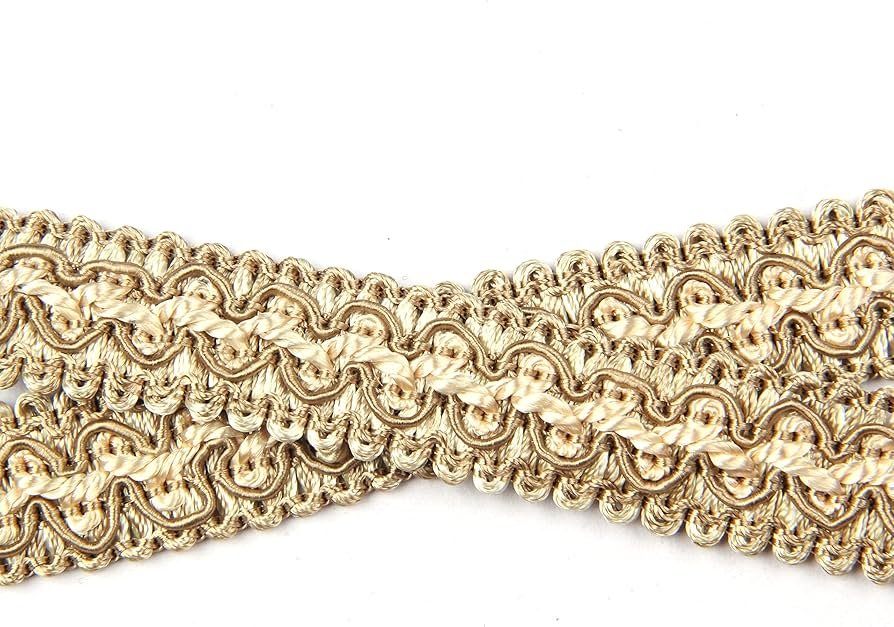
Premium polyester braid trim featuring 13.6 yards of half-inch width French gimp perfect for sewing, DIY crafts, costumes, and home decorative applications. The high-quality polyester construction ensures smooth texture and exceptional durability through repeated use and washing cycles. Available in multiple popular colors including green, this versatile trim works beautifully on various fabric weights from lightweight cotton to medium canvas providing professional finishing for countless project types.
- 13.6 yards total length
- Half-inch width measurement
- High-quality polyester material
- Smooth and durable construction
- Multiple color options
- Suitable for various fabrics
- French gimp styling
ilauke Vintage Lace Ribbon Trim Set
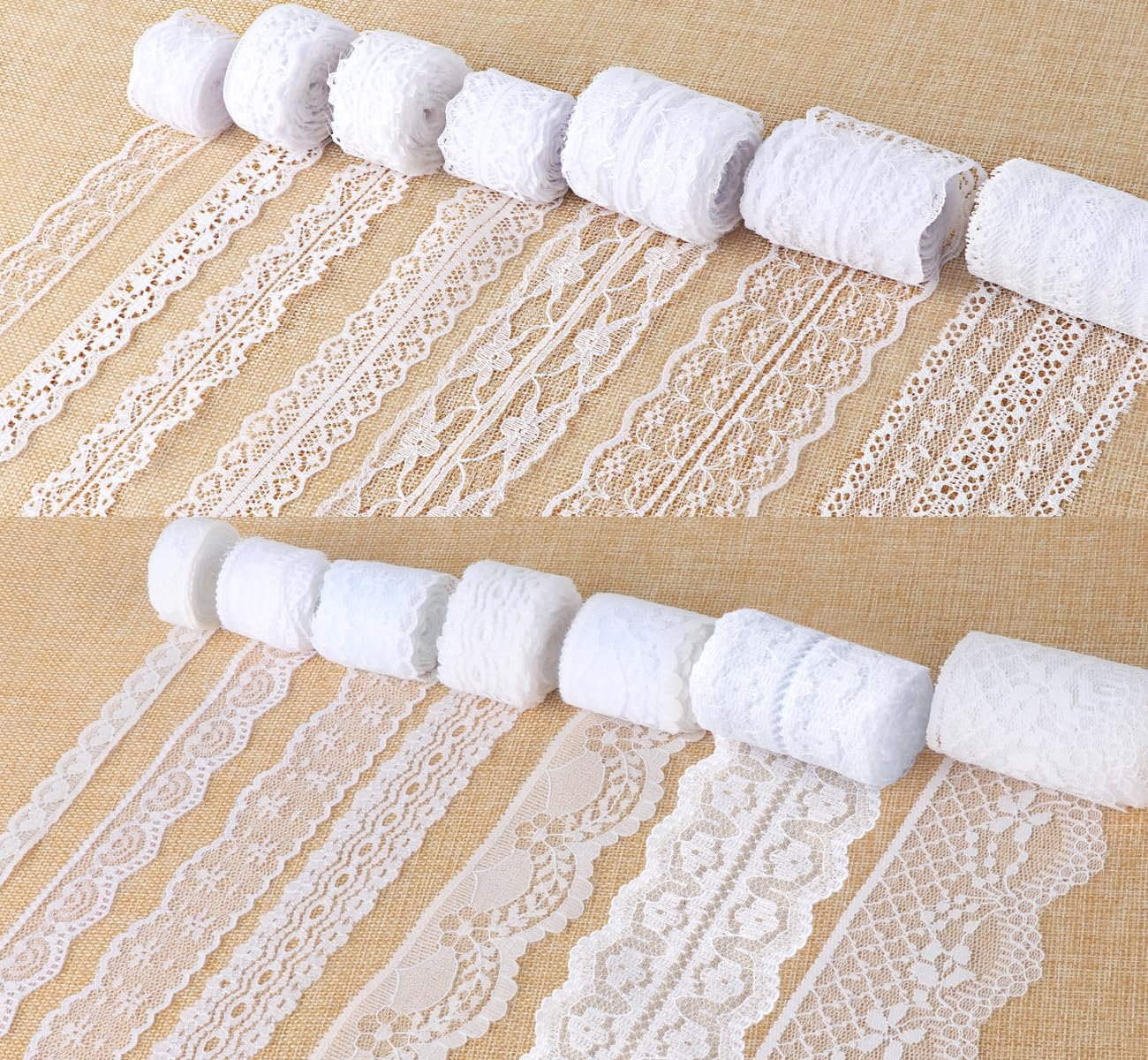
Comprehensive 14-roll vintage lace trim collection totaling 46 yards in assorted widths ranging from 0.6 to 2.1 inches with various patterns perfect for sewing, crafts, and wedding décor applications. Each roll contains 3.28 yards providing substantial length for multiple projects while the white color coordinates universally with any fabric palette. The assorted pattern selection includes different lace styles from delicate narrow varieties to substantial wider options ensuring appropriate choices for diverse project requirements from clothing embellishment to home décor finishing.
- 46 total yards included
- 14 individual rolls
- Widths from 0.6 to 2.1 inches
- Assorted lace patterns
- 3.28 yards per roll
- Classic white color
- Vintage styling
- Multiple project uses
Applying Fabric Edge Trim Correctly
Proper application techniques ensure professional results whether using machine sewing, hand stitching, or no-sew methods. Understanding correct procedures prevents common problems and produces durable finishes.
Machine Sewing Application
Press fabric and trim before beginning ensuring smooth application without wrinkles or puckering. For bias tape, unfold one side completely then align trim right side against fabric wrong side matching raw edges precisely.
Sew along the first fold line maintaining consistent seam allowance throughout. Wrap trim over raw edge to fabric right side then stitch close to trim edge securing all layers together creating clean professional finish.
Use appropriate presser feet including piping feet or binding feet that guide trim placement ensuring even stitching distances. These specialized tools dramatically improve results compared to standard presser feet particularly for beginners.
Hand Sewing Techniques
Hand sewing edge trim offers precision control particularly valuable for delicate fabrics, visible finishing, or heirloom projects requiring meticulous work. Secure trim temporarily with pins or basting stitches before permanent attachment.
Use whipstitch for encasing raw edges creating secure attachment that withstands use and washing. Slip stitch produces invisible finishes when folding trim to opposite fabric side hiding stitches completely within folded layers.
Consider decorative hand embroidery stitches for truly unique results that showcase craftsmanship. These traditional techniques add character impossible to replicate with machine sewing creating heirloom-quality pieces.
No-Sew Attachment Methods
Fusible bonding tape activated by heat creates permanent bonds between trim and fabric ideal for quick projects or non-sewers. Follow manufacturer instructions regarding temperature and pressing time ensuring proper adhesion without scorching.
Specialized fabric glues work well for many trim types particularly on items that won’t require frequent washing. Iron-on trims featuring pre-applied adhesive backing simplify application requiring only heat and pressure for secure attachment.
While convenient, no-sew methods generally provide less durability than stitched applications making them better suited for decorative purposes. Items requiring regular laundering benefit from traditional sewn attachment ensuring trim remains secure through repeated washing cycles.
Working With Different Trim Applications
Different project types require specific considerations when applying edge trim ensuring optimal functionality and appearance. Understanding application-specific techniques prevents common mistakes.
Upholstery Edge Finishing
Upholstery projects demand durable trims withstanding significant wear while providing visual interest and professional appearance. Piping creates definition between sections reinforcing seams that experience constant stress from use.
Decorative gimp conceals staples and creates clean lines on furniture edges where fabric meets wood frames. Select heavyweight cotton, polyester, or blended materials for upholstery applications ensuring trims withstand years of use without deteriorating.
For outdoor furniture, UV-resistant trims prevent fading and degradation from sun exposure. Choose outdoor fabric compatible trims maintaining color and strength through weather exposure.
Garment Trim Details
Clothing applications require trim selections considering both aesthetics and comfort ensuring garments remain wearable beyond initial creation. Bias binding finishes hems and necklines cleanly while adding contrasting color accents that personalize basic garments.
Lace or crochet trims add romantic details to sleeves, collars, and hem edges transforming simple designs into special pieces. Always consider comfort avoiding scratchy trims near skin that make otherwise beautiful garments unwearable.
Pre-wash trims before application when working with fabrics requiring regular laundering preventing differential shrinkage. Use fabric scissors for clean cutting avoiding frayed edges that complicate application.
Quilting Borders and Binding
Quilt binding represents the classic finishing method typically cut on bias for flexibility around corners. Double-fold binding encases raw quilt edges protecting them from wear while framing pieced or appliquéd work beautifully.
Prairie points create playful dimensional borders using folded fabric triangles arranged along quilt edges. Scalloped edge trims produce soft undulating borders particularly charming on baby quilts and feminine designs.
Hand-stitched binding creates impeccable finishes though requiring significant time investment compared to machine methods. The meditative process produces results worth extra effort for special heirloom pieces.
Pro Tip: Always pre-wash trims before applying to projects that will be laundered regularly. This crucial step prevents differential shrinkage between trim and fabric that causes puckering and distortion after washing.
Solving Common Trim Application Problems
Understanding how to address typical trim installation challenges saves projects from failure and builds confidence in application skills. Most issues have straightforward solutions when identified early.
Managing Curved Edges
Curves present significant challenges when applying edge trim requiring special techniques for smooth professional results. Use bias tape or stretch trims specifically designed for curved applications ensuring flexibility around circles and curves.
For non-stretch trims, make small clips along inner edges being careful not to cut through stitching lines. Pin extensively before sewing easing trim around curves gradually while maintaining even distribution.
Sew slowly around curves adjusting fabric positioning constantly preventing puckering or gathering. Rushing curved applications invariably produces poor results requiring removal and reapplication consuming time and materials unnecessarily.
Preventing Fraying Damage
Secure trim ends properly preventing fraying that compromises both appearance and durability over time. Apply fray-check solution to cut ends before attaching creating invisible barriers against unraveling.
For ribbon and similar trims, fold under raw ends before stitching concealing cut edges within finished work. Secure endpoints with backstitching or extra stitches ensuring they withstand stress without pulling loose.
Synthetic trim ends can be carefully melted using heat sources like lighters though always test on scraps first. This technique seals fiber ends preventing fraying without bulky folded finishes.
Selecting Appropriate Widths
Trim width dramatically affects final project appearance requiring thoughtful selection based on scale and viewing distance. Narrow trims measuring quarter to half-inch suit delicate items, children’s clothing, and subtle accent applications.
Medium widths ranging three-quarters to one inch work versatilely for most applications from clothing to home décor projects. Wide trims measuring one-and-a-half inches and above make bold statements on larger items like curtains and bedspreads.
Consider project scale carefully ensuring trim proportions complement rather than overwhelm finished pieces. Too-narrow trims disappear on large items while excessive width overwhelms small delicate work.
Caring for Trimmed Items
Proper maintenance extends the life of edge trims ensuring they remain beautiful through years of use and washing. Following recommended care practices prevents premature deterioration requiring replacement or repair.
Washing Considerations
Check trim compatibility with base fabric care requirements ensuring both can withstand identical cleaning methods. Pre-wash trims that might shrink before application preventing differential shrinkage after project completion.
Use mesh laundry bags and gentle wash cycles for items featuring delicate trims protecting dimensional elements from excessive agitation. Turn garments inside-out before washing shielding surface trims from direct friction with other items.
Air-drying often preserves trims better than machine drying particularly for decorative varieties featuring beads, sequins, or delicate laces. If machine drying becomes necessary, use low heat settings removing items promptly when dry.
Pressing and Storage
Use pressing cloths when ironing embellished areas protecting dimensional trims from direct heat contact. Steam settings work well for most trim types though always test on inconspicuous areas first preventing heat damage.
Store trimmed items flat or loosely folded avoiding creases through trim areas that may weaken attachment points over time. Hanging storage works well for garments though pad hangers preventing stress at shoulder seams where trims often appear.
Creative Trim Combinations
Experimenting with trim combinations creates unique effects impossible with single trim applications. Layering multiple trims produces dimensional results that elevate simple projects into statement pieces.
Layering Techniques
Combine multiple trim widths applying each slightly offset from others creating visual depth and interest. Start with widest trim as foundation layer then add progressively narrower varieties building dimensional borders.
Mix material types pairing smooth ribbons with textured laces or combining matte and metallic finishes. These contrasts create sophisticated effects that appear complex though remaining surprisingly simple to execute with proper planning.
Color Coordination
Use unexpected color combinations for modern eye-catching results that break traditional matching rules. Contrasting trim colors against base fabrics create bold statements while coordinating tones produce subtle elegant finishes.
Consider working with character fabrics like Harry Potter fabric or Marvel fabric selecting trim colors that complement without competing with printed designs. Strategic trim placement preserves key design elements while adding finishing details.
Essential Tools for Trim Work
Having appropriate tools simplifies trim application significantly producing better results with less frustration. Investing in quality equipment pays dividends through improved outcomes and enjoyable working experiences.
Cutting and Marking Tools
Sharp dedicated fabric scissors ensure clean trim cuts without fraying edges. Reserve these exclusively for fabric preventing dulling from paper or other materials that compromise cutting performance.
Use fabric chalk or fabric pencil for marking trim placement ensuring accurate positioning before permanent attachment. These temporary markers wash away cleanly without leaving permanent traces.
Application Equipment
Quality pins or fabric clips hold trim securely during application without distorting materials. Choose fine pins for delicate fabrics preventing large holes that remain visible after removal.
A reliable fabric iron creates crisp folds essential for professional bias tape application. Bias tape makers transform fabric strips into perfectly folded binding though requiring practice for consistent results.
Specialized presser feet including piping, edge-stitch, and binding varieties dramatically simplify machine application. These attachments guide trim placement ensuring even stitching that appears professionally finished.
Sourcing Quality Edge Trims
Finding perfect trims sometimes proves as rewarding as project creation itself with numerous sources offering various quality levels and price points. Knowing where to look expands options significantly.
Retail and Online Options
Fabric and craft stores carry basic trim selections suitable for most home sewing applications allowing hands-on examination before purchase. Online retailers provide broader selections with customer reviews guiding decisions about performance and quality.
Watch for sales during events like holiday shopping periods to stock trim supplies at reduced prices. Building inventory during sales makes quality products more affordable for budget-conscious crafters.
Specialty Sources
Vintage sources including estate sales and antique stores often yield unique high-quality trims unavailable through modern channels. These treasures add character and authenticity to historical reproductions or heirloom projects requiring period-appropriate materials.
Global marketplaces connecting artisans worldwide offer traditional trims from different cultures providing authentic ethnic details. These unique options create distinctive projects impossible to replicate with standard commercial trims.
DIY Trim Creation
Creating custom bias tape from project fabrics ensures perfect matching when commercial options fall short. Bias tape makers simplify this process producing consistently folded binding from fabric strips cut on the bias.
Consider upcycling trims salvaged from vintage items for sustainable unique embellishments. Carefully removed laces and ribbons from outdated garments provide free high-quality materials while reducing textile waste.
Frequently Asked Questions
Fabric edge trim serves both functional and decorative purposes finishing raw fabric edges to prevent fraying while adding visual interest to projects. It appears on clothing hems, necklines, and sleeves providing reinforcement and color accents. Home décor applications include pillowcases, curtains, tablecloths, and upholstery where trims create clean lines and personality. Quilting uses edge trims for borders and binding that frame handiwork while protecting edges from wear. The versatility allows endless creative possibilities tying together color schemes or becoming statement elements defining project character.
Yes, fabric edge trim can absolutely be sewn by hand offering precision and control sometimes preferable for delicate fabrics or visible finishing work. Secure trim temporarily with pins or basting stitches then use whipstitch for encasing raw edges creating secure attachment. Slip stitch produces invisible finishes when folding trim to opposite fabric sides while decorative hand embroidery creates truly unique results. Hand sewing proves particularly valuable for heirloom projects or historical garments where machine stitching would be inappropriate providing meticulous craftsmanship impossible to replicate mechanically.
The best fabric edge trim for upholstery combines durability with appropriate styling including piping that creates definition between sections while reinforcing seams experiencing constant stress. Heavyweight cotton, polyester, or blended piping stands up to use while complementing various upholstery fabrics beautifully. Decorative gimp hides staples creating clean lines on furniture edges where fabric meets frames. For outdoor furniture, UV-resistant options prevent fading and deterioration from sun exposure. Choose trims matching upholstery weight ensuring appropriate strength for demanding applications that withstand years of daily use without premature failure.
Apply bias tape to curved edges by using tape cut on the bias providing natural stretch that follows curves smoothly without puckering. Pin extensively around curves before sewing easing tape gradually while maintaining even distribution along the entire edge. Make small clips along the inner edge of non-stretch tape being careful not to cut through stitching lines allowing flexibility. Sew slowly around curves constantly adjusting fabric positioning preventing gathering or pulling. The diagonal grain of bias tape allows it to stretch slightly conforming to curves naturally making it ideal for necklines, armholes, and circular edges requiring flexibility.
Most fabric edge trims can be washed though proper care ensures longevity and appearance retention through multiple cleaning cycles. Check trim compatibility with base fabric care requirements ensuring both withstand identical cleaning methods without damage. Pre-wash trims that might shrink before application preventing differential shrinkage causing puckering after project completion. Use gentle wash cycles and mesh laundry bags for items with delicate trims protecting dimensional elements from excessive agitation. Air-drying often preserves trims better than machine drying particularly for decorative varieties though low heat settings work when machine drying becomes necessary.
Select fabric edge trim width based on project scale and desired visual impact considering viewing distance and item size. Narrow trims measuring quarter to half-inch suit delicate items, children’s clothing, and subtle accent applications where understated finishing works best. Medium widths ranging three-quarters to one inch work versatilely for most applications from clothing to home décor providing noticeable definition without overwhelming. Wide trims measuring one-and-a-half inches and above make bold statements on larger projects like curtains and bedspreads where substantial trim remains visible from across rooms requiring proportional sizing for balanced appearance.
Prevent fabric edge trim fraying by applying fray-check solution to cut ends before attaching creating invisible barriers against unraveling fibers. For ribbon and similar trims, fold under raw ends before stitching concealing cut edges within finished work providing clean appearances. Secure endpoints with backstitching or extra stitches ensuring they withstand stress without pulling loose during use or washing. Synthetic trim ends can be carefully melted using controlled heat sources like lighters sealing fiber ends permanently though always test on scraps first preventing damage to visible portions. These techniques ensure trim longevity maintaining professional appearance through extended use.
Related Resources
- Fabric Ribbon – Decorative trim options
- Fabric Scissors – Precision cutting tools
- Fabric Clips – Securing materials
- Fabric Chalk – Marking placement
- Fabric Pencil – Precision marking
- Fabric Iron – Pressing and application
- Canvas Fabric – Heavy materials
- Outdoor Fabric – Weather-resistant projects
- Fabric Bags – Project applications
- Harry Potter Fabric – Character prints
- Marvel Fabric – Licensed materials
- Sewing Machines – Equipment
- Grommet Kit – Hardware installation
- Black Friday Deals – Sale opportunities
Finish Projects with Professional Trim Details
Fabric edge trim transforms ordinary sewing projects into professional-quality creations through functional edge finishing and decorative enhancement that elevates any textile work. The versatile options ranging from practical bias tape to elegant lace provide solutions for every project type and aesthetic preference.
Understanding trim varieties and proper application techniques ensures successful results whether binding quilts, finishing garment hems, or adding decorative accents to home décor items. Quality trim selection combined with correct installation methods creates durable, beautiful finishes withstanding years of use.
Start your trim projects with quality materials, appropriate cutting tools, and proper securing equipment to achieve professional results showcasing expert craftsmanship and attention to detail that transforms handmade items into heirloom pieces worth treasuring.