
Fabric Tape Measure: Complete Guide to Choosing and Using Sewing Tape Measures
Flexible, Double-Sided, and Retractable Measuring Tapes for Body, Fabric, Sewing, and Tailoring Projects
Fabric tape measures provide essential flexibility for accurate measurements in sewing, tailoring, and body measuring applications where rigid rulers fail. These specialized tools conform to curves without distorting dimensions, making them indispensable for garment construction and alterations.
Understanding how fabric tape measures differ from construction tapes and selecting quality options ensures professional results in every project. The right measuring tool transforms challenging curved measurements into simple tasks while maintaining accuracy crucial for perfect garment fit.
What Makes Fabric Tape Measures Different
Fabric tape measures feature flexible materials designed specifically for textile applications and body measurements unlike rigid metal construction tapes. The soft, conforming construction wraps around curves maintaining accuracy impossible with straight measuring tools.
These specialized measuring tools typically display dual measurements with inches on one side and centimeters on the reverse enabling seamless conversion. Most measure 60 inches or 150 centimeters in length, providing adequate reach for body and fabric measurements while remaining manageable during use.
Key Design Features
Quality fabric tape measures incorporate fiberglass reinforcement preventing stretching that compromises accuracy over time. The reinforced core maintains dimensional stability through repeated flexing while the smooth exterior prevents snagging delicate materials.
Double-sided printing with high-contrast numerals ensures easy reading in various lighting conditions critical for precision work. Reinforced edges resist fraying extending tool lifespan significantly beyond non-reinforced alternatives.
Material Composition
Modern fabric tapes utilize vinyl-coated fiberglass or synthetic polymers offering water resistance and durability superior to traditional cloth options. These materials provide flexibility for curved measurements while resisting the stretching and shrinking that plagued older cloth versions.
Premium options feature multi-layered construction combining fiberglass cores with protective coatings for optimal performance. This engineering balances flexibility with stability ensuring measurements remain accurate through years of regular use.
Choosing the Right Tape Measure Length
Standard 60-inch tape measures handle most sewing and body measurement tasks adequately for general crafting needs. This length accommodates typical body circumference measurements including bust, waist, and hips while remaining compact enough for convenient storage.
Longer 120-inch options serve quilting and large fabric measurements where extended reach proves necessary. Shorter 40-inch compact versions work well for travel sewing kits though their limited length restricts some body measurement applications.
Professional Length Requirements
Tailors often maintain multiple tape measure lengths selecting appropriate tools for specific measurement tasks. The 80-inch length serves specialized tailoring applications requiring extra reach beyond standard measurements.
Consider your primary uses when selecting tape measure length ensuring adequate coverage for intended applications. Most home sewists find 60-inch tapes sufficient while professional applications may benefit from maintaining several length options.
Soft Retractable Measuring Tape Double Scale
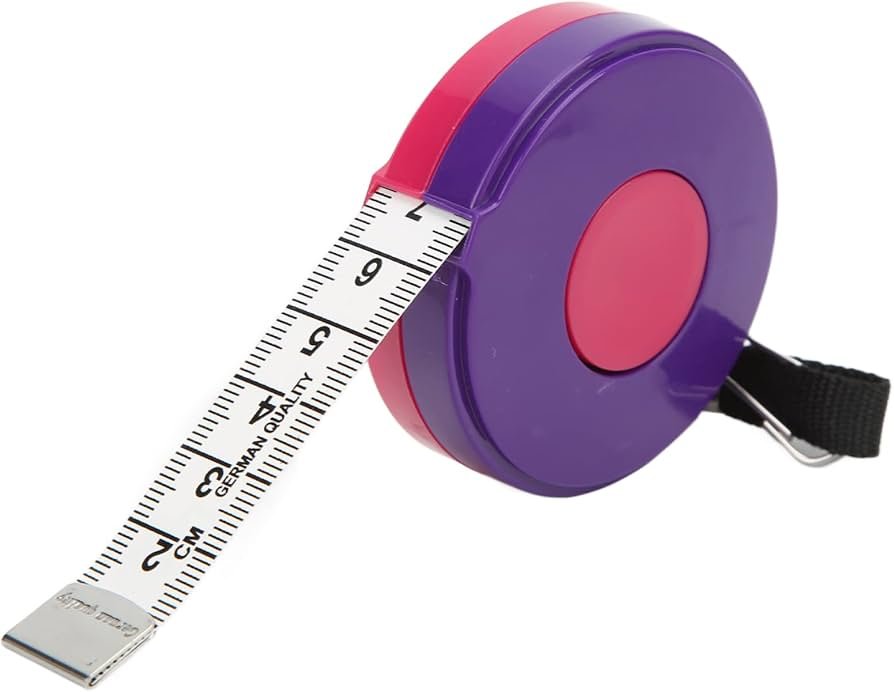
Professional retractable fabric tape measure featuring automatic push-button retraction with dual-sided scales displaying both inches and centimeters for convenient conversion. This 60-inch measuring tape combines flexibility for body and fabric measurements with convenient storage through automatic retraction eliminating tangling common with traditional rolled tapes. The large clear markings ensure easy reading in various lighting conditions while the compact 2x2x0.5 inch housing fits easily in pockets or sewing kits making it ideal for both home and professional use.
- Automatic push-button retraction
- Dual-sided inch and centimeter scales
- 60-inch/150cm measurement length
- Large clear markings for easy reading
- Compact 2x2x0.5 inch housing
- Flexible for body measurements
- Tangle-free storage design
Double-Sided Body Measuring Tape Set
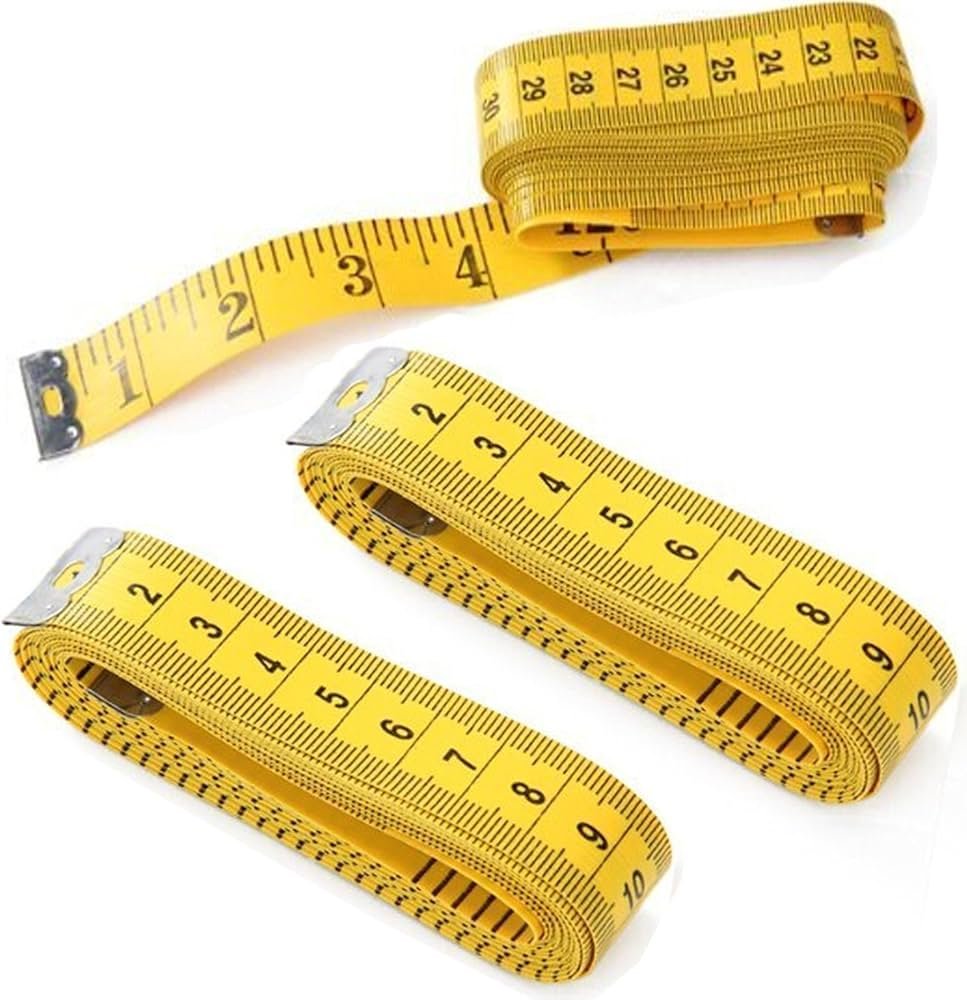
Versatile 2-pack measuring tape set featuring 60-inch double-sided design with imperial and metric measurements ideal for body, weight loss tracking, fabric, and sewing applications. These soft vinyl rulers provide accurate measurements from 0-60 inches and 0-150 centimeters with clear printing on both sides ensuring precision for sewing projects and garment construction. The portable pocket-size design includes white and blue options fitting easily in sewing kits while the durable construction withstands regular use for consistent accuracy.
- 2-pack with white and blue tapes
- Double-sided 60-inch/150cm scales
- Clear imperial and metric printing
- Soft flexible vinyl construction
- Pocket-size portable design
- Ideal for body and fabric measurements
- Durable for regular use
Accuracy and Measurement Precision
High-quality fabric tape measures provide accuracy within 1/16 inch sufficient for most sewing and tailoring applications. Manufacturing quality significantly impacts precision with premium brands maintaining stricter tolerances than budget alternatives.
Verify new tape measures against rigid rulers before first use identifying manufacturing discrepancies that could affect projects. This calibration check prevents frustrating fit issues caused by inaccurate measuring tools.
Maintaining Measurement Accuracy
Consistent tension when measuring proves crucial for reliable results with too-tight measurements compressing materials while loose tension introduces errors. Practice maintaining moderate consistent pressure developing muscle memory for repeatable accurate measurements.
Read measurements at eye level avoiding parallax errors from angled viewing that misrepresent actual dimensions. Position yourself directly above measurement points ensuring perpendicular viewing for maximum accuracy.
Stretching Concerns
Lower-quality tape measures without reinforcement stretch gradually through repeated use compromising accuracy over time. Fiberglass-reinforced options resist stretching significantly better than non-reinforced alternatives maintaining dimensional stability for years.
Compare tape measures periodically against rigid measuring standards identifying stretching before it affects project outcomes. Replace stretched tapes promptly as attempting compensation introduces too many variables compromising measurement consistency.
Proper Measuring Techniques
Position the zero mark precisely at starting points ensuring accurate measurements from the beginning. Hold tape measures with consistent tension sufficient to lie flat without distorting measured surfaces.
Keep tapes parallel to edges when measuring straight sections preventing diagonal measurements that introduce errors. For curved measurements, allow tapes to conform naturally without forcing or twisting maintaining accuracy around complex contours.
Body Measurement Best Practices
Stand naturally with good posture avoiding exaggerated positioning that produces inaccurate body measurements. Keep tape measures level during circumference measurements preventing angled positioning that skews dimensions.
Measure directly against skin when possible eliminating clothing bulk that affects accuracy for garment construction. Maintain consistent tension snug but not tight ensuring repeatable measurements for pattern sizing.
Fabric Measurement Guidelines
Mark measurement points using fabric chalk or fabric pencil ensuring accurate positioning before cutting. Use fabric clips to secure tape measures when measuring long fabric pieces preventing shifting.
For pattern work, measure on flat surfaces with fabric smoothed but not stretched avoiding distortion. Allow heavy fabrics to rest naturally without pulling when measuring preventing inaccurate dimensions from weight-induced stretching.
Maintenance and Care
Clean tape measures regularly using slightly damp cloths removing accumulated dust and thread fibers that affect readability. Avoid saturating tapes which can cause material degradation and measurement distortion.
For stubborn stains, apply mild soap solution sparingly wiping gently without excessive scrubbing. Allow tapes to dry completely before rolling preventing mildew formation that damages materials.
Proper Storage Methods
Roll tape measures loosely rather than tightly creasing which creates permanent folds affecting accuracy. Store in dedicated containers preventing tangling with sewing tools that causes wear from repeated extraction.
Keep tape measures away from direct sunlight and extreme temperatures that degrade materials over time. Protective cases shield tapes from environmental damage extending usable lifespan significantly.
Edge Protection
Apply thin lines of clear nail polish along edges when new preventing fraying that shortens tape measure life. This protective coating stops edge deterioration before it starts eliminating need for later repairs.
Handle tapes with clean hands preventing oil transfer that degrades materials and affects longevity. Avoid sharp creases that weaken construction creating stress points where damage initiates.
Pro Tip: Replace fabric tape measures annually if used frequently, as even fiberglass-reinforced options can develop minor stretching over time. Regular replacement ensures maximum measurement accuracy for professional results.
Common Tape Measure Problems
Frayed edges develop from repeated handling catching on delicate materials during measurements. Clear nail polish or fabric sealant applied to edges prevents this deterioration extending tape measure lifespan.
Faded numbers from sunlight exposure or repeated handling reduce readability compromising measurement accuracy. Store tapes away from bright light and replace when numbers become difficult to read clearly.
Addressing Stretching Issues
Stretched tape measures introduce systematic errors affecting all projects measured with compromised tools. Compare tapes regularly against rigid standards like metal rulers identifying stretching problems early.
Once significant stretching occurs, replacement becomes necessary as repairs cannot restore original accuracy. Attempting to compensate for stretched tapes introduces variables that compromise measurement consistency.
Repair Considerations
Minor edge fraying responds well to clear nail polish application preventing further deterioration. Small tears in vinyl tapes can be temporarily repaired with clear tape though replacement remains the better long-term solution.
Faded numbers can sometimes be refreshed using fine-point permanent markers though this requires steady hands and carries risk of making numbers less readable. Significant damage warrants replacement rather than attempted repairs.
Specialized Applications
Curtain construction requires precise measurements for proper hanging and fullness calculations making accurate tape measures essential. Space grommets evenly across panels using consistent measurements ensuring professional-looking window treatments.
Quilting projects benefit from longer 120-inch tape measures accommodating large fabric pieces and quilt backs. The extended length eliminates need for multiple measurements when working with king-size quilts or wide backing fabrics.
Garment Construction Uses
Creating custom clothing demands precise body measurements taken with consistent technique for proper fit. Measure key points including bust, waist, hips, and inseam maintaining level tape position and consistent tension.
Pattern alterations require accurate measurements comparing body dimensions to pattern specifications identifying needed adjustments. Transfer measurements carefully to patterns ensuring modifications maintain garment proportions and intended fit.
Home Décor Projects
Measuring for slipcovers and upholstery requires tape measures conforming to furniture curves accurately capturing dimensions. The flexibility allows measuring around cushions and along contoured surfaces impossible with rigid measuring tools.
Custom outdoor cushions and pillows require precise measurements ensuring proper fit and appearance. Measure around curves and corners using tape measure flexibility for accurate dimension capture.
Retractable vs Traditional Tape Measures
Retractable fabric tape measures feature automatic mechanisms housing tapes in compact cases preventing tangling during storage. The push-button retraction provides convenient one-handed operation ideal for solo measuring tasks.
Traditional rolled tape measures cost less and offer simplicity without mechanical components that can fail. However, they require manual rolling after each use and tangle more easily during storage in sewing kits.
Retractable Benefits
Automatic retraction eliminates tangling frustrations keeping tape measures ready for immediate use without untangling delays. The compact housing protects tapes from damage while fitting easily in pockets or small sewing kits.
One-handed operation allows measuring while holding fabric or positioning patterns simultaneously improving work efficiency. The spring-loaded mechanism maintains consistent tape tension during measurements enhancing accuracy.
Traditional Advantages
Simple construction without moving parts reduces failure points ensuring reliable long-term performance. The lower cost makes traditional tape measures budget-friendly options for beginning sewists building tool collections.
Wider availability means traditional tape measures can be found at virtually any fabric or craft store. The straightforward design makes them familiar and comfortable for sewists who learned with traditional measuring tools.
Purchasing Quality Tape Measures
Dedicated fabric stores carry quality tape measures with knowledgeable staff providing selection guidance based on specific needs. In-person shopping allows hands-on examination of construction quality and feature assessment before purchasing.
Online sewing retailers offer broader selections with customer reviews revealing real-world performance information. Reading detailed reviews highlights specific tape measure strengths and potential issues guiding informed purchase decisions.
Value Assessment
Premium tape measures cost more initially but provide better long-term value through superior accuracy and durability. Calculate cost-per-use considering how investment in quality tools pays dividends through extended accurate performance.
Watch for sales during seasonal shopping events to stock backup tape measures at reduced prices. Building inventory during sales makes quality products more accessible for budget-conscious crafters.
Brand Considerations
Established sewing brands consistently produce reliable tape measures with quality control ensuring accuracy and durability. While generic options cost less, trusted brands provide peace of mind regarding measurement precision crucial for professional results.
Consider purchasing multiple tape measures designating specific tools for different applications preventing cross-contamination. Keep one in your main sewing area and another in portable kits ensuring measurement tools stay readily accessible.
Working with Different Materials
Lightweight fabrics require gentle handling during measurement preventing distortion from tape measure weight. Support delicate materials adequately using cutting mats preventing stretching during dimension capture.
Heavy materials like canvas and upholstery fabric need firm tape tension maintaining accuracy through thick layers. Allow weight to settle naturally before measuring preventing gravity-induced distortion affecting dimensions.
Specialty Fabric Handling
Stretchy fabrics including jersey and vinyl require consistent minimal tension preventing distortion from overstretching. Measure these materials flat without pulling ensuring accurate dimensions for pattern cutting.
Slippery synthetic fabrics benefit from strategic pinning during measurement preventing shifting that introduces errors. Use minimal pins avoiding excessive holes while providing adequate stability for accurate dimension capture.
Frequently Asked Questions
Standard fabric tape measures measure 60 inches or 150 centimeters in length, providing adequate reach for most body and fabric measurements while remaining manageable during use. This length accommodates typical body circumference measurements including bust, waist, and hips plus most fabric cutting requirements for general sewing projects. Longer 120-inch options serve quilting applications while shorter 40-inch versions work for travel kits, though 60-inch tapes handle the majority of home sewing needs effectively.
Yes, fabric tape measures can stretch gradually with repeated use, particularly lower-quality options without fiberglass reinforcement. This stretching introduces measurement errors that affect project accuracy over time. Premium tape measures with reinforced fiberglass cores resist stretching significantly better than non-reinforced alternatives, maintaining dimensional stability through years of regular use. Verify tape measures periodically against rigid rulers to identify stretching problems and replace stretched tapes promptly to ensure continued measurement accuracy for professional results.
Clean fabric tape measures by gently wiping with slightly damp cloths to remove accumulated dust, thread fibers, and handling oils that reduce readability. For stubborn stains, apply mild soap solution sparingly, wiping gently without excessive scrubbing that could damage markings or material. Always allow tape measures to dry completely before rolling to prevent mildew formation that damages materials and affects accuracy. Avoid saturating tapes or using harsh chemicals that can degrade materials, fade numbering, or compromise measurement precision over time.
Fabric tape measures feature flexible materials designed for conforming to curves and body contours, while regular construction tape measures use rigid metal unsuitable for curved measurements. Fabric tapes typically consist of fiberglass-reinforced vinyl or synthetic materials providing flexibility without the stretching issues of traditional cloth versions. Construction tapes excel at straight-line measurements with metal hooks for securing to edges, while fabric tapes have flat ends ideal for body measurements. The material flexibility makes fabric tape measures essential for sewing and garment construction where curved measurements are routine.
Retractable and traditional fabric tape measures offer comparable accuracy when manufactured to the same quality standards, with retraction mechanisms not affecting measurement precision. The primary differences involve convenience rather than accuracy, with retractable options providing automatic storage preventing tangling and one-handed operation improving efficiency. Both styles deliver accurate measurements within 1/16 inch when properly maintained and used with consistent technique. Choose based on personal preference and workflow needs, as either type provides adequate precision for sewing and tailoring applications when quality construction is ensured.
Replace fabric tape measures annually with frequent use or immediately when stretching, significant fraying, or faded numbers compromise accuracy. Professional tailors and sewists who use tape measures daily benefit from annual replacement ensuring maximum measurement precision for professional results. Casual sewists who measure occasionally may extend replacement to every 2-3 years, though regular verification against rigid rulers helps identify when replacement becomes necessary. Quality fiberglass-reinforced tape measures last longer than non-reinforced options, though all tape measures eventually develop some stretching requiring replacement for continued accuracy.
Yes, fabric tape measures are specifically designed for body measurements, with their flexibility conforming to body contours while maintaining accuracy impossible with rigid measuring tools. The soft material wraps comfortably around the body without causing discomfort while the flexibility ensures accurate circumference measurements for bust, waist, hips, and other key garment construction dimensions. Maintain consistent moderate tension during body measurements, keeping the tape level and reading at eye level for maximum accuracy. This versatility makes fabric tape measures essential tools for custom garment construction, alterations, and fitness tracking applications requiring precise body dimensions.
Related Resources
- Fabric Scissors – Precision cutting tools for sewing
- Fabric Clips – Secure materials during measuring
- Fabric Chalk – Mark measurement points accurately
- Fabric Pencil – Precision marking for patterns
- Cutting Boards – Work surfaces for measuring
- Sewing Machines – Essential equipment for projects
- Canvas Fabric – Heavy material applications
- Outdoor Fabric – Weather-resistant projects
- Vinyl Fabric – Specialty material measuring
- Upholstery Fabric – Home décor applications
- Fabric Ribbon – Trim and accents
- Grommet Kits – Hardware installation
- Fabric Iron – Pressing and preparation
- Black Friday Deals – Sale opportunities
Measure with Confidence and Precision
Fabric tape measures provide indispensable flexibility and accuracy for sewing, tailoring, and body measurement applications requiring curved dimension capture. The specialized construction delivers reliable measurements impossible with rigid tools while the dual-scale displays enable seamless conversion between imperial and metric systems.
Whether selecting your first tape measure or replacing worn tools, understanding quality indicators and proper maintenance ensures long-lasting accuracy. Investment in fiberglass-reinforced options with clear markings pays dividends through years of precise measurements supporting professional-quality project outcomes.
Start your next project with confidence using quality measuring and cutting tools, proper marking supplies, and the right tape measure for your specific needs, transforming accurate measurements into perfectly fitted garments and professional textile projects.