
Fabric Letter Stickers: Complete Application Guide for Clothing and Crafts
Self-Adhesive, Iron-On, and Chenille Letter Patches for DIY Personalization Projects
Fabric letter stickers provide instant personalization for clothing, bags, home textiles, and craft projects without requiring sewing skills or specialized equipment. These adhesive letters transform plain items into customized pieces through simple peel-and-stick or iron-on application methods that anyone can master.
Understanding proper application techniques, fabric compatibility, and care requirements ensures your lettering projects remain vibrant and intact through regular use and washing. The right sticker type matched to your specific fabric and project needs delivers professional-looking results that withstand years of wear.
Understanding Fabric Letter Sticker Types
Self-adhesive fabric letters feature pre-applied glue backing requiring only pressure for attachment to textiles. These peel-and-stick options work best on smooth cotton, polyester blends, and canvas fabrics where the adhesive can form complete contact with material surfaces.
Iron-on varieties use heat-activated adhesive melting when pressed with hot irons to create stronger bonds than standard sticky-back options. The thermal bonding process penetrates fabric fibers more deeply, delivering enhanced durability through washing cycles and daily wear.
Chenille Letter Patches
Chenille patches combine fuzzy textured letters with adhesive backing creating dimensional varsity-style lettering popular for backpacks, jackets, and athletic wear. The raised fuzzy texture adds visual interest and tactile appeal beyond flat printed or vinyl letters.
Most chenille options include self-adhesive backing allowing instant application though sewing around edges provides additional security for items receiving heavy use. The classic varsity aesthetic suits school spirit wear, team customization, and retro-inspired fashion projects.
Felt Alphabet Stickers
Felt letters offer softer texture and muted appearance compared to vinyl or plastic options making them ideal for children’s projects and craft applications. The absorbent material accepts additional decoration including glitter, paint, or marker embellishment after application.
These lightweight options work particularly well for temporary decorations, educational materials, and projects where gentle aesthetics matter more than heavy-duty durability. The tactile nature engages young learners making felt letters popular for classroom and homeschool applications.
Application Techniques for Best Results
Clean fabric surfaces thoroughly before applying letters removing lint, dust, and manufacturing residues that interfere with adhesive bonding. Use lint rollers on finished garments or pre-wash new fabrics to eliminate sizing chemicals affecting sticker adhesion.
Iron application areas flat eliminating wrinkles and creases that create air pockets preventing complete adhesive contact. Smooth, prepared surfaces allow letters to bond evenly across their entire backing area rather than adhering only at high points.
Peel-and-Stick Application Method
Plan letter placement using removable fabric chalk or pencil marks ensuring straight alignment and proper spacing before committing to adhesive. Measure carefully and create light guidelines preventing crooked text that looks unprofessional despite correct spelling.
Peel backing paper slowly from one letter at a time positioning carefully on fabric following your marked guidelines. Press firmly from center outward eliminating air bubbles while ensuring complete edge contact with material surface.
Apply gentle heat using household iron on low setting without steam after positioning self-adhesive letters to enhance bonding strength. The brief heat application activates adhesives more completely improving long-term durability without requiring full iron-on process.
Iron-On Letter Installation
Preheat iron to medium temperature setting without steam as moisture interferes with proper adhesive melting and bonding. Most packages specify exact temperature and timing requirements ensuring optimal results without scorching fabric or melting letters.
Position letters adhesive-side down on fabric covering with thin pressing cloth or parchment paper protecting both iron and letter surface. Apply firm downward pressure holding iron steady for recommended time typically ranging 15-30 seconds per letter.
Allow letters to cool completely before handling as disturbing warm adhesive causes incomplete bonding and premature failure. The cooling period lets melted adhesive resolidify around fabric fibers creating secure mechanical bond.
Chenille Letter Patches Self-Adhesive Kit
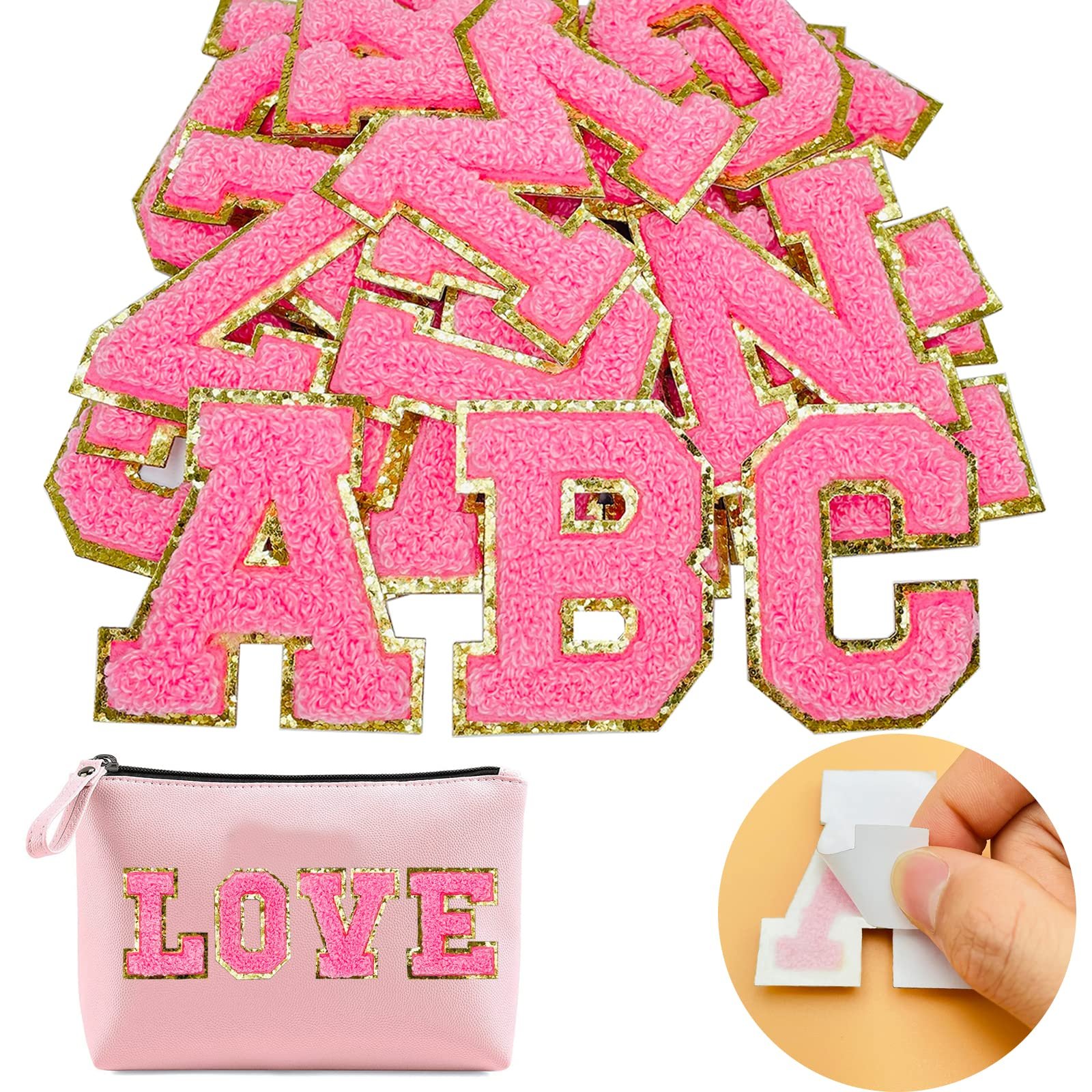
Comprehensive 82-piece chenille letter patch collection featuring fuzzy varsity-style letters with gold glitter trim perfect for customizing backpacks, hats, bags, and clothing with preppy dimensional lettering. The self-adhesive backing simplifies application requiring only peel-and-stick positioning while optional sewing reinforcement ensures permanent attachment for items receiving heavy daily use. This colorful assortment includes complete alphabet coverage with decorative elements like stars, lightning bolts, hearts, and rainbows enabling creative personalization projects combining letters with accent shapes for unique custom designs.
- 82 colorful chenille pieces
- Gold glitter trim accents
- Self-adhesive backing included
- Fuzzy varsity-style texture
- Multiple decorative shapes
- Works on clothing and bags
- Optional sewing reinforcement
- Complete alphabet coverage
Felt Letters Self-Adhesive Alphabet Stickers
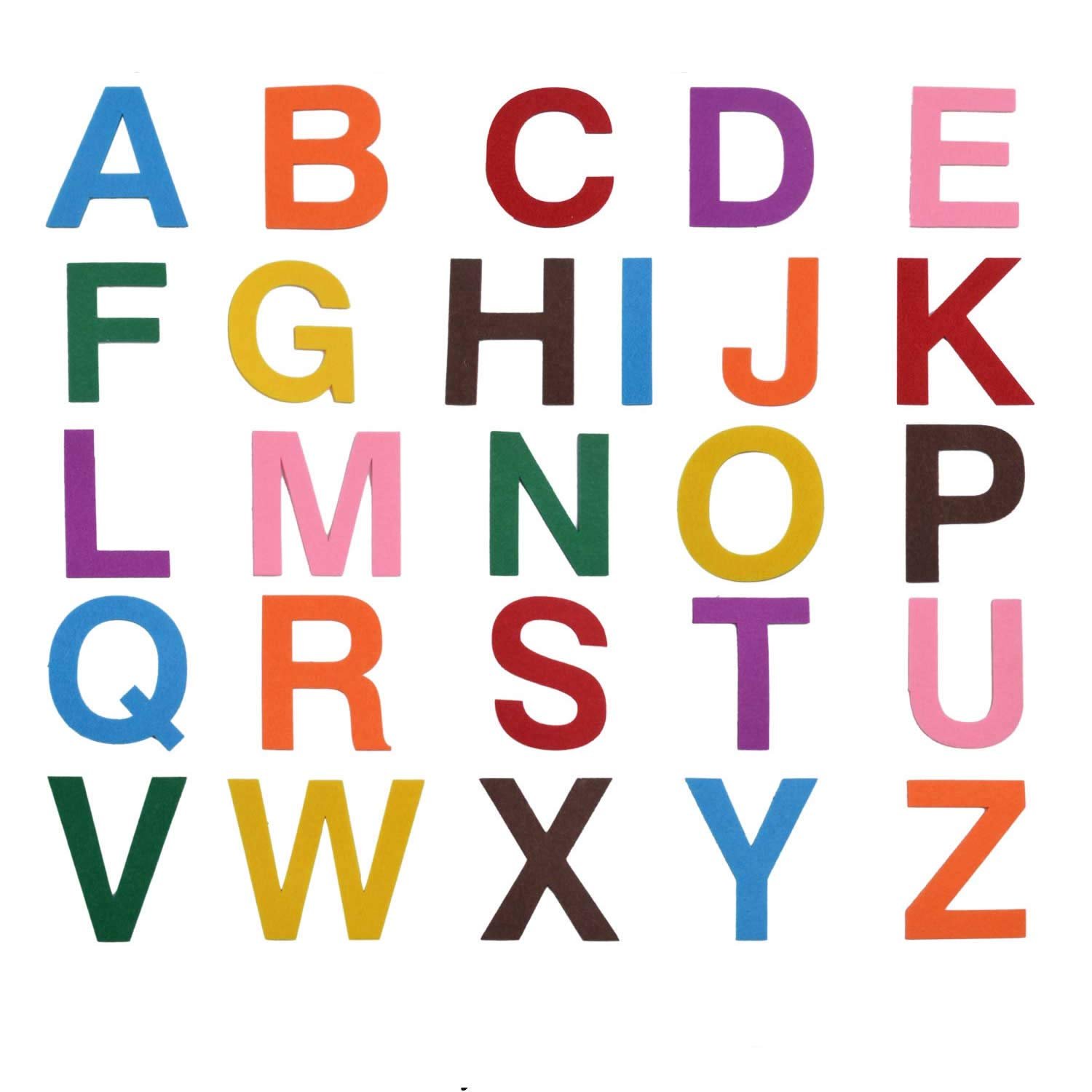
Bulk 500-piece felt letter sticker collection in assorted colors measuring 1 inch each providing extensive supply for educational activities, craft projects, and DIY decorations with soft tactile appeal. These self-adhesive alphabet letters introduce letter recognition and spelling concepts through hands-on manipulation making learning engaging and creative for young children developing literacy skills. The generous quantity supports classroom use, homeschool activities, party decorations, scrapbooking projects, and any application requiring colorful letter embellishment with gentle felt texture that accepts additional decoration through markers or glitter.
- 500 total felt letters
- Assorted bright colors
- 1 inch letter size
- Self-adhesive backing
- Complete A-Z alphabet
- Soft felt texture
- Educational learning tool
- Accepts marker decoration
Fabric Compatibility and Selection
Cotton fabrics provide ideal surfaces for letter sticker adhesion with tight weaves allowing complete contact between adhesive and material. Natural fibers accept both self-adhesive and iron-on varieties reliably making cotton the safest choice for first-time applications.
Polyester and cotton-polyester blends work well with most fabric letters especially heat-activated varieties that bond effectively to synthetic fibers. The smooth surfaces common in poly-blend fabrics facilitate even adhesive contact though some water-resistant finishes may resist bonding.
Challenging Fabric Types
Highly stretchy materials including spandex, lycra, and jersey knits cause applied letters to crack or peel when fabric extends during wear. Position letters on less-stretchy areas like waistbands or non-stretch panels if customizing athletic wear or fitted garments.
Textured fabrics such as terrycloth, velvet, corduroy, and heavily napped materials provide insufficient flat contact surface for reliable adhesion. The raised texture creates air gaps preventing adhesive from bonding securely to underlying fabric structure.
Waterproof and treated fabrics resist adhesive bonding due to protective coatings repelling both moisture and adhesives. Pre-treat these surfaces with light sanding or roughening to improve adhesion though results remain less reliable than untreated materials.
Washing and Care Guidelines
Wait minimum 24 hours after application before washing items allowing adhesives to cure fully and bond completely with fabric fibers. Premature washing disrupts incomplete bonding process causing letters to loosen or detach prematurely.
Turn garments inside-out before washing protecting letters from direct agitation and friction against washer drum and other items. This simple step significantly extends letter lifespan by reducing mechanical stress on adhesive bonds.
Washing Machine Settings
Use gentle or delicate wash cycles minimizing harsh agitation that can loosen adhesive bonds over time. Cold or cool water preserves adhesive integrity better than hot water which softens bonding agents causing premature failure.
Select mild detergents avoiding harsh chemicals, bleach, and fabric softeners that degrade adhesives shortening letter lifespan. Standard laundry detergents work fine though specialty gentle formulations provide extra protection for decorated items.
Drying Recommendations
Air drying provides gentlest treatment for items with fabric letters eliminating heat exposure that can soften adhesives. Hang or lay flat until completely dry preventing stress on wet adhesive bonds.
If machine drying becomes necessary, use lowest heat setting removing items promptly when dry. High dryer temperatures melt adhesives causing letters to shift, wrinkle, or detach from fabric surfaces.
Pro Tip: Test letter adhesion on scrap fabric matching your project material before applying to finished items. This practice run reveals how specific fabric types respond to adhesives and heat, preventing disappointment on final pieces.
Popular Project Applications
Personalize children’s clothing and school items with names preventing lost jackets, backpacks, and lunch boxes from disappearing into school lost-and-found collections. Clear identification helps teachers and classmates return misplaced items to correct owners.
Create custom team apparel and event clothing adding names, numbers, or messages to plain t-shirts and sweatshirts. The affordable customization transforms basic garments into coordinated team wear without expensive screen printing or embroidery services.
Home Décor Customization
Add inspirational quotes, family names, or seasonal messages to throw pillows updating décor without replacing entire cushions. Letters applied to removable pillow covers allow easy updating while preserving pillow inserts for long-term use.
Label fabric storage bins and organizers creating clear identification systems for household organization. The textile-appropriate labeling withstands handling better than paper labels while maintaining aesthetic consistency with fabric containers.
Event Decoration Ideas
Design custom banners and fabric signs for weddings, birthday parties, and celebrations using coordinating letter colors matching event themes. Reusable fabric banners provide sustainable alternative to disposable paper decorations for hosts planning multiple events.
Personalize table linens including napkins, runners, and placemats with guest names or celebratory messages. The customized textiles double as party favors guests can take home as keepsakes from special occasions.
Durability and Longevity Factors
High-quality fabric letter stickers properly applied to appropriate materials typically survive 25-50 wash cycles when cared for correctly. Premium adhesives specifically formulated for textile applications outperform generic craft stickers significantly in washing durability.
Heat-setting improves longevity even for self-adhesive varieties by activating adhesives more completely through gentle iron application. The brief heat exposure causes chemical changes in adhesive composition creating stronger molecular bonds with fabric fibers.
Reinforcement Techniques
Add simple straight stitching around letter perimeters for permanent applications requiring maximum durability through heavy use. The mechanical thread attachment supplements adhesive bonding preventing edge peeling even if adhesive weakens over time.
Apply thin lines of fabric glue around letter edges providing secondary adhesion backup for items receiving frequent washing or rough handling. The dual-adhesive approach ensures letters remain attached even if primary bonding degrades.
Removal and Repositioning Methods
Remove unwanted fabric letters by applying gentle heat with hair dryer softening adhesive for easier peeling without excessive fabric damage. Work slowly from one corner gradually lifting letter while continuing heat application to stubborn areas.
Use fabric-safe adhesive remover products breaking down bonding agents after letter removal to eliminate sticky residue. Apply remover to cotton swab targeting residue specifically while avoiding saturating surrounding fabric unnecessarily.
Repositioning Considerations
Most fabric letter stickers lose adhesive strength after initial application making repositioning difficult or impossible without replacement letters. Plan placement carefully using temporary marking guides before committing to permanent positioning.
Some specialty repositionable varieties allow limited adjustment during application though they sacrifice ultimate bonding strength. These options suit temporary decorations or projects where flexibility matters more than maximum durability.
Size and Style Selection Guide
Small letters measuring 1/4 to 1 inch suit subtle labeling applications including personal item identification and discreet decoration. These compact sizes work well for names inside garments or small decorative accents on accessories.
Medium letters ranging 1-3 inches provide versatile sizing for most craft projects balancing visibility with reasonable material coverage. This popular size range suits clothing customization, bag decoration, and general crafting applications.
Large Format Options
Oversized letters measuring 4 inches and larger create bold statements on banners, signs, and decorative textiles visible from distance. The dramatic scale suits event decorations, wall hangings, and any application prioritizing visual impact over subtlety.
Mix letter sizes strategically within single projects creating visual hierarchy guiding viewer attention to most important text elements. Combining large headline letters with smaller supporting text produces professional-looking layouts mimicking printed design principles.
Decorative Style Varieties
Metallic and glitter finishes add sparkle to projects catching light for eye-catching shimmer effects. These festive options suit celebration décor, fashion accessories, and any application where visual excitement enhances overall aesthetic.
Script and calligraphy styles provide elegant alternatives to block letters for sophisticated projects requiring refined appearance. The flowing letterforms suit formal events, home décor, and applications where classic aesthetics matter.
Educational and Children’s Applications
Teachers use fabric letter stickers creating durable learning materials withstanding classroom handling better than paper alternatives. The textile-based educational tools survive years of student interaction while maintaining clear letter recognition for effective instruction.
Parents employ alphabet stickers for interactive learning activities allowing children hands-on letter manipulation building literacy skills. The tactile experience of positioning letters reinforces learning through multiple sensory pathways beyond visual recognition alone.
Safety Considerations
Supervise young children using small letters preventing choking hazards from pieces measuring under 1 inch diameter. Larger felt letters designed specifically for children reduce safety concerns while providing age-appropriate tactile learning experiences.
Select non-toxic adhesive varieties for items children will wear or handle extensively ensuring skin-safe formulations. Reputable manufacturers clearly label products meeting safety standards for children’s use providing peace of mind for parents and educators.
Storage and Organization Tips
Store unused fabric letter stickers in sealed containers or resealable bags preventing adhesive degradation from air exposure and humidity. Proper storage extends shelf life keeping letters ready for projects months or years after purchase.
Organize letters alphabetically in compartmented storage boxes facilitating quick project setup without searching through mixed collections. Clear containers allow visual inventory checks showing remaining letter quantities at glance.
Maintaining Adhesive Quality
Keep stored letters away from heat sources and direct sunlight preventing premature adhesive breakdown reducing bonding effectiveness. Cool, dark storage locations preserve adhesive chemistry maintaining optimal stickiness until needed.
Use letters within recommended timeframes typically 1-2 years from purchase for best adhesive performance. Older stickers may still work though bonding strength gradually diminishes with extended storage time.
Frequently Asked Questions
Quality fabric letter stickers properly applied to appropriate fabrics typically survive 25-50 wash cycles when cared for correctly using gentle washing and low-heat drying. Durability depends heavily on adhesive quality, fabric type, application technique, and washing frequency with iron-on varieties generally outlasting peel-and-stick options. Items receiving heavy wear or frequent washing may show reduced letter lifespan while carefully maintained decorative pieces can remain intact for years of use.
Fabric letter stickers struggle on highly stretchy materials like spandex and lycra as fabric extension causes rigid letters to crack or peel during wear. For athletic wear and fitted garments, position letters on less-stretchy areas such as waistbands, non-stretch panels, or reinforced sections where fabric movement remains minimal. Specialized flexible letter varieties designed for stretch fabrics exist though they cost more than standard options and still perform best with limited stretching.
Iron-on letters use heat-activated adhesive requiring hot iron application to melt bonding agents creating stronger attachment to fabric fibers for superior washing durability. Self-adhesive varieties feature pre-applied sticky backing needing only pressure for application offering quicker installation though generally shorter lifespan through washing cycles. Iron-on options demand more careful application but deliver better long-term performance while peel-and-stick letters provide convenience for temporary projects or items receiving minimal washing.
Fabric letter stickers can be removed using gentle heat from hair dryers to soften adhesive followed by slow peeling from one corner though some fabric damage risk remains especially with long-term applications. Apply fabric-safe adhesive remover to eliminate sticky residue after letter removal using cotton swabs for targeted application. Complete removal without any trace becomes increasingly difficult over time as adhesives bond more permanently with fabric fibers, though careful technique minimizes damage on most cotton and poly-blend materials.
Fabric letter stickers work best on smooth, tightly woven materials like cotton, polyester, and canvas while struggling on textured fabrics such as terrycloth, velvet, or heavily napped surfaces. Waterproof or treated fabrics resist adhesive bonding due to protective coatings requiring surface preparation for adequate attachment. Natural fiber fabrics generally accept stickers most reliably while some synthetic materials may need heat-activated varieties for secure bonding, making fabric selection crucial for successful long-term letter adhesion.
Yes, pre-washing new fabrics removes manufacturing sizing, chemicals, and residues that interfere with adhesive bonding ensuring better letter attachment and longevity. The washing process also pre-shrinks materials preventing letter distortion from fabric shrinkage during subsequent washing after application. Allow pre-washed fabric to dry completely and iron smooth before letter application, creating optimal surface conditions for secure adhesive contact that maximizes sticker durability through future washing cycles.
Fabric letter stickers can be machine washed using gentle cycles with cold water and turned inside-out to protect letters from direct agitation extending their lifespan significantly. Machine drying remains possible using lowest heat settings though air drying provides gentlest treatment preserving adhesive bonds longest. Avoid high heat, harsh detergents, bleach, and fabric softeners that degrade adhesives causing premature letter failure, and always wait 24 hours after application before first washing allowing complete adhesive curing.
Transform Textiles with Custom Lettering
Fabric letter stickers provide accessible personalization for clothing, home textiles, and craft projects through simple application methods requiring minimal equipment or expertise. The versatile adhesive letters deliver professional-looking customization transforming plain items into unique pieces reflecting personal style and creativity.
Whether labeling children’s school items, creating event decorations, or customizing home décor, understanding proper application techniques and fabric compatibility ensures lasting results. Quality letter selection matched to specific project requirements combined with careful installation produces durable customization withstanding regular use and washing.
Start your fabric personalization projects with quality letter stickers, proper surface preparation, and attention to care guidelines creating custom textiles showcasing individual expression through accessible DIY techniques anyone can master.