
Worsted Yarn: Complete Guide to Medium Weight Yarn for Every Project
Versatile Medium Weight Yarn Perfect for Sweaters, Blankets, Hats, and Endless Knitting and Crochet Projects
Worsted yarn represents the most popular and versatile yarn weight category, offering medium thickness perfectly suited for countless knitting and crochet projects from cozy sweaters to quick-working blankets. This weight sits comfortably between lightweight DK yarn and heavier bulky options, providing ideal balance of warmth without excessive bulk that works beautifully across skill levels.
Understanding worsted yarn characteristics including gauge requirements, needle sizing, and fiber variations empowers crafters to select perfect materials for any project. The medium thickness creates well-defined stitches that knit and crochet quickly while showcasing intricate stitch patterns, cable work, and colorwork designs with professional clarity.
What Makes Worsted Yarn Special
Worsted yarn achieves medium weight classification through specific thickness standards measuring approximately 9-10 wraps per inch when tested. This standardized sizing ensures consistent results across different brands and fiber types, creating reliable gauge expectations for pattern success.
The yarn category receives designation as weight 4 in the Craft Yarn Council’s standardized system, sometimes called medium or aran weight interchangeably. This middle-ground thickness provides enough substance for warm garments without creating overly heavy or stiff fabric that restricts movement or drape.
Gauge and Stitch Definition
Standard worsted yarn produces 16-20 stitches per 4 inches when knitted on US size 7-9 needles, creating fabric with excellent stitch visibility. This clear stitch definition helps beginners see their work easily while allowing experienced crafters to showcase complex patterns effectively.
Crochet projects using worsted yarn typically achieve 11-14 single crochet stitches per 4 inches with recommended H-9 to K-10.5 hooks. The balanced thickness works up quickly without sacrificing detail, making it ideal for both small accessories and large projects like afghans.
Fiber Content Varieties
Worsted yarn comes in numerous fiber compositions including 100% wool, acrylic, cotton, alpaca, and innovative blends combining multiple materials. Each fiber type brings unique characteristics affecting softness, warmth, washability, and durability for different project requirements.
Acrylic worsted yarn offers budget-friendly options with easy machine-washing care, perfect for everyday items requiring frequent laundering. Natural fiber options like wool and cotton provide superior breathability and temperature regulation, ideal for garments worn against skin.
Choosing the Right Worsted Yarn
Selecting appropriate worsted yarn depends on project type, desired texture, care requirements, and budget considerations. Understanding how different characteristics affect finished results ensures satisfaction with completed projects.
Project-Based Selection
Heavy-wear items like blankets and children’s toys benefit from durable acrylic worsted yarn that withstands frequent washing without pilling or losing shape. These synthetic options maintain color vibrancy through repeated laundering cycles that might fade natural fibers.
Garments worn close to skin including sweaters, scarves, and hats work beautifully with soft natural fiber worsted yarn like merino wool or cotton blends. These materials provide comfort, breathability, and natural temperature regulation that synthetic fibers cannot fully replicate.
Texture and Hand Feel
Soft worsted yarns like Caron Simply Soft or Red Heart Soft suit projects requiring gentle drape and comfortable feel against skin. These silky-textured options create flowing fabric ideal for shawls, cowls, and lightweight garments needing elegant movement.
Sturdier worsted yarn with more structure works well for items requiring shape retention including bags, baskets, and home décor projects. The firmer texture maintains crisp stitch definition and prevents excessive stretching under weight or stress.
Color Selection
Popular worsted yarn brands offer extensive color palettes ranging from basic neutrals to vibrant brights and subtle variegated options. Solid colors showcase stitch patterns and texture work effectively, while multi-colored variegated yarns add visual interest to simple stitches.
Consider color fastness for projects requiring frequent washing, as some dyed yarns may bleed or fade with repeated laundering. Higher-quality worsted yarns typically feature more stable dyes that maintain color integrity through years of use and care.
Red Heart Super Saver Worsted Weight Yarn
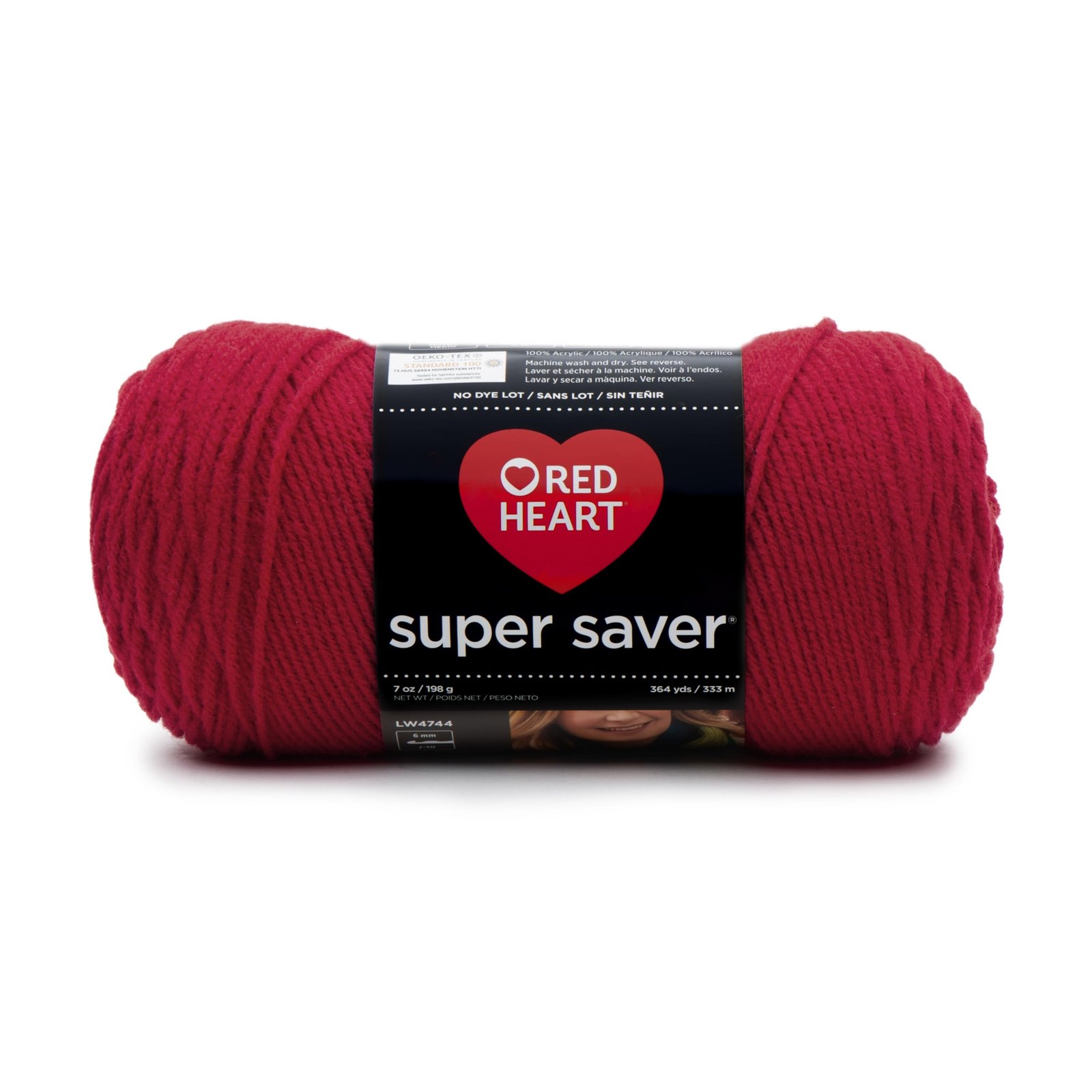
Classic economy worsted weight yarn featuring 100% acrylic fiber in extensive color range perfect for afghans, accessories, and everyday projects requiring durability. This reliable workhorse yarn provides excellent value with 364 yards per 7-ounce skein, offering generous yardage for large projects without breaking budgets while maintaining consistent quality and availability that crafters trust for decades. The medium weight works beautifully for temperature blankets, granny squares, amigurumi toys, and garments needing machine-washable convenience and long-lasting wear resistance.
- 100% acrylic fiber construction
- 364 yards per 7-ounce skein
- Extensive color palette available
- Machine wash and dry safe
- Budget-friendly pricing
- Excellent stitch definition
- Minimal splitting or pilling
- Widely available nationwide
Caron Simply Soft Worsted Yarn
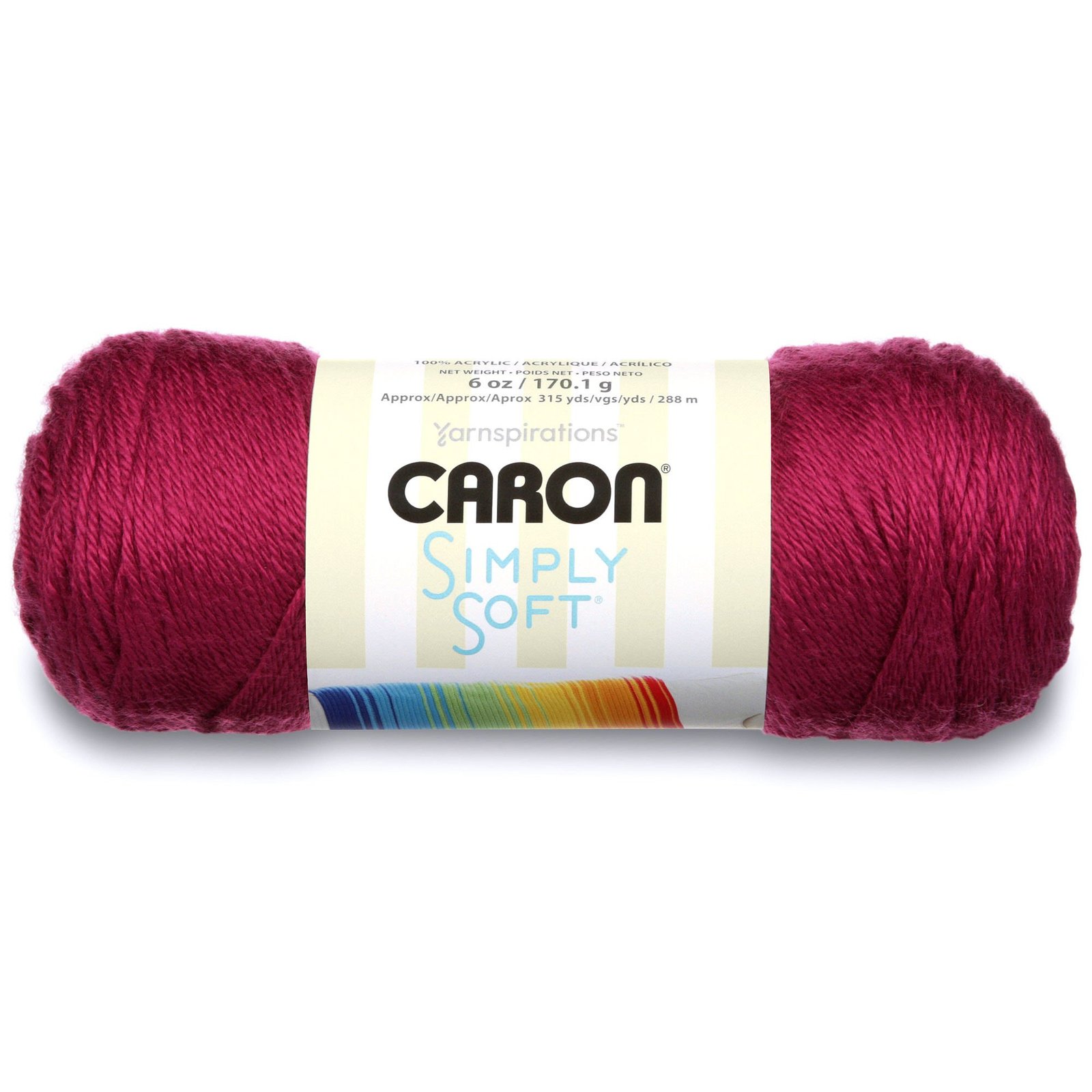
Premium soft acrylic worsted yarn renowned for silky texture and beautiful drape ideal for garments, accessories, and projects worn against skin. This luxurious-feeling yarn features 100% acrylic construction providing easy care with machine-washing convenience while offering superior softness that rivals natural fibers at accessible price points. The extensive color range includes solids, heathers, paints, and ombre options giving crafters unlimited creative possibilities for sweaters, shawls, baby items, and elegant home décor projects requiring refined appearance.
- Silky soft acrylic fiber
- 315 yards per 6-ounce skein
- Extensive color collections
- Beautiful fabric drape
- No dye lot variations
- Machine washable formula
- Excellent for garments
- Premium quality finish
Working with Worsted Yarn
Successful worsted yarn projects require understanding proper needle and hook sizing, tension management, and technique adjustments for optimal results. These medium-weight fibers work beautifully when matched with appropriate tools and methods.
Needle and Hook Selection
Standard knitting projects use US size 7-9 (4.5-5.5mm) needles producing balanced fabric with good stitch coverage and drape. Sizing up creates airier, more open fabric perfect for lace shawls or lightweight garments, while sizing down produces dense, sturdy fabric ideal for bags or structured items.
Crochet work typically employs H-9 to K-10.5 (5.5-6.5mm) hooks for standard tension and coverage. Always check pattern recommendations and create gauge swatches before starting projects to ensure correct sizing and prevent disappointment with finished dimensions.
Tension and Gauge
Consistent tension creates even fabric without loose or tight spots that detract from finished appearance. Practice maintaining steady yarn tension through fingers or tension devices ensuring uniform stitch size throughout projects.
Create gauge swatches measuring at least 4×4 inches to verify stitch and row counts match pattern specifications. Washing and blocking swatches reveals true finished gauge, as many fibers relax or bloom after laundering affecting final project dimensions.
Joining and Weaving
Join new skeins at row ends whenever possible to minimize visible connections within fabric body. Use spit-splicing technique for feltable wool yarns or Russian joins for secure connections that blend seamlessly into work.
Weave in ends carefully following stitch patterns to prevent visible color changes or loose tails that work free with wear. Secure ends through multiple stitches in different directions ensuring permanent attachment that withstands laundering and use.
Popular Worsted Yarn Projects
Worsted yarn’s versatile nature makes it perfect for countless project types across skill levels and styles. The medium weight works up quickly while providing enough substance for satisfying results.
Garments and Wearables
Sweaters, cardigans, and pullovers showcase worsted yarn’s ability to create warm, comfortable garments with excellent drape and stitch definition. The medium weight provides adequate warmth without excessive bulk that restricts movement or adds unflattering volume.
Accessories including hats, scarves, mittens, and cowls work up quickly using worsted yarn while providing cozy protection against cold weather. These smaller projects offer perfect opportunities for practicing new techniques or using special luxury fibers without significant investment.
Home Décor Items
Blankets and afghans represent classic worsted yarn projects combining quick progress with satisfying coverage and warmth. The medium weight creates substantial fabric without excessive weight that makes large blankets cumbersome to use or launder.
Decorative items like pillows, baskets, and wall hangings benefit from worsted yarn’s structure and stitch clarity. These home accents showcase texture work, colorwork patterns, and creative designs that add personalized touches to living spaces.
Toys and Amigurumi
Stuffed toys and amigurumi creatures work beautifully with worsted yarn producing firm, durable fabric that withstands play and washing. The medium thickness creates appropriate sizing for most toy patterns while allowing clear feature definition and shaping.
Use tighter gauge for toy construction preventing stuffing from showing through stitches or creating lumpy appearance. Dense fabric ensures toys maintain shape through handling while providing safe, sturdy construction for children’s playthings.
Pro Tip: Always purchase extra yarn beyond pattern requirements, as dye lots vary between production runs making perfect color matching impossible later. Having excess ensures you can complete projects without visible color differences that detract from finished appearance.
Worsted vs Other Yarn Weights
Understanding how worsted yarn compares to other weight categories helps crafters select appropriate materials for specific project requirements. Each weight offers distinct advantages for different applications.
Worsted vs DK Yarn
DK (double knitting) yarn measures thinner than worsted producing lighter fabric with finer gauge suitable for delicate garments and intricate patterns. The lighter weight creates less bulk but requires more stitches and time to complete similar-sized projects compared to worsted alternatives.
Worsted yarn works up faster than DK weight while providing more substantial fabric with better warmth for cold-weather items. Choose DK for refined, lightweight projects and worsted for quick-working garments and accessories requiring more heft.
Worsted vs Bulky Yarn
Bulky yarn measures thicker than worsted creating super-fast projects with extra warmth and cushiony texture. The heavier weight produces oversized, cozy items perfect for quick gifts but may lack the refined drape needed for fitted garments.
Worsted yarn offers better versatility than bulky weight, working for both structured and flowing projects while maintaining reasonable project timelines. The medium thickness prevents excessive stiffness while still providing satisfying progress speed.
Caring for Worsted Yarn Projects
Proper care extends the life and beauty of finished worsted yarn projects while maintaining their shape, color, and texture. Following fiber-appropriate washing and storage methods prevents damage and disappointment.
Washing Guidelines
Most acrylic worsted yarns tolerate machine washing and drying following label instructions for temperature settings and cycle selection. Use gentle cycles and mild detergent protecting projects from excessive agitation that causes pilling or distortion.
Natural fiber worsted yarns including wool, cotton, and blends require more careful handling with hand-washing or delicate machine cycles in cool water. Avoid hot water and aggressive agitation that shrinks or felts wool fibers irreversibly.
Drying Methods
Lay flat drying preserves shape and prevents stretching for most worsted yarn projects, especially garments requiring specific dimensions. Shape items while damp ensuring proper sizing and smooth fabric surface without wrinkles or distortion.
Some acrylic worsted yarns tolerate tumble drying on low heat settings, though air drying remains gentler and safer for all fiber types. Check yarn labels for specific drying recommendations before exposing projects to machine heat.
Storage Solutions
Store finished projects folded rather than hanging to prevent stretching and distortion, especially for heavier items like sweaters and blankets. Use breathable containers or bags protecting from dust, moths, and moisture while allowing air circulation.
Keep worsted yarn skeins in cool, dry locations away from direct sunlight that fades colors and weakens fibers over time. Consider moisture-absorbing products for humid storage areas preventing mildew growth on natural fiber yarns.
Budget-Friendly Worsted Yarn Options
Quality worsted yarn doesn’t require premium prices, as numerous affordable options deliver excellent results for everyday projects. Understanding value considerations helps maximize crafting budgets without sacrificing project success.
Economy Yarn Lines
Red Heart Super Saver, Lion Brand Pound of Love, and Caron One Pound provide maximum yardage at minimal cost perfect for large projects like blankets. These economy options offer reliable quality and extensive color choices making them ideal for practice projects and high-volume crafting.
Store-brand worsted yarns from craft retailers often match quality of name-brand options at reduced prices. Compare fiber content, yardage, and care instructions finding comparable alternatives that stretch crafting budgets further.
Sale Shopping Strategies
Stock up during holiday sales and clearance events purchasing worsted yarn for future projects at significant discounts. Building yarn stash during sales ensures materials availability for inspiration-struck moments without paying full retail prices.
Use store coupons and loyalty programs maximizing savings on worsted yarn purchases year-round. Many retailers offer regular discounts making premium yarns more accessible to budget-conscious crafters through strategic shopping.
Troubleshooting Common Issues
Even experienced crafters encounter occasional challenges working with worsted yarn requiring problem-solving skills and technique adjustments. Understanding common issues and solutions prevents frustration and project abandonment.
Yarn Splitting Problems
Some worsted yarns split easily catching on needle or hook tips creating uneven stitches and frustrating progress. Use tools with smooth, rounded tips preventing fiber catching, and maintain gentle tension avoiding excessive stress on yarn structure.
Loosely plied worsted yarn splits more readily than tightly constructed alternatives, so select appropriate yarn types for pattern requirements. Consider substituting split-prone yarns with similar-weight options featuring tighter twist construction for better workability.
Gauge Matching Difficulties
Achieving specified pattern gauge sometimes requires needle or hook size adjustments beyond recommended ranges. Create multiple swatches with different tool sizes finding combination that produces correct measurements, even if outside typical worsted yarn specifications.
Individual tension variations affect gauge significantly regardless of yarn weight or tool size, so customize equipment choices to personal working style. Don’t hesitate to deviate from pattern recommendations when necessary for accurate gauge matching.
Color Pooling
Variegated worsted yarn sometimes creates unintended color pooling patterns within projects detracting from desired appearance. Alternate skeins every few rows distributing color variations more evenly, or select different stitch patterns that work with rather than against color repeats.
Some multicolored worsted yarns pool intentionally creating planned designs, while others produce random effects. Review project photos using specific yarn colorways when possible, seeing how others’ results inform your own project decisions.
Frequently Asked Questions
Standard worsted yarn works best with US size 7-9 (4.5-5.5mm) knitting needles producing balanced fabric with proper stitch coverage and drape. However, project type influences needle selection, as lace patterns require larger needles creating open fabric, while structured items need smaller needles for dense stitches. Always create gauge swatches matching pattern specifications, adjusting needle sizes as needed for accurate stitch and row counts regardless of recommended ranges.
Substituting worsted yarn for DK weight requires careful gauge consideration, as worsted produces thicker fabric resulting in larger finished dimensions if worked at DK gauge. Size up your project by working fewer stitches and rows to compensate for increased yarn thickness, or accept larger sizing if dimensions aren’t critical. Some light worsted yarns approach DK weight more closely allowing easier substitution, though gauge swatching remains essential for accurate results and proper fit.
Blanket yardage requirements vary significantly based on finished size, stitch pattern density, and desired fabric weight. Baby blankets typically require 1000-1500 yards, lap throws need 1500-2500 yards, while full-size afghans consume 3000-4000 yards or more of worsted yarn. Dense stitch patterns use more yarn than open lacework, and heavier fabric requires additional yardage compared to lightweight throws. Calculate requirements by determining project area in square inches, multiplying by pattern gauge, then adding 10% extra for safety margin.
Worsted and aran weights fall within the same medium yarn category (weight 4) with subtle thickness differences. Worsted yarn measures slightly thinner on the weight spectrum while aran yarn leans heavier, sometimes called heavy worsted. Both produce similar gauge ranges of 16-20 stitches per 4 inches, making them largely interchangeable in patterns. The terminology varies by region, with worsted being standard US designation and aran more common in UK patterns, though modern usage treats them as equivalent.
Worsted yarn serves as excellent choice for beginners due to medium thickness that’s neither too fine nor too bulky for learning proper technique. The substantial fiber size makes stitches clearly visible allowing new crafters to see their work easily and identify mistakes quickly for correction. Projects work up reasonably fast maintaining motivation without dragging on endlessly, while widely available patterns and tutorials specifically feature worsted weight making resources abundant. The forgiving nature handles tension variations better than finer yarns producing acceptable results despite beginner inconsistencies.
Worsted yarn works beautifully for baby items when selecting appropriate fiber content prioritizing softness and washability. Choose acrylic or cotton worsted yarns avoiding scratchy wool that irritates sensitive infant skin, and ensure machine-washable care for practical maintenance through frequent laundering. Avoid yarns with loose fibers or fuzzy texture that present choking hazards if pulled free, selecting smooth, tightly-constructed options instead. The medium weight creates warm, durable baby blankets, clothing, and toys perfect for everyday use without excessive bulk or weight.
Prevent pilling by selecting anti-pilling worsted yarn formulas specifically designed to resist fiber breakdown and surface fuzz formation. Wash projects inside mesh laundry bags using gentle cycles and mild detergent protecting from excessive friction that causes pilling during laundering. Air dry when possible avoiding dryer agitation, or use low heat tumble settings if machine drying becomes necessary. Remove pills gently with specialized fabric shavers or sweater stones rather than pulling, which damages surrounding fabric. Higher-quality worsted yarns generally pill less than budget options due to superior fiber construction and twist.
Start Creating with Worsted Yarn
Worsted yarn’s versatile medium weight makes it the perfect foundation for countless knitting and crochet projects across all skill levels and styles. The balanced thickness combines quick progress with refined stitch definition, creating satisfying results in reasonable timeframes without sacrificing quality or appearance.
Whether starting with budget-friendly acrylic options or investing in luxury natural fibers, worsted yarn delivers reliable performance and beautiful finished projects. The extensive color selections, fiber varieties, and universal availability ensure perfect materials exist for every creative vision and practical need.
Explore worsted yarn possibilities today discovering why this medium weight remains the crafting community’s most beloved and frequently recommended choice for both everyday projects and special handmade treasures.