
Yarn Blankets: Complete Guide to Chunky, Soft, and Cozy Blanket Yarn Projects
Chenille, Bulky, Super Bulky, and Jumbo Yarn Options for Hand-Knit, Arm-Knit, and Traditional Blanket Making
Yarn blankets create luxurious handmade throws using specialized chunky fibers that work up quickly while delivering exceptional softness and warmth. These cozy projects range from quick weekend makes using super bulky yarn to intricate traditional knit designs showcasing beautiful stitch patterns.
Understanding yarn weights, fiber content, and blanket-making techniques ensures successful projects that provide years of comfortable use. The right yarn selection transforms simple stitches into professional-quality blankets perfect for gift-giving or personal enjoyment.
Understanding Yarn Weights for Blankets
Yarn weight determines thickness and significantly impacts blanket creation time, final texture, and warmth level. Standard weight classifications range from fine fingering yarn through jumbo categories each suited to different blanket styles and purposes.
Worsted Weight Versatility
Worsted weight yarn classified as number 4 provides balanced thickness ideal for traditional blanket patterns showing intricate stitch definition. This medium weight typically requires 2000-3000 yards for throw-sized blankets offering reasonable working time without excessive bulk.
The moderate gauge allows detailed colorwork and textured stitches to shine while creating substantial fabric weight. Worsted options include countless colors and fiber types making them universally available and budget-friendly.
Bulky and Super Bulky Speed
Bulky yarn rated as weight 5 knits or crochets approximately three times faster than worsted creating quick-finish projects. Super bulky weight 6 accelerates progress further producing chunky blankets with dramatic texture and cozy appeal.
These thicker yarns require larger needles or hooks typically size 10-15 for bulky and 15-19 for super bulky. The substantial gauge means fewer stitches covering more area making blankets achievable in days rather than weeks.
Jumbo Yarn Instant Gratification
Jumbo weight 7 yarn creates ultra-thick blankets perfect for arm knitting or oversized needle projects completed in hours. These massive fibers produce trendy chunky-knit aesthetics with deep texture and remarkable visual impact.
The extreme thickness requires specialized techniques including hand-knitting without tools or giant needles exceeding 25mm diameter. Jumbo blankets typically need 6-10 skeins depending on desired size making project planning straightforward.
Fiber Content Selection
Yarn fiber determines softness, warmth, durability, and care requirements affecting blanket functionality and longevity. Natural and synthetic options each offer distinct advantages for different user needs and preferences.
Acrylic Practicality
Acrylic yarn provides affordable machine-washable options ideal for everyday blankets requiring frequent laundering. The synthetic fibers resist pilling and maintain shape through repeated washing without special care considerations.
Modern acrylics offer surprising softness rivaling natural fibers while providing consistent colorfastness and availability. Budget-conscious crafters appreciate acrylic’s lower price point enabling large blanket projects without significant investment.
Wool Warmth and Breathability
Wool yarn delivers superior insulation and natural temperature regulation keeping users warm without overheating. Premium options like merino provide exceptional softness while standard wool blends balance performance with affordability.
Many wool yarns now feature superwash treatments enabling machine washing previously requiring hand-care only. The natural crimp creates lofty fabric with excellent stitch definition though wool typically costs more than synthetic alternatives.
Cotton Breathable Comfort
Cotton yarn creates breathable blankets perfect for warmer climates or year-round use without excessive heat retention. The natural fiber provides hypoallergenic options for sensitive skin while offering excellent durability and easy care.
Cotton blankets drape beautifully creating elegant throws with professional appearance though the fiber lacks insulating properties of wool. The heavier weight when wet requires consideration for washing and drying logistics.
Chenille Plush Luxury
Chenille yarn featuring velvety texture creates irresistibly soft blankets with unique visual appeal and touchable comfort. The fuzzy surface hides minor tension inconsistencies making it forgiving for beginners while delivering premium results.
Most chenille options use polyester construction providing machine-washable convenience and quick-drying properties. The plush texture requires gentle handling during construction preventing splitting or distortion of the delicate fibers.
Bernat Blanket Big Yarn Jumbo Weight
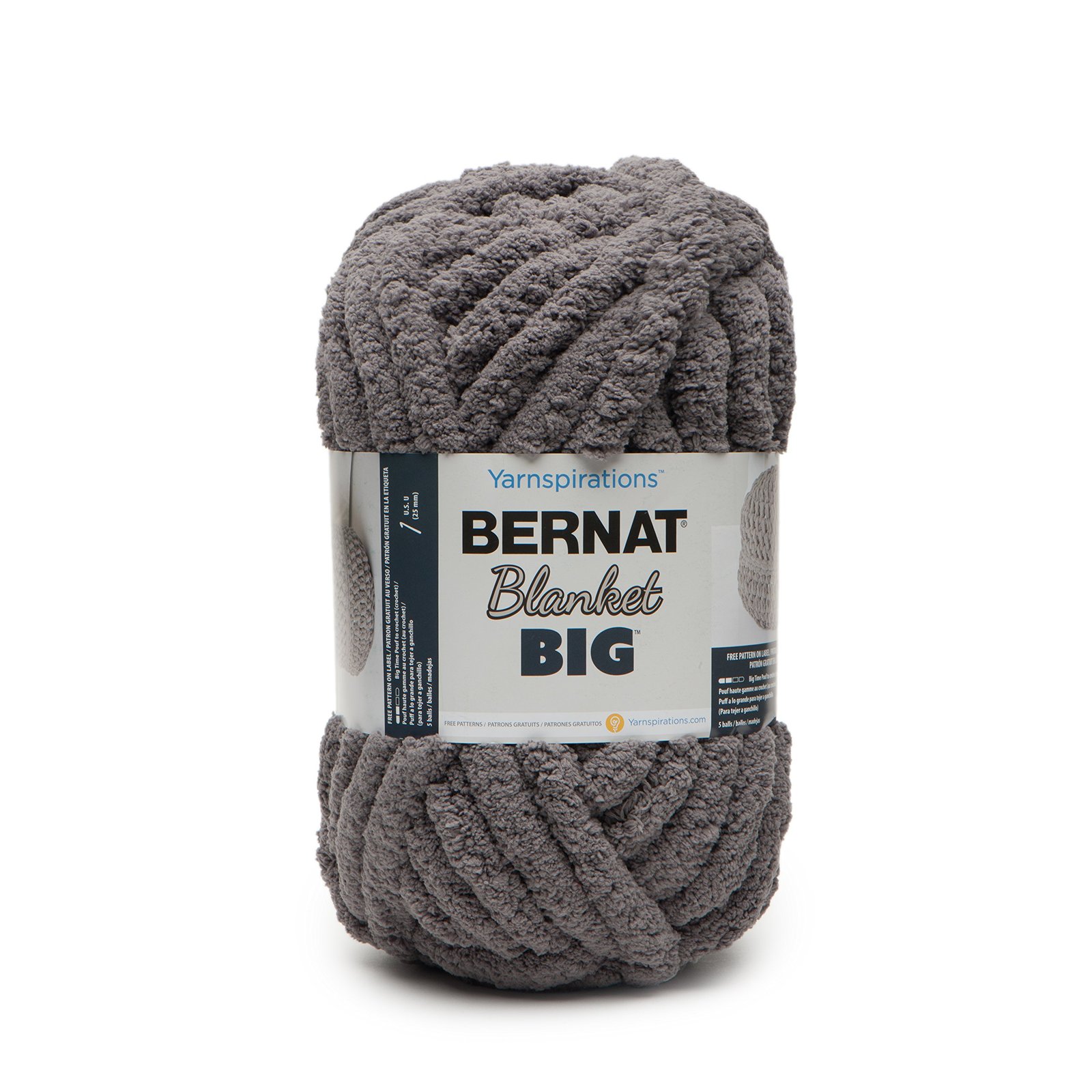
Premium jumbo weight chenille yarn featuring ultra-soft polyester construction perfect for quick hand-knit blankets, oversized throws, and cozy home decor projects. This weight 7 yarn works up incredibly fast with approximately 29-32 yards per 10.5 ounce skein creating chunky blankets in minimal time using fingers, arms, or giant needles without requiring advanced skills. The plush velvet-like texture provides exceptional softness against skin while machine-washable properties ensure easy care for everyday use making it ideal for family blankets receiving regular washing.
- Jumbo weight 7 classification
- 100% polyester chenille texture
- 29-32 yards per skein
- 10.5 ounce ball size
- Machine washable and dryable
- Multiple color options
- Perfect for hand knitting
- Quick project completion
Lion Brand Wool-Ease Thick & Quick
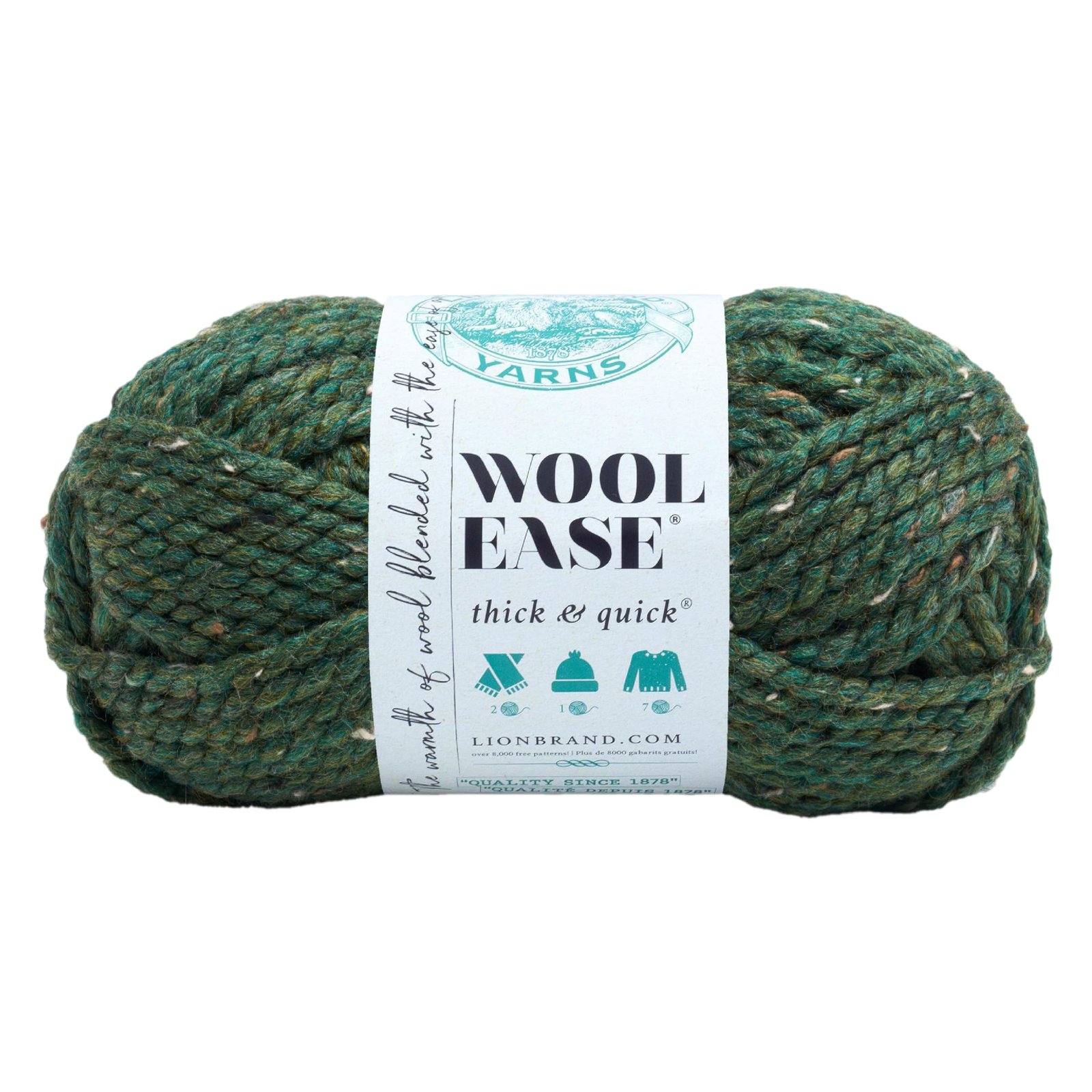
Versatile super bulky yarn blending acrylic and wool providing warmth, softness, and easy-care convenience for traditional and modern blanket projects. This durable blend combines natural wool breathability with synthetic washability creating practical blankets lasting years through regular use and laundering without hand-washing requirements or special treatment. Available in extensive color range with consistent availability at major craft retailers making it reliable choice for multi-skein blanket projects requiring color matching and coordinated shades.
- Super bulky weight 6
- 80% acrylic 20% wool blend
- Machine wash and dry safe
- Excellent stitch definition
- Wide color selection
- Consistent dye lots
- Affordable price point
- Long-term durability
Blanket-Making Techniques
Various construction methods suit different yarn weights and skill levels from beginner-friendly approaches to advanced techniques. Selecting appropriate methods ensures enjoyable creation process and successful finished projects.
Traditional Knitting
Standard knitting needles create precise stitches with excellent control for patterned blankets showcasing cables, lace, or colorwork designs. This time-tested method works with any yarn weight though lighter weights require more patience due to higher stitch counts.
Circular needles accommodate large blanket widths more comfortably than straight needles reducing arm fatigue during extended working sessions. The versatility allows countless pattern options from simple garter stitch to complex textured designs.
Arm Knitting Speed
Arm knitting uses forearms as needles creating ultra-chunky blankets in hours without equipment purchases or prior experience. This trendy technique works exclusively with jumbo weight yarns producing dramatic oversized stitches with modern aesthetic appeal.
The method requires physical arm movement throughout projects potentially causing fatigue during marathon knitting sessions. Finished blankets feature intentionally irregular texture adding handmade charm and contemporary style.
Hand Knitting Control
Hand knitting employs fingers instead of arms for increased precision while maintaining tool-free convenience and quick progress. This technique suits super bulky and jumbo weights offering better control than arm knitting while completing projects faster than traditional needles.
The manageable scale prevents excessive arm fatigue allowing longer comfortable working periods. Hand knitting produces neater stitches than arm knitting while maintaining the appealing chunky aesthetic popularized by modern blanket trends.
Crochet Flexibility
Crochet techniques create blankets with unique texture possibilities including granny squares, shell stitches, and dimensional patterns impossible with knitting. The single-hook method proves easier for many beginners to master than coordinating two knitting needles.
Crochet typically uses slightly more yarn than knitting for equivalent coverage requiring budget consideration. The technique excels at incorporating multiple colors and creating portable projects easily picked up and set down.
Calculating Yarn Requirements
Accurate yardage estimation prevents frustrating mid-project shortages or excessive leftover yarn waste. Several factors influence total amounts needed including blanket dimensions, yarn weight, and stitch pattern density.
Standard Blanket Sizes
Baby blankets measuring 30×36 inches typically require 900-1200 yards worsted weight or 400-600 yards super bulky. Throw blankets at 50×60 inches need approximately 2000-3000 yards worsted or 1300-1600 yards bulky weight.
Full-size blankets exceeding 60×80 inches demand substantial yarn investments of 4000+ yards worsted or 2500+ yards bulky. Always purchase extra beyond calculated needs accounting for tension variations and potential mistakes requiring rework.
Pattern Considerations
Dense stitch patterns including cables or textured designs consume more yarn than simple stockinette or single crochet equivalents. Open lacework uses less yarn while creating lighter-weight blankets with decorative appeal.
Test swatches help calculate actual yardage needs by measuring material used for small sections then extrapolating to full dimensions. This practical approach prevents relying solely on pattern estimates that may not match individual tension.
Color Selection Strategies
Thoughtful color choices enhance blanket appeal and coordinate with intended décor or recipient preferences. Strategic planning prevents disappointment and creates cohesive finished projects.
Solid Sophistication
Single-color blankets showcase stitch patterns beautifully while offering timeless elegance suiting any décor style. Neutral tones including cream, gray, and beige provide versatile options while bold jewel tones make dramatic statements.
Solid colors simplify yarn shopping and eliminate dye lot concerns when purchasing multiple skeins. The unified appearance creates calming visual impact perfect for relaxation and comfort.
Stripe Simplicity
Striped blankets incorporate multiple colors without complex colorwork techniques perfect for beginners wanting visual interest. Alternating bands create rhythm and movement while using leftover yarn from other projects reduces waste.
Planning stripe widths before starting ensures balanced proportions and prevents awkward color transitions. Self-striping yarns automate color changes eliminating ends to weave while producing coordinated palettes.
Variegated Visual Interest
Variegated and ombre yarns provide built-in color variation without manual changes creating painterly effects with minimal effort. These specialty dyes work beautifully in simple stitch patterns letting colors shine without pattern competition.
Consider how color transitions pool or stripe based on stitch width and gauge preventing unexpected or unflattering patterns. Test swatches reveal actual color behavior before committing to large blanket projects.
Pro Tip: Always buy all yarn for your blanket at once ensuring matching dye lots. Color variations between production batches can create noticeable differences even in the same shade, potentially ruining the finished blanket’s appearance.
Care and Maintenance
Proper cleaning and storage extends blanket life while maintaining softness and appearance. Following fiber-specific care guidelines prevents damage and preserves investment in handmade projects.
Washing Guidelines
Machine-washable yarns tolerate regular laundering in cold or warm water using gentle cycles and mild detergent. Avoid harsh chemicals or bleach that damage fibers and fade colors over time.
Hand-wash-only fibers require cool water soaking and gentle pressing without agitation or wringing. Support wet blankets fully when lifting preventing stretching from water weight.
Drying Methods
Tumble-dry-safe yarns typically include acrylic and some treated wools allowing convenient machine drying on low heat. Remove promptly when dry preventing heat damage or permanent creasing.
Flat drying proves necessary for most natural fibers and delicate constructions spreading blankets on clean towels away from direct heat or sunlight. Reshape gently while damp ensuring even dimensions and preventing distortion.
Storage Solutions
Clean blankets thoroughly before storage preventing moths and odors from developing during inactive periods. Store in breathable cotton bags or bins avoiding plastic that traps moisture encouraging mildew growth.
Add cedar blocks or lavender sachets deterring pests naturally without chemical mothballs. Refold periodically preventing permanent creases from developing along storage lines.
Troubleshooting Common Issues
Understanding solutions to frequent blanket-making problems saves projects from frustration and failure. Most issues have straightforward fixes when identified early.
Tension Inconsistencies
Uneven stitches create wavy edges or dimensional variations detracting from professional appearance. Practice maintaining consistent tension through regular making developing muscle memory for even gauge.
Blocking finished blankets using steam or water relaxes fibers evening out minor tension variations. Pin edges to desired dimensions while drying creating straight sides and uniform measurements.
Yarn Splitting
Delicate fibers especially chenille tend to split during construction exposing core threads and creating messy appearance. Use blunt-tipped needles or hooks preventing points from piercing strands and select slower working pace maintaining control.
If splitting becomes excessive, consider switching to different yarn with more durable construction. Some fibers simply prove too delicate for certain techniques requiring alternate material choices.
Color Pooling
Variegated yarns sometimes create unwanted color clusters or stripes rather than intended random distribution. Alternate between two balls of same colorway preventing patterns or intentionally work with pooling creating planned designs.
Changing stitch patterns or needle sizes alters gauge affecting how colors distribute across fabric. Experimentation with swatches reveals which approaches produce desired effects.
Project Planning Success
Thoughtful preparation before starting ensures enjoyable creation experience and satisfying results. Taking time for planning prevents common pitfalls and disappointments.
Gauge Swatching
Creating test swatches reveals actual stitch size and yarn behavior before committing to large blankets. Measure gauge accurately calculating precise yardage needs and verifying finished dimensions match expectations.
Swatches also test care methods determining how yarn responds to washing and drying. This preliminary step prevents discovering care incompatibility after completing entire blankets.
Pattern Selection
Choose patterns matching skill level and available time preventing overwhelming complexity or boredom from excessive simplicity. Read through entire pattern before starting identifying potential confusion points and required techniques.
Consider pattern repeats and blanket dimensions ensuring neat edges without partial repeats creating awkward endings. Adjust sizes as needed maintaining pattern integrity throughout entire piece.
Timeline Expectations
Set realistic completion goals based on available crafting time and project complexity. Chunky yarns with simple patterns work up in days while intricate designs using fine yarns require weeks or months.
Break large projects into manageable sections preventing burnout and maintaining enthusiasm throughout creation process. Celebrate milestone completions motivating continued progress toward finishing.
Gift-Worthy Blanket Projects
Handmade blankets make treasured gifts showing care and effort while providing lasting utility. Strategic choices ensure recipients appreciate and use presents for years.
Baby Blanket Considerations
Select ultra-soft yarns free from irritating fibers ensuring comfort against sensitive baby skin. Choose machine-washable options accommodating frequent laundering inevitable with infant use.
Avoid decorative elements including buttons or embellishments creating choking hazards. Focus on quality construction and appropriate sizing typically 30×36 inches for practical daily use.
Wedding and Housewarming Blankets
Create elegant throws in neutral or sophisticated colors coordinating with most décor styles. Consider larger dimensions appropriate for sofa draping or bed coverage providing impressive presentation.
Include care instructions with finished gifts ensuring recipients maintain blankets properly. Attach tags noting fiber content and washing guidelines preventing accidental damage.
Comfort Blankets
Craft weighted-style blankets using heavier yarns providing comforting pressure for relaxation. The substantial heft from bulky or jumbo yarns creates naturally weighted feel without special filling.
Choose colors and textures matching recipient preferences showing thoughtfulness in selection. Personal touches including monograms or color choices demonstrate care invested in gift creation.
Frequently Asked Questions
Worsted weight 4 provides excellent balance between working time and detail for traditional blankets while bulky weight 5 and super bulky weight 6 create faster projects with chunky texture. Jumbo weight 7 produces ultra-quick trendy blankets in hours using arm or hand knitting without tools. Choose based on desired completion speed, texture preferences, and available working time with heavier weights finishing dramatically faster than lighter options.
Standard throw blankets measuring 50×60 inches require approximately 2000-3000 yards worsted weight, 1300-1600 yards bulky weight, or 800-1000 yards super bulky yarn. Exact amounts vary based on stitch pattern density with textured designs using more yarn than simple stockinette or single crochet. Always purchase extra beyond calculated needs accounting for gauge variations and potential mistakes requiring additional material.
Acrylic provides affordable machine-washable convenience ideal for everyday blankets requiring frequent laundering and easy maintenance without special care. Wool offers superior warmth, breathability, and natural temperature regulation though typically requires more careful washing and costs more than synthetic alternatives. Choose acrylic for practical family blankets and wool for luxury throws or gifts where premium qualities justify higher investment and maintenance requirements.
Most acrylic, acrylic-blend, and treated superwash wool yarns tolerate machine washing using gentle cycles and cold water without damage or shrinkage. Check yarn labels before washing confirming machine-safe status and following specific temperature and drying recommendations. Untreated wool, delicate chenille, and specialty fibers often require hand washing to prevent felting, distortion, or fiber damage that ruins blanket appearance and texture.
Completion time varies dramatically based on yarn weight, blanket size, and chosen technique with jumbo yarn hand-knit blankets finishing in 2-4 hours while worsted weight traditional knitting requires weeks or months. Super bulky yarn projects typically complete within days offering satisfying progress without excessive time investment. Working speed also impacts duration with experienced crafters finishing significantly faster than beginners learning techniques.
Chenille yarn creates exceptionally soft plush blankets with velvety texture perfect for cozy throws and baby blankets prioritizing touchable comfort. The fuzzy surface hides minor tension inconsistencies making it forgiving for beginners while delivering luxurious results. Most chenille features polyester construction providing machine-washable convenience though the delicate fibers require gentle handling during construction preventing splitting or distortion affecting finished appearance.
Yes, purchasing all required yarn simultaneously ensures matching dye lots preventing noticeable color variations between skeins even in identical shades. Different production batches create subtle but visible differences that ruin finished blanket appearance especially in solid colors where variations become obvious. Calculate total needs including extra for contingencies then buy complete quantity from same dye lot clearly marked on yarn labels.
Start Your Cozy Blanket Journey
Yarn blankets provide rewarding projects combining creative expression with practical comfort perfect for personal use or thoughtful gift-giving. Understanding yarn weights, fiber properties, and construction techniques ensures successful projects delivering years of cozy satisfaction.
Whether choosing quick jumbo yarn weekend projects or investing time in detailed worsted weight masterpieces, proper planning and quality materials guarantee beautiful results. The perfect combination of yarn selection and technique transforms simple stitches into treasured blankets showcasing handmade craftsmanship.
Begin your blanket journey with quality yarn choices and proven techniques creating cozy comfort that lasts for generations of use and enjoyment.