
Acrylic Yarn: Complete Guide to Choosing and Using Synthetic Yarn for Every Project
Affordable, Durable, and Machine-Washable Acrylic Yarn for Knitting, Crochet, Baby Items, and Home Décor Projects
Acrylic yarn provides affordable synthetic fiber ideal for crafters seeking budget-friendly options offering easy care and impressive durability across countless knitting and crochet applications. This petroleum-based material delivers consistent quality, vibrant color options, and machine-washable convenience making it perfect for beginners and experienced makers alike.
Understanding acrylic yarn properties and selecting appropriate weights ensures successful projects from cozy blankets to stylish garments without breaking the budget. The synthetic construction prevents moth damage, eliminates wool allergies, and maintains color brilliance through repeated washing delivering practical solutions for everyday crafting needs.
What Makes Acrylic Yarn Different
Acrylic yarn consists of synthetic polymer fibers manufactured from petroleum-based acrylonitrile creating lightweight yet durable strands resistant to wear. Unlike natural fibers derived from animals or plants, acrylic undergoes chemical processing producing consistent texture and predictable performance characteristics.
The manufacturing process involves dissolving polymer in solvents then extruding through spinnerets to form filaments that get stretched, washed, and spun into yarn. This controlled production creates uniform strands without natural fiber variations offering reliable gauge and texture throughout every skein.
Fiber Structure and Properties
Acrylic fibers feature smooth surfaces with low friction allowing yarn to glide easily during knitting and crochet creating clean, defined stitches. The synthetic composition resists splitting compared to natural alternatives helping maintain consistent tension and reducing frustration for beginners.
The lightweight nature of acrylic creates finished projects with less bulk while maintaining warmth and coverage. However, the material lacks natural fiber breathability making it less suitable for warm-weather garments or items requiring moisture wicking.
Color and Dye Properties
Acrylic yarn holds dyes exceptionally well producing vibrant, long-lasting colors that resist fading even through repeated washing and sun exposure. Manufacturers offer extensive color ranges from bold primaries to subtle neutrals, heathers, and variegated patterns impossible to achieve with natural fibers.
The colorfast properties ensure finished projects maintain original appearance without bleeding or discoloration during laundering. This reliability makes acrylic perfect for children’s items, home décor, and projects requiring frequent washing.
Hypoallergenic Benefits
Acrylic yarn contains no animal products eliminating lanolin, mohair, and other natural allergens causing reactions in sensitive individuals. The synthetic composition proves ideal for people with wool allergies or those seeking vegan-friendly crafting materials.
The smooth fibers typically don’t irritate skin like some scratchy natural wools making acrylic comfortable against sensitive skin. This quality makes it popular for baby items, charitable donations, and garments for individuals with textile sensitivities.
Types of Acrylic Yarn
Acrylic yarn comes in various formulations including 100% pure acrylic and blended options combining synthetic fibers with natural materials. Understanding these differences helps select appropriate yarn for specific project requirements and desired characteristics.
Pure Acrylic Options
Standard 100% acrylic yarn provides maximum affordability and easy care making it perfect for practice projects, charity knitting, and items requiring frequent laundering. These pure synthetic options work well for blankets, dishcloths, amigurumi toys, and children’s accessories.
Some pure acrylics feel stiff initially but soften considerably after first washing creating more pleasant texture. Quality varies significantly between brands with premium options offering superior softness and durability compared to budget alternatives.
Acrylic Blend Yarns
Blended yarns combine acrylic with wool, cotton, or other natural fibers balancing affordability with enhanced characteristics. Common blends include 80% acrylic with 20% wool providing warmth and structure while maintaining machine-washable convenience.
Cotton-acrylic blends offer breathability and softness suitable for warm-weather projects while retaining easy-care properties. These combinations provide best-of-both-worlds solutions maximizing benefits from multiple fiber types.
Anti-Pilling and Premium Acrylics
Anti-pilling acrylic yarns feature specialized processing reducing fuzz ball formation during wear and washing. These premium options cost slightly more but deliver superior durability and maintained appearance through extended use making them worthwhile for garments and heavily-used items.
Higher-quality acrylic yarns offer improved softness, better drape, and enhanced stitch definition rivaling natural fiber performance. Brands investing in advanced manufacturing produce acrylics with silky textures and luxurious feel challenging negative synthetic fiber stereotypes.
Red Heart Super Saver Worsted Weight Acrylic Yarn
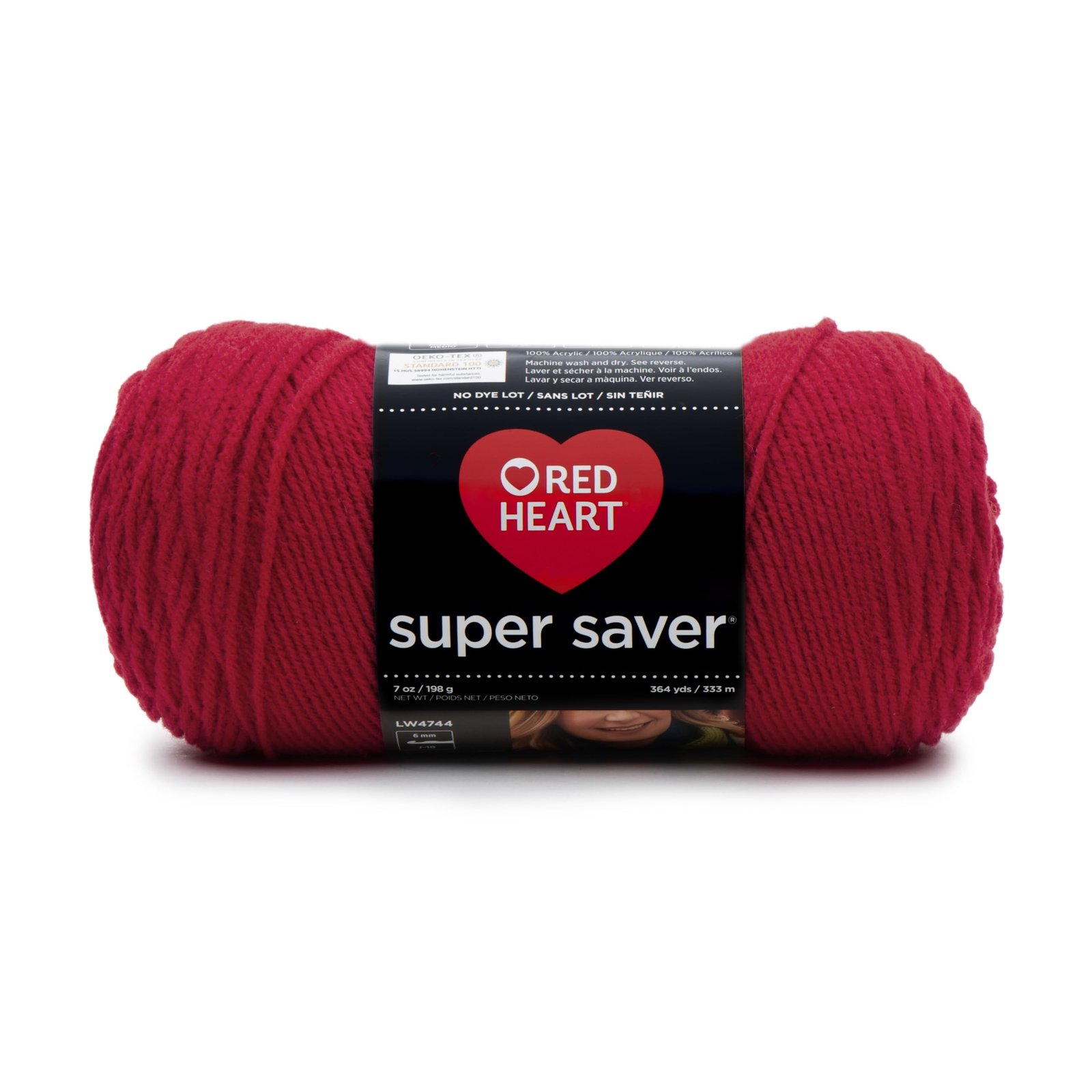
America’s best-selling acrylic yarn for over seventy years offering reliable quality, extensive color selection, and exceptional value perfect for afghans, garments, and craft projects requiring durability and easy care. This worsted weight medium yarn delivers traditional hand feel with maximum wash performance featuring no-dye-lot solids ensuring all skeins match perfectly allowing confident project continuation without color variation concerns. The OEKO-TEX Standard 100 certification confirms testing for harmful substances ensuring safe, skin-friendly material ideal for baby items and sensitive skin applications.
- 100% acrylic medium weight
- 7 oz/364 yard solid skeins
- Over 120 color options
- OEKO-TEX certified safe
- No-dye-lot solid colors
- Machine wash and dry
- Budget-friendly pricing
- Consistent quality standard
Lion Brand Vanna’s Choice Worsted Acrylic Yarn
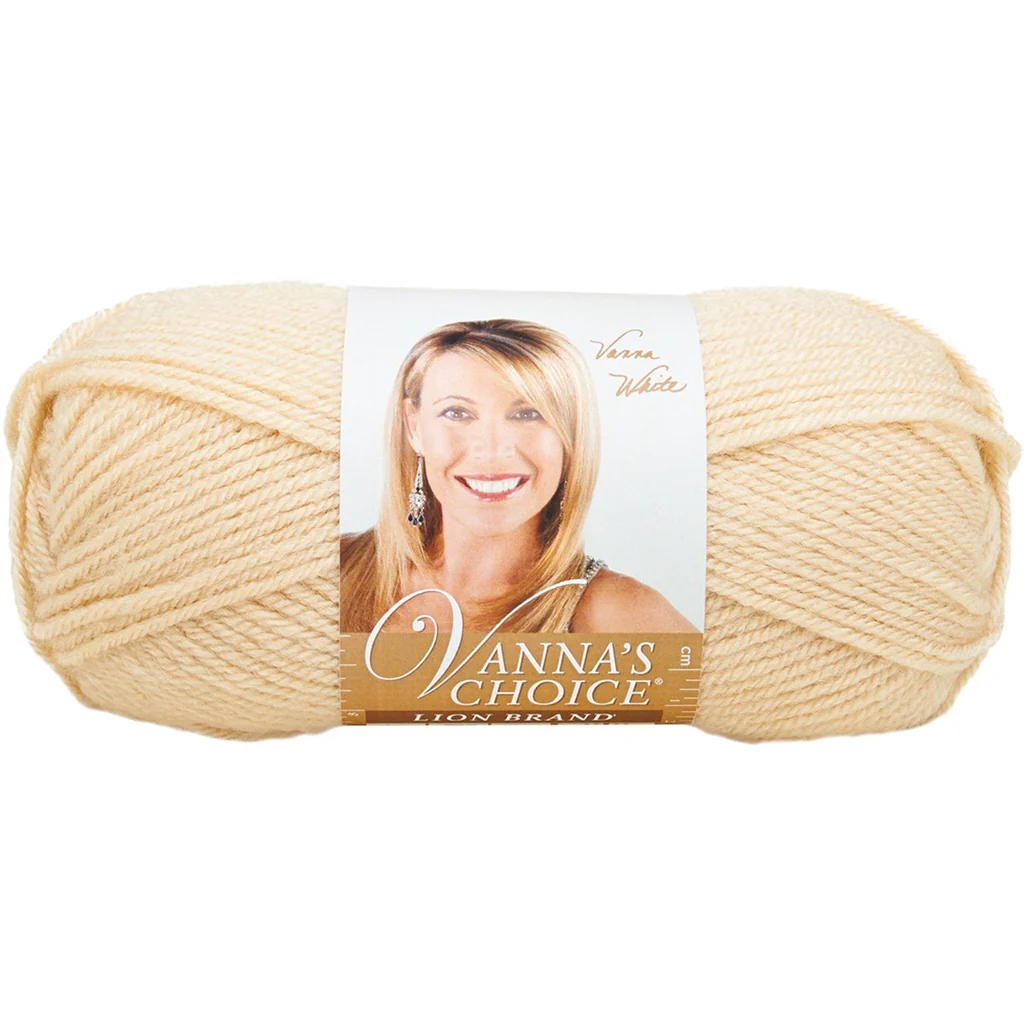
Premium worsted weight acrylic yarn designed by television personality Vanna White offering beautiful drape, excellent stitch definition, and soft texture perfect for garments, blankets, and accessories. This high-quality 100% acrylic features expertly coordinated color palette ranging from bold hues to soft pastels and neutral shades with heathered and tweed options providing sophisticated variety for every creative vision. The plied round strand showcases cables, textured stitches, and colorwork beautifully while maintaining easy machine-washable care making it ideal for items requiring frequent laundering.
- Premium 100% acrylic fiber
- 170 yards per 3.5 oz ball
- Beautiful drape quality
- Excellent stitch definition
- Extensive color selection
- Machine wash and dry
- Soft, comfortable texture
- Worsted weight versatility
Choosing the Right Acrylic Yarn Weight
Acrylic yarn comes in standard weight categories from superfine to jumbo determining appropriate needle size, project gauge, and finished fabric characteristics. Selecting correct weight ensures optimal results matching pattern requirements and desired texture.
Worsted Weight Versatility
Medium worsted weight (size 4) represents the most common and versatile acrylic yarn perfect for blankets, sweaters, hats, and countless general projects. This weight works up relatively quickly while providing substantial fabric suitable for year-round items.
Worsted acrylics typically use size 7-9 knitting needles or H-J crochet hooks producing fabric with good drape and coverage. The moderate thickness balances speed with detail allowing both textured patterns and smooth stockinette applications.
Bulky and Super Bulky Options
Chunky and super bulky acrylic yarns create quick-finishing projects ideal for cozy blankets, winter accessories, and home décor items requiring substantial warmth. These thicker weights produce bold stitches showcasing texture while requiring fewer stitches per inch.
Bulky acrylics work well for beginners practicing basic techniques without tedious stitch counts. The quick progress provides satisfying results building confidence and skills before tackling more complex patterns.
Lightweight and Fingering Weights
Sport and DK weight acrylics suit lighter garments, baby items, and detailed work requiring finer gauge. These thinner options create delicate fabrics with excellent drape perfect for shawls, lightweight sweaters, and intricate colorwork.
Fingering weight acrylic provides affordable alternative to luxury sock yarns ideal for learning fair isle, lace patterns, or other techniques before investing in expensive natural fibers.
Working with Acrylic Yarn
Acrylic yarn behaves differently than natural fibers requiring specific techniques and awareness of unique characteristics. Understanding these properties ensures smooth crafting experience and professional-looking finished projects.
Tension and Gauge Considerations
Acrylic yarn lacks natural fiber elasticity producing fabric with less memory and bounce. Maintain consistent tension while working preventing overly tight stitches that create stiff, inflexible fabric or loose work producing gaps and poor structure.
Always create gauge swatches before beginning projects ensuring finished measurements match pattern specifications. Acrylic may require different needle sizes than natural fiber patterns suggest achieving proper drape and fabric density.
Stitch Definition and Clarity
The smooth acrylic fibers showcase stitch patterns beautifully making them excellent for cables, textured designs, and colorwork where definition matters. Lighter colors particularly display pattern details clearly helping beginners see their work progress.
However, this clarity also reveals mistakes and uneven stitches more obviously than fuzzy natural fibers. Practice consistent technique and fix errors promptly since acrylic shows imperfections clearly in finished work.
Frogging and Reusing Yarn
Acrylic yarn withstands repeated frogging (unraveling) better than many natural fibers allowing extensive practice and experimentation. The synthetic structure doesn’t break or felt when reworked multiple times making it perfect for learning new techniques.
Store frogged acrylic carefully preventing kinks and tangles that affect subsequent use. Wind reclaimed yarn into loose balls avoiding excessive tension that creates permanent stretching or distortion.
Best Projects for Acrylic Yarn
Acrylic yarn excels in specific applications where its unique properties provide advantages over natural alternatives. Selecting appropriate projects maximizes benefits while avoiding situations where synthetic limitations create problems.
Baby and Children’s Items
Machine-washable acrylic proves perfect for baby blankets, clothing, and toys requiring frequent laundering without special care. The hypoallergenic properties eliminate wool sensitivity concerns while durability withstands repeated washing cycles.
Bright, colorfast acrylics create cheerful children’s items maintaining vibrant appearance through growth spurts and active use. The easy care allows parents to wash items as needed without anxiety about damage or shrinkage.
Charity and Gift Knitting
Affordable acrylic enables generous charity knitting producing blankets, hats, and scarves for those in need without significant financial investment. Organizations often request machine-washable items making acrylic ideal for donation projects.
Gift recipients appreciate low-maintenance items fitting busy lifestyles especially when unsure about proper natural fiber care. Acrylic gifts demonstrate thoughtfulness without imposing complicated cleaning requirements.
Home Décor Applications
Throw blankets, pillows, and decorative items benefit from acrylic’s durability and easy cleaning maintaining fresh appearance through daily use. The synthetic fiber resists moths, mildew, and other natural fiber vulnerabilities protecting long-term investments.
Vibrant colors and extensive shade ranges allow perfect color matching for interior design projects. The consistent dye lots ensure purchasing additional yarn for repairs or expansions matches original selections.
Practice and Learning Projects
Budget-friendly acrylic allows extensive practice learning new techniques without expensive yarn investment. Beginners can experiment freely knowing mistakes don’t waste costly materials encouraging skill development.
The forgiving nature and reusability make acrylic perfect for sampling stitches, testing patterns, or creating technique swatches before committing to final projects.
Pro Tip: Block acrylic projects using steam rather than wet blocking to set stitches and improve drape. Hold a steam iron slightly above the fabric without touching the surface, allowing steam to relax fibers and even out tension without melting the synthetic material.
Projects to Avoid with Acrylic
While acrylic yarn suits many applications, certain projects benefit from natural fiber properties that synthetics cannot replicate. Understanding these limitations prevents disappointing results and wasted effort.
Heat-Exposed Items
Never use acrylic for pot holders, oven mitts, or trivets since synthetic fibers melt under heat potentially causing severe burns. Cotton or wool provides safe heat resistance while acrylic creates dangerous situations near cooking surfaces or hot items.
Exercise caution with acrylic near fireplaces, candles, or other heat sources since melting fibers stick to skin causing serious injuries. Choose natural alternatives for safety-critical applications involving heat exposure.
Lace and Heirloom Projects
Delicate lace shawls and heirloom-quality pieces deserve natural fiber luxury providing drape, sheen, and timeless beauty acrylic cannot match. While acrylic takes less time and money, the finished appearance lacks sophistication expected in treasured keepsakes.
Blocking lace patterns requires wet blocking stretching designs to full potential but acrylic doesn’t respond as effectively as natural fibers. The synthetic construction prevents dramatic transformation that makes lace blocking so satisfying.
Heavily Cabled Sweaters
Complex cable patterns create heavy fabric weight that sags without natural fiber resilience and memory. Acrylic lacks elasticity to maintain shape under cable bulk potentially producing droopy, unflattering garments.
Simple sweater constructions work better with acrylic avoiding excessive weight and structure requirements. Save ambitious cable designs for wool or wool-blend yarns providing necessary support and spring.
Caring for Acrylic Projects
Proper care maintains acrylic yarn projects in excellent condition extending longevity and preserving appearance. Following recommended practices ensures easy maintenance without damage or premature wear.
Washing Guidelines
Machine wash acrylic items in warm water using gentle cycle protecting projects from excessive agitation. Turn garments inside out before washing reducing surface friction that causes pilling on visible fabric surfaces.
Use mild detergent without harsh chemicals or bleach that may affect colors or fiber integrity. Fabric softener remains optional though some crafters find it enhances softness on initially stiff acrylic yarns.
Drying Methods
Tumble dry acrylic on low heat setting removing items promptly when dry preventing excessive heat exposure. While acrylic tolerates machine drying, high temperatures risk melting or permanently distorting synthetic fibers.
Air drying flat provides gentlest care option maintaining original shape without mechanical stress. Lay projects on clean towels or drying racks avoiding direct sunlight that may fade colors over time.
Storage Practices
Store clean acrylic projects in breathable containers protecting from dust without creating moisture problems. Unlike wool, acrylic doesn’t require moth prevention making storage simpler without cedar or lavender sachets.
Fold heavy items like blankets rather than hanging preventing stretching under their own weight. Place acid-free tissue between folds on stored garments preventing permanent creases in synthetic fibers.
Comparing Popular Acrylic Yarn Brands
Different manufacturers produce acrylic yarns with varying characteristics affecting softness, durability, and workability. Understanding brand differences helps select optimal options for specific project requirements and personal preferences.
Budget-Friendly Options
Economy brands like Red Heart Super Saver and basic store brands provide maximum yardage per dollar perfect for large projects or practice work. These options may feel initially stiff but improve with washing creating serviceable finished items.
Value acrylics work excellently for items needing durability over luxury like dishcloths, pet toys, or outdoor decorations. The affordable pricing enables generous yarn quantities without budget strain.
Premium Acrylic Brands
Higher-end options like Lion Brand Vanna’s Choice, Caron Simply Soft, and Premier Everyday Anti-Pilling offer superior softness and refined texture justifying slightly higher costs. These premium acrylics rival natural fiber feel while maintaining synthetic benefits.
Investing in quality acrylic for garments and gift items produces professional results recipients appreciate. The improved drape and enhanced comfort make premium options worthwhile for wearable projects and special occasions.
Specialty Acrylic Yarns
Chenille, boucle, and other textured acrylic yarns create unique fabric effects impossible with standard smooth yarns. These specialty options add visual interest and tactile variety to projects though they may require adjusted techniques.
Self-striping and variegated acrylics produce automatic color patterns without manual color changes simplifying complex-looking designs. These fun options inspire creativity while maintaining acrylic’s practical benefits.
Environmental Considerations
Acrylic yarn production and disposal raise environmental concerns that conscious crafters should understand. Balancing practical benefits against ecological impact helps make informed purchasing decisions.
Manufacturing Impact
Petroleum-based acrylic production contributes carbon emissions and relies on non-renewable resources raising sustainability questions. The manufacturing process involves chemical solvents though modern facilities increasingly implement cleaner technologies.
Some manufacturers obtain OEKO-TEX certification demonstrating commitment to reducing harmful substances in production. Seeking certified yarns supports companies prioritizing environmental responsibility and worker safety.
Microplastic Concerns
Washing synthetic yarns releases microplastic fibers into water systems contributing to environmental pollution. These microscopic particles persist in ecosystems potentially harming marine life and entering food chains.
Consider using washing machine filters designed to capture microfibers reducing environmental release. Extending garment life through proper care minimizes washing frequency decreasing overall microplastic contribution.
Longevity and Waste
Acrylic’s exceptional durability means projects last decades reducing need for replacement and overall consumption. The moth-proof, mildew-resistant properties prevent premature deterioration common in natural fiber storage.
However, synthetic materials don’t biodegrade creating long-term waste concerns. Donate unwanted acrylic items extending their useful life or repurpose yarn from outdated projects into new creations minimizing landfill contribution.
Frequently Asked Questions
Yes, acrylic yarn proves excellent for beginners offering affordable pricing, forgiving nature, and easy care making it perfect for learning basic techniques without significant financial investment. The smooth fibers resist splitting while showing stitch definition clearly helping new crafters see their progress and identify mistakes for correction. Additionally, acrylic withstands repeated frogging allowing extensive practice and experimentation without yarn degradation. The machine-washable properties mean beginners can create usable items without mastering complicated natural fiber care requirements.
Yes, most acrylic yarns soften considerably after their first washing especially budget-friendly varieties that may feel stiff when new. The washing process relaxes synthetic fibers creating more pleasant texture and improved drape in finished projects. Using fabric softener during washing can enhance this softening effect though it remains optional depending on personal preference. However, premium acrylic brands often feel soft from the start requiring less improvement through washing. Repeated washing continues softening effect though excessive heat or over-drying may eventually cause some pilling or fiber degradation.
Yes, acrylic yarn works excellently for baby blankets providing hypoallergenic, machine-washable, and durable material perfect for items requiring frequent laundering. The synthetic fiber contains no animal products eliminating lanolin and wool allergens that may irritate sensitive baby skin. Parents appreciate the easy care allowing worry-free washing whenever needed without hand-washing or special treatment. Choose OEKO-TEX certified acrylic yarns tested for harmful substances ensuring safety for baby items. Avoid acrylic for items babies might chew since synthetic fibers shouldn’t be ingested unlike natural cotton alternatives.
Acrylic yarn squeaks due to friction between smooth synthetic fibers and metal knitting needles creating characteristic noise some crafters find annoying. This squeaking occurs more with aluminum needles than stainless steel, bamboo, or wooden alternatives which produce less friction. Treating metal needles with dryer sheets or light wax coating reduces squeaking though effects remain temporary requiring reapplication. Some premium acrylic brands squeak less than budget varieties though fiber composition primarily determines this characteristic. Switching to bamboo or wooden needles provides permanent solution eliminating squeaking for those particularly bothered by the sound.
Yes, acrylic yarn generally provides more warmth than cotton due to its insulating synthetic fiber structure trapping air for better heat retention. While cotton conducts heat away from the body making it cooler, acrylic retains warmth similar to wool making it suitable for winter accessories and cold-weather projects. However, acrylic lacks breathability compared to natural fibers potentially causing overheating in warm conditions or during active wear. Cotton excels for summer projects, dishcloths, and items requiring moisture absorption while acrylic suits blankets, winter hats, and cozy sweaters. Neither provides the exceptional warmth-to-weight ratio of natural wool which remains superior for cold-weather insulation.
No, never iron acrylic yarn directly as synthetic fibers melt under heat causing permanent damage and potentially ruining your project completely. Instead, use steam blocking technique holding steam iron slightly above fabric surface without touching allowing steam to relax fibers and set stitches. If pressing becomes absolutely necessary, place multiple layers of pressing cloth between iron and acrylic using lowest heat setting and working quickly to minimize heat exposure. The melting temperature of acrylic remains relatively low compared to natural fibers making heat damage easy to cause accidentally. For best results, stick with steam blocking or careful hand-shaping for finishing acrylic projects safely.
Acrylic yarn projects last decades with proper care since synthetic fibers resist degradation from moths, mildew, and environmental factors affecting natural materials. Well-maintained acrylic items withstand hundreds of wash cycles without significant deterioration though some pilling may develop with friction and wear. The colorfast properties prevent fading maintaining vibrant appearance throughout the project’s lifespan. Premium anti-pilling acrylic yarns demonstrate exceptional longevity outlasting budget varieties that may show wear sooner. Proper storage away from direct sunlight and excessive heat preserves acrylic indefinitely since synthetic fibers don’t biodegrade like natural alternatives making durability both advantage and environmental concern.
Start Your Acrylic Yarn Projects
Acrylic yarn delivers practical, affordable, and versatile crafting material perfect for countless knitting and crochet applications from baby items to home décor. The synthetic construction provides unique benefits including easy care, hypoallergenic properties, and exceptional durability making it valuable addition to every crafter’s stash regardless of skill level.
Whether creating charitable donations, practicing new techniques, or producing everyday items for family and friends, quality acrylic yarn offers reliable performance without premium pricing. Understanding fiber properties and appropriate applications ensures successful projects maximizing synthetic yarn advantages while avoiding limitations.
Explore acrylic yarn options discovering perfect colors and weights for your next creation enjoying hassle-free crafting experience and machine-washable convenience that fits modern lifestyles beautifully.