
Joann Fabric Adhesive Sheets: Complete No-Sew Bonding Guide for Projects and Repairs
Heavy-Duty Iron-On, Double-Sided, and Washable Adhesive Sheets for Fabric Bonding Without Sewing
Joann fabric adhesive sheets revolutionize textile projects by creating permanent bonds between fabric surfaces without needle and thread. These thin adhesive layers with protective backing eliminate messy liquid glues while providing consistent, even coverage for hemming garments, creating appliqués, and repairing fabric items professionally.
Understanding adhesive sheet types and proper application techniques ensures durable results on everything from lightweight cotton to heavy canvas. The complete range at Joanns includes iron-on, double-sided, and specialty formulations making permanent fabric bonding accessible without sewing skills or equipment.
What Makes Joann Adhesive Sheets Different
Fabric adhesive sheets consist of thin adhesive layers sandwiched between protective backing papers that bond fabric surfaces permanently when heat-activated. Unlike unpredictable liquid fabric glues that spread unevenly, these sheets provide precise, mess-free application across entire surfaces.
The two-piece grommet-style construction creates bonds rivaling sewn seams in durability and strength. Standard sheets contain adhesive on one side while double-sided versions offer bonding capability on both surfaces for specialized applications.
Complete Kit Components
Quality adhesive sheet products include protective backing papers preventing premature sticking during storage and cutting. The backing typically features grid lines helping with precise measurement and cutting for various project shapes.
Premium options from Joann Fabrics provide clear instructions with visual guides ensuring successful application from first attempts. Temperature recommendations and pressing times vary by formulation requiring careful attention to manufacturer specifications.
Heat-Activated vs Pressure-Sensitive
Most Joann adhesive sheets require iron heat to activate bonding creating permanent washable connections. These heat-activated versions offer superior strength and durability for garments and frequently washed items.
Pressure-sensitive options bond through firm hand pressure without heating tools providing convenience for heat-sensitive fabrics. These alternatives work well for temporary positioning or materials damaged by high temperatures.
Choosing the Right Adhesive Sheet
Selecting appropriate adhesive sheets depends on fabric weight, project permanence needs, and washing requirements. Understanding formulation differences ensures optimal bonding without damaging delicate materials or creating insufficient hold on heavy fabrics.
Weight and Strength Options
Lightweight adhesive sheets suit delicate fabrics including silk, rayon, and sheer materials requiring minimal bonding weight. These thin formulations prevent show-through while providing adequate hold for decorative applications.
Medium-weight sheets handle most general crafting including canvas fabric projects, curtain hemming, and appliqué work. This versatile category accommodates cotton, polyester, linen, and standard upholstery materials effectively.
Heavy-duty adhesive sheets tackle thick materials including denim, vinyl fabric, multiple layers, and outdoor fabric applications. These industrial-strength options withstand significant stress and repeated washing without separation.
Permanent vs Repositionable
Permanent formulations create lasting bonds designed to endure for the fabric’s lifetime once heat-set properly. These work ideally for garment repairs, structural alterations, and projects requiring regular laundering.
Repositionable adhesive sheets allow temporary bonding and adjustment before final heat setting providing flexibility for complex positioning. These suit costume elements changed seasonally, test-fitting appliqués, or children’s projects needing modification.
Specialty Formulations
Stretch-compatible adhesive sheets maintain fabric elasticity preventing stiffness in garments containing spandex or lycra. These flexible formulations move with fabric rather than restricting natural stretch properties.
Leather and vinyl-specific sheets bond without high heat potentially damaging these special materials. Waterproof options provide durability for outdoor cushions, beach bags, and items exposed to moisture regularly.
Heavy Duty Double-Sided Iron-On Adhesive Sheets
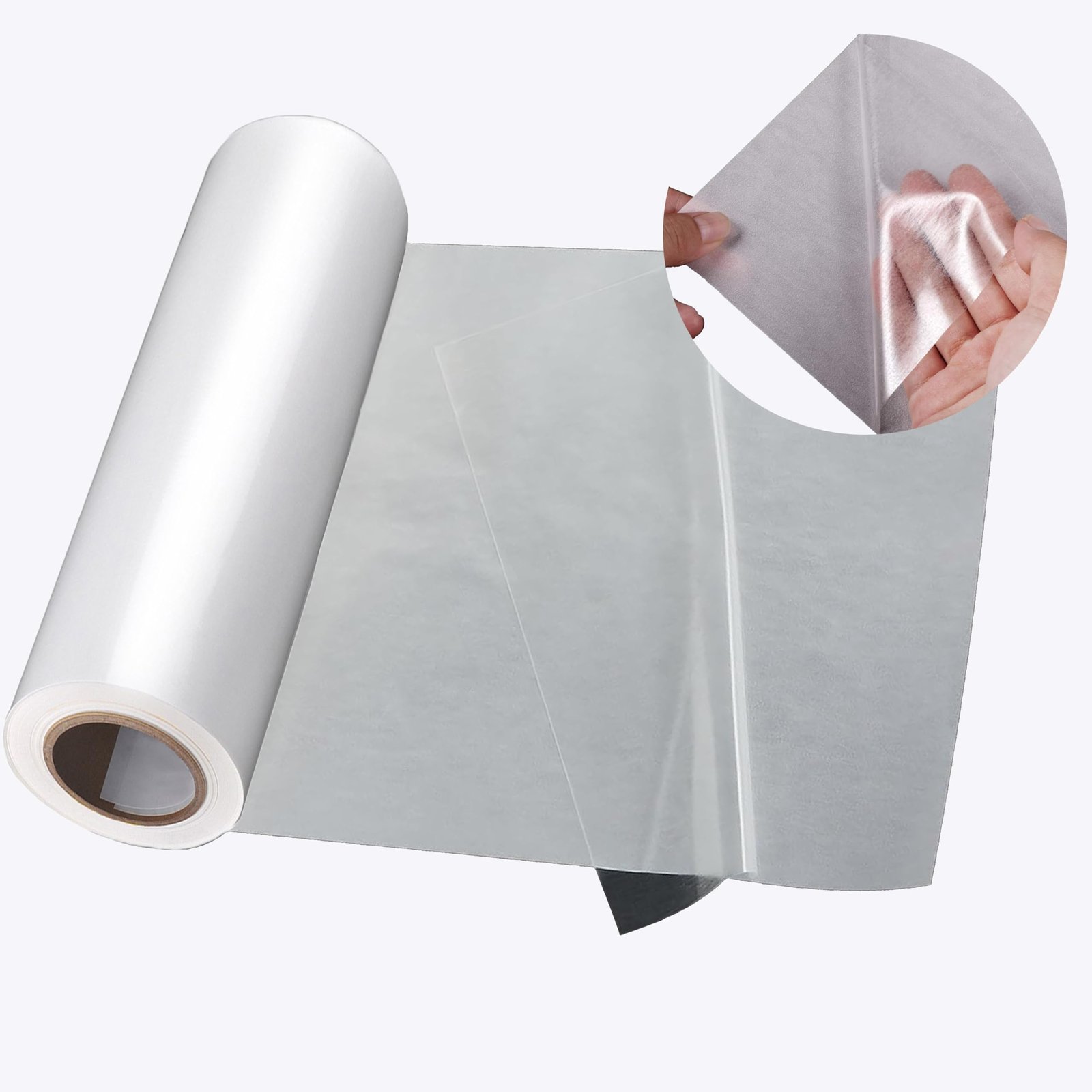
Professional 16-piece double-sided iron-on adhesive sheet set measuring 8.2″ × 11.8″ featuring heavy-duty construction with backing paper including both stretch and non-stretch formulations perfect for versatile fabric bonding applications. This comprehensive adhesive collection provides strong bonding power creating washable, permanent connections suitable for hemming garments, appliqué work, and fabric repairs requiring long-lasting hold through repeated laundering. The included stretch-compatible sheets maintain fabric elasticity while non-stretch versions deliver maximum strength for structured projects eliminating sewing requirements across diverse material types.
- 16 adhesive sheets included
- 8.2″ × 11.8″ dimensions
- Double-sided bonding capability
- Protective backing paper
- Stretch and non-stretch options
- Heavy-duty construction
- Washable permanent bonds
- High adhesion strength
Scrapbook Adhesive Sheets 12″ × 12″
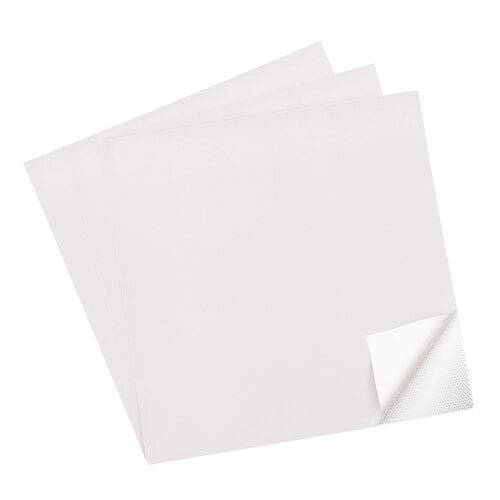
Complete 25-piece adhesive sheet collection in 12″ × 12″ format by Scrapbook Adhesives 3L providing even coverage for die cuts, vellum paper, ribbons, and fabric crafting applications with clean edge-to-edge adhesion. This versatile sheet set works excellently for fabric projects including appliqués, scrapbooking elements, and decorative bonding delivering professional results without messy liquid adhesives. The precise coverage ensures uniform bonding across any paper, photos, die cuts, and lightweight fabrics making these sheets essential for crafters seeking reliable, consistent adhesion for detailed work.
- 25 adhesive sheets
- 12″ × 12″ format
- Even coverage application
- Works on die cuts
- Bonds vellum and ribbons
- Clean edge-to-edge adhesion
- Suitable for fabric crafts
- Professional scrapbooking quality
Best Fabrics for Adhesive Sheets
Natural fiber fabrics like cotton, linen, and canvas accept adhesive sheets most successfully providing absorbent structures allowing proper adhesive penetration. These materials bond reliably when properly prepared with adequate heat application.
Synthetic materials including polyester and nylon work well though slick surfaces sometimes require light sanding for improved grip. Pre-treating synthetic areas with roughening prevents adhesive rotation or separation under stress.
Material Compatibility Guide
Highly compatible fabrics include cotton blends, denim, felt, flannel, and most standard synthetics accepting adhesive readily. These materials provide ideal bonding surfaces for permanent connections without extensive preparation.
Special consideration fabrics like silk, velvet, and heavily textured materials need careful temperature control and testing. Use protective pressing cloths and lower heat settings preventing damage to delicate fibers or napped surfaces.
Incompatible materials include waterproof-coated fabrics, extremely stretchy athletic fabrics, and treated surfaces resisting adhesive penetration. These require specialty formulations specifically designed for non-porous or coated textiles.
Fabric Preparation Steps
Pre-wash fabrics removing manufacturing chemicals, oils, or finishes interfering with adhesive bonding. Allow materials to dry completely before adhesive application ensuring moisture doesn’t prevent proper heat activation.
Press fabrics smooth eliminating wrinkles or creases creating uneven bonding surfaces. Use appropriate heat settings for fabric type with quality pressing tools ensuring consistent temperature distribution.
Proper Application Techniques
Achieving professional results requires precise technique including accurate cutting, proper positioning, and correct heat application. Practicing on fabric scraps builds confidence revealing how specific materials respond before working on final projects.
Cutting and Positioning
Use sharp fabric scissors or rotary cutters creating clean adhesive sheet edges without ragged tears. Cut sheets slightly larger than needed allowing trimming excess after bonding for perfect sizing.
Mark placement carefully using fabric chalk or fabric pencil ensuring accurate positioning before removing backing papers. Use fabric clips securing materials preventing shift during application.
Heat Setting Process
Remove backing paper from adhesive sheet positioning carefully on first fabric surface. Smooth from center outward eliminating air bubbles that create weak spots in finished bonds.
Apply iron at recommended temperature pressing firmly for 10-15 seconds per section without sliding motion. Use pressing cloth protecting project surfaces from direct iron contact that may leave shiny marks.
Allow bonded areas to cool completely before handling ensuring adhesive sets properly. Test bond strength gently before proceeding with project assembly or additional applications.
Reinforcement Methods
Add interfacing or fabric doubling to lightweight materials preventing tear-through at adhesive points. Fuse reinforcement before marking adhesive placement treating multiple layers as single unit during application.
For high-stress areas bearing weight or tension, consider adding strategic hand stitches reinforcing adhesive bonds. This hybrid approach combines convenience of adhesive with security of traditional sewing.
Common Application Problems
Understanding how to address adhesive issues saves projects from failure building confidence in installation techniques. Most problems have straightforward solutions when identified early in the process.
Preventing Bond Failure
Insufficient heat application causes weak bonding resulting in separation during use or washing. Follow manufacturer temperature recommendations precisely applying adequate pressing time for complete adhesive activation.
Fabric movement during cooling disrupts bonding before adhesive fully sets causing partial connections. Secure projects completely still until reaching room temperature preventing premature handling stress.
Correcting Positioning Errors
Misaligned adhesive placement requires careful removal using heat reactivation and gentle separation. Apply iron briefly through pressing cloth warming adhesive then slowly peel fabrics apart minimizing fiber damage.
Clean residual adhesive using commercial removers or rubbing alcohol on cotton swabs. Test cleaning solutions on inconspicuous fabric areas first ensuring they don’t cause discoloration or damage.
Avoiding Show-Through
Adhesive visibility on lightweight or sheer fabrics indicates incorrect formulation selection for material weight. Choose ultra-lightweight or sheer-specific adhesive sheets when working with transparent or thin materials.
Trim excess adhesive carefully along edges preventing overflow beyond fabric boundaries. Use precision cutting tools creating clean lines that won’t show on project surfaces.
Pro Tip: Always test adhesive sheets on fabric scraps before applying to final projects. This reveals proper temperature settings, pressing times, and compatibility ensuring successful results without risking valuable materials.
Popular Project Applications
Joann fabric adhesive sheets enable countless creative applications ranging from functional repairs to decorative crafting. The professional-looking results elevate simple fabric work into polished finished products.
Garment Hemming and Repairs
Create quick hems on pants, skirts, and dresses without sewing maintaining original fabric appearance. Adhesive hemming proves especially valuable for travel alterations or rental garment adjustments.
Repair tears or holes bonding patches invisibly from garment wrong sides. Position fabric patches carefully matching grain direction for repairs blending seamlessly with surrounding material.
Appliqué and Decoration
Design custom appliqués on clothing, bags, and home décor items using character fabrics or decorative materials. Bond intricate shapes precisely without visible stitching creating professional embellishments.
Add decorative elements to plain items transforming basic garments into personalized fashion statements. Layer multiple fabrics creating dimensional designs impossible to achieve through sewing alone.
No-Sew Home Projects
Construct curtain panels with hemmed edges and decorative ribbon accents without threading needles. Create matching pillow covers, table runners, and coordinating accessories completing room décor.
Design custom fabric bags with bonded seams and decorative elements perfect for gifting or personal use. Add pockets, closures, and embellishments creating functional accessories without sewing skills.
Washing and Care Instructions
Properly applied adhesive sheet bonds withstand regular laundering when correct care procedures are followed. Understanding washing guidelines extends project life ensuring continued durability through repeated cleaning cycles.
Pre-Wash Curing Period
Allow newly bonded projects to cure 24-48 hours before first washing ensuring adhesive reaches full strength. This waiting period permits complete chemical bonding preventing premature separation during initial laundering.
Avoid handling bonded areas excessively during curing period preventing stress on developing bonds. Store projects flat or hanging freely without folding through bonded sections during this critical time.
Laundering Best Practices
Turn garments inside-out before washing protecting bonded areas from direct agitation and friction. Use gentle or permanent press cycles when possible reducing mechanical stress on adhesive connections.
Wash in cold or warm water avoiding hot temperatures potentially weakening adhesive bonds over time. Line dry when possible as high dryer heat may gradually affect adhesive performance.
Skip fabric softeners and dryer sheets on items with adhesive bonds as these products may interfere with adhesive chemistry. Use gentle detergents without harsh chemicals maintaining bond integrity through extended use.
Working with Special Materials
Different fabric types require specific adhesive considerations ensuring optimal bonding results. Understanding material-specific techniques prevents common mistakes and ensures successful applications.
Stretch Fabric Applications
Select stretch-compatible adhesive formulations when working with knits, athletic fabrics, or garments containing elastane. These specialized sheets move with fabric maintaining natural stretch properties without creating stiff areas.
Apply adhesive to fabric areas experiencing minimal stretch when possible concentrating bonds at stable points. Avoid placing large adhesive sections across areas requiring maximum flexibility during wear.
Heavyweight Material Bonding
Use heavy-duty adhesive sheets when bonding denim, canvas, or upholstery fabrics requiring extra strength. Apply additional heat and pressing time beyond standard recommendations ensuring complete adhesive penetration through dense fibers.
Consider using larger cutting surfaces when working with heavy materials requiring firm support during heat application. The stable backing prevents material shift during pressing creating even bonds.
Delicate Fabric Techniques
Lower iron temperature significantly when bonding silk, rayon, or synthetic sheers preventing heat damage. Use extended pressing times at reduced temperatures rather than brief high-heat applications.
Place multiple pressing cloths between iron and delicate fabrics providing extra protection from direct heat contact. Test on scraps first establishing safe temperature ranges for specific materials.
Storage and Organization
Proper storage maintains adhesive sheet quality ensuring products remain usable for extended periods. Following storage guidelines prevents premature adhesive activation or degradation affecting bonding performance.
Optimal Storage Conditions
Store adhesive sheets in cool, dry locations away from direct sunlight or heat sources. Temperature fluctuations may affect adhesive chemistry reducing effectiveness when finally applied to projects.
Keep sheets flat in original packaging or protective folders preventing creasing or bending that creates application difficulties. Maintain backing papers attached until ready for use protecting adhesive from dust or premature contact.
Organizing Multiple Types
Label storage containers clearly noting adhesive weight, formulation type, and recommended applications. This organization system saves time during project planning helping select appropriate sheets quickly.
Store adhesive sheets with other sewing supplies including sewing equipment and notions for convenient access. Dedicated storage prevents sheets from becoming scattered or damaged between crafting sessions.
Frequently Asked Questions
Fabric adhesive sheets bond fabric surfaces permanently without sewing for hemming garments, creating appliqués, repairing tears, attaching patches, and making no-sew projects. They work excellently for curtains, clothing modifications, bag construction, costume creation, and decorative fabric crafts. The sheets eliminate messy liquid glues while providing even, consistent adhesion across entire surfaces making permanent fabric connections accessible without needle and thread.
Adhesive sheets work on most fabric types including cotton, polyester, linen, denim, canvas, and felt though delicate materials require special consideration. Silk and rayon need lower heat settings while waterproof or heavily coated fabrics may resist standard adhesives requiring specialty formulations. Extremely stretchy fabrics containing spandex need stretch-compatible adhesive sheets maintaining elasticity. Always test adhesive sheets on fabric scraps before applying to final projects ensuring compatibility and appropriate temperature settings.
Apply fabric adhesive sheets by cutting to desired size then removing one backing paper and positioning on first fabric surface. Press firmly smoothing from center outward eliminating air bubbles then apply iron at recommended temperature for 10-15 seconds. Remove second backing paper positioning second fabric layer then press again with iron through protective cloth. Allow bonded project to cool completely before handling ensuring adhesive sets properly creating permanent washable bond.
Quality fabric adhesive sheets create washable bonds when properly heat-set and cured for 24-48 hours before first washing. Most premium formulations withstand regular machine washing in cold or warm water on gentle cycles when turned inside-out. Line drying extends bond life though low-heat machine drying works acceptably. Avoid hot water washing, high dryer heat, fabric softeners, and harsh detergents which may gradually weaken adhesive bonds over time affecting long-term durability.
Permanent adhesive sheets create lasting bonds designed to endure through fabric lifetime once heat-set properly ideal for garment repairs and structural alterations. Repositionable sheets allow temporary bonding and positioning adjustment before final heat setting providing flexibility for complex projects. Permanent formulations offer superior strength and washing durability while repositionable versions suit costume elements changed seasonally, test-fitting appliqués, or children’s projects needing modification without permanent commitment to specific designs.
Fabric adhesive sheets can be removed though the process risks fabric damage and works best on recently applied bonds. Apply iron heat through pressing cloth warming adhesive then gently separate fabrics while warm working slowly in small sections. Use commercial adhesive removers or rubbing alcohol for stubborn residue testing on inconspicuous areas first. Prevention through careful initial application proves preferable to removal as older bonds become increasingly difficult to separate without damaging fabric fibers underneath.
Properly applied quality adhesive sheet bonds last through the natural life of fabric itself when correctly heat-set and cared for appropriately. Premium formulations withstand hundreds of wash cycles maintaining strong connections rivaling sewn seams in durability. Bond longevity depends on adhesive quality, proper application technique, fabric compatibility, washing care, and stress levels during use. Reinforcing high-stress areas with small hand stitches extends bond life for weight-bearing applications or frequently flexed fabric sections.
Related Resources
- Fabric Scissors – Precision cutting tools
- Fabric Clips – Material securing
- Fabric Chalk – Marking and placement
- Fabric Pencil – Precision marking
- Fabric Iron – Heat application
- Canvas Fabric – Heavy materials
- Outdoor Fabric – Weather-resistant projects
- Vinyl Fabric – Specialty bonding
- Fabric Bags – Project applications
- Fabric Ribbon – Decorative accents
- Harry Potter Fabric – Character appliqués
- Sewing Machines – Complementary equipment
- Cutting Boards – Work surfaces
- Fabric Adhesive – Alternative bonding
Create Professional Projects Without Sewing
Joann fabric adhesive sheets provide essential tools for creating permanent fabric bonds in garments, home décor, and creative projects without sewing skills or equipment. The specialized formulations deliver lasting connections withstanding regular use and washing while maintaining clean, professional appearance impossible to achieve with liquid adhesives.
Whether hemming pants, creating appliqués, or constructing no-sew accessories, quality adhesive sheet selection and proper application technique ensure maximum durability. Understanding material compatibility, heat requirements, and care procedures guarantees successful projects worth the creative investment.
Start your no-sew projects with quality cutting tools for preparation, appropriate heat application equipment, and proper marking supplies to transform basic fabric work into professional finished products showcasing expert craftsmanship without needle and thread.