
Joanns Black Fabric Pen: Permanent Markers for T-Shirts, Canvas, and Custom Clothing Designs
Dual-Tip, Fine Point, and Brush Tip Black Fabric Markers for Personalizing Textiles and DIY Projects
Black fabric pens create permanent designs on textiles enabling personalized clothing, custom artwork, and professional-looking embellishments that withstand repeated washing. These specialized markers contain fade-resistant inks specifically formulated to bond with fabric fibers producing crisp lines for detailed illustrations, lettering, and decorative patterns.
Understanding the differences between fine-tip, brush-tip, and dual-tip Joann Fabrics black markers ensures optimal results across various applications from precise outlining to bold fill work. Proper heat-setting techniques and fabric selection maximize design longevity transforming basic textiles into personalized creations showcasing individual style and artistic vision.
What Makes Joanns Black Fabric Pens Essential
Black fabric pens deliver permanent ink designed specifically for textile applications creating marks that resist washing and daily wear unlike regular pens. The specialized formulations contain pigments and bonding agents that penetrate fabric fibers rather than merely sitting on the surface ensuring long-lasting visibility.
These versatile tools handle everything from personalizing clothing with names and dates to creating intricate artistic designs on blank textiles. The precision and control offered by quality black markers enables detailed work impossible to achieve with brushes or traditional fabric paints.
Primary Applications
Personalizing clothing and accessories represents the most common use for Joann black fabric pens allowing custom text on t-shirts, bags, hats, and uniforms. Parents frequently use these markers for labeling children’s school clothing, sports gear, and camp belongings ensuring items return home correctly.
Covering imperfections and repairs proves another valuable application as black markers seamlessly disguise small bleach spots, stains, or faded areas on dark clothing. Touch-up work on worn shoes, bags, and garments extends their useful life while maintaining professional appearance.
Creating original artwork transforms blank canvases, tote bags, and plain clothing into unique custom pieces. Artists use black fabric pens for everything from simple line drawings to complex illustrations featuring intricate details and shading techniques.
Marker Tip Styles
Fine-point tips measuring 0.5-1.0mm excel at detailed line work, precise lettering, and intricate pattern creation requiring maximum control. These narrow tips produce consistent thin lines perfect for signatures, small text, and elaborate design elements demanding accuracy.
Brush tips offer flexibility for varied line widths ranging from thin strokes to bold coverage depending on pressure and angle. The versatile tip style suits both detailed outlining and filling larger areas making it ideal for artists working on diverse design elements.
Dual-tip markers combine fine and broad tips in single tools providing maximum versatility without switching between different markers. This convenient design proves especially valuable for projects requiring both detailed work and broader fill areas.
Ink Formulations
Alcohol-based inks dry quickly and resist water after curing making them excellent for permanent applications requiring immediate handling. These formulations typically offer superior fade resistance though they may have stronger odors during application requiring adequate ventilation.
Pigment-based inks provide exceptional lightfastness preventing fading from sun exposure or repeated washing when properly heat-set. The dense color saturation delivers rich black tones that maintain vibrancy through years of use and laundering.
Choosing the Right Black Fabric Pen
Selecting appropriate Joann black fabric markers depends on project requirements including detail level, fabric type, and intended permanence. Understanding these factors prevents disappointment from using incompatible tools or formulations for specific applications.
Detail Level Requirements
Intricate designs featuring fine lines, small text, or complex patterns require ultra-fine tips measuring 0.3-0.7mm for adequate precision. These specialized fine-point markers enable signature work, detailed illustrations, and precise outlining impossible with broader tips.
Medium-detail projects including moderate-sized text, simple illustrations, and standard design work suit 1.0-2.0mm tips balancing control with coverage. This versatile range handles most everyday personalization and decorative applications without excessive difficulty.
Bold designs emphasizing coverage, block lettering, or graphic elements benefit from broad 3.0mm+ tips or brush styles. These substantial markers fill areas quickly while maintaining adequate edge definition for clean professional results.
Fabric Compatibility
Natural fiber fabrics including cotton, linen, and canvas fabric accept black marker ink most readily thanks to porous fiber structures. The absorbent materials allow pigment penetration creating strong bonds that resist washing and wear effectively.
Synthetic fabrics like polyester and nylon present challenges as smooth surfaces resist ink absorption causing potential beading or poor adhesion. Testing markers on synthetic scraps before marking final projects prevents frustrating discoveries about incompatibility.
Blended fabrics perform variably depending on natural versus synthetic fiber ratios with higher cotton content generally improving marker performance. The combination characteristics require testing to determine how specific blends accept and retain permanent black ink.
Permanence Considerations
Truly permanent markers withstand dozens of wash cycles without significant fading when properly heat-set according to manufacturer instructions. These professional-grade options suit clothing, bags, and textiles requiring long-term durability through regular laundering.
Semi-permanent markers survive limited washing but gradually fade over time making them suitable for temporary applications or items washed infrequently. These intermediate options balance reasonable longevity with easier removal if needed compared to truly permanent formulations.
Dual-Tip Black Fabric Markers for Clothing (6 Pack)
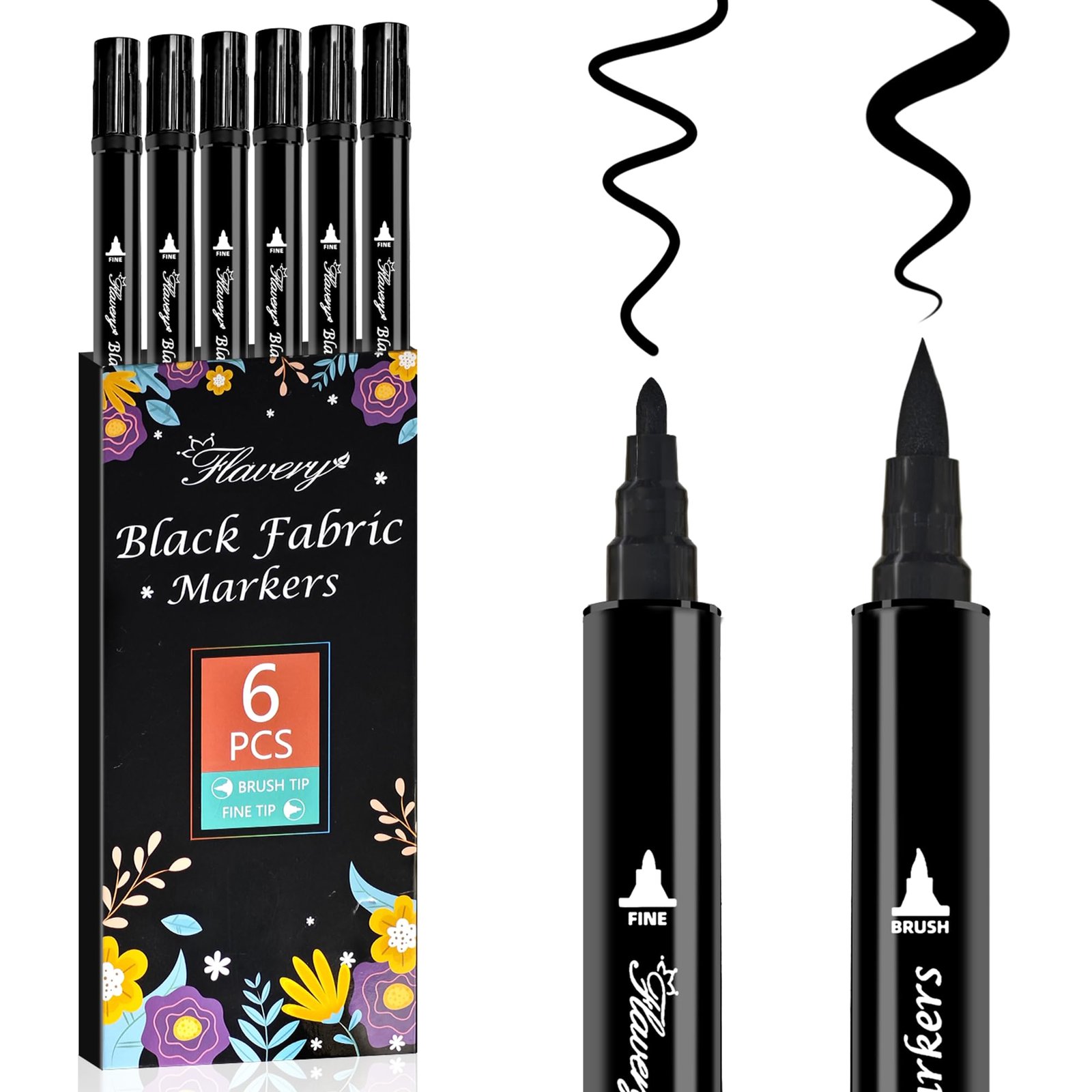
Professional dual-tip black fabric marker set featuring 1mm fine point and 1-3mm brush tip providing versatility for detailed line work and larger fill areas on t-shirts, canvas, and textiles. The permanent ink formula delivers maximum adhesion with minimal bleeding ensuring precise professional-looking designs that withstand repeated washing when properly heat-set. This comprehensive six-pack Joann Fabrics marker set handles everything from intricate illustrations to bold lettering on cotton, denim, and canvas materials perfect for personalizing clothing, decorating bags, and creating custom textile art projects.
- Dual-tip design with fine and brush points
- 1mm fine tip for detailed work
- 1-3mm brush tip for filling
- Permanent fade-resistant ink
- Minimal bleeding formula
- Six-pack quantity included
- Works on t-shirts, canvas, bags
- Professional design quality
Sharpie Rub-A-Dub Laundry Marker Fine Point Black
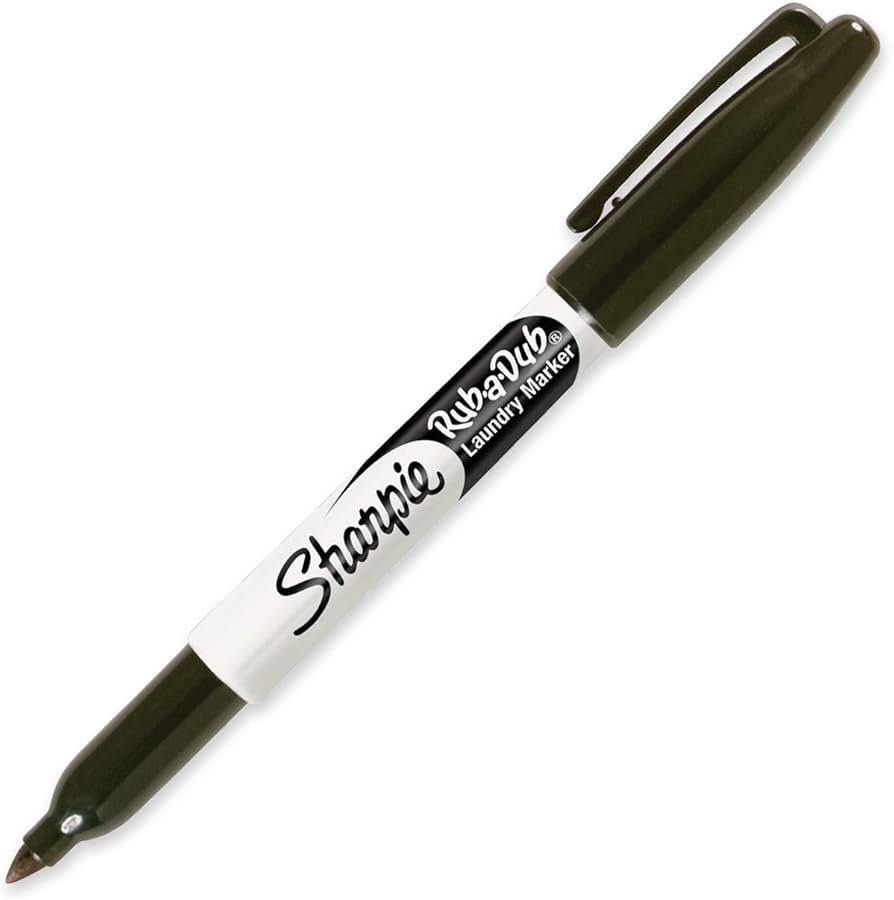
Specialized fine-point black laundry marker featuring uniquely formulated permanent ink that remains visible through washing and dry cleaning without bleeding or feathering on cloth materials. This Joann Fabrics porous-tip marking pen makes clothing identification quick and easy perfect for labeling children’s school uniforms, camp clothing, sports gear, and bedding with names and information. The professional laundry marker delivers consistent fine lines ideal for writing on fabric tags, care labels, and textile identification ensuring markings survive repeated commercial and home laundering cycles.
- Fine-point porous tip
- Permanent laundry marker formula
- No bleeding or feathering
- Survives washing and dry cleaning
- Quick-drying permanent ink
- Ideal for clothing labels
- Professional identification marking
- Single marker included
Proper Application Techniques
Achieving professional results with black fabric pens requires proper surface preparation and application methods maximizing ink adhesion and design clarity. Following recommended techniques prevents common problems including bleeding, fading, and poor permanence.
Surface Preparation
Pre-washing fabrics removes sizing, oils, and manufacturing residues that interfere with ink absorption producing clearer more permanent marks. Clean material accepts pigments more readily than untreated fabric straight from packages or storage.
Placing cardboard or cutting boards inside clothing prevents ink bleeding through to back layers while providing firm support for controlled marking. This protective backing ensures designs appear only where intended without unwanted transfer.
Stretching fabric taut using embroidery hoops or frames eliminates wrinkles and movement during application enabling smoother more controlled pen strokes. Secure surfaces produce cleaner lines with consistent ink flow compared to loose shifting materials.
Application Method
Testing markers on identical fabric scraps reveals how specific combinations perform together identifying potential bleeding, poor adhesion, or visibility issues. This crucial precaution prevents irreversible mistakes on final projects allowing technique adjustments before permanent marking.
Maintaining consistent pressure produces uniform line width and color saturation throughout designs preventing patchy or uneven appearances. Too light pressure creates faint marks while excessive force damages delicate fabrics or causes ink flooding and bleeding.
Working systematically from top to bottom and left to right (for right-handed users) prevents smudging wet ink with hands or arms. This organized approach maintains design integrity especially important for complex illustrations requiring extended working time.
Heat-Setting Process
Allowing ink to dry completely for 24 hours before heat-setting ensures solvents evaporate fully maximizing permanent bonding with fabric fibers. Premature heat application can cause incomplete curing reducing wash resistance and longevity.
Placing clean pressing cloths between fabric irons and marked designs prevents pigment transfer to iron plates while distributing heat evenly. This protective layer also prevents scorching delicate fabrics during the setting process.
Applying appropriate heat for 2-5 minutes on cotton settings without steam activates permanent bonding between ink and fibers. Following specific manufacturer recommendations regarding temperature and duration ensures optimal wash resistance and fade prevention.
Working with Different Fabric Types
Black fabric marker performance varies significantly across textile types requiring technique adaptation and sometimes formula selection. Understanding material-specific characteristics prevents frustration and produces optimal results across diverse projects.
Cotton and Natural Fibers
Cotton fabrics provide ideal surfaces for Joann black fabric pens thanks to absorbent fiber structures that readily accept and retain permanent inks. The porous weave allows pigment penetration creating strong bonds that resist washing while producing crisp clean lines.
Linen behaves similarly to cotton though its slightly rougher texture may create subtle line variations adding character to designs. The natural slubs and texture variations characteristic of linen contribute rustic appeal some artists appreciate in finished work.
Denim and Heavy Canvas
Denim’s dense tight weave sometimes resists fine-tipped markers requiring slower application or multiple passes for adequate pigment deposit. The substantial fabric structure accepts permanent inks well once properly applied making it excellent for custom jacket and jean designs.
Heavy canvas materials provide excellent surfaces for black fabric markers though very thick weights may require multiple applications for desired opacity. The textured surface creates slight line variations that typically enhance rather than detract from finished designs.
Synthetic Materials
Outdoor fabrics featuring water-resistant coatings resist standard fabric marker absorption requiring specialized formulations designed for synthetic materials. Testing compatibility before marking ensures markers will adhere properly rather than beading or wiping away.
Stretch fabrics including jersey and spandex blends require marking in relaxed states to prevent distorted lines when material returns to natural tension. The elastic characteristics can also cause ink cracking if markers don’t flex with fabric movement.
Specialty Textiles
Velvet and velour demand gentle marking pressure to avoid crushing pile texture while depositing adequate pigment for visibility. Working from the wrong side when possible preserves luxurious surface appearance while still providing necessary guidelines or designs.
Vinyl fabric requires specialized markers as standard fabric pens fail to adhere to non-porous surfaces. Paint pens or markers specifically formulated for plastics work better on vinyl projects than traditional textile marking tools.
Creative Applications and Projects
Black fabric pens enable countless creative applications from practical labeling to sophisticated artistic endeavors. Understanding diverse project possibilities inspires innovation while demonstrating marker versatility across various textile arts.
Personalized Clothing
Creating custom t-shirts with original designs, quotes, or illustrations transforms basic garments into unique fashion statements. Black marker artwork on light-colored shirts produces striking contrast perfect for graphic designs, typography, and line art.
Personalizing fabric bags with names, monograms, or decorative patterns creates distinctive accessories impossible to confuse with others. Custom tote bags featuring original artwork make thoughtful personalized gifts showcasing both creativity and effort.
Character Fabric Projects
Outlining designs on printed fabrics like Harry Potter fabric or Marvel fabric adds definition and emphasis to existing characters. Black marker outlines make printed designs pop creating comic-book style effects that enhance visual impact.
Adding details to themed fabrics including SpongeBob fabric or Mario fabric personalizes projects beyond standard printed patterns. Custom additions create one-of-a-kind pieces combining licensed characters with original artistic elements.
Home Décor Applications
Designing custom pillowcases, table runners, and wall hangings with black fabric markers creates coordinated home décor reflecting personal style. Monochromatic designs featuring intricate patterns or meaningful quotes add sophisticated touches to living spaces.
Creating fabric artwork for framing produces unique wall décor combining textile texture with permanent marker illustrations. These mixed-media pieces offer visual interest impossible to achieve with traditional paper-based artwork alone.
Practical Labeling Uses
Marking children’s school uniforms, sports gear, and camp clothing with names ensures items return home correctly preventing loss. Permanent black markers withstand commercial laundering maintaining clear identification through school years and activity seasons.
Labeling fabric storage bins, organizational systems, and craft supplies creates functional identification surviving handling and environmental exposure. Clear permanent markings maintain organization helping locate items quickly without confusion or misplacement.
Troubleshooting Common Problems
Understanding typical black fabric marker issues helps prevent frustration and project failures. Recognizing problems early enables corrections before permanent mistakes ruin finished pieces.
Bleeding and Spreading
Excessive ink bleeding beyond intended lines typically indicates fabric too absorbent or ink application too heavy. Using lighter pressure with multiple passes rather than single heavy applications prevents pigment oversaturation causing unwanted spreading.
Pre-treating highly absorbent fabrics with fabric stabilizer creates barriers slowing ink absorption allowing controlled line formation. This preventive measure proves especially valuable for delicate or loosely-woven materials prone to bleeding issues.
Poor Adhesion
Markers failing to adhere properly often result from fabric finishes, oils, or synthetic surfaces resisting ink absorption. Thoroughly cleaning materials before marking removes interfering substances while switching to specialized synthetic-fabric markers addresses non-porous surface challenges.
Inadequate heat-setting causes premature fading or washing away of designs that initially appeared permanent. Following manufacturer specifications regarding temperature, duration, and technique ensures maximum ink bonding preventing disappointing results after laundering.
Fading and Color Loss
Designs fading prematurely typically result from insufficient heat-setting, harsh detergents, or excessive sun exposure. Using appropriate setting procedures, gentle detergents, and protecting finished items from prolonged UV exposure maximizes design longevity.
Washing decorated items inside-out in cold water with mild soap preserves black marker designs longer than harsh laundering conditions. Air drying or low-heat tumble drying further protects artwork from accelerated fading caused by high temperatures.
Tip Problems
Frayed or splayed marker tips result from excessive pressure or fabric texture damaging delicate felt or brush fibers. Using appropriate pressure and selecting tip styles suited to fabric texture prevents premature wear extending marker useful life.
Clogged tips causing inconsistent flow require cleaning with appropriate solvents or warm water depending on ink formulation. Regular tip maintenance prevents buildup that interferes with smooth ink delivery during application.
Pro Tip: Always test your Joann black fabric pen on an identical scrap of fabric before marking your final project, then wash the test piece to verify permanence and appearance. This simple precaution reveals potential issues when they remain easily correctable.
Storage and Maintenance
Proper storage significantly extends black fabric marker lifespan ensuring reliable performance when creative inspiration strikes. Following recommended care practices prevents premature drying maintaining consistent ink flow throughout marker life.
Optimal Storage Conditions
Storing markers horizontally rather than vertically distributes ink evenly throughout barrels preventing settlement that causes flow problems. Horizontal positioning also prevents gravity from pulling pigment away from tips reducing performance over time.
Maintaining moderate temperatures between 60-75°F preserves ink consistency preventing degradation from extreme heat or cold. Temperature extremes cause formula changes affecting flow characteristics and potentially damaging marker components permanently.
Replacing caps securely immediately after each use maintains internal moisture preventing tip drying and solvent evaporation. Even brief cap removal during extended work sessions causes evaporation affecting marker performance particularly in low-humidity environments.
Maintenance Practices
Cleaning tips regularly removes accumulated fabric fibers and dried ink preventing buildup that clogs markers or creates uneven flow. Gentle cleaning with appropriate solvents or warm water depending on formulation maintains optimal performance through extended use.
Testing rarely-used markers periodically ensures they remain functional before starting projects depending on their performance. This proactive approach prevents discovering dried or malfunctioning markers during critical creative moments when replacements aren’t immediately available.
Reviving Dried Markers
Partially dried markers sometimes respond to adding single drops of rubbing alcohol or specialized pen reviver fluid to tips. This gentle rehydration restores flow to markers showing early drying signs though heavily dried markers rarely recover functionality.
Soaking just the tip (not entire pen) in warm water for several seconds sometimes loosens dried ink restoring flow. This revival method works best on water-based formulations rather than alcohol-based permanent inks requiring different solvents.
Safety and Child-Friendly Options
Understanding safety considerations ensures appropriate black fabric marker selection for different users especially children. Non-toxic formulations and proper supervision enable creative expression without health concerns.
Safety Certifications
AP Certified Non-Toxic markers meet Art & Creative Materials Institute standards indicating products contain no materials in sufficient quantities causing toxicity. This certification ensures safety for children and adults during normal use according to labeled instructions.
ASTM D-4236 compliance means products underwent toxicologist evaluation and feature appropriate warning labels if needed. This standard provides additional assurance regarding material safety when used as directed.
Child-Appropriate Features
Washable black fabric markers allow children creative freedom without permanent consequences enabling practice and experimentation. These temporary formulations let young artists explore textile decoration without pressure of creating perfect permanent designs.
Ergonomic barrel designs with slightly thicker profiles suit small hands better than standard markers improving control and comfort. Durable construction withstanding drops and rough handling stands up to enthusiastic young artists’ natural exuberance.
Supervised Project Ideas
Creating personalized bookmarks from cotton fabric ribbon provides simple introductory projects for children learning fabric marker techniques. These small-scale applications build confidence and skills before attempting larger more complex designs.
Decorating plain canvas shoes or tote bags gives children functional items showcasing their artwork encouraging pride in handmade creations. These practical projects demonstrate how artistic skills create useful beautiful objects beyond mere decorative exercises.
Advanced Techniques
Mastering advanced black fabric marker techniques elevates projects from basic to professional quality. These specialized skills enable sophisticated designs showcasing artistic expertise and technical proficiency.
Shading and Depth
Creating shading effects with black markers involves varying pressure and stroke density building gradual tonal transitions. Cross-hatching, stippling, and layered lines produce dimensional effects adding depth and realism to illustrations.
Combining different tip sizes enables sophisticated shading from fine detail to broad fill areas within single designs. This multi-tip approach produces professional results impossible to achieve using single marker sizes alone.
Lettering and Calligraphy
Brush-tip markers enable calligraphic effects featuring varied line widths from thin upstrokes to bold downstrokes. Practicing pressure control on fabric scraps builds muscle memory for consistent letterforms matching traditional calligraphy aesthetics.
Creating guide lines with fabric chalk or white markers ensures consistent letter spacing and baseline alignment. These temporary guides wash away leaving only finished lettering maintaining professional appearance.
Mixed Media Approaches
Combining black fabric markers with fabric paints creates dynamic designs featuring both precise lines and filled color areas. This mixed approach produces effects impossible using either medium alone expanding creative possibilities.
Using black markers for outlining before adding colored fabric markers defines design elements creating comic-book style artwork. The bold black boundaries make colors appear more vibrant while adding visual structure to compositions.
Complementary Tools and Supplies
Black fabric markers work best alongside complementary tools optimizing results across diverse projects. Building comprehensive toolkits ensures preparedness for various creative applications and techniques.
Marking and Layout Tools
Fabric pencils create preliminary guidelines for complex designs allowing adjustments before permanent marker application. These erasable marks ensure proper placement and spacing without committing to final lines prematurely.
Transfer paper enables accurate design replication from printed patterns to fabric surfaces ensuring precise placement. This tool proves invaluable for complex illustrations or repeated designs requiring consistency across multiple pieces.
Cutting and Preparation Tools
Sharp fabric scissors enable clean cuts following marked lines without ragged edges or fabric distortion. Quality cutting tools produce professional-looking finished pieces maximizing the impact of careful marking and design work.
Fabric clips secure materials during marking preventing shifting that causes misaligned or distorted designs. These holding tools prove especially valuable when working with stretchy or slippery fabrics requiring extra stabilization.
Supporting Equipment
Sewing machines complement fabric marker work by assembling marked and decorated pieces into finished projects. The combination of accurate marking and quality construction produces professional results showcasing both artistic and technical skills.
Light boxes assist transferring complex designs onto fabric enabling accurate tracing without freehand drawing. This tool proves invaluable for detailed illustrations or patterns requiring precise replication beyond basic freehand capabilities.
Frequently Asked Questions
Yes, most Joann Fabrics black pens are permanent when properly heat-set according to manufacturer instructions creating wash-resistant marks that survive repeated laundering. The permanent formulations contain specialized inks designed to bond with fabric fibers rather than merely sitting on the surface. Proper heat-setting using an iron or dryer activates these bonding properties ensuring designs withstand normal washing in cold or warm water with mild detergent. Some markers labeled as washable or temporary are designed to fade or disappear with washing serving different purposes than permanent options.
Natural fiber fabrics including cotton, linen, and canvas work best with Joann black fabric pens due to absorbent fiber structures that readily accept and retain permanent inks. These materials allow pigment penetration creating strong bonds that resist washing while producing crisp clean lines with minimal bleeding. Denim performs excellently for customization projects while cotton-polyester blends generally work well though with slightly less permanence than pure cotton. Synthetic fabrics like polyester and nylon present challenges requiring specialized markers formulated for non-porous surfaces.
Heat-set black fabric marker designs by allowing ink to dry completely for 24 hours then placing a clean pressing cloth over the design and applying a hot iron on cotton setting without steam for 2-5 minutes. The heat activates permanent bonding between ink and fabric fibers ensuring maximum wash resistance and longevity. Alternatively place items in a clothes dryer on high heat for 30 minutes after ink dries completely. Always check specific manufacturer recommendations as temperature requirements and duration vary between brands with some requiring different setting procedures.
Yes, clothes marked with properly heat-set permanent black fabric pens can be washed repeatedly without significant fading when laundered correctly. Wash decorated items inside-out in cold or warm water with mild detergent avoiding bleach and harsh chemicals that accelerate fading. Air drying or low-heat tumble drying preserves designs longer than high-temperature drying. Quality permanent markers properly heat-set survive dozens or hundreds of wash cycles maintaining clear visibility though some gradual fading over extended time is normal even with best markers and care practices.
Fine-tip black fabric pens feature rigid pointed tips measuring 0.5-1.0mm ideal for detailed line work, precise lettering, and intricate designs requiring maximum control. Brush-tip pens offer flexible tapered tips that vary line width from thin to broad depending on pressure and angle perfect for versatile applications including both detail work and fill areas. Fine tips excel at signatures, small text, and elaborate patterns while brush tips suit calligraphy, varied-width designs, and projects requiring both outlining and filling without switching markers.
Yes, black fabric pens labeled as non-toxic and conforming to ASTM D-4236 or AP Certified standards are safe for children under appropriate supervision. Water-based formulations typically have milder odors than alcohol-based options making them more suitable for young users. Washable black fabric markers allow children creative freedom without permanent consequences enabling practice without pressure of creating perfect designs. Always supervise young children during use, ensure adequate ventilation, and select age-appropriate markers with ergonomic designs suited to small hands.
Properly heat-set black fabric marker designs last for years surviving dozens or hundreds of wash cycles when made with quality permanent markers and cared for correctly. Professional-grade markers offer superior fade resistance maintaining visibility through extended use while budget options may fade more quickly. Washing in cold water with mild detergent, air drying, and protecting from excessive sun exposure maximizes design longevity. Even best markers experience some gradual fading over time particularly with frequent washing though quality products maintain acceptable appearance through normal garment lifespan when properly applied and cared for.
Related Resources
- Fabric Markers – Complete color selection
- Markers for Sewing – General marking tools
- White Fabric Marker – Dark fabric marking
- Grey Fabric Marker – Alternative colors
- Brown Fabric Marker – Color options
- Fabric Chalk – Temporary marking
- Fabric Pencil – Precise guidelines
- Fabric Scissors – Cutting tools
- Fabric Clips – Material securing
- Fabric Iron – Heat-setting tool
- Canvas Fabric – Ideal materials
- Fabric Bags – Project applications
- Fabric Ribbon – Craft materials
- Sewing Machines – Complementary equipment
Create Lasting Designs with Confidence
Joanns black fabric pens transform basic textiles into personalized creations showcasing individual style through permanent designs that withstand regular washing. Understanding marker types, proper application techniques, and heat-setting procedures ensures professional results across cotton, denim, canvas, and various textile projects.
The versatility of black fabric markers enables everything from practical clothing labels to sophisticated artistic illustrations demonstrating their value across diverse applications. Proper fabric selection, surface preparation, and maintenance practices maximize design longevity creating lasting pieces worthy of time and creative investment.
Start your fabric customization projects with quality marking tools, appropriate cutting supplies, and reliable heat-setting equipment to achieve professional results showcasing both artistic vision and technical expertise in every permanent design.