
Bulky Yarn: Complete Guide to Choosing and Using Chunky Weight Yarn for Fast Projects
Thick, Cozy, and Quick-Working Bulky Weight Yarn for Blankets, Sweaters, Scarves, and Winter Accessories
Bulky yarn offers crafters quick-working thickness perfect for creating warm blankets, cozy sweaters, and winter accessories in record time. This category 5 weight yarn sits between worsted and super bulky, delivering substantial texture and definition while working up faster than lighter weight alternatives.
Understanding bulky yarn characteristics helps crafters select appropriate materials for projects requiring warmth, durability, and rapid completion. The thick strands create satisfying results with fewer stitches per inch, making bulky weight ideal for beginners and experienced crafters seeking instant gratification from their handmade creations.
What Makes Bulky Yarn Different
Bulky yarn measures approximately twice as thick as worsted weight, classified as category 5 in the Craft Yarn Council’s standardized system. This thickness translates to faster project completion using larger needles and hooks while creating fabric with substantial warmth and impressive texture.
The gauge for bulky yarn typically ranges 12-15 stitches per 4 inches on knitting needles sized US 9-11 (5.5-8mm). Crochet gauge measures approximately 8-11 single crochet stitches per 4 inches using hooks sized K-10.5 to M-13 (6.5-9mm), producing defined stitch patterns with minimal effort.
Thickness and Structure
Bulky yarn’s substantial diameter creates fabric with natural loft and insulation properties ideal for cold-weather garments and accessories. The thick strands hold their shape well, producing items that maintain structure without excessive draping or stretching over time.
This weight category accommodates various ply constructions from single-ply roving styles to multiple twisted strands. Different structures affect the yarn’s behavior during knitting or crochet, with tightly plied yarns offering durability while loosely spun options provide exceptional softness and bloom.
Speed and Efficiency
Projects created with bulky yarn work up significantly faster than those made with lighter weights, often completing blankets in weekends rather than months. The larger stitches cover more area per row, reducing total row count needed for finished items while maintaining warmth and functionality.
Beginners particularly appreciate bulky yarn’s forgiving nature as larger stitches make tension irregularities less noticeable. The quick progress provides motivation and confidence, allowing new crafters to complete satisfying projects while developing essential skills.
Common Fiber Types in Bulky Yarn
Bulky yarn comes in diverse fiber compositions each offering unique properties affecting warmth, durability, and care requirements. Understanding fiber characteristics helps crafters select appropriate yarns matching project needs and intended use conditions.
Acrylic Bulky Yarn
Acrylic provides affordable, machine-washable bulky yarn ideal for everyday items requiring frequent laundering like children’s blankets and winter accessories. The synthetic fibers resist pilling and fading through repeated wash cycles while maintaining shape and color vibrancy.
Premium acrylic bulky yarns offer surprising softness rivaling natural fibers at lower price points. These budget-friendly options enable large-scale projects without significant financial investment, making acrylic perfect for charity knitting, practice projects, and high-volume crafting.
Wool and Wool Blends
Wool bulky yarn delivers superior warmth and natural elasticity producing garments that breathe while insulating effectively. Merino wool offers exceptional softness suitable for items worn against skin, while heartier wool breeds provide durability for hard-wearing accessories and outerwear.
Wool-acrylic blends combine natural fiber benefits with synthetic durability and easy care. These hybrid yarns typically feature 50-75% acrylic with remaining wool content, offering machine-washable convenience while retaining wool’s temperature-regulating properties and natural texture.
Specialty Fibers
Alpaca and mohair bulky yarns provide luxurious warmth with distinctive textures suitable for special occasion garments and heirloom pieces. These premium natural fibers offer exceptional insulation without excessive weight, though they typically require hand-washing and careful storage.
Cotton bulky yarn serves warmer climates and summer projects requiring breathable fabric without heavy insulation. The plant-based fiber creates substantial fabric suitable for home decor items, market bags, and transitional-season garments needing structure without warmth.
Premium Acrylic Bulky Yarn Value Pack
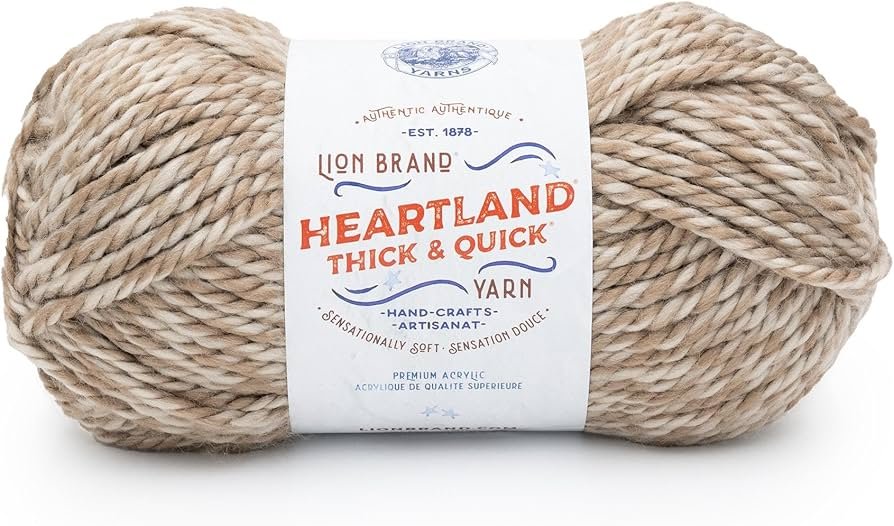
Versatile 100% acrylic bulky weight yarn perfect for quick-working blankets, cozy sweaters, and winter accessories with machine-washable convenience. This premium quality chunky yarn delivers exceptional softness comparable to natural fibers while providing superior durability and easy maintenance ideal for everyday items. The substantial 5-weight thickness works up rapidly on US 9-11 needles or K-M crochet hooks producing defined stitches with excellent color vibrancy.
- 100% premium acrylic fiber
- Category 5 bulky weight
- Machine washable and dryable
- Vibrant, fade-resistant colors
- Soft, wool-like texture
- US 9-11 needle size
- 12-15 stitch gauge
- Generous yardage per skein
Wool Blend Super Chunky Yarn
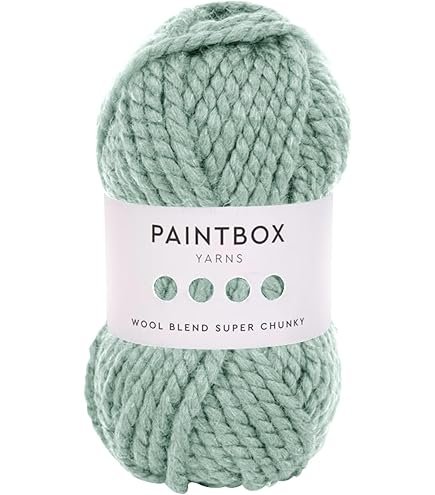
Luxurious 75% acrylic 25% wool blend bulky yarn combining natural fiber warmth with synthetic durability perfect for heirloom blankets and cozy winter garments. This super chunky weight offers exceptional softness and loft while maintaining machine-washable convenience eliminating hand-wash requirements of pure wool. The blended composition provides optimal temperature regulation and moisture-wicking properties ideal for items worn directly against skin including scarves, cowls, and sweaters.
- 75% acrylic 25% wool blend
- Super soft, warm texture
- Machine washable convenience
- Natural temperature regulation
- Excellent stitch definition
- Resistant to pilling
- Multiple color options
- Ideal for garments and accessories
Best Projects for Bulky Yarn
Bulky yarn excels in projects requiring warmth, rapid completion, and substantial texture. The thick strands create impressive results with minimal time investment while delivering functional items suitable for daily use and gift-giving.
Blankets and Afghans
Chunky blankets represent bulky yarn’s most popular application, working up in weekends rather than months while providing exceptional warmth. Simple stitch patterns like garter stitch or single crochet showcase the yarn’s texture without complex techniques, making blankets accessible to beginners.
Lap blankets, throw blankets, and bedding all benefit from bulky yarn’s insulating properties and quick completion time. The substantial fabric weight creates items that feel luxurious and substantial while requiring significantly less yardage than lighter weight alternatives covering same dimensions.
Winter Accessories
Scarves, cowls, and hats made with bulky yarn provide superior warmth through thick, insulating fabric perfect for harsh winter conditions. These smaller projects complete in hours rather than days, making them ideal last-minute gifts or quick personal items.
Chunky mittens and fingerless gloves offer cold-weather hand protection with impressive texture and style. The thick fabric insulates effectively while larger needles and hooks accommodate hand circumference without excessive stitch counts.
Sweaters and Cardigans
Oversized sweaters and cozy cardigans crafted from bulky yarn deliver fashion-forward style with practical warmth. The chunky stitches create trending aesthetic while completing garments faster than traditional sweater weights, though finished items carry more weight than lighter alternatives.
Simple construction techniques work best with bulky yarn as intricate shaping and detailed stitch patterns can become lost in thick strands. Drop-shoulder designs, basic pullovers, and loose-fitting cardigans showcase bulky yarn’s natural texture without complicated techniques.
Working Techniques for Bulky Yarn
Crafting with bulky yarn requires specific considerations regarding tension, needle size, and stitch selection. Understanding proper techniques ensures professional-looking results that showcase the yarn’s natural characteristics without common pitfalls.
Needle and Hook Selection
Choose needle sizes US 9-11 (5.5-8mm) for knitting projects or crochet hooks K-10.5 to M-13 (6.5-9mm) following yarn label recommendations. Testing gauge swatches with suggested sizes confirms proper stitch density before beginning projects, though some patterns intentionally use smaller needles creating denser fabric or larger needles producing drapier results.
Bamboo or wooden needles offer better grip on slippery synthetic yarns preventing stitches from sliding off needle tips. Metal needles work beautifully with sticky natural fibers, providing smooth glide that speeds up knitting process significantly.
Tension Management
Maintain looser tension than with lighter weights allowing bulky yarn’s natural loft to develop fully. Over-tight tension creates stiff, board-like fabric lacking drape and flexibility while wasting yarn’s inherent softness and warmth characteristics.
Check gauge regularly throughout projects as tension naturally tightens with practice or loosens during fatigue. Consistent gauge ensures finished items match pattern dimensions without unexpected size variations requiring extensive blocking or adjustment.
Stitch Pattern Selection
Simple stitch patterns work best with bulky yarn as complex lace or intricate cables become obscured in thick strands. Garter stitch, stockinette, simple ribs, and basic textures showcase yarn’s natural character without overwhelming visual confusion.
Bold, graphic patterns including dramatic cables, large-scale colorwork, and oversized textures complement bulky yarn’s substantial presence. These designs require fewer pattern repeats than lightweight versions while creating impressive visual impact through scale alone.
Care and Maintenance of Bulky Yarn Items
Proper care extends the life of bulky yarn projects maintaining shape, softness, and appearance through years of use. Different fiber types require specific washing and storage approaches preventing damage while preserving yarn’s natural characteristics.
Washing Methods
Machine-washable acrylic and acrylic-blend bulky yarns tolerate regular laundering using gentle cycles and cool water temperatures. Avoid high heat in dryers as excessive temperatures can relax acrylic fibers causing items to stretch or lose shape over time.
Hand-wash natural fiber bulky yarns including pure wool, alpaca, and mohair using lukewarm water and gentle wool wash products. Support item’s weight during washing preventing stretching, then roll in towels removing excess moisture before laying flat to dry maintaining original dimensions.
Storage Solutions
Store completed bulky yarn items folded flat rather than hanging preventing shoulder stretching and shape distortion. Natural fibers require moth prevention through cedar blocks or lavender sachets protecting against insect damage during storage periods.
Clean items before long-term storage removing body oils and dirt that attract pests or cause yellowing. Store in breathable cotton bags or acid-free tissue paper avoiding plastic containers that trap moisture encouraging mildew growth.
Pro Tip: Always create gauge swatches with bulky yarn before beginning projects. The thick strands magnify tension variations, and working with recommended needle sizes ensures proper drape and dimensions matching pattern specifications for professional-looking results.
Cost Considerations and Value
Bulky yarn pricing varies significantly based on fiber content, brand reputation, and yardage per skein. Understanding cost factors helps crafters budget effectively while selecting appropriate quality levels for different project types and intended recipients.
Yardage Requirements
Bulky yarn projects require fewer total yards than lighter weights covering same dimensions due to thicker strand diameter. A throw blanket needing 2000 yards of worsted weight might require only 1200-1400 yards of bulky yarn, though individual skeins contain less yardage requiring multiple purchases.
Calculate total project yardage carefully accounting for gauge variations and personal tension differences. Purchase extra skeins from same dye lot ensuring color consistency throughout projects as bulky yarns can show noticeable color variations between different production batches.
Budget Options
Economy acrylic bulky yarns offer excellent value for large projects, practice items, and children’s accessories requiring frequent washing. These budget-friendly options typically range under five dollars per skein making extensive projects financially accessible.
Premium natural fiber bulky yarns command higher prices reflecting fiber quality and processing costs. Reserve luxury yarns for special garments, heirloom pieces, and gifts where superior softness and natural fiber properties justify increased investment.
Troubleshooting Common Issues
Working with bulky yarn presents unique challenges requiring specific solutions. Understanding common problems and their remedies prevents frustration while ensuring successful project completion with professional-looking results.
Splitting and Snagging
Loosely plied bulky yarns tend toward splitting during knitting or crochet as needle tips catch individual plies. Use needles with smooth, rounded tips avoiding sharp points that separate plies, and maintain consistent tension preventing excessive yarn twist.
Fuzzy or hairy bulky yarns including mohair blends catch on rough hands or split nails. Apply hand lotion before crafting sessions smoothing skin texture, and keep nails filed preventing snags that damage yarn structure.
Weight and Drape Issues
Bulky yarn garments carry more physical weight than lighter alternatives potentially causing shoulder stress or garment stretching over time. Design items with structural support including ribbed edges, short row shaping, or knit-in elastic preventing distortion.
Excessive drape in bulky yarn projects indicates over-loose tension or too-large needles. Rework samples using smaller needles achieving proper fabric density that holds shape while maintaining appropriate flexibility.
Join and Weave Issues
Thick bulky yarn creates obvious joins and bulky weave-ins showing through finished fabric. Use Russian joins or spit-splicing techniques creating nearly invisible connections, and weave ends through same-color areas where bulk becomes less noticeable.
Plan color changes strategically at seam lines or pattern edges where ends can be incorporated into construction. This approach eliminates mid-row joins that create visible bulk interrupting fabric’s smooth surface.
Substituting Bulky Yarn in Patterns
Successfully substituting bulky yarn requires matching gauge, fiber characteristics, and yardage requirements. Thoughtful substitutions enable personal color preferences and fiber choices while maintaining pattern integrity and finished item dimensions.
Gauge Matching
Always swatch potential substitutes confirming they achieve pattern’s specified gauge using recommended needle sizes. Bulky yarns vary significantly in actual thickness despite category classification, with some brands measuring closer to heavy worsted while others approach super bulky territory.
Adjust needle sizes as needed achieving correct stitch and row gauge even when using different yarn than pattern specifies. Proper gauge ensures finished dimensions match pattern specifications preventing unwearable garments or improperly sized accessories.
Fiber Considerations
Match substitute yarn’s fiber content to original’s characteristics considering drape, elasticity, and care requirements. Substituting inelastic cotton for stretchy wool dramatically changes fabric behavior affecting fit and wearability particularly in garments.
Consider finished item’s intended use when selecting substitute fibers ensuring care requirements align with recipient’s lifestyle. Baby blankets require machine-washable yarns while decorative throws accommodate hand-wash-only luxury fibers.
Combining Bulky Yarn with Other Weights
Creative crafters combine bulky yarn with lighter weights achieving unique textures and visual effects. These techniques expand design possibilities while utilizing existing stash yarns effectively.
Held Double Techniques
Hold two strands of lighter weight yarn together approximating bulky weight’s thickness and gauge. This technique enables custom color blending and texture mixing unavailable in single-strand bulky yarns while utilizing stash yarns economically.
Combining worsted weight with fingering or sport weight creates pseudo-bulky yarn with unique characteristics. Experiment with different weight combinations achieving desired gauge while creating one-of-a-kind color effects.
Contrast Weight Effects
Incorporate lighter weight yarn accents into predominantly bulky yarn projects creating visual interest and texture variation. Delicate lace edgings on chunky blankets or fine-gauge colorwork on bulky sweaters provide sophisticated contrast elevating simple projects.
These mixed-weight techniques require planning ensuring gauge compatibility and structural integrity throughout combined areas. Test swatches confirm weight transitions work smoothly without puckering or distortion.
Frequently Asked Questions
Bulky yarn excels in projects requiring warmth, rapid completion, and substantial texture including blankets, winter accessories, and cozy sweaters. The thick strands work up quickly on larger needles creating items with excellent insulation properties perfect for cold weather. Beginners particularly appreciate bulky yarn’s forgiving nature as larger stitches make mistakes less noticeable while providing motivation through fast progress and satisfying results.
Yes, bulky yarn creates excellent baby blankets when you select machine-washable acrylic or acrylic-blend options suitable for frequent laundering. The thick fabric provides warmth without excessive weight while working up quickly for time-conscious gift-giving. Avoid loosely plied or fuzzy bulky yarns that shed fibers potentially creating choking hazards, and choose smooth, tightly constructed yarns in hypoallergenic fibers ensuring safety for sensitive infant skin.
Blanket yardage depends on finished dimensions and stitch density with typical throw blankets requiring 1200-1600 yards of bulky yarn. Baby blankets need approximately 600-800 yards while larger bed-sized blankets consume 2000-2500 yards or more. Always check specific pattern requirements and purchase extra yarn from the same dye lot ensuring adequate supply for project completion without color variations from different production batches.
Bulky yarn typically requires US 9-11 (5.5-8mm) knitting needles or K-10.5 to M-13 (6.5-9mm) crochet hooks achieving standard gauge of 12-15 stitches per 4 inches. Always check yarn label recommendations and work gauge swatches confirming proper needle size for your tension and desired fabric characteristics. Some patterns intentionally use smaller needles creating denser fabric or larger needles producing drapier results depending on project requirements and aesthetic preferences.
Absolutely, bulky yarn provides excellent choice for beginners due to quick progress, forgiving nature, and visible stitches making technique observation easier. The thick strands work up rapidly delivering satisfaction and motivation while larger needles feel comfortable for hands developing muscle memory. Simple stitch patterns showcase bulky yarn beautifully without requiring complex techniques, allowing new crafters to complete impressive projects while building fundamental skills and confidence.
Machine washing depends entirely on fiber content with acrylic and acrylic-blend bulky yarns tolerating regular machine laundering using gentle cycles. Wool and natural fiber bulky yarns typically require hand washing preventing felting and shrinkage though some superwash-treated wools accept machine washing. Always check yarn label care instructions and test wash swatches before laundering completed projects ensuring appropriate care methods that maintain item integrity and appearance through repeated cleaning.
Yarn splitting occurs when needle tips separate loosely plied strands or catch individual fibers during knitting or crochet. Use needles with smooth, rounded tips rather than sharp points that pierce yarn structure, and maintain consistent tension preventing excessive twist. Loosely spun or hairy bulky yarns split more readily than tightly plied options, so consider switching to more structured yarns if splitting becomes problematic affecting project enjoyment and finished appearance.
Start Your Bulky Yarn Projects Today
Bulky yarn delivers rapid project completion combined with impressive warmth and texture perfect for blankets, accessories, and cold-weather garments. The substantial thickness creates satisfying progress while producing functional items suitable for daily use, gift-giving, and personal enjoyment throughout winter months.
Whether selecting machine-washable acrylic for practical everyday items or luxurious wool blends for special occasions, understanding bulky yarn characteristics ensures successful project outcomes. The quick-working weight accommodates all skill levels from beginners seeking fast results to experienced crafters desiring efficient completion of large-scale pieces.
Begin your chunky creations with quality bulky yarn, appropriate needles matching gauge requirements, and simple patterns showcasing the yarn’s natural beauty and warmth without unnecessary complications.