
Fabric Clips Fasteners: Essential Guide to Choosing and Using Sewing Clips
Handheld Stitch Clips, Wonder Clips, and Snap Fasteners for Sewing, Quilting, and Craft Projects
Fabric clips fasteners revolutionize project assembly by securely holding material layers together without piercing delicate textiles, leaving pin holes, or risking injury from sharp points. These spring-loaded tools grip fabric edges firmly while allowing smooth feeding under sewing machine presser feet, making them essential for working with leather, vinyl, thick layers, and specialty materials that traditional pins damage.
Modern fabric clips feature flat bottom edges with measurement markings for precise seam allowances, bright colors for easy visibility, and ergonomic designs that open with one hand. The versatility extends from quilting and garment construction to bag making and home decor projects where secure, non-invasive fabric fastening proves essential.
Understanding Fabric Clips Fasteners
Fabric clips fasteners use spring-loaded mechanisms with flat gripping surfaces to hold material layers securely from edges rather than piercing through like traditional pins. The non-invasive clamping action prevents permanent holes in fabrics while providing strong holding power that withstands handling and machine sewing.
Most quality clips include measurement markings ranging from 1/8 inch to 3/4 inch along their flat bottom edges, enabling consistent seam allowances without separate measuring tools. The bright plastic or metal construction in colors like red, blue, and purple makes clips nearly impossible to lose in fabric folds or on work surfaces.
Key Design Features
The flat bottom edge allows clips to slide smoothly under presser feet without catching or causing machine needle deflection. This critical design element distinguishes sewing clips from general-purpose spring clamps that cannot pass through tight spaces between presser foot and feed dogs.
Spring tension varies between clip types with lighter tension suitable for delicate fabrics and stronger springs designed for thick materials like multiple canvas layers or leather goods. Adjustable tension models let users control gripping pressure based on current project requirements.
Fabric Clips vs Traditional Pins
Fabric clips excel when working with materials that show permanent pin holes including leather, suede, vinyl fabric, laminated textiles, and coated waterproof materials. The edge-gripping action eliminates visible damage that compromises finished project appearance and fabric integrity.
Clips provide superior safety by eliminating sharp points that cause finger pricks, hidden pins left in finished garments, and hazards of dropped pins on floors where children or pets might encounter them. The one-handed opening mechanism speeds project assembly significantly compared to inserting and removing individual pins.
When Clips Work Best
Thick material assemblies including multiple denim layers, heavy outdoor fabrics, or quilted sections benefit from clips’ stronger gripping power that holds bulk securely. Traditional pins often bend or lose grip when attempting to secure substantial fabric thickness.
Edge-based projects like binding quilt perimeters, attaching trim, or hemming garments utilize clips optimally since fastening occurs along material edges rather than interior areas. Slippery fabrics including satin and silk behave better with clips preventing the fabric shift that pins sometimes allow.
Handheld Stitch Gun Quick Clothing Fixer Kit
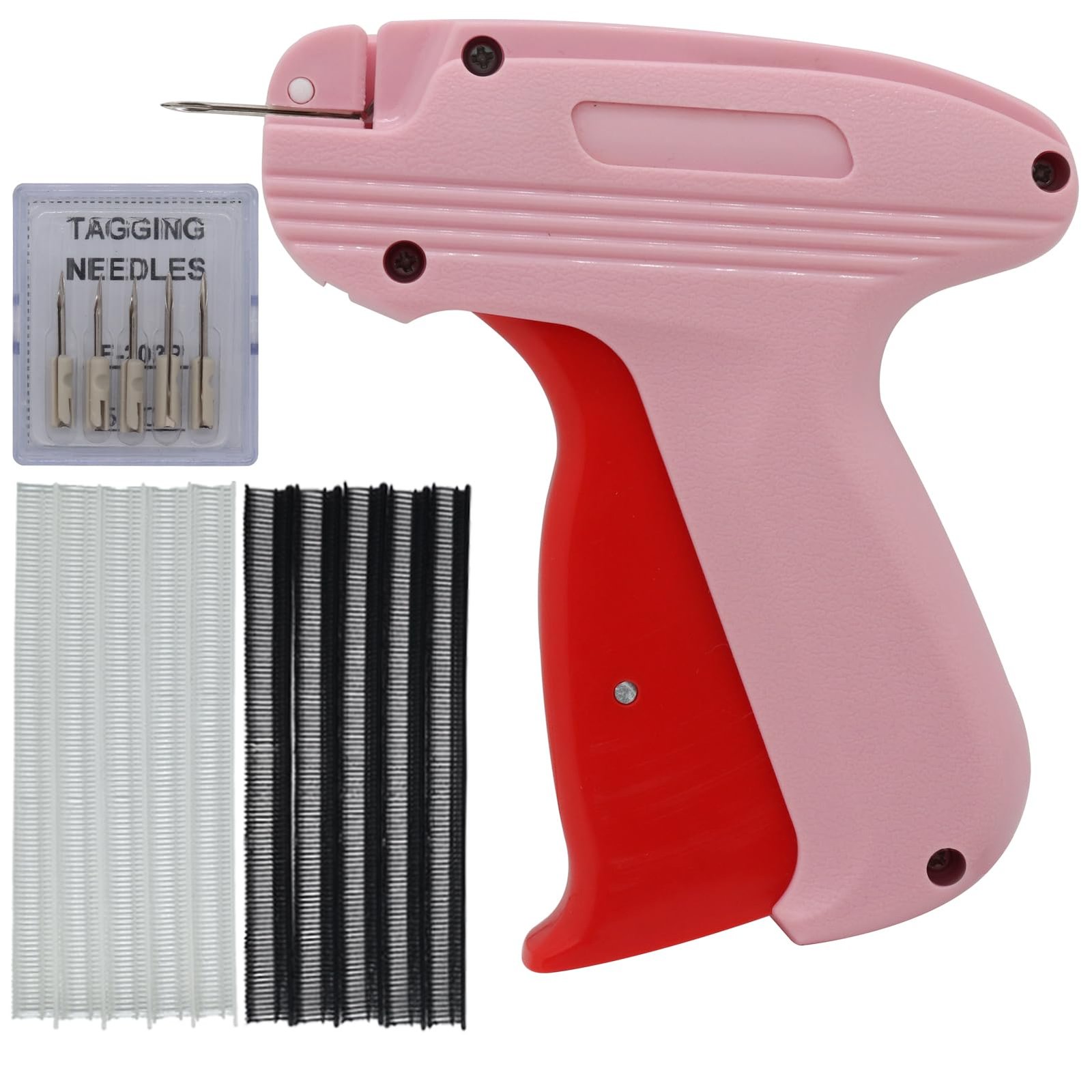
Professional handheld stitch gun kit featuring upgraded 5mm fine needle technology that creates almost invisible stitching perfect for emergency clothing repairs on soft fabrics including wool, linen, denim, polyester, and quilts. This quick clothes holder includes 6 needles plus 1000 black fasteners and 1000 white fasteners providing complete supplies for immediate fabric fixing projects. The improved fine needle design delivers super durable stitches that remove easily without damaging garments, making temporary clothing adjustments and quick hemming operations simple and efficient.
- 5mm fine needle technology
- Almost invisible stitching
- Includes 6 replacement needles
- 1000 black fasteners included
- 1000 white fasteners included
- Works on multiple fabric types
- Easy stitch removal
- Emergency repair tool
Metal Snap Fasteners Kit with Pliers
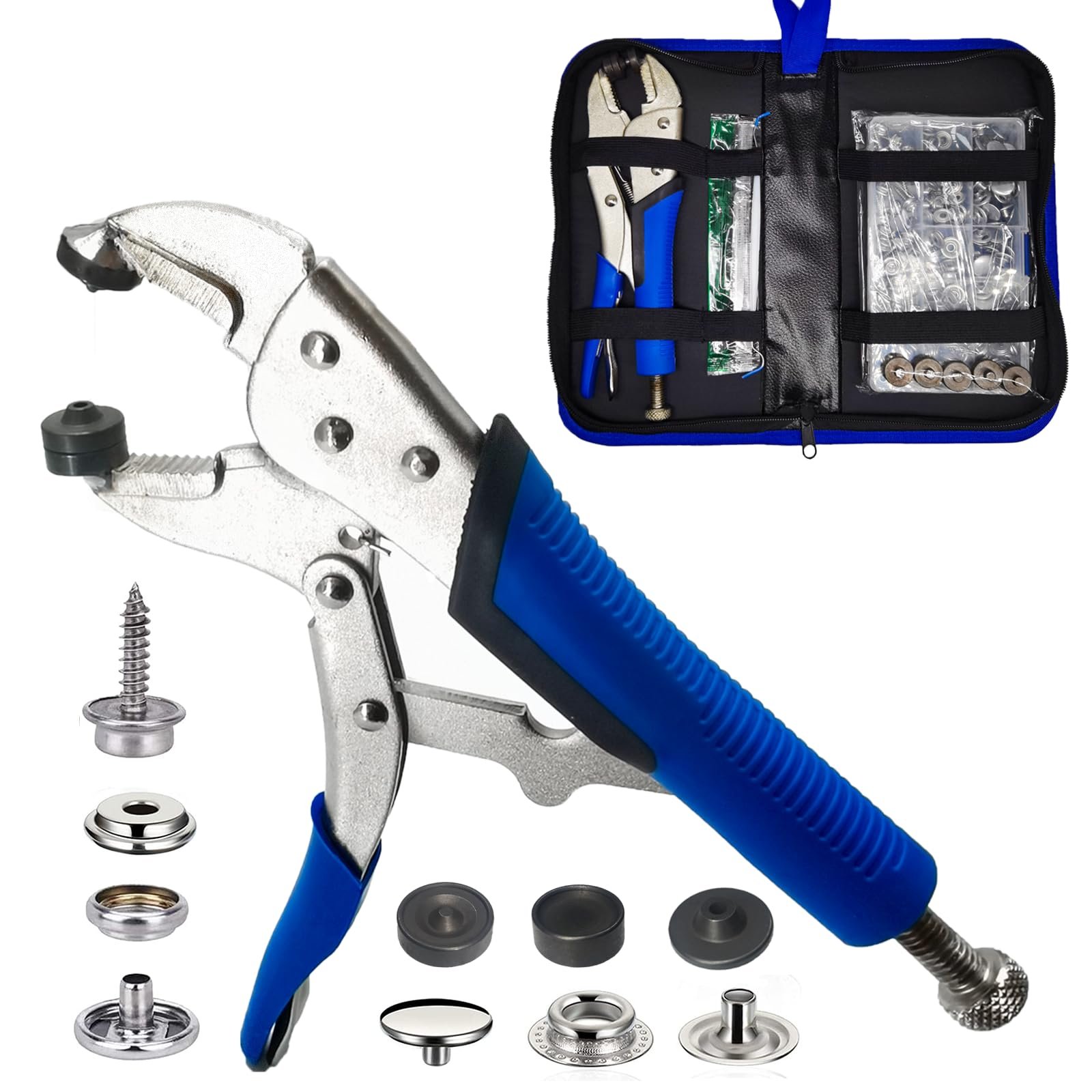
Complete 200-set metal snap fasteners kit featuring 9.5mm chrome snap buttons with specialized fastener pliers requiring no sewing for permanent fabric closures. This rust-proof DIY press studs button system includes detailed bilingual instructions covering proper female socket alignment with male stud positioning and correct metal pliers usage techniques. The no-sew snap button installation process provides professional clothing closures perfect for organizing children’s garments, adjusting fit on jackets, and creating secure bag closures without traditional sewing requirements.
- 200 sets metal snap buttons
- 9.5mm chrome finish
- Rust-proof construction
- Fastener pliers included
- No sewing required
- Bilingual instructions
- Professional closures
- Easy DIY installation
Choosing the Right Clip Size
Mini clips measuring approximately 0.5 inches wide handle delicate work on lightweight fabrics, tight curves, and detail-oriented projects requiring minimal bulk. These small fasteners work perfectly for binding small quilted items, attaching narrow trim, and securing thin materials like silk or chiffon.
Standard clips around 1 inch wide serve most everyday sewing needs from garment construction to general quilting tasks, offering balanced gripping strength and comfortable maneuverability. Medium-weight fabrics including cotton, linen, and standard quilting materials respond well to standard clip dimensions.
Jumbo clips exceeding 1.5 inches provide necessary holding power for heavy-duty applications including thick upholstery projects, multiple layer bag construction, and large quilt assembly. The wider mouth accommodates substantial fabric bulk that smaller clips cannot grip adequately.
Material Construction Differences
Plastic clips manufactured from nylon or similar polymers offer lightweight handling, vibrant color options, and gentler gripping that prevents marking delicate fabrics. The lower price point makes building large clip collections affordable while the softer construction protects sewing machine surfaces from scratching.
Metal clips deliver superior gripping strength for thick materials, enhanced durability through years of heavy use, and reliable performance on challenging projects involving leather or multiple dense layers. Higher initial costs reflect longer lifespan and stronger construction suited to professional or frequent crafting.
Best Applications by Material
Choose plastic clips for everyday garment sewing, lightweight quilting, and projects using delicate or specialty fabrics where gentle handling preserves material integrity. The variety of bright colors helps organize projects by keeping different fabric sections clearly identified during assembly.
Select metal clips when working with thick leather goods, heavy upholstery fabric, multiple denim layers, or professional bag making requiring maximum holding security. Metal construction prevents clip deformation under stress that plastic alternatives might experience.
Proper Clip Application Techniques
Position clips perpendicular to fabric edges ensuring all material layers align evenly before clamping closed. The precise edge alignment prevents fabric shift during sewing and ensures seam allowances remain consistent throughout project assembly.
Space standard clips approximately 2-3 inches apart along straight seams, increasing frequency to 1-1.5 inches around curves or when securing slippery fabrics prone to shifting. Adequate clip distribution prevents gaps between fastening points where materials might separate.
Machine Sewing with Clips
Orient clips with flat edges facing down when they must pass under presser feet, allowing smooth feeding through the machine without catching or jamming. Remove clips several inches before reaching the presser foot rather than waiting until the last moment like pin removal requires.
Reduce machine speed slightly when clips approach the presser foot area, giving adequate time for smooth removal without stopping completely. This continuous sewing rhythm proves more efficient than frequent starts and stops that pin removal necessitates.
Specialty Clip Applications
Quilting projects benefit enormously from clips when attaching binding around quilt perimeters where pins might create visible holes or shift layers. The secure grip holds binding precisely in position while allowing continuous sewing around entire quilt edges without constant adjustment.
Bag making requires clips for managing thick seams where straps attach to bag bodies or when assembling multiple interior and exterior layers. The clips maintain even edges and consistent seam allowances through bulky construction areas that pins struggle to penetrate.
Working with Special Fabrics
Leather projects demand clips exclusively since pin holes create permanent damage that compromises finished appearance and leather integrity. Position clips carefully along cutting lines or seam allowances where clip marks will be hidden within finished construction.
Waterproof and coated fabrics including rainwear materials, shower curtains, and outdoor gear require clips preventing pin holes that breach water resistance. The edge gripping preserves fabric functionality while enabling accurate seam construction.
Pro Tip: Keep clips organized by size in clear containers or on magnetic strips near your sewing station for quick access during projects. Color-coding different clip sizes helps identify the right fastener at a glance without searching through mixed collections.
Clip Care and Maintenance
Clean clips periodically by soaking plastic versions in warm soapy water for 15 minutes then scrubbing gently with an old toothbrush to remove accumulated fabric fibers and adhesive residue. Metal clips respond better to rubbing alcohol applied with a cloth, preventing rust while dissolving sticky buildup.
Inspect spring mechanisms regularly for signs of weakening that reduces gripping power or causes clips to open unexpectedly during use. Apply tiny amounts of sewing machine oil to hinges showing stiffness, wiping away excess before using clips on fabric to prevent oil stains.
Storage Solutions
Mount magnetic strips on walls near sewing stations to store metal clips within easy reach while keeping work surfaces clear. Small decorative bowls or repurposed mint tins create attractive containers for frequently used clips organized by size or color.
Use zippered pouches with clear fronts for portable clip storage when attending sewing classes or working on projects away from home. Threading clips onto carabiner clips creates convenient bundles that hang from sewing machine knobs or project bag handles.
Alternative Fastening Tools
Snap fasteners provide permanent closures for clothing, bags, and accessories without requiring traditional sewing or buttonholes. The two-piece metal or plastic components press together creating secure connections that withstand repeated opening and closing through normal wear.
Stitch guns offer temporary fastening for quick clothing adjustments, emergency repairs, or fitting checks before permanent sewing. The tool shoots thin plastic fasteners through fabric creating removable connections similar to price tag attachments that hold until deliberately removed.
Combining Fastening Methods
Use fabric clips for initial project assembly and fitting checks, then apply permanent snap fasteners or traditional sewing for final construction. This layered approach maximizes efficiency by confirming accurate fit and placement before committing to permanent fastening.
Employ stitch guns alongside clips when conducting multiple fitting adjustments on garments requiring precise length or width modifications. The temporary fasteners allow repeated adjustments without creating permanent holes until final measurements are confirmed.
Building Your Clip Collection
Start with 50 standard-sized clips in versatile colors handling most everyday sewing and quilting projects without running short mid-construction. This foundational quantity provides adequate supply for typical quilt binding, garment assembly, and general crafting needs.
Add 20-30 mini clips for detail work on small projects, tight curves, and delicate fabrics requiring minimal bulk. Include 10-20 jumbo clips if regular work involves heavy materials, thick layers, or large-scale quilting projects demanding extra gripping strength.
Budget-Friendly Building Strategy
Watch for sales at major craft retailers during seasonal events including holiday promotions to stock up on clips at reduced prices. Bulk purchasing during sales builds comprehensive collections more affordably than buying small quantities at regular prices.
Share bulk orders with sewing friends to take advantage of quantity discounts while splitting costs. Coordinate on clip colors and sizes ensuring everyone receives useful varieties without individual financial burden of large purchases.
Organizing Sewing Notions
Store fabric clips alongside other essential tools including cutting implements, marking supplies, and measuring tools in dedicated storage systems near sewing stations. Efficient organization prevents time wasted searching for needed supplies during active project work.
Group clips with related supplies like fabric pencils and trim materials in project-specific containers that travel from cutting table to sewing machine. This mobile organization approach keeps necessary tools together throughout the construction process.
Frequently Asked Questions
Fabric clips replace pins effectively for most edge-based sewing including hems, binding, seam assembly, and thick material construction without creating pin holes. However, pins remain necessary for interior fabric marking, precise pattern matching requiring multiple fastening points across fabric width, and extremely detailed work where clip bulk proves impractical. Most sewists maintain both tools using clips for approximately 70-80% of projects while reserving pins for specific applications where their unique capabilities provide advantages.
Begin with standard 1-inch clips that handle the widest range of everyday sewing projects from garment construction to general quilting tasks. Purchase 50-60 clips initially providing adequate supply for typical projects without running short mid-assembly. Add specialty sizes like mini clips for detail work or jumbo clips for heavy materials only after identifying specific project needs through regular sewing experience with standard sizes.
Quality fabric clips handle leather excellently up to approximately 3mm thickness when using jumbo or heavy-duty models designed specifically for thick materials. The edge-gripping action prevents permanent pin holes that damage leather while providing secure holding through machine sewing. Choose metal clips or reinforced plastic versions for maximum gripping strength on leather goods, bag making, and upholstery projects involving substantial material thickness.
Select clips with smooth gripping surfaces and apply minimal spring tension when working with silk, satin, or other mark-prone fabrics. Position clips along seam allowances that will be hidden within finished construction rather than placing them where compression marks might show on garment exterior. Remove clips promptly after sewing rather than leaving them attached for extended periods, and test on fabric scraps first to verify your chosen clips don’t leave visible impressions.
Fabric clips should never pass directly under sewing machine needles as the hard plastic or metal construction will break needles and potentially damage machine mechanisms. Remove clips several inches before fabric reaches the presser foot, allowing clear space for needle penetration. The flat bottom edge design allows clips to slide under presser feet during fabric feeding, but clips must be removed before the needle area for safe machine operation.
Plastic clips suit most everyday sewing with lightweight to medium-weight fabrics, offering affordability, variety of colors, and gentle gripping that prevents fabric marking. Metal clips provide superior strength for heavy-duty projects involving leather, thick canvas, multiple layers, or professional bag making where maximum gripping power proves essential. Maintain both types in your collection using plastic clips for 70-80% of standard projects and metal clips for challenging materials requiring extra holding strength.
Start with 50-60 standard-sized clips handling typical garment and small quilting projects without running short during assembly. Quilters working on larger projects benefit from 100+ clips to secure entire quilt bindings without removing and repositioning during construction. Add 20-30 specialty clips including mini sizes for detail work and jumbo versions for thick materials as specific project needs emerge through regular crafting experience.
Related Resources
- Fabric Scissors – Precision cutting tools
- Fabric Chalk – Project marking
- Fabric Pencil – Detail marking
- Tape Measure – Accurate measurements
- Fabric Ribbon – Trim materials
- Canvas Fabric – Heavy materials
- Vinyl Fabric – Specialty textiles
- Outdoor Fabric – Weather-resistant
- Upholstery Fabric – Thick materials
- Cutting Board – Work surfaces
- Sewing Machines – Equipment
- Grommet Kit – Hardware installation
- Fabric Adhesive – Bonding supplies
- Black Friday Deals – Sale opportunities
Secure Fabric Layers Without Pins
Fabric clips fasteners transform project assembly by providing secure, non-invasive material holding that eliminates pin holes, prevents injury, and speeds construction workflow. The specialized tools handle challenging materials from delicate silks to thick leather while offering superior visibility and one-handed operation that traditional pins cannot match.
Building a comprehensive clip collection with appropriate sizes for various project types ensures you always have the right fastening tool available when assembling garments, quilts, bags, or home decor items. The initial investment in quality clips pays dividends through years of reliable use across countless creative projects.
Start your clip collection with versatile standard sizes, complement them with proper cutting tools and marking supplies, then expand to specialty clips as your sewing expertise and project complexity grow.