
Fabric Couch Repair Kit: Complete Guide to Fixing Tears, Burns, and Pet Damage
Professional DIY Solutions for Restoring Damaged Upholstery, Sofas, and Furniture
Fabric couch repair kits provide comprehensive solutions for fixing tears, burns, pet damage, and worn areas on upholstered furniture without costly replacement or professional reupholstery services. These specialized kits include color-matching materials, structural adhesives, and application tools that enable homeowners to achieve nearly invisible repairs on various fabric types.
Understanding how these repair systems work and selecting appropriate kits for your specific damage ensures professional-quality results that extend furniture life by years. The complete restoration process addresses both structural integrity and visual appearance, creating durable repairs that withstand daily use and stress.
Understanding Fabric Couch Repair Technology
Modern fabric repair kits use multi-layer restoration systems that address structural damage and surface appearance simultaneously. These specialized materials bond with existing fabric fibers creating flexible yet durable repairs that move naturally with upholstery during normal use.
The repair process involves backing materials that reinforce damaged areas from underneath, specialized adhesives formulated for fabric flexibility, and color-matching compounds that recreate original upholstery appearance. Professional-grade kits provide all necessary components eliminating the need for additional purchases or specialized equipment.
Component Breakdown
Quality repair kits contain fabric patches in various weights accommodating different upholstery thicknesses from lightweight cotton to heavy canvas. The backing materials provide structural support preventing tear expansion while distributing stress across wider areas.
Color-matching systems include base pigments that mix like paint achieving precise shade matches for virtually any fabric color. Premium kits feature texturizing tools that recreate original fabric weave patterns ensuring repairs blend seamlessly with surrounding upholstery.
Repair System Chemistry
Specialized fabric adhesives differ significantly from craft glues by maintaining flexibility after curing allowing natural furniture movement without bond failure. These formulations withstand stress, temperature changes, and regular cleaning better than standard adhesives designed for rigid materials.
Modern repair compounds cure through chemical reactions or heat activation creating permanent bonds that often outlast surrounding fabric. Water-based formulations in quality kits provide low-odor application with minimal volatile organic compounds ensuring safe indoor use.
Choosing the Right Repair Kit
Selecting appropriate repair kits depends on damage type, fabric characteristics, and required repair durability. Understanding these factors prevents purchasing inadequate materials or overspending on unnecessary features.
Damage Assessment
Small tears measuring under three inches require basic kits with standard backing materials and color-matching systems. These straightforward repairs work well for punctures, small rips, and minor cigarette burns on low-stress furniture areas.
Large tears exceeding three inches need comprehensive kits featuring reinforced backing materials and extra-strength adhesives. These extensive repairs demand patience and careful technique but achieve professional results when executed properly using quality materials.
Pet damage involving multiple scratches or worn areas benefits from kits specifically formulated for claw marks and surface abrasion. These specialized options include texturizing compounds recreating fabric nap damaged by repeated scratching or rubbing.
Fabric Type Considerations
Natural fiber fabrics including cotton, linen, and wool blends accept repairs most successfully with standard kit formulations. These absorbent materials bond readily with adhesives creating strong structural connections that distribute stress effectively.
Synthetic upholstery like polyester, nylon, and microfiber requires kits with adhesives specifically formulated for non-porous surfaces. The slick nature of synthetic fibers demands different bonding chemistry ensuring permanent attachment without eventual separation.
Specialty fabrics including velvet, silk blends, and heavily textured upholstery need premium kits with specialized application tools. These challenging materials require extra attention to texture matching and color application techniques for invisible repairs.
Kit Quality Indicators
Comprehensive color-matching systems separate superior kits from basic options by providing multiple base pigments enabling precise shade recreation. Quality kits include detailed mixing guides with color theory instructions helping users achieve accurate matches.
Premium adhesives maintain flexibility after curing preventing brittle repairs that crack under stress. Test information on product labels indicating flexibility retention and wash resistance helps identify durable formulations worth investing in for permanent repairs.
COCONIX Fabric & Carpet Repair Kit
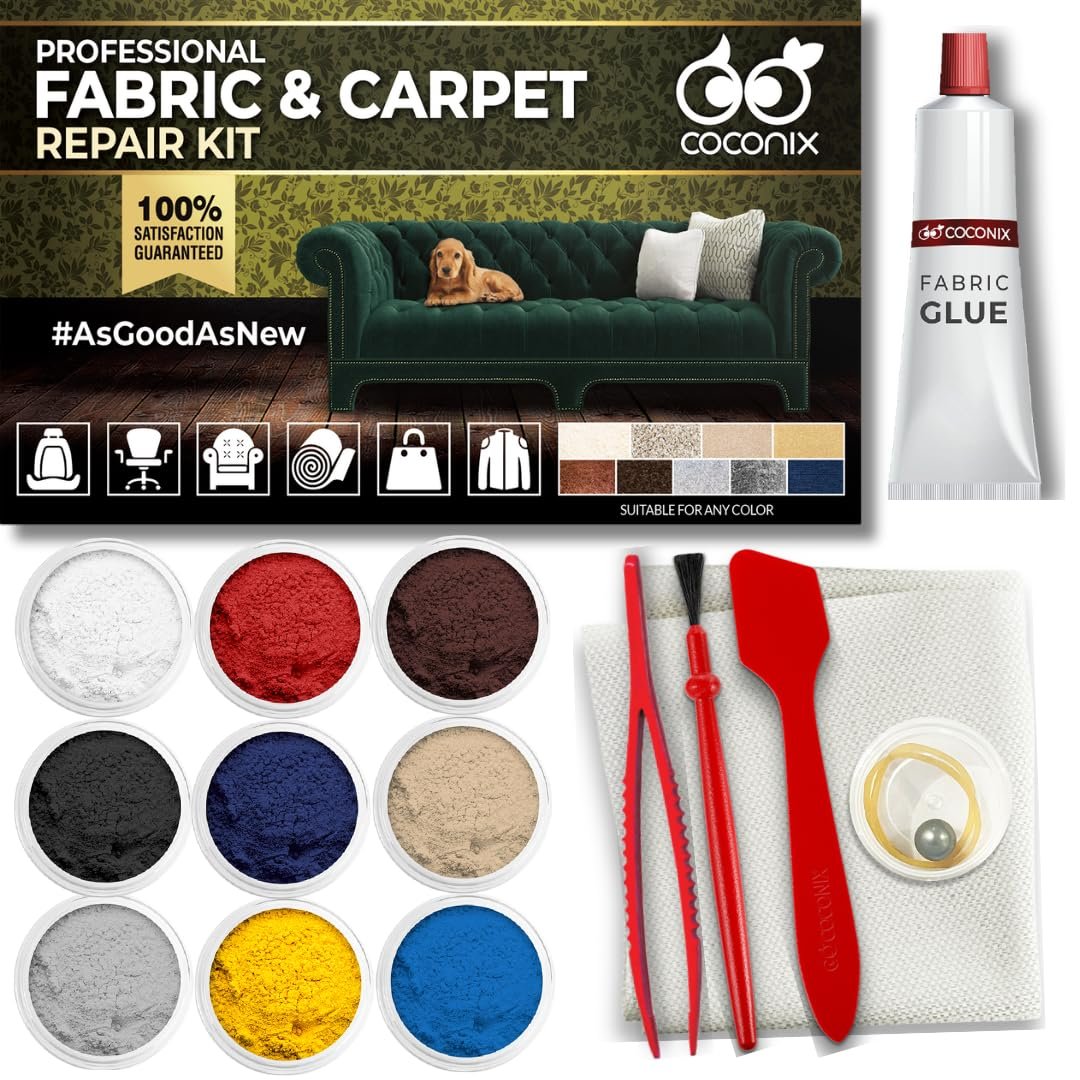
Professional fabric and carpet repair kit trusted by over one million customers worldwide for fixing tears, holes, and burns on upholstery, rugs, and clothing with customizable color-matching system. This comprehensive all-in-one solution includes everything needed for stress-free repairs right in the box with materials specifically formulated for various fabric types from delicate clothing to heavy-duty furniture upholstery. The advanced color-mixing technology enables precise shade matching for virtually any fabric color ensuring repairs blend seamlessly with surrounding material creating nearly invisible restoration results.
- Trusted by 1 million+ customers
- Customizable color matching system
- All-in-one complete solution
- Works on fabric and carpet
- Fixes tears, holes, and burns
- Professional-grade materials
- Detailed instruction guide
- Multiple fabric compatibility
Master Manufacturing ReStor-It Fabric Repair Kit
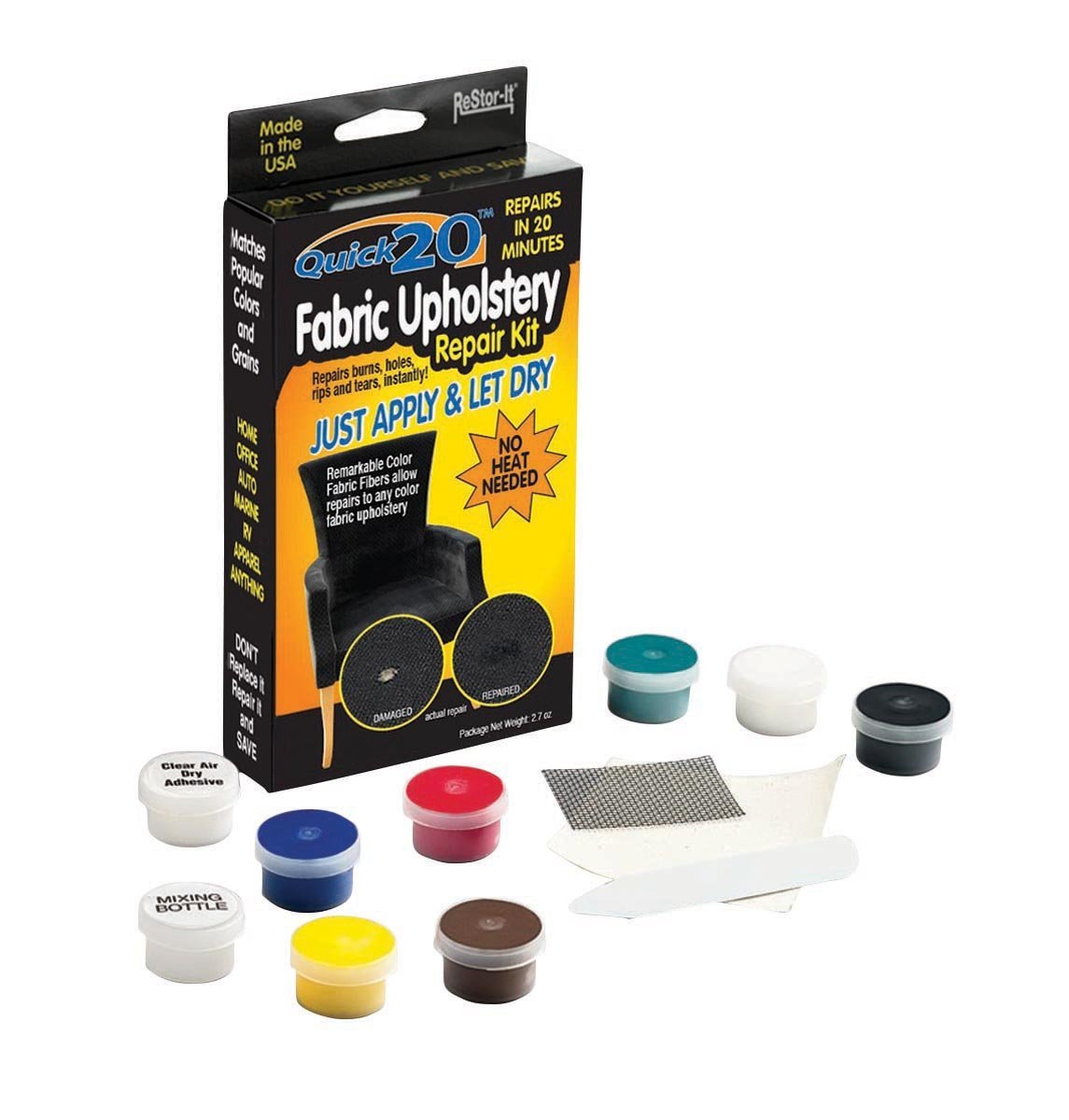
No-heat upholstery fabric repair kit featuring unique application process that restores burns, holes, rips, and tears in furniture fibers without specialized equipment with seven included colors. This innovative fabric paint repair system brings damaged sofas and chairs back to original condition through easy application that eliminates need for traditional heat-setting or duck tape solutions. The specialized formulation works on various furniture types from leather couches to fabric chairs creating permanent repairs that withstand regular use and cleaning.
- No heat required for application
- Seven color options included
- Unique repair process
- Works on burns and tears
- Suitable for furniture fibers
- Easy application method
- Professional restoration results
- Replaces temporary tape fixes
Repair Techniques for Common Damage
Different damage types require specific repair approaches for optimal results. Understanding proper techniques for each situation ensures durable repairs that maintain appearance through years of use.
Tear Repair Process
Clean tears with aligned edges repair most successfully by bringing fabric together over backing material then bonding with adhesive. Trim loose threads before applying backing ensuring clean edges that bond completely without interference from frayed fibers.
Insert backing material beneath tear using applicator tools included in kits positioning reinforcement to extend beyond damage by at least one inch on all sides. This extended coverage distributes stress preventing tear expansion during future use.
Apply adhesive to backing material and fabric edges using thin even layers avoiding excess that seeps through fabric creating visible stains. Press edges together firmly holding until initial bond forms then allow full curing time before subjecting to stress.
Burn Damage Restoration
Remove melted or charred fabric from burn areas using sharp scissors cutting away damaged material to clean edges. This preparation creates solid foundation for repair materials ensuring proper adhesion without interference from compromised fibers.
Fill burn craters with repair compound building up in thin layers allowing each application to dry before adding more material. Gradual buildup prevents shrinkage and sagging creating level surface matching surrounding fabric height.
Match color precisely for burn repairs as these damaged areas often show discoloration beyond simple fabric removal. Test color matches on inconspicuous areas ensuring accuracy before applying to visible repair locations.
Pet Damage Solutions
Claw marks creating multiple small tears need individual assessment determining whether separate repairs or unified approach works best. Sometimes treating entire scratched area as single damage zone produces better results than addressing individual marks.
Worn areas from repeated scratching require surface rebuilding using texturizing compounds that recreate original fabric nap. Apply compound in direction matching surrounding fabric pattern using specialized tools to create authentic texture appearance.
Color Matching Mastery
Achieving invisible repairs depends heavily on accurate color matching that blends repaired areas seamlessly with original upholstery. This critical skill separates amateur from professional-looking results.
Light and Color Perception
Observe fabric color in multiple lighting conditions including natural daylight, incandescent, and fluorescent light before mixing repair colors. Fabric appearance changes dramatically under different light sources affecting color matching accuracy.
Most upholstery fabrics contain subtle color variations rather than single solid shades requiring careful observation. Look closely at fabric identifying underlying tones and color shifts that must be recreated in repair compound for authentic appearance.
Mixing Techniques
Start with small colorant amounts adding gradually while testing frequently on provided swatches or inconspicuous furniture areas. Colors intensify as they dry requiring consideration when evaluating wet test applications against final appearance needs.
Keep detailed notes about color mixing ratios allowing recreation of successful matches if additional compound becomes necessary during repair. Precise documentation prevents frustration of trying to rematch colors from memory.
Pattern Recreation
Patterned fabrics require careful observation identifying pattern elements, spacing, and color relationships before attempting repair. Photograph pattern close-up using this reference during repair application ensuring accurate recreation.
Use fine-tipped applicators creating pattern elements individually rather than attempting entire pattern simultaneously. This methodical approach produces cleaner results with better pattern alignment matching surrounding fabric design.
Preparation Steps for Success
Proper preparation proves as important as application technique for achieving durable invisible repairs. Thorough preparation prevents common failures and ensures optimal adhesive bonding.
Surface Cleaning
Vacuum damaged areas thoroughly removing loose debris, pet hair, and dust that interferes with adhesive bonding. Use crevice tools accessing tight spaces around tears ensuring complete debris removal.
Clean fabric with appropriate upholstery cleaner removing soil, oils, and residues that prevent proper adhesion. Allow minimum 24 hours drying time after cleaning before attempting repairs ensuring complete moisture evaporation.
Damage Assessment
Examine damage extent carefully identifying all affected areas including less obvious problems like weakened fabric surrounding visible tears. Address entire compromised zone preventing future failure adjacent to repaired areas.
Test fabric stability around damage gently pulling to identify weak spots needing reinforcement. This assessment reveals hidden damage requiring attention during repair preventing subsequent failures.
Material Organization
Arrange all kit components in organized workspace ensuring easy access during repair process. Proper organization prevents fumbling for tools during critical application steps when timing matters for optimal adhesion.
Read all instructions completely before beginning repairs understanding entire process and timing requirements. Familiarity with procedures prevents mistakes caused by misunderstanding steps or rushing through unfamiliar techniques.
Pro Tip: Always allow repair compounds to cure completely for recommended time periods before using furniture even if surface appears dry. Premature use compromises bond strength and durability causing repair failure requiring complete rework.
Application Best Practices
Proper application technique transforms quality repair materials into professional results. Following proven methods ensures durable repairs that maintain appearance through years of regular use.
Thin Layer Strategy
Apply repair compounds in multiple thin layers rather than single thick applications for better control and natural appearance. Thin layers dry uniformly preventing surface cracking and shrinkage that creates obvious repair visibility.
Allow each layer to dry completely before applying subsequent coats building up repair gradually to match surrounding fabric level. This patient approach produces superior results compared to rushed thick applications.
Tool Selection
Use appropriate applicator sizes for specific repair areas choosing fine tips for detailed work and broader tools for larger surface coverage. Proper tool selection provides control necessary for precise material placement.
Clean application tools immediately after use preventing dried compound buildup that ruins tool functionality. Dedicated tool maintenance ensures consistent performance across multiple repair projects.
Curing Environment
Provide proper curing conditions maintaining moderate temperature and humidity levels during repair drying process. Extreme conditions affect cure rates and final repair properties compromising durability and appearance.
Protect repairs from dust, pet hair, and disturbance during curing using lightweight covering that allows air circulation. Contamination during curing creates imperfections requiring surface refinishing or complete repair rework.
Troubleshooting Common Problems
Understanding how to address repair challenges prevents frustration and ensures successful outcomes. Most problems have straightforward solutions when identified early in the process.
Adhesive Bond Failure
Weak adhesive bonds typically result from inadequate surface cleaning or insufficient curing time before use. Remove failed repairs completely, clean surfaces thoroughly, and reapply materials allowing proper cure time.
Test adhesive compatibility with fabric type before extensive application as some materials require specialized bonding formulations. Incompatible adhesives never achieve permanent bonds regardless of application technique.
Color Mismatch Issues
Incorrect color matches often improve with additional pigment adjustment applied over initial repair once completely dry. Build color gradually through thin translucent layers achieving better matches than attempting correction with opaque coatings.
Remember that color perception changes with viewing distance as colors blend visually from normal furniture viewing positions. What appears slightly mismatched close-up often disappears from typical seating distances.
Texture Challenges
Smooth repairs on textured fabrics require texturizing while compound remains slightly tacky using specialized tools or improvised options like stiff brushes. Proper timing proves critical as excessively dry compound resists texturing while too-wet applications lose texture during drying.
Practice texturing techniques on scrap material or test swatches before working on visible furniture areas. Experience with specific fabric types builds confidence for achieving authentic texture recreation.
Maintenance After Repair
Proper post-repair care extends restoration longevity ensuring years of service from successful repairs. Following recommended maintenance practices prevents premature failure requiring rework.
Initial Curing Period
Avoid using repaired furniture for recommended curing time typically ranging 24-72 hours depending on kit formulation and environmental conditions. Premature use compromises bond development reducing repair durability significantly.
Keep pets and children away from fresh repairs during curing preventing disturbance that damages developing bonds. Temporary barriers or covers protect vulnerable repairs during critical curing stages.
Cleaning Considerations
Use gentle cleaning methods on repaired areas avoiding harsh chemicals or excessive scrubbing that damages repair materials. Most quality repairs withstand normal upholstery cleaning when fully cured and properly executed.
Test cleaning products on inconspicuous repair areas before applying to visible locations ensuring compatibility with repair materials. Some formulations react adversely with specific cleaners requiring alternative cleaning approaches.
Protection Strategies
Apply fabric protector to repaired areas after complete curing creating additional barrier against stains and wear. This protective layer extends repair life particularly in high-traffic furniture areas.
Consider furniture placement modifications reducing stress on repaired areas when possible. Strategic positioning away from high-wear zones extends repair longevity without compromising furniture functionality.
When Professional Help Makes Sense
While fabric repair kits handle most common damage effectively, certain situations benefit from professional expertise. Recognizing these circumstances prevents wasted effort on repairs exceeding DIY capabilities.
Extensive Damage Scenarios
Multiple large tears or damage covering significant upholstery percentage often costs less to professionally reupholster than repeatedly repair. Calculate material costs and time investment comparing against professional service quotes.
Structural damage affecting furniture frames, springs, or internal padding requires professional assessment and repair. Surface repair kits cannot address underlying structural problems causing or complicated by fabric damage.
Valuable Furniture Considerations
Antique or high-value furniture deserves professional restoration preserving both monetary and historical worth. Amateur repairs can permanently damage valuable pieces reducing worth more than original damage.
Designer upholstery featuring complex patterns or specialty fabrics benefits from professional color-matching and application expertise. The investment in professional service protects expensive furniture investment.
Skill Level Reality
Honestly assess personal abilities and patience for detailed repair work before committing to complex projects. Some repairs require skills and experience beyond typical DIY capabilities regardless of material quality.
Consider professional consultation even when planning DIY repairs gaining expert assessment of damage severity and recommended approach. Many professionals offer guidance helping homeowners succeed with appropriate repairs while identifying projects requiring professional expertise.
Frequently Asked Questions
Properly executed repairs using quality materials typically last 2-5 years under normal use conditions with many lasting significantly longer depending on location and stress levels. Repairs in low-stress areas like furniture backs or arms often remain perfect for the furniture’s remaining lifetime while high-traffic seat cushions experience faster wear. Repair longevity depends heavily on thorough preparation, proper technique, adequate curing time, and regular maintenance after completion.
Yes, quality repair kits can successfully fix tears up to 6-8 inches long when used with proper reinforcement and patient technique applying materials in stages. Larger tears require more extensive preparation including substantial backing material, multiple adhesive applications, and careful color matching across the repair area. Success with large tears depends on damage location, fabric type, and repair kit quality with comprehensive kits providing materials necessary for extensive repairs.
Most repair kits work effectively on common upholstery fabrics including cotton, polyester, microfiber, canvas, and linen blends though specialty fabrics require specific kit formulations. Velvet, silk blends, and heavily textured fabrics need premium kits with specialized texturizing tools for successful repairs. Leather and vinyl require dedicated leather repair kits as fabric formulations don’t bond properly with these materials. Always verify kit compatibility with your specific fabric type before purchasing.
Color matching represents the most challenging aspect of fabric repair but becomes manageable with patience and quality kits providing comprehensive mixing systems. Start with small pigment amounts testing frequently on inconspicuous areas or provided swatches allowing for drying since colors often appear different wet versus dry. Most users achieve satisfactory matches on first attempts with nearly invisible results developing after gaining experience through practice. Premium kits include detailed mixing guides simplifying the color-matching process significantly.
Yes, modern quality repair kits use water-based low-VOC formulations safe for indoor application with proper ventilation during use. Once fully cured according to manufacturer instructions, repairs are generally safe for normal furniture contact including homes with children and pets. Work in well-ventilated areas during application and consider using gloves preventing skin contact with adhesives before curing. Reputable manufacturers provide safety data sheets upon request for users with specific sensitivity concerns.
Absolutely, fabric repair kits work excellently for pet damage including claw tears and worn areas from scratching with some manufacturers offering kits specifically designed for pet-related damage. These specialized options include extra-strong reinforcement materials and texturizing compounds recreating fabric surface damaged by repeated scratching. Success with pet damage repairs depends on damage extent and proper technique with most achieving durable results that withstand continued pet interaction when fully cured.
Quality fabric repair kits range from $15 for basic options to $50-60 for comprehensive professional-grade kits containing materials for multiple repairs. When compared to professional upholstery repair services costing $200-600 or furniture replacement expenses, repair kits provide exceptional value. Most kits contain sufficient materials for several repairs reducing per-repair cost to $5-10 when addressing multiple damage areas. Premium kits justify higher initial investment through superior materials, comprehensive color options, and detailed instructions ensuring successful repairs.
Restore Furniture Without Replacement Costs
Fabric couch repair kits empower homeowners to restore damaged upholstery achieving professional results without expensive reupholstery services or premature furniture replacement. The comprehensive systems address both structural integrity and visual appearance creating durable repairs that extend furniture life by years while maintaining aesthetic appeal.
Success with fabric repairs depends on proper kit selection, thorough preparation, and patient application technique following proven methods. Understanding damage types, fabric characteristics, and repair processes ensures optimal results whether addressing small tears or extensive damage requiring multiple repair sessions.
Transform damaged furniture into restored pieces using quality repair materials, proper application techniques, and regular maintenance preserving both investment value and cherished furnishings that hold memories and meaning in your home.