
Fabric Cubby Bins: Complete Storage Guide for Organizing Every Room
Collapsible, Multi-Size, and Decorative Storage Cubes for Closets, Shelves, Toys, and Home Organization
Fabric cubby bins transform cluttered spaces into organized systems using flexible containers that fit standard cube shelving while adding decorative texture to any room. These versatile storage solutions handle everything from children’s toys and clothing to office supplies and craft materials without the harsh appearance of plastic alternatives.
Understanding size compatibility, material durability, and organizational strategies ensures these affordable storage workhorses deliver professional results that adapt as needs change. The collapsible design allows seasonal storage flexibility while reinforced construction maintains shape through daily use across multiple applications.
Understanding Fabric Cubby Bin Construction
Fabric cubby bins feature soft-sided textile construction with internal support structures maintaining rectangular shape during use. The flexible materials allow bins to compress slightly when inserting into tight shelf spaces while expanding to full capacity when loaded with contents.
Most quality bins include removable cardboard or plastic bottom panels providing rigid foundations that prevent sagging under weight. Reinforced stitching along seams and handles distributes stress evenly ensuring bins withstand repeated filling, emptying, and transportation without structural failure.
Material Options and Durability
Canvas and heavy cotton fabrics offer natural breathability with tight weaves resisting wear through extended use. These durable materials accept washing easily while maintaining color vibrancy and structural integrity across multiple cleaning cycles.
Polyester blends resist stretching and fading while typically costing less than natural fiber alternatives. The synthetic construction handles frequent use without shrinking concerns though may not breathe as effectively as cotton options.
Non-woven synthetic materials provide budget-friendly choices combining surprising strength with lightweight portability. These engineered fabrics resist tearing despite their economical price points making them ideal for high-turnover applications.
Structural Support Systems
Premium bins incorporate wire frames along top edges preventing collapse when bins sit empty on shelves. This rigid support maintains professional appearance regardless of contents while simplifying access to items stored inside.
Removable bottom boards allow bins to collapse flat for storage when not needed reducing space requirements dramatically. This collapsibility feature proves essential for seasonal storage needs or small living spaces requiring adaptable organization solutions.
Selecting the Right Size for Your Space
Standard cube dimensions of 11×11 and 13×13 inches fit most popular shelving systems including popular furniture store organizers. Measuring your specific shelving interior dimensions before purchasing prevents the frustration of discovering bins won’t fit despite standard sizing.
Allow half-inch clearance on all sides ensuring bins slide easily into shelves without forcing or jamming. Handles and decorative elements may extend beyond main bin dimensions requiring additional space considerations during measurement.
Common Size Applications
Small 6×6 to 8×8 inch bins organize desktop supplies, bathroom countertops, or drawer divisions perfectly. These compact options create targeted organization for small items otherwise lost in larger containers.
Standard 11×11 inch cubes suit most general household storage from toys and clothing to office supplies and craft materials. This versatile size accommodates the widest range of items making it the most popular choice for multi-purpose organization.
Large 13×13 inch bins handle bulkier items including blankets, larger toys, or multiple grouped items requiring extra capacity. The increased volume suits items too large for standard bins while maintaining compatibility with common cube shelving.
Specialty Shapes and Sizes
Rectangular bins in dimensions like 10×13 or 14×18 inches accommodate files, magazines, and elongated items standard cubes can’t contain efficiently. These specialty shapes expand storage versatility beyond square-only limitations.
Half-height bins create dual storage levels within single cube openings maximizing vertical space efficiency. This configuration works excellently for smaller items benefiting from visual separation without requiring additional shelving units.
Collapsible Fabric Storage Cube Set
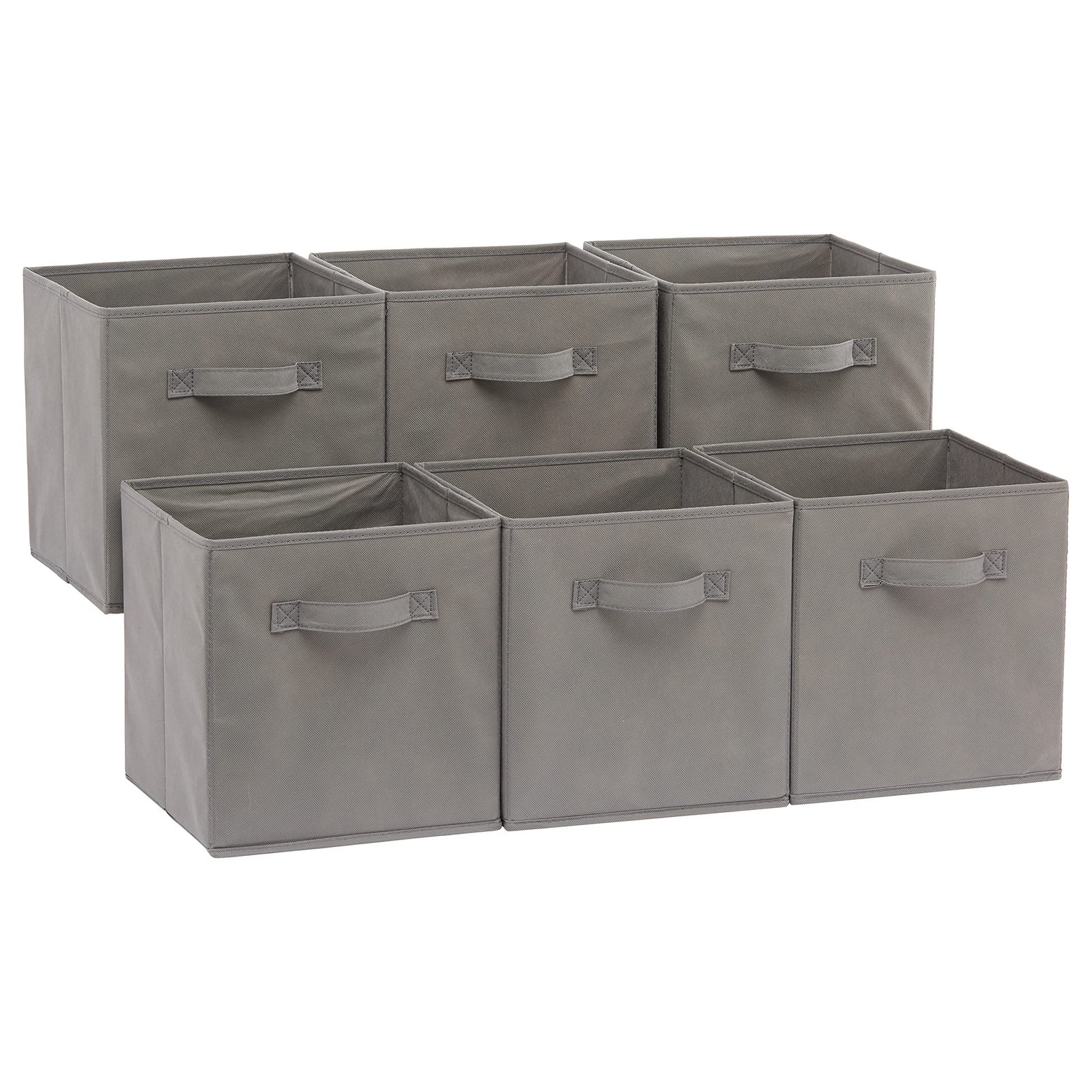
Comprehensive set of 12 collapsible fabric storage cubes featuring reinforced handles and foldable design perfect for shelf organization, closet storage, and classroom applications. These versatile organizer bins measure 10.5×10.5×11 inches fitting standard cube shelving while providing open-top access for easy item retrieval and transport between rooms. The collapsible construction allows bins to fold flat when not in use saving valuable storage space, while durable fabric construction withstands daily use organizing toys, clothes, office supplies, and household essentials throughout your home.
- Set of 12 storage cubes
- Collapsible foldable design
- 10.5×10.5×11 inch dimensions
- Reinforced carrying handles
- Open-top easy access
- Fits standard cube shelving
- Multi-room versatility
- Durable fabric construction
Foldable Cube Organizer Bins with Handles
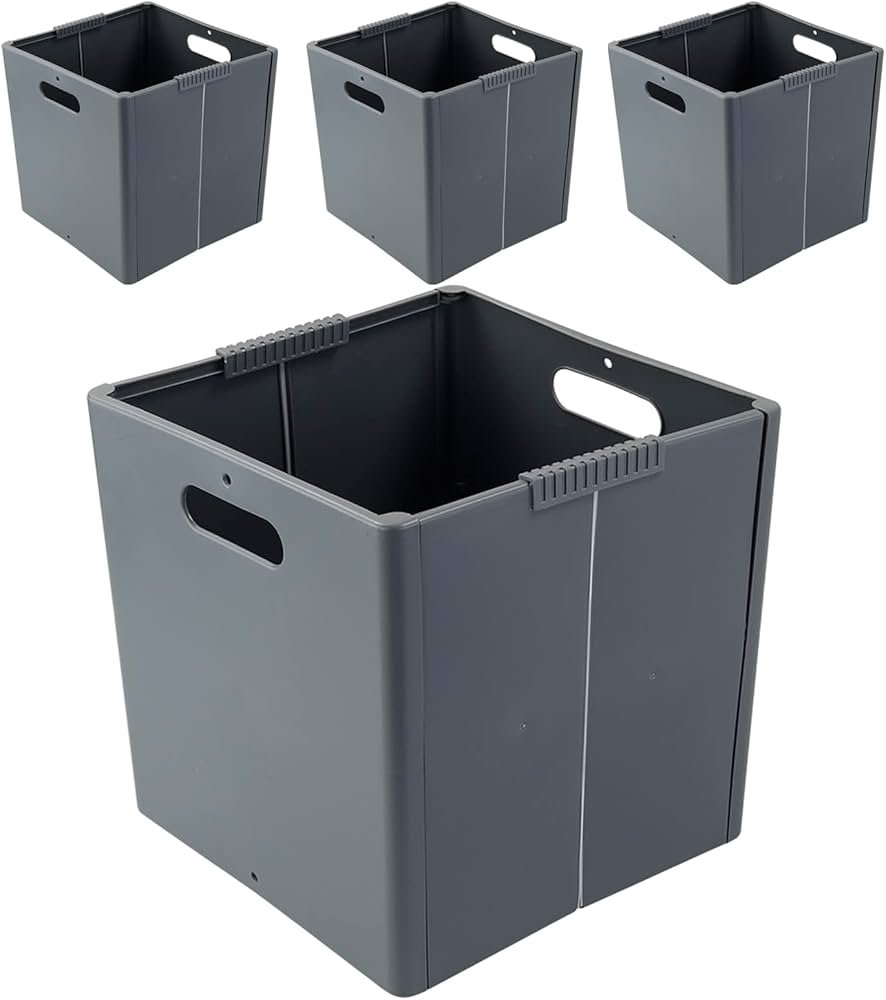
Premium set of 12 foldable cube storage bins featuring sturdy handles for convenient transport serving as versatile closet organizers, shelf bins, and classroom storage solutions. These practical cubby organizers work beautifully as closet storage for clothes, kids toy storage, or pet toy organization providing open-top accessibility combined with reinforced handle construction. The foldable design collapses for efficient storage when bins aren’t needed while maintaining structural integrity during daily use organizing diverse items from children’s toys to household essentials across multiple room applications.
- 12-piece organizer set
- Sturdy reinforced handles
- Foldable space-saving design
- Open-top access
- Closet and shelf compatible
- Multi-purpose storage
- Classroom organization ready
- Durable construction
Weight Capacity and Load Considerations
Basic fabric bins safely hold 10-15 pounds of contents making them suitable for lightweight items including clothing, toys, and paper products. Exceeding weight limits stresses seams and handles causing premature failure requiring replacement.
Reinforced bins with heavy-duty stitching and structural support handle 15-25 pounds accommodating denser items without sagging or tearing. Premium options featuring wire frames and commercial-grade materials may support up to 40 pounds when properly distributed.
Best Practices for Heavy Items
Distribute weight evenly throughout bin interiors preventing concentrated stress points that damage fabric or stitching. Support bins from bottom when lifting rather than relying solely on handles for heavy loads.
Place heavier bins on lower shelves ensuring stability and safety while reducing lifting strain. Reserve upper shelves for lightweight items minimizing risk of bins becoming overloaded and failing during removal.
Color and Pattern Selection Strategies
Neutral colors including grey, beige, and white provide timeless versatility coordinating with evolving décor without requiring replacement. These classic choices blend seamlessly while allowing accent pieces to command visual attention.
Coordinating color palettes create cohesive appearances using complementary shades within the same family. This approach offers visual interest without chaotic mismatching while maintaining professional organizational aesthetics.
Pattern Considerations
Subtle textures and tone-on-tone patterns disguise minor stains and dust accumulation better than solid colors. These practical choices maintain fresh appearance longer between cleanings especially in high-use areas.
Bold patterns and prints add personality to storage solutions transforming functional organization into decorative elements. Consider room style and existing décor when selecting statement patterns ensuring bins enhance rather than clash with surroundings.
Cleaning and Maintenance Guidelines
Vacuum bins regularly using upholstery attachments removing accumulated dust and debris before particles embed in fabric fibers. This simple maintenance extends bin life while keeping storage areas fresh and sanitary.
Spot clean stains immediately using damp cloths and mild soap preventing marks from setting permanently. Quick attention to spills and marks maintains appearance without requiring full washing.
Machine Washing Instructions
Remove internal cardboard or plastic supports before washing preventing water damage and maintaining structural component integrity. Most fabric bins tolerate gentle machine cycles with cold water and mild detergent.
Air dry bins completely before reinstalling support panels or returning to use preventing mildew growth and fabric deterioration. Sunlight drying naturally freshens fabrics while eliminating moisture thoroughly.
Organizational System Creation
Assign specific categories to individual bins maintaining consistent designations preventing mixed contents and confusion. Clear category definitions help all household members understand storage locations supporting system longevity.
Label bins clearly using adhesive holders, tags, or picture labels for pre-readers ensuring everyone can maintain organization independently. Visual labeling systems work especially well for children’s spaces encouraging tidying participation.
Strategic Placement Planning
Position daily-use items at convenient eye-level heights minimizing bending and reaching during routine access. This ergonomic consideration encourages consistent system use rather than abandoning organization when retrieval becomes inconvenient.
Store seasonal or occasional items on higher or lower shelves reserving prime accessibility for frequently needed contents. This strategic approach maximizes functional efficiency while utilizing all available vertical space effectively.
Color-Coding Systems
Implement color-coding for different family members, rooms, or content categories simplifying visual identification. This intuitive system reduces time spent searching while helping maintain organizational boundaries.
Young children respond particularly well to color-based organization understanding “blocks in blue bin, dolls in pink bin” before reading ability develops. This early system teaches organizational skills while maintaining functional storage.
Pro Tip: Measure your shelving interior dimensions before purchasing fabric bins, allowing half-inch clearance on all sides for easy insertion and removal without forcing or jamming.
Room-Specific Applications
Living rooms benefit from fabric bins corralling remote controls, gaming accessories, and throw blankets while maintaining sophisticated aesthetics. Bins tucked into entertainment centers or bookshelves keep essentials accessible without creating visual clutter.
Bedroom closets gain efficiency through bins organizing seasonal clothing, accessories, and linens maximizing vertical space. Under-bed storage utilizing low-profile bins captures otherwise wasted space for infrequently accessed items.
Children’s Room Solutions
Kid-friendly bins with picture labels enable young children to maintain organization independently building responsibility and tidying habits. Lightweight construction allows even small children to handle bins safely during cleanup routines.
Toy rotation systems using labeled bins keep play areas manageable while maintaining interest in forgotten items. Store some bins away periodically bringing them out later to renew excitement without purchasing new toys.
Home Office Organization
Office supplies, files, and reference materials gain dedicated homes in fabric bins creating professional appearances in shared spaces. The soft construction protects delicate electronics from scratching unlike rigid plastic alternatives.
Portable workstation bins allow home office setups to move between rooms accommodating flexible work arrangements. This mobility supports work-from-home situations requiring adaptive space usage throughout homes.
Collapsibility and Storage Flexibility
Removable bottom panels enable bins to fold flat when not needed reducing storage footprint dramatically. This space-saving feature proves invaluable for seasonal items or fluctuating organization requirements.
Collapsed bins stack efficiently in closets or under beds awaiting future deployment without consuming valuable square footage. This flexibility makes fabric bins ideal for temporary organization during moves, renovations, or seasonal transitions.
Seasonal Storage Applications
Holiday decorations, seasonal clothing, and event-specific items benefit from collapsible bin storage protecting contents between uses. Label collapsed bins clearly ensuring easy identification when retrieval time arrives without opening multiple containers.
College students and frequent movers appreciate collapsible bins adapting to changing living situations without requiring permanent storage investments. The lightweight portability combined with space-saving collapse makes transitions significantly easier.
Shelving Compatibility Considerations
Standard cube shelving from popular furniture retailers typically accepts 11×11 or 13×13 inch bins though slight dimensional variations exist between manufacturers. Verify exact interior measurements before purchasing ensuring proper fit.
Built-in or custom shelving requires careful measurement accounting for trim, molding, and depth constraints. Consider bin handle clearance when calculating vertical space requirements preventing interference with shelf above.
Freestanding Applications
Reinforced bins with sturdy construction stand independently without shelving support serving as floor storage for toys, laundry, or pet supplies. Look for bins specifically marketed as freestanding if using without shelf containment.
Stackable lidded options create vertical storage systems without dedicated shelving though stability decreases with height. Limit stacks to three bins maximum preventing toppling especially in households with children or pets.
Frequently Asked Questions
Standard cube shelving typically accommodates 11×11 inch or 13×13 inch fabric bins though exact sizing varies between manufacturers. Measure your specific shelving interior dimensions before purchasing allowing half-inch clearance on all sides for easy insertion and removal. Consider handle and decorative element extensions that may require additional space beyond main bin dimensions. When possible, test one bin before buying complete sets or verify generous return policies for online purchases ensuring proper fit.
Most fabric bins tolerate machine washing on gentle cycles with cold water after removing internal cardboard or plastic support panels. Always check manufacturer care labels as some bins require spot cleaning or hand washing only. Air dry bins completely before reinstalling supports or returning to use preventing mildew growth and material deterioration. Bins with non-removable structural elements typically need spot cleaning with damp cloths and mild soap rather than full washing. Regular vacuuming and immediate stain treatment reduce washing frequency.
Basic fabric bins safely hold 10-15 pounds while reinforced options with quality stitching handle 15-25 pounds of evenly distributed contents. Premium heavy-duty bins featuring wire frames and commercial-grade materials may support up to 40 pounds when properly loaded. Exceeding weight limits stresses seams and handles causing premature failure requiring replacement. Distribute weight evenly throughout bins and support from bottom when lifting heavy loads rather than relying solely on handles. Place heavier bins on lower shelves for safety and stability.
Many fabric bins feature removable bottom panels allowing them to collapse flat for minimal storage space when not needed. This collapsibility proves essential for seasonal storage, small living spaces, or fluctuating organization requirements. Look specifically for “collapsible” or “foldable” in product descriptions if this feature matters to your situation. Some premium bins include additional features like zip closures keeping them compact when folded. Not all fabric bins collapse so verify this capability before purchasing if space-saving storage is important.
Fabric bins offer superior aesthetic appeal with softer appearance, textile texture, and wider pattern variety complementing home décor better than plastic alternatives. They work excellently for visible storage where appearance matters and contents remain relatively lightweight. Plastic bins excel for moisture-prone areas, heavy items, or long-term storage requiring rigid structure and easy wipe-clean maintenance. Consider your specific needs with fabric bins for decorative organization and plastic for utility spaces or demanding conditions. Many households benefit from using both types strategically throughout different areas.
Maintain organization by assigning specific categories to each bin keeping contents consistent rather than mixing items. Label bins clearly using adhesive holders, tags, or picture labels ensuring everyone understands storage locations. Implement color-coding systems for different family members or content types simplifying visual identification. Position daily-use items at convenient heights while storing seasonal items on upper or lower shelves. Schedule quarterly audits to reassess contents, clean bins, and ensure systems still meet current needs. Family buy-in through simple maintainable systems proves essential for lasting organization.
Heavy canvas and tight-weave cotton fabrics typically offer superior durability with natural breathability maintaining shape through extended use and multiple washings. Polyester blends resist stretching and fading while withstanding frequent use without shrinking concerns. Look for reinforced stitching along seams and handles, removable structural supports, and quality construction indicating long-term durability. Premium bins may cost more initially but provide better value through extended lifespan and superior performance. Customer reviews mentioning durability over time offer valuable real-world insights into long-term quality expectations.
Transform Spaces with Versatile Storage
Fabric cubby bins deliver adaptable organization solutions combining functional storage with decorative appeal across countless household applications. The collapsible flexibility, affordable pricing, and aesthetic versatility make these textile containers essential tools for creating and maintaining organized living spaces.
Whether corralling children’s toys, organizing office supplies, or creating sophisticated closet systems, proper size selection and strategic placement ensure fabric bins perform reliably. Understanding material options, weight limitations, and maintenance requirements guarantees long-term satisfaction with these versatile storage solutions.
Start organizing smarter with quality fabric cubby bins transforming cluttered areas into functional, attractive storage systems that adapt as life changes and needs evolve throughout your home.