
Fabric Adhesive: Complete Guide to Choosing and Using Fabric Glue for Projects
Permanent, Washable, and Professional Fabric Adhesive for Clothing Repair, Crafts, and DIY Textile Projects
Fabric adhesive provides permanent bonding solutions for textile repairs, embellishments, and no-sew projects without requiring needles or thread. These specialized glues bond with fabric fibers while maintaining material flexibility and breathability, creating durable connections that withstand washing and wear.
Understanding how fabric adhesive works and selecting the right formulation ensures professional results on everything from clothing repairs to craft projects. The washable formulas allow laundering without bond failure while drying clear and flexible for invisible repairs that preserve fabric drape and movement.
What Makes Fabric Adhesive Different
Fabric adhesive contains specialized polymers formulated to bond with textile fibers rather than coating surfaces like regular glues. This molecular bonding creates flexible, durable connections that move naturally with fabric instead of forming stiff, brittle layers that crack with use.
The chemistry allows these adhesives to penetrate fiber structures while maintaining fabric’s natural drape and feel, unlike household glues that stiffen materials. Quality formulations dry clear and remain washable through multiple laundry cycles when properly applied and cured.
Permanent vs Temporary Adhesives
Permanent fabric adhesives create lasting bonds intended to withstand numerous wash cycles without significant weakening. These formulations typically contain cross-linking polymers that form irreversible bonds when fully cured over 24-72 hours.
Temporary adhesives serve specific purposes including basting, positioning pieces before sewing, or creating removable embellishments. These water-soluble formulations maintain repositionability before setting and can usually be removed with water or specific solvents.
Liquid vs Iron-On Adhesives
Liquid fabric adhesives offer versatility for various applications from spot repairs to large surface bonding. These squeeze bottles or applicator tubes provide precise control over adhesive placement and amount used.
Iron-on adhesive sheets and tapes activate with heat, creating instant bonds without messy liquid application. These double-sided adhesives work excellently for hemming, appliqué, and projects requiring uniform adhesive distribution across surfaces.
Comparison to Traditional Sewing
Fabric adhesive eliminates needle holes that can weaken delicate materials or compromise waterproof fabrics. The invisible bonds work especially well for attaching embellishments to sheer fabrics where stitches would show prominently.
While permanent adhesives rival sewing strength for many applications, structural seams bearing significant weight still benefit from traditional stitching. Many professionals combine both methods, using adhesive to position pieces before sewing with machines for optimal results.
Choosing the Right Fabric Adhesive
Selecting appropriate fabric adhesive depends on project type, fabric composition, and required permanence. Understanding these factors ensures optimal results without wasted materials or disappointing bond failures.
Adhesive Strength Levels
Light-duty adhesives work best for temporary positioning, lightweight embellishments, and delicate fabrics requiring gentle bonds. These formulations prevent damage to fragile materials while providing adequate hold for decorative applications.
Medium-strength adhesives handle most general fabric bonding including clothing repairs, hemming, and craft projects. These versatile formulations balance adequate bonding power with maintained fabric flexibility for everyday applications.
Heavy-duty adhesives tackle challenging materials like denim, leather, canvas, and upholstery fabrics requiring maximum bonding strength. These industrial-strength formulations withstand significant stress and tension from constant use and movement.
Washability Considerations
Machine-washable adhesives undergo special formulation allowing them to survive repeated laundering without bond deterioration. These products typically require 72-hour curing before first wash to achieve maximum durability.
Hand-wash only adhesives offer permanent bonds for items requiring gentle cleaning methods. These work well for delicate garments or decorative pieces that won’t undergo aggressive washing cycles.
Dry-clean safe formulations withstand chemical solvents used in professional cleaning without weakening. Always verify compatibility before using adhesive on garments requiring professional cleaning services.
Application Method Options
Precision-tip applicators allow controlled placement for small repairs, attaching rhinestones, or detailed craft work. These fine tips prevent excess adhesive application that wastes product and creates stiffness.
Brush-on formulas provide even coverage over larger surfaces like attaching patches or bonding fabric layers. The paintbrush application ensures thin, uniform layers that maintain flexibility while providing complete coverage.
Spray adhesives deliver mist application for uniform bonding across expansive surfaces or creating repositionable holds. These aerosol formulations work excellently for quilting, upholstery projects, or laminating fabrics to backing materials.
Washable Permanent Fabric Glue
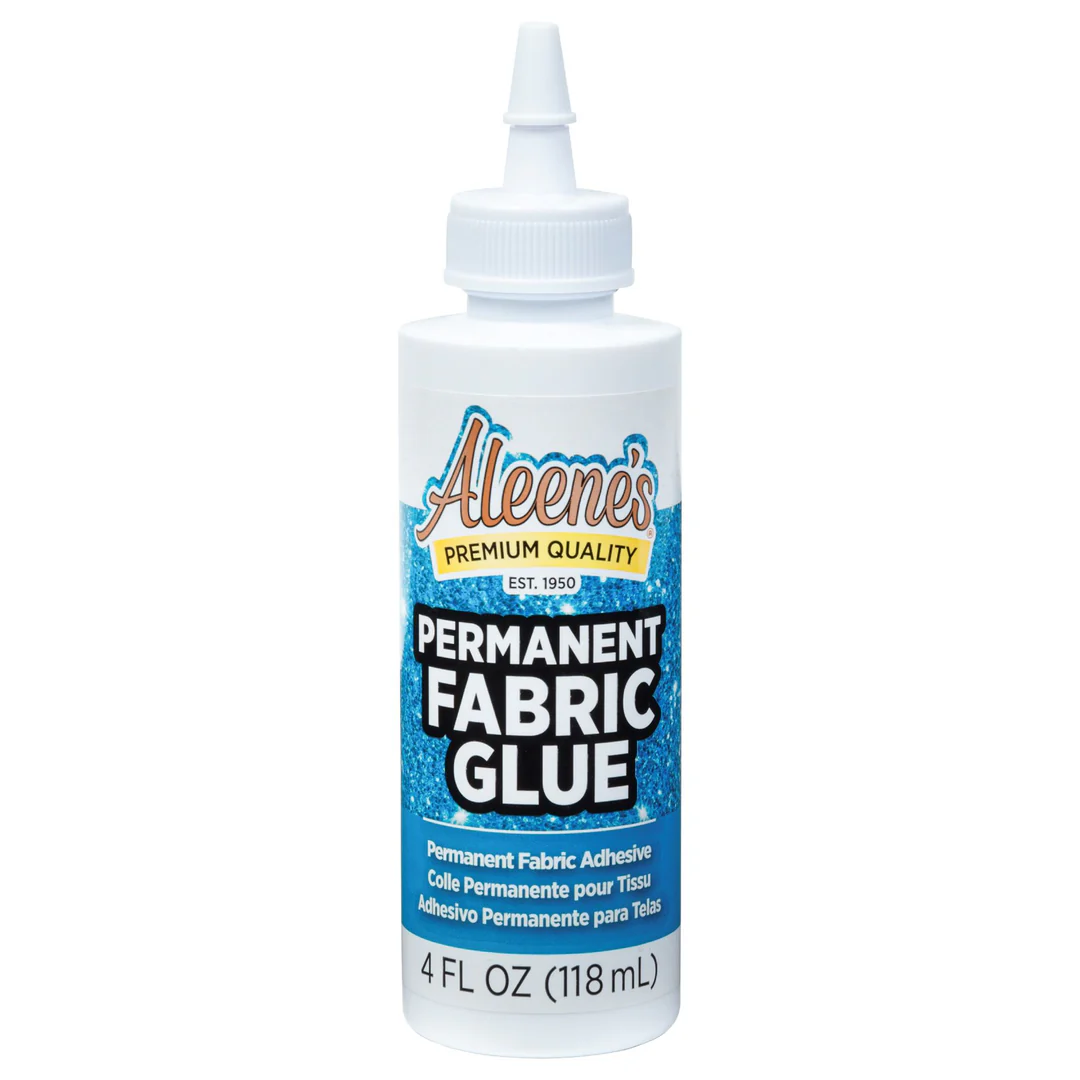
Professional-grade permanent fabric glue featuring washable clear formula perfect for bonding rhinestones, patches, clothing repairs, and craft applications on all fabric types including cotton, flannel, denim, leather, polyester, and nylon. This super fabric adhesive dries completely clear and flexible maintaining natural fabric drape while creating bonds that withstand machine washing and regular wear, making it the ideal alternative to traditional needle and thread for quick repairs and embellishment attachment. The versatile formulation works on dolls, fabrics, and various materials providing time-saving solutions for textile projects requiring permanent washable bonds.
- Permanent washable formula
- Dries completely clear
- Works on all fabric types
- Perfect for rhinestones and patches
- Alternative to sewing
- Flexible when dry
- Machine washable
- 60ML capacity
HeatnBond Iron-On Adhesive
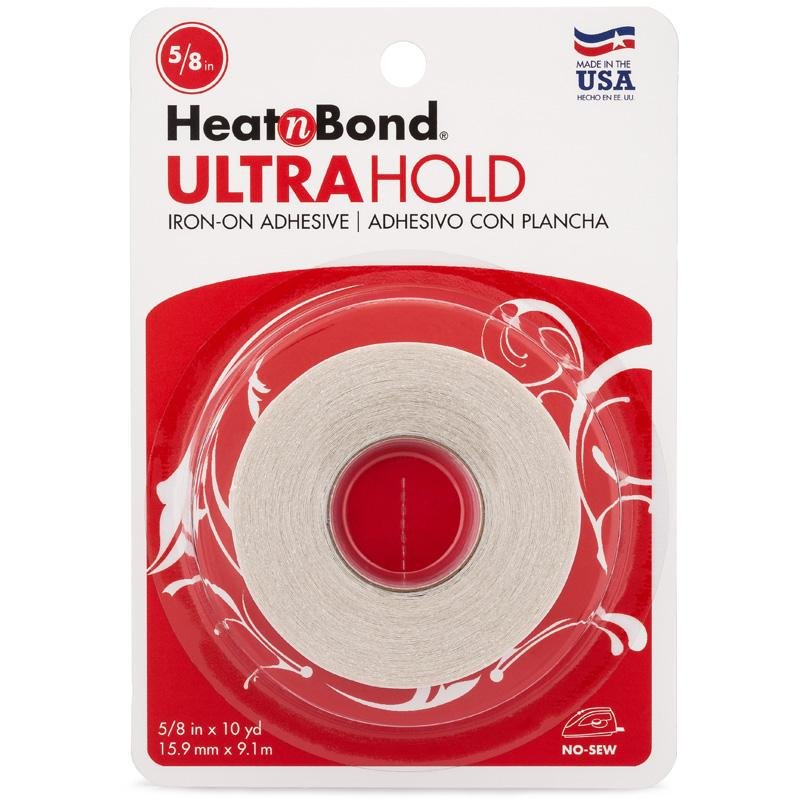
Professional UltraHold iron-on adhesive featuring heat-activated permanent bonding on double-sided solid film with paper liner perfect for ribbon, lace, trim, and home decor applications without pinning or sewing. This convenient 7/8 inch by 10 yards roll provides ample material for multiple projects while the no-sew application saves time and effort compared to traditional hand-stitching methods, making it ideal for medium to heavyweight materials requiring strong permanent bonds. The heat-activated technology creates instant permanent connections between fabrics eliminating the need for curing time or waiting periods before using completed projects.
- Heat-activated permanent bond
- Double-sided solid film
- No sewing or pinning needed
- 7/8 inch x 10 yards
- Perfect for ribbon and lace
- Medium to heavyweight fabrics
- Instant bonding with iron
- Paper liner for easy handling
Best Fabrics for Adhesive Application
Natural fiber fabrics like cotton, linen, and canvas accept fabric adhesive most readily because their absorbent structures allow deep penetration. The adhesive bonds strongly with these materials, creating lasting connections that survive repeated washing.
Cotton-polyester blends also work well with most fabric adhesives, though higher cotton content typically produces better results. The natural fibers provide bonding sites for adhesive molecules while polyester adds durability to finished repairs.
Challenging Fabric Types
Pure synthetic fabrics like polyester and nylon present challenges because their smooth surfaces resist adhesive penetration. Specialized formulations containing synthetic-compatible additives improve adhesion to slick fiber surfaces.
Waterproof or treated fabrics actively repel regular fabric adhesives, requiring special primers or synthetic-specific formulations. Testing small inconspicuous areas before full application prevents disappointment on expensive materials.
Stretchy fabrics containing spandex or elastane need adhesives formulated to expand and contract without breaking bonds. Look for products specifically labeled for stretch materials to ensure flexibility remains intact.
Fabric Preparation Steps
Washing fabrics before applying adhesive removes sizing, manufacturing residues, and oils that interfere with bonding. Pre-washed fabrics accept adhesive more readily while eliminating shrinkage concerns after repair completion.
Ensure fabrics are completely dry before applying adhesive to prevent dilution and weakened bonds. Allow adequate air circulation during application and curing to ensure proper adhesive performance and maximum strength development.
Application Techniques for Best Results
Achieving professional results with fabric adhesive requires proper technique including surface preparation and controlled application. Practicing on fabric scraps before working on final projects builds confidence and reveals how specific adhesives behave.
Surface Preparation
Clean bonding surfaces with rubbing alcohol to remove oils, dirt, and residues that prevent proper adhesion. Allow alcohol to evaporate completely before applying adhesive for strongest possible bonds.
Roughen smooth surfaces like leather or vinyl lightly with fine sandpaper to create texture improving adhesive grip. This mechanical preparation significantly enhances bond strength on non-porous materials.
Test adhesive on hidden fabric areas to verify compatibility and appearance before applying to visible sections. This precaution prevents permanent damage to valuable items from incompatible formulations.
Proper Application Method
Apply thin, even layers of adhesive rather than thick globs that create stiffness and extended drying times. Multiple thin coats build adequate bonding strength while maintaining fabric flexibility.
Work adhesive into fabric fibers using gentle dabbing motions rather than spreading that pushes adhesive along surfaces. This penetration technique ensures deep bonding rather than surface coating.
Allow tackiness to develop before joining surfaces according to manufacturer recommendations, typically 30-60 seconds. This waiting period ensures optimal bonding when surfaces contact each other.
Pressure and Clamping
Apply firm, even pressure across bonded areas for manufacturer-recommended time, typically 15-30 seconds minimum. This pressure forces adhesive deeper into fabric structures for stronger connections.
Use fabric clips or weights to maintain pressure during initial curing without permanent marks. Place wax paper between clamps and fabric to prevent adhesive transfer to tools.
For large bonded areas, work in sections applying pressure systematically across entire surface. This ensures uniform bonding without weak spots that might fail under stress.
Combining with Other Tools
Fabric adhesive works beautifully alongside decorative ribbons for creating dimensional embellishments without visible stitching. The invisible bonds showcase embellishments without distracting thread lines.
Use fabric chalk to mark precise placement before applying adhesive, ensuring accurate positioning. The chalk washes away completely after adhesive cures leaving no residue.
Curing and Setting Times
Properly curing fabric adhesive transforms temporary tackiness into permanent bonds that withstand washing and wearing. This crucial period allows solvents to evaporate and polymers to form complete connections with fabric fibers.
Initial Drying Period
Most fabric adhesives dry to touch within 15-30 minutes depending on application thickness and environmental conditions. However, surface dryness doesn’t indicate complete curing or maximum bond strength.
Handling strength develops within 2-4 hours for most formulations, allowing gentle use before complete curing. Avoid subjecting bonds to significant stress during this intermediate period to prevent weakening.
Full Cure Requirements
Complete curing for maximum bond strength typically requires 24-72 hours before washing or heavy use. Rushing this process by applying heat or stress too early permanently compromises bond integrity.
Environmental factors significantly impact curing times with humidity slowing evaporation and cold temperatures extending cure periods. Work in moderate conditions (65-75°F, low humidity) for predictable curing.
Heat-Setting Iron-On Adhesives
Iron-on adhesives require heat activation using fabric iron set to appropriate temperature for fabric type. Apply firm pressure for 10-15 seconds per section, allowing steam to escape.
Allow heat-activated bonds to cool completely before moving or stressing the connection. The cooling period allows polymers to solidify into their final bonded configuration.
Pro Tip: Always allow fabric adhesive to cure for the full manufacturer-recommended time before washing or heavy use. Patience during curing ensures maximum bond strength and longevity, preventing premature failure that requires reapplication and wasted effort.
Popular Fabric Adhesive Projects
Fabric adhesive enables countless projects ranging from simple repairs to complex creative endeavors. The no-sew convenience makes textile work accessible to people without sewing skills or equipment.
Clothing Repairs
Fixing fallen hems with fabric adhesive provides quick, invisible repairs without hand-stitching or machine sewing. The permanent bonds withstand washing and wearing as effectively as sewn hems for most garments.
Reattaching loose pockets or patches using adhesive creates secure connections without visible stitching. This technique works especially well on delicate fabrics where needle holes might cause further damage.
Mending small tears or rips with adhesive reinforcement prevents damage from spreading. Apply adhesive to tear edges and press together, optionally adding fabric patch underneath for additional strength.
Embellishment Application
Attaching rhinestones, sequins, and beads with fabric adhesive provides secure placement without thread work. The clear-drying formula remains invisible around embellishments for professional-looking results.
Bonding appliqués or decorative patches creates dimensional designs without sewing skills. Position designs carefully using fabric pencil marks before applying adhesive for precise placement.
Adding trim or lace to garments using adhesive eliminates tedious hand-stitching. The bonds remain flexible allowing trims to move naturally with fabric instead of creating stiff, restrictive lines.
Craft and Home Decor
Creating custom fabric bags using adhesive construction eliminates sewing machine requirements. The permanent bonds create functional bags withstanding daily use and contents weight.
Recovering throw pillows or cushions with adhesive application provides budget-friendly updates without reupholstering costs. The technique works especially well with iron-on adhesive sheets for uniform bonding.
Assembling fabric wall hangings or textile art pieces using adhesive allows focus on design rather than construction techniques. The invisible bonds showcase artistic elements without distracting stitching lines.
Caring for Adhesive-Bonded Items
Properly maintained adhesive bonds retain strength through years of use and numerous washings. Following recommended care guidelines ensures creative investment lasts as long as the fabric itself.
Washing Best Practices
Wait at least 72 hours after application before washing adhesive-bonded items for first time, allowing complete curing. This patience ensures maximum permanence before exposure to water and detergent.
Turn bonded items inside-out before washing to protect adhesive areas from direct agitation and friction. This simple step significantly extends bond life by reducing surface wear during washing cycles.
Use cold water and mild detergent instead of hot water and harsh cleaners to maintain adhesive integrity. Avoid chlorine bleach and oxygen brighteners that can gradually degrade adhesive bonds through chemical interaction.
Drying Methods
Air drying adhesive-bonded items when possible prevents repeated heat exposure that gradually weakens bonds. Line drying also eliminates dryer friction that wears adhesive surfaces over time.
If machine drying becomes necessary, use low heat settings to minimize thermal stress on adhesive bonds. Remove items promptly when dry to prevent extended heat exposure in hot drum.
Long-Term Maintenance
Inspect adhesive bonds periodically for signs of weakening or separation, addressing issues before complete failure. Early touch-ups maintain item integrity preventing extensive repairs later.
Reapply adhesive to weakened areas following original application methods including full curing time. Remove old adhesive residue before reapplication to ensure proper bonding with fabric fibers.
Troubleshooting Common Problems
Understanding how to address fabric adhesive problems saves projects from failure and builds confidence in application techniques. Most issues have simple solutions when identified early.
Preventing Bond Failure
Bond failure typically results from inadequate surface preparation, insufficient curing time, or incompatible materials. Clean surfaces thoroughly and follow curing recommendations exactly to prevent premature separation.
Environmental factors including excessive humidity or cold temperatures interfere with proper curing. Work in controlled conditions whenever possible for predictable, reliable results.
Using correct adhesive formulation for specific fabric types prevents compatibility issues. Verify product recommendations match your materials before application to avoid wasted effort.
Reducing Stiffness
Excessive stiffness usually results from heavy adhesive application or buildup from multiple coats. Apply thin layers allowing complete drying between applications to maintain fabric flexibility.
For already stiffened areas, washing with fabric softener sometimes helps restore flexibility. Gently working or kneading dried adhesive areas also breaks up rigid structures.
Removing Excess Adhesive
Remove wet adhesive immediately with damp cloth before it dries to prevent permanent residue. Act quickly as adhesive becomes increasingly difficult to remove as curing progresses.
For dried adhesive, commercial removers designed for fabric glue dissolve bonds without damaging underlying materials. Test removers on hidden areas first to verify fabric compatibility.
Adhesive Storage
Store fabric adhesive bottles tightly sealed in cool, dry locations to prevent drying and maintain consistency. Temperature extremes degrade adhesive quality and reduce shelf life.
Keep applicator tips clean by wiping after each use to prevent clogging. Replace caps immediately after use to prevent air exposure that dries adhesive in bottles.
Working with Specialty Materials
Different fabric types require specialized adhesive considerations beyond standard cotton applications. Understanding material-specific requirements ensures successful bonding across various textiles.
Leather and Suede
Leather adhesives contain solvents that slightly etch surfaces for improved bonding while maintaining flexibility. Roughen smooth leather lightly before application to enhance adhesive grip.
Allow longer curing times for leather projects as dense material slows solvent evaporation. Patience ensures maximum bond strength capable of withstanding leather’s unique stresses.
Denim and Heavy Fabrics
Heavy-duty adhesives penetrate dense weaves like denim more effectively than standard formulations. Apply firm pressure during bonding to force adhesive deep into fabric structures.
Consider using iron-on adhesive for denim hems and repairs as heat helps adhesive penetrate thick materials. The heat activation ensures thorough bonding through multiple fabric layers.
Delicate and Sheer Fabrics
Light-duty adhesives prevent damage to fragile materials like silk, chiffon, or lace. Apply sparingly using toothpick or fine applicator to avoid show-through on sheer fabrics.
Test adhesive on hidden areas before applying to visible sections of valuable delicates. Verify no discoloration, stiffening, or texture changes occur before committing to full application.
Working with Character Fabrics
Enhance pre-printed fabrics like Harry Potter fabric or Marvel fabric by using adhesive for appliqué applications. The no-sew technique prevents needle damage to detailed character prints.
Bond coordinating solid fabrics to printed materials in quilts or craft projects using adhesive basting. This temporary hold allows precise positioning before permanent joining methods.
Purchasing Quality Fabric Adhesive
Sourcing reliable fabric adhesive ensures project success through consistent performance and appropriate formulation. Knowing where to find quality options and how to evaluate them prevents disappointing purchases.
Retail Options
Craft stores carry extensive fabric adhesive selections including various formulations from multiple manufacturers. In-person shopping allows product comparison and staff assistance with selection decisions.
Online retailers provide broader selections with customer reviews guiding purchase decisions. Reading detailed reviews reveals real-world performance information not available from product descriptions alone.
Fabric specialty stores stock professional-grade adhesives with superior performance suitable for serious textile work. These retailers often carry specialized formulations unavailable at general craft stores.
Value Considerations
Premium fabric adhesives cost more initially but provide better value through superior bonding and durability. Calculate performance per application rather than purchase price to reveal true value.
Watch for sales during events like holiday shopping periods to stock up on frequently-used adhesives at reduced prices. Building supply inventory during sales makes quality products more affordable.
Consider purchasing multi-packs of commonly-used adhesives for better per-unit pricing. Coordinated purchases ensure consistent formulation across multiple projects eliminating variation concerns.
Storage and Organization
Store adhesives with other fabric crafting supplies including cutting boards and preparation tools for efficient project setup. Dedicated storage prevents supplies from becoming scattered across different locations.
Label adhesive bottles with purchase dates to track shelf life and rotate stock appropriately. Most fabric adhesives maintain quality for 1-2 years when properly stored.
Safety and Environmental Considerations
Using fabric adhesive responsibly includes attention to safety practices and environmental impact. Modern formulations address many traditional concerns while maintaining professional performance.
Safe Usage Practices
Work in well-ventilated areas even with low-odor formulations to prevent solvent buildup. Good air circulation keeps workspace comfortable during extended application sessions.
Avoid skin contact with adhesive by wearing protective gloves during application. Wash hands thoroughly after use before eating or touching face to prevent accidental ingestion.
Keep adhesives away from heat sources and store in cool locations to prevent degradation. Temperature extremes affect adhesive consistency and performance quality.
Child-Safe Options
Choose non-toxic, low-odor formulations when working with children or creating items for young users. Look for products labeled safe for all ages conforming to safety standards.
Supervise children during adhesive projects ensuring proper ventilation and technique. The permanent nature requires adult oversight to prevent accidents or improper application.
Eco-Friendly Practices
Select water-based adhesives over solvent-based alternatives to reduce environmental impact. Water-based formulations produce fewer volatile organic compounds during application and curing.
Use adhesive to extend life of existing textiles rather than purchasing new items. Repairing and updating keeps fabrics out of landfills while reducing demand for new production.
Frequently Asked Questions
Most fabric adhesives labeled as permanent create highly durable bonds when properly applied and cured for the full recommended time, typically 24-72 hours. These permanent formulations withstand machine washing and regular wear for years when used on compatible fabrics with proper surface preparation. The permanence depends on adhesive quality, fabric type, curing conditions, and washing practices with premium brands surviving 50+ washes without significant weakening.
Fabric adhesive can replace sewing for many applications including hemming, attaching embellishments, repairs, and craft projects, though structural seams bearing significant weight still benefit from traditional stitching. Quality permanent adhesives create bonds rivaling sewn strength for decorative elements, patches, and non-structural applications. Many professionals combine both methods using adhesive to position pieces before sewing for optimal results that leverage benefits of each technique.
Most fabric adhesives dry to touch within 15-30 minutes but require 24-72 hours for complete curing to reach maximum bond strength. Surface dryness doesn’t indicate full curing so avoid washing or stressing bonds before manufacturer-recommended cure time. Environmental factors including humidity and temperature significantly impact drying speed with warm, dry conditions promoting faster curing than cold or humid environments.
Natural fiber fabrics including cotton, linen, and canvas work best with fabric adhesive because their absorbent structures allow deep penetration and strong bonding. Cotton-polyester blends with higher cotton content also accept adhesive well producing durable bonds. Pure synthetic fabrics like polyester and nylon resist standard adhesive formulations requiring specialized products designed specifically for synthetic materials to ensure proper adhesion and long-lasting results.
Yes, items bonded with permanent washable fabric adhesive withstand machine washing when properly cured and cared for following recommended practices. Wait 72 hours after application before first wash allowing complete curing then wash inside-out in cold water with mild detergent avoiding bleach and harsh chemicals. Premium washable adhesives maintain bond strength through numerous wash cycles while inferior products may show gradual weakening requiring eventual rebonding.
Quality fabric adhesives applied in thin layers maintain fabric flexibility without excessive stiffening when properly used. Heavy application or multiple thick coats create stiffness so apply adhesive sparingly in thin layers allowing complete drying between applications. Premium formulations contain flexibility agents specifically designed to preserve fabric drape and movement preventing the stiff, cardboard-like texture that occurs with inferior products or improper application techniques.
Remove wet fabric adhesive immediately with damp cloth before drying while dried adhesive requires commercial adhesive removers designed for fabric glue. Apply remover to affected area following product instructions then gently work adhesive loose with fingertips or soft brush. Natural alternatives including rubbing alcohol or freezing adhesive until brittle also work for many formulations. Always test removal methods on hidden areas first to verify no fabric damage occurs.
Related Resources
- Fabric Iron – Heat-setting equipment
- Fabric Scissors – Precision cutting tools
- Fabric Clips – Holding and clamping
- Fabric Ribbon – Decorative embellishments
- Fabric Chalk – Marking and placement
- Fabric Pencil – Precision marking
- Canvas Fabric – Heavy fabric projects
- Outdoor Fabric – Weather-resistant materials
- Fabric Bags – Project applications
- Harry Potter Fabric – Character prints
- Marvel Fabric – Licensed materials
- Sewing Machines – Complementary equipment
- Cutting Boards – Work surface protection
- Black Friday Deals – Sale opportunities
Bond Fabrics Without Sewing
Fabric adhesive provides accessible tools for textile bonding, repairs, and creative expression requiring permanent results without needle and thread. The specialized formulations deliver lasting bonds that survive years of use and washing while maintaining fabric flexibility and natural drape.
Whether repairing clothing, attaching embellishments, or creating no-sew projects, quality adhesive application and proper curing ensure maximum durability. Understanding adhesive selection, application techniques, and care requirements guarantees successful projects worth the creative investment.
Start your fabric bonding projects with quality adhesives, proper cutting tools for preparation, and reliable heat-setting equipment to transform repair challenges into successful solutions showcasing professional results without traditional sewing requirements.