
Fabric Garland: Complete Guide to Creating Decorative Textile Banners
DIY Fabric Strip Garlands, Bunting Banners, and Reusable Party Decorations for Every Occasion
Fabric garlands transform ordinary spaces into festive environments through colorful textile strips strung together creating reusable decorations for parties, holidays, and everyday home decor. These versatile handmade accents offer durability and sustainability compared to disposable paper alternatives while adding warmth and personality to any setting.
Creating fabric garlands requires minimal sewing skills and basic supplies including fabric scraps, scissors, and string or ribbon for the base. The simple construction process makes these decorations accessible for beginners while offering endless customization possibilities through fabric selection, color combinations, and decorative techniques.
Understanding Fabric Garland Construction
Fabric garlands consist of textile pieces attached to a base string creating decorative strands that hang across spaces or frame specific areas. The basic construction involves cutting fabric into strips or shapes then securing them to twine, ribbon, or cord through knotting or sewing methods.
Unlike disposable paper decorations, fabric garlands withstand repeated use and storage making them economical investments for regular decorators. The textile materials maintain their appearance through multiple events when properly cared for, developing character and sentimental value with each celebration.
Common Garland Styles
Strip garlands feature fabric pieces tied directly onto base strings creating full, textured decorations through simple knotting techniques. These versatile designs work for casual gatherings and formal events depending on fabric selection and color schemes.
Bunting banners use triangular or pennant-shaped fabric pieces sewn or attached to create structured decorative lines. The uniform shapes provide cleaner, more polished appearances suitable for weddings, baby showers, and professional events requiring sophisticated decor.
Rag tie garlands incorporate irregular fabric scraps knotted onto base strings producing bohemian, rustic aesthetics perfect for farmhouse-style decorating. The informal construction celebrates fabric diversity while providing excellent scrap-busting opportunities for sewers with leftover materials.
Materials and Construction Methods
Cotton fabrics work best for most garland applications offering easy cutting, minimal fraying, and excellent color variety across prints and solids. The natural fiber structure holds knots securely while maintaining flexibility for draping and arrangement.
Synthetic materials including polyester and nylon resist weather damage better than natural fibers making them ideal for outdoor decorations exposed to moisture. These durable options maintain color vibrancy through sun exposure though they may feel less substantial than cotton alternatives.
Base string selection affects garland durability and appearance with jute twine providing rustic character, cotton cord offering soft flexibility, and ribbon contributing polished elegance. Choose base materials strong enough to support fabric weight without stretching or breaking during installation.
Creating No-Sew Fabric Garlands
No-sew construction methods make fabric garland creation accessible without specialized equipment or advanced skills. The simple tie-on technique requires only scissors and fabric producing professional-looking results through repetitive knotting.
Strip Preparation Process
Cut fabric into strips measuring 1-1.5 inches wide by 12-18 inches long depending on desired fullness and visual impact. Sharp scissors ensure clean edges reducing excessive fraying though some textile distressing adds character to finished garlands.
Plan approximately 150-200 strips for standard 6-foot garlands with moderate fullness adjusting quantities based on desired density. Mixing multiple fabric patterns and coordinating solid colors creates visual interest without overwhelming the overall design.
Assembly Technique
Fold each fabric strip in half creating a loop then position the folded middle behind the base string. Pull the two loose ends through the loop and tighten creating a simple knot that secures fabric without additional fasteners.
Continue adding strips alternating colors and patterns while pushing completed sections together for fuller appearance. The spacing between strips determines final garland density with closer placement creating more substantial decorations.
Trim uneven ends after completing assembly if uniform length appeals to your aesthetic preferences. Alternatively, embrace varied strip lengths for casual, organic appearances that suit rustic or bohemian decorating styles.
Alternative Construction Methods
Braided garlands use three long fabric strips woven together then connected end-to-end creating substantial decorations with interesting texture. This technique works particularly well with contrasting colors or patterns highlighting the braiding structure.
Fringe garlands involve folding fabric lengthwise then cutting perpendicular slits creating multiple fringe elements along single fabric lengths. The resulting fullness produces festive decorations requiring fewer individual pieces than strip tie methods.
Triangle Bunting Banner Fabric Garland Set
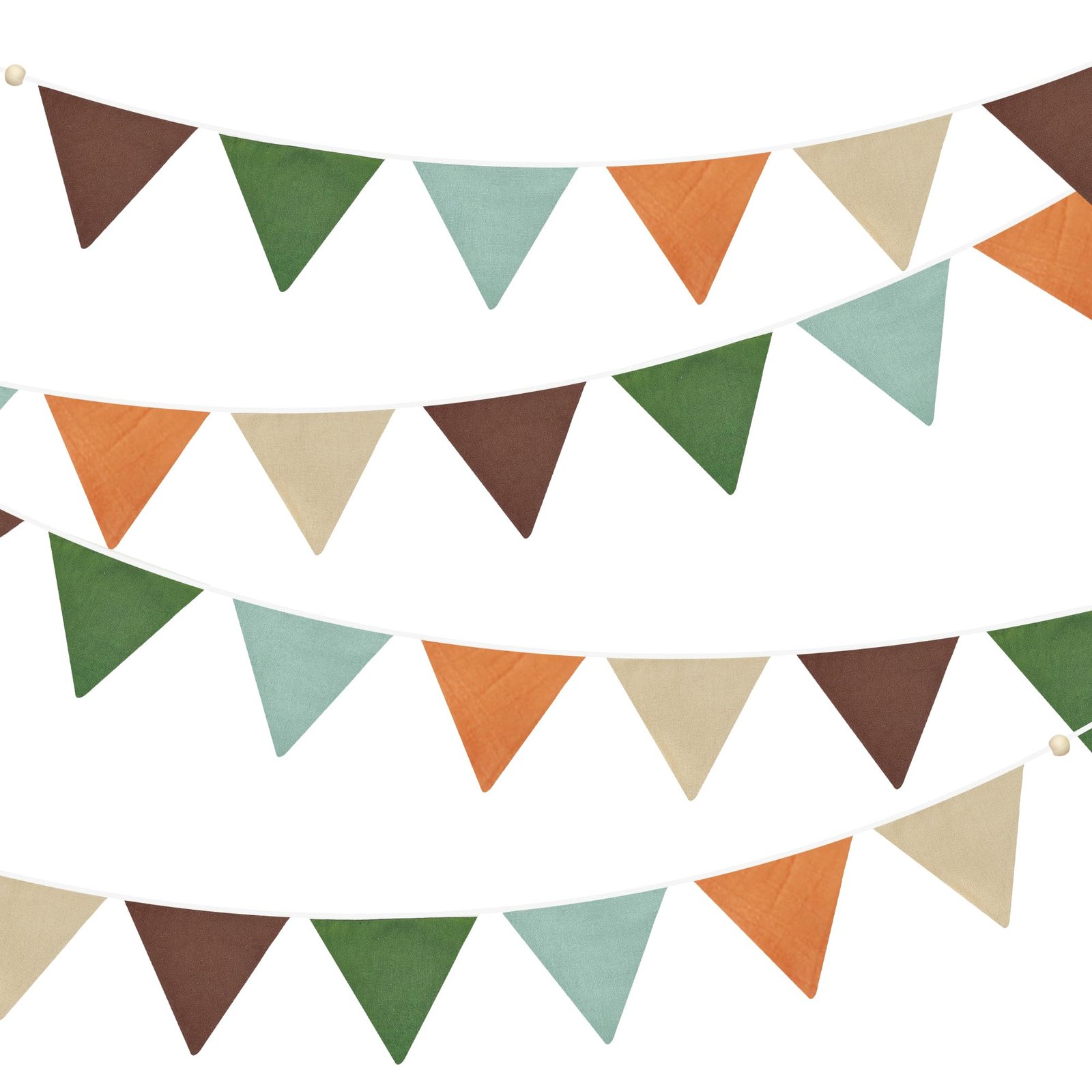
Complete triangle bunting banner set featuring 10-meter cotton fabric flags creating 32 feet of decorative garland perfect for birthday parties, weddings, baby showers, and home celebrations. The double-sided cloth construction ensures attractive appearance from all viewing angles while providing durability through multiple uses and storage cycles. This ready-made garland eliminates DIY time investment while delivering professional results with handmade aesthetic appeal suitable for indoor and outdoor decorating applications.
- 10 meters total length
- 36 cotton fabric pennants
- Double-sided construction
- Handmade aesthetic quality
- Reusable decoration
- Multi-occasion versatility
- Indoor/outdoor suitable
Vintage Kantha Quilt Fabric Garland
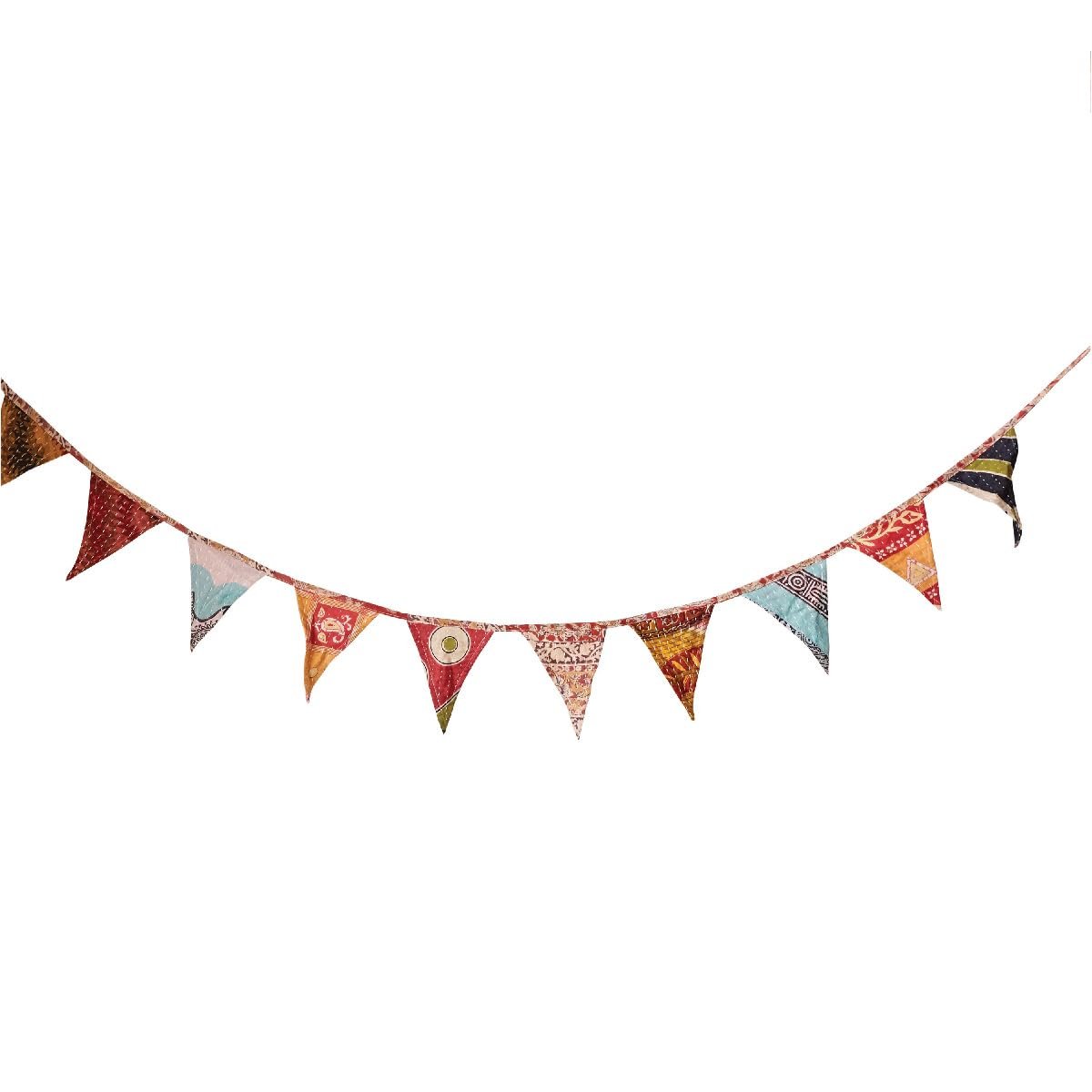
Unique vintage Kantha quilt garland measuring 72 inches long crafted from authentic repurposed textile materials creating one-of-a-kind decorations with handmade character and cultural significance. Each garland varies in appearance showcasing individual fabric patterns and color combinations impossible to replicate ensuring truly distinctive home decor pieces celebrating textile heritage and sustainable design practices. The vintage quilt construction provides substantial weight and presence making this garland suitable for statement decor applications where unique character matters more than uniform appearance.
- 72 inches length
- Vintage Kantha quilt material
- Each piece varies uniquely
- Handmade construction
- Sustainable repurposed textiles
- Cultural heritage design
- Spot clean only
Selecting Appropriate Fabrics
Fabric choice dramatically impacts garland appearance, durability, and suitability for specific applications. Understanding material properties helps select options that perform well while achieving desired aesthetic effects.
Natural Fiber Options
Cotton provides versatile, budget-friendly material available in countless patterns and colors perfect for most garland applications. The breathable natural fiber cuts easily without specialized tools while offering sufficient body to maintain shape without excessive stiffness.
Muslin creates elegant, neutral garlands with slightly translucent quality ideal for sophisticated events including weddings and formal celebrations. The lightweight plain weave drapes beautifully though may require reinforcement for outdoor use in windy conditions.
Burlap contributes rustic, textured character perfect for farmhouse-style decorating and outdoor gatherings. The coarse natural fiber sheds during cutting and handling though creates authentic handmade appearance that complements casual event themes.
Specialty Materials
Felt offers substantial weight with vibrant colors that resist fraying eliminating edge finishing requirements. The non-woven structure cuts cleanly and maintains sharp edges making it excellent for beginners creating shaped garland elements.
Lace and tulle add romantic, ethereal qualities when combined with more substantial fabrics providing textural contrast. These delicate materials work best for indoor decorations protected from weather and rough handling.
Recycled textiles including outgrown clothing, vintage linens, and fabric scraps contribute environmental sustainability while adding sentimental value to decorations. Repurposed materials create unique garlands impossible to replicate with new commercial fabrics.
Weather-Resistant Choices
Outdoor fabric and marine canvas withstand moisture and sun exposure better than standard cotton making them ideal for exterior decorations. The treated synthetic blends maintain color vibrancy and structural integrity through weather challenges.
Polyester and nylon resist water absorption preventing mildew growth and color bleeding during damp conditions. These practical alternatives suit garlands displayed outdoors for extended periods or in humid environments.
Design and Color Planning
Thoughtful color selection and pattern mixing create cohesive garlands that enhance rather than overwhelm decorative schemes. Planning fabric combinations before cutting ensures harmonious results that complement existing decor or event themes.
Color Scheme Strategies
Monochromatic designs use various shades of single colors creating sophisticated, unified appearances perfect for elegant events. Gradual value transitions from light to dark add visual interest while maintaining cohesive color identity.
Complementary color combinations pair opposites from the color wheel producing vibrant, energetic effects suitable for children’s parties and lively celebrations. The high contrast creates dynamic visual impact though may overwhelm formal settings.
Analogous color schemes combine adjacent hues creating harmonious, pleasing combinations that work universally across decorating styles. These naturally coordinated palettes feel balanced without requiring extensive color theory knowledge.
Pattern Integration
Mix printed and solid fabrics using approximately three pattern pieces for every one solid piece maintaining visual interest without chaos. The ratio provides rhythm while preventing overwhelming busyness that distracts from overall design.
Scale variation among patterns adds dimension with some large-scale prints balanced by smaller, more intricate designs. Combining different print sizes creates depth and complexity while maintaining cohesive color relationships.
Metallic accents through gold, silver, or copper fabrics elevate ordinary garlands for special occasions including weddings, anniversaries, and milestone celebrations. Strategic metallic placement provides sparkle without dominating the overall aesthetic.
Seasonal Considerations
Spring garlands feature pastel colors with floral prints celebrating renewal and growth through soft, fresh palettes. Light fabrics including cotton and voile suit the season’s airy, optimistic character.
Summer designs incorporate bright, saturated colors with tropical or nautical themes reflecting the season’s energy and outdoor focus. Bold patterns and weather-resistant materials suit summer’s active celebration style.
Autumn garlands use rich oranges, reds, and browns with plaid or leaf patterns capturing harvest themes. Heavier fabrics including flannel and wool blends suit the season’s cozy, warming character.
Winter decorations feature deep blues, silvers, and whites with snowflake or star elements creating elegant, sophisticated holiday displays. Metallic threads and sparkly fabrics enhance winter’s festive, celebratory nature.
Pro Tip: Create versatile garlands in neutral or multi-seasonal color schemes that work across different occasions maximizing reuse potential. Store seasonal variations separately for quick access when decorating needs arise.
Party and Event Applications
Fabric garlands transform ordinary venues into memorable celebration spaces through strategic placement and thoughtful styling. Understanding effective installation locations maximizes decorative impact while complementing rather than overwhelming event themes.
Photo Backdrop Creation
Layer multiple garlands at varying heights behind photo areas creating dimensional backdrops that encourage guest photography. The textured fabric surfaces photograph beautifully while providing branded or themed backgrounds for social media sharing.
Incorporate string lights between garland layers adding illumination that enhances evening events and creates magical atmosphere in photos. The combined lighting and textile elements produce professional-looking results without expensive equipment.
Table Decorating
Drape garlands along buffet tables or down dining table centers adding color and dimension without consuming valuable serving space. The fabric elements create cohesive decorative themes linking different event areas through consistent design elements.
Hang shorter garlands vertically from table edges creating dramatic visual interest that draws attention to food displays or gift tables. The vertical installation technique works particularly well for rectangular tables requiring focal points.
Entrance and Doorway Framing
Frame doorways and arches with fabric garlands signaling transition into special event spaces while setting celebratory tone. The threshold decoration welcomes guests while indicating they’re entering an area prepared specifically for celebration.
Create archway swags using longer garlands draped in curves rather than straight lines adding romance and elegance to wedding ceremonies or formal events. The graceful curves soften architectural features while adding textile warmth.
Ceiling Installations
Hang garlands from ceiling centers radiating outward to walls creating canopy effects that define spaces and add overhead visual interest. This technique works especially well in tents or rooms with exposed beams providing secure anchor points.
Drape parallel garland lines across ceilings creating striped effects that guide guest movement through spaces or emphasize room length. The linear arrangements suit modern, geometric decorating preferences.
Home Decor Integration
Fabric garlands extend beyond special events serving as charming everyday home decorations that add personality and warmth to living spaces. Permanent or semi-permanent installations become beloved design elements that reflect personal style.
Nursery and Children’s Spaces
Install fabric garlands as crib mobile alternatives providing visual stimulation without dangling elements that pose safety concerns. The wall-mounted decorations add color and pattern while remaining safely out of reach.
Create reading nook canopies using garlands draped from ceiling hooks or bookshelf tops defining special spaces that encourage imaginative play and quiet activities. The textile elements add coziness while remaining lightweight and non-permanent.
Seasonal Home Decoration
Rotate garland collections with changing seasons maintaining fresh, current home aesthetics without major decorating overhauls. The simple swap updates entire spaces through single focal decorations requiring minimal time investment.
Display holiday-themed garlands on mantels, stair railings, or window frames celebrating specific occasions while maintaining decorative continuity through consistent materials and construction methods. The familiar garland format works across different holiday themes.
Everyday Accent Pieces
Hang neutral or subtle garlands as permanent wall art alternatives adding texture and dimension without commitment required by traditional artwork. The removable decorations adapt as tastes change or rooms evolve.
Frame mirrors, windows, or doorways with coordinating garlands that enhance architectural features while adding soft textile elements to hard surfaces. The fabric accents balance modern interiors that may feel cold or institutional.
Baby Shower and Wedding Decorations
Special life events deserve personalized decorations that reflect the significance of occasions being celebrated. Custom fabric garlands serve both decorative and sentimental purposes becoming keepsakes that commemorate meaningful moments.
Baby Shower Personalization
Create garlands matching nursery themes using fabrics selected for the baby’s room ensuring decorations transition from shower to home decor. The coordinated approach provides value while establishing visual connection between celebration and preparation.
Incorporate meaningful fabrics including pieces from family member’s collections or vintage textiles representing family history and tradition. These sentimental elements transform simple decorations into emotionally significant keepsakes.
Design interactive garlands featuring different textures and sensory elements that later become baby’s developmental toys. The dual-purpose creations maximize resource investment while providing lasting value beyond single-use decorations.
Wedding Celebration Garlands
Select sophisticated fabrics including silk, satin, or elegant lace creating romantic decorations appropriate for formal wedding celebrations. The material quality reflects the significance and formality of marriage ceremonies.
Match garland colors to wedding palettes ensuring decorations complement rather than compete with floral arrangements and other design elements. The coordinated approach creates cohesive visual experiences throughout wedding venues.
Preserve wedding garlands as anniversary decorations or home decor pieces extending their value while maintaining connection to wedding day memories. The reusable nature transforms single-event decorations into lasting marriage symbols.
Installation and Display Methods
Secure installation ensures garlands remain properly positioned throughout events while protecting walls and surfaces from damage. Planning attachment methods before decorating prevents mid-event adjustments and potential decoration failures.
Wall and Ceiling Mounting
Command hooks provide removable mounting solutions perfect for rental spaces or situations where permanent holes are unacceptable. The adhesive hooks support lightweight garlands without damaging paint or wallpaper when properly installed and removed.
Clear pushpins work for spaces where small holes are acceptable offering secure attachment with minimal visibility. The transparent pins virtually disappear once garlands are positioned making them ideal for inconspicuous mounting.
Fishing line reinforcement adds invisible support for heavier garlands or installations requiring extra security. The clear monofilament creates supporting structure without visual distraction from decorative elements.
Furniture and Fixture Attachment
Pipe cleaners twist around garland strings securing decorations to banisters, chair backs, or other furniture without causing damage. The flexible wire alternative removes easily without leaving marks or requiring special tools.
Ribbon ties attach garlands to curtain rods, shelving units, or decorative hooks providing adjustable mounting that accommodates different spacing needs. The matching ribbon blends with garland aesthetics while offering practical fastening solutions.
Outdoor Installation Techniques
Heavy-duty clips designed for outdoor use provide secure attachment to fencing, trees, or building exteriors withstanding wind and weather stress. The specialized hardware ensures garlands remain positioned despite environmental challenges.
Garden twine or weatherproof cord creates supporting structures for outdoor garlands preventing sagging and weather damage. The moisture-resistant materials maintain integrity through rain and humidity unlike standard string alternatives.
Maintenance and Storage
Proper care extends fabric garland lifespan ensuring decorations remain beautiful through multiple uses and storage cycles. Simple maintenance practices prevent damage while keeping textile elements fresh and vibrant.
Cleaning Procedures
Shake garlands outdoors removing loose dust and debris accumulated during display without requiring wet cleaning. The gentle physical cleaning suffices for garlands used indoors in clean environments.
Machine wash heavily soiled garlands in mesh laundry bags using gentle cycles and mild detergent protecting fabric strips during agitation. Air dry completely before storage preventing mildew growth and material deterioration.
Spot clean isolated stains promptly using appropriate treatments for specific fabric types avoiding full washing when possible. Targeted cleaning preserves overall garland integrity while addressing localized problems efficiently.
Storage Solutions
Roll garlands around cardboard tubes preventing creases and tangles during storage periods between uses. Empty wrapping paper cores work perfectly for this purpose providing appropriate diameter and length.
Store rolled garlands in clear plastic containers with secure lids protecting textiles from dust, moisture, and pests while allowing visual identification without opening. Label containers noting length, colors, and occasions for efficient retrieval.
Keep storage areas climate-controlled preventing extreme temperature fluctuations that damage fabrics and cause color fading. Avoid attics and garages where heat and humidity create challenging conditions for textile preservation.
Repair and Refreshing
Replace damaged or worn fabric strips maintaining garland appearance and structural integrity through minor repairs. Keep extra fabric scraps from original construction facilitating perfect color matches for replacement pieces.
Add new elements or updated fabric strips refreshing garlands for different occasions or evolving aesthetic preferences. The modular construction allows easy modification without reconstructing entire decorations.
Frequently Asked Questions
Standard fabric garlands range from 5-10 feet depending on installation location with mantel decorations needing 5-6 feet while doorways require 6-7 feet. Photo backdrops typically measure 7-8 feet while dining tables need 8-10 feet for full coverage. Add 10% extra length to your base string accounting for natural draping and swag, and remember that adding fabric strips causes some contraction in overall measurement.
Yes, fabric garlands are designed for repeated use lasting years when properly stored and maintained making them economical decoration investments. Unlike disposable paper decorations, quality fabric garlands withstand multiple installations and storage cycles while maintaining appearance. Store garlands rolled in clear containers in climate-controlled spaces, clean between uses as needed, and make minor repairs replacing damaged strips to extend usable life indefinitely.
Cotton provides the best all-purpose fabric for most garland applications offering easy cutting, minimal fraying, excellent pattern variety, and appropriate weight for draping. Natural cotton holds knots securely while remaining flexible enough for various installation methods. For outdoor use, consider polyester or treated outdoor fabrics resisting moisture and sun damage better than natural fibers. Felt works excellently for beginners since the material doesn’t fray and cuts cleanly without edge finishing.
Plan approximately 150-200 fabric strips for standard 6-foot garlands with moderate fullness adjusting quantities based on desired density and visual impact. Strips measuring 1-1.5 inches wide by 12-18 inches long create balanced proportions for most applications. Fuller, more substantial garlands require additional strips placed closer together while sparse, airy garlands need fewer pieces with wider spacing. Always cut extra strips beyond calculated needs allowing flexibility during assembly.
Fabric garlands work outdoors with appropriate material selection and secure installation methods protecting against weather challenges. Choose synthetic fabrics or treated outdoor textiles resisting moisture and sun exposure better than standard cotton. Use heavy-duty clips and weatherproof mounting hardware ensuring garlands remain positioned despite wind stress. For temporary outdoor events, most fabric garlands survive light weather though heavy rain or strong winds may require removal. Consider water-repellent spray treatments enhancing weather resistance.
No, most fabric garlands use no-sew construction methods requiring only scissors and basic knotting skills making them accessible without sewing equipment or advanced techniques. The simple tie-on method folds fabric strips in half then pulls ends through loops securing them to base strings without stitching. Alternative no-sew approaches include braiding long fabric strips or creating fringe garlands through strategic cutting. Sewing provides additional security for permanent installations though isn’t necessary for most applications.
Hang fabric garlands using removable Command hooks for damage-free wall mounting, clear pushpins for inconspicuous attachment where small holes are acceptable, or pipe cleaners for securing to furniture and fixtures. Outdoor installations require heavy-duty clips or weatherproof mounting hardware withstanding environmental stress. Plan installation before events ensuring secure attachment methods and strategic placement that enhances rather than clutters spaces. Always test hanging methods beforehand especially for high-traffic areas or outdoor locations experiencing wind.
Transform Spaces with Handmade Textile Decorations
Fabric garlands provide versatile, sustainable decoration solutions that transform ordinary spaces into celebratory environments while offering lasting value through repeated use. The simple construction process makes these textile decorations accessible for crafters of all skill levels while allowing unlimited customization through fabric selection and design choices.
Whether creating festive party decorations, seasonal home accents, or special event focal points, fabric garlands deliver professional-looking results that reflect personal style and creative vision. The reusable nature makes these decorations economical and environmentally responsible alternatives to disposable options while building decoration collections that chronicle celebrations and memories.
Start your fabric garland projects today with quality materials and simple construction techniques creating beautiful decorations that enhance celebrations and spaces for years to come while developing satisfying crafting skills and building treasured decoration collections.