
Fabric Markers at Joanns: Complete Guide to Permanent Textile Design and Customization
Professional Techniques for T-Shirts, Shoes, Canvas, and Creative Fabric Projects
Fabric markers at Joanns enable personalized textile artistry transforming plain clothing, accessories, and home décor into unique creative expressions through specialized dyes that bond with fabric fibers. These versatile tools combine drawing precision with permanent results requiring no special equipment beyond basic heat-setting materials accessible to crafters of all skill levels.
Understanding marker types, proper application techniques, and heat-setting methods ensures your fabric designs maintain vibrant colors through years of use and countless wash cycles. Quality fabric markers from Joann paired with correct procedures deliver professional results rivaling commercially decorated textiles.
Understanding Fabric Markers
Fabric markers contain specialized dyes or pigments formulated specifically to bond with textile fibers at molecular level creating permanent color connections. Unlike regular markers designed for paper, fabric-specific formulations penetrate material structure ensuring designs withstand mechanical stress and repeated laundering.
The chemistry involves dye molecules forming hydrogen bonds with cellulose in natural fibers or molecular attractions with synthetic materials. Heat-setting accelerates this bonding process providing energy needed for dye molecules to form stronger permanent connections with fabric fibers.
Types of Fabric Markers
Dual-tip fabric markers feature fine points for detailed work and brush tips for broader coverage offering maximum versatility without switching tools. These combination markers eliminate equipment changes during complex projects while maintaining consistent color throughout designs.
Single-tip markers provide either ultra-fine points for precision work or chisel tips for filling larger areas depending on project requirements. Specialized opaque markers designed for dark fabrics contain concentrated pigments remaining visible against black or navy backgrounds where standard markers disappear.
Bullet-tip markers deliver consistent medium-width lines ideal for lettering, outlining, and general design work. Fabric pencils complement markers for initial sketching allowing design planning before committing to permanent ink applications.
Water-Based vs Alcohol-Based Markers
Water-based fabric markers offer lower odor, easier cleanup, and gentler formulations suitable for children’s projects. These markers exhibit less bleeding on most fabrics though may require longer drying times compared to alcohol-based alternatives.
Alcohol-based fabric markers provide faster drying, more vibrant colors, and superior performance on synthetic fabrics. The quick-drying formula minimizes smudging though requires better ventilation during use and produces slight odor during application.
Selecting Quality Fabric Markers
Premium fabric markers at Joanns deliver superior color vibrancy, minimal bleeding, and exceptional wash resistance compared to budget alternatives. Investing in quality brands ensures creative efforts produce lasting results rather than disappointing faded designs after initial washing.
Quality Indicators
High-quality fabric markers feature consistent ink flow preventing splotchy application or dry patches within designs. Look for markers with AP certification from Art & Creative Materials Institute confirming non-toxic formulations safe for general use.
Premium markers contain lightfast pigments resisting UV degradation maintaining color intensity through sunlight exposure. Quick-drying formulations minimize bleeding while allowing sufficient working time for blending and shading techniques.
Quality marker tips maintain shape through extended use without fraying or flattening ensuring precise application throughout marker lifespan. Durable barrels with secure caps protect ink from drying preventing premature marker failure during storage.
Color Selection
Standard fabric marker sets include primary colors plus black enabling color mixing and diverse design possibilities. Expanded sets offering 20-40 colors provide ready-made shades eliminating mixing requirements for complex multi-color projects.
Darker colors including black, navy, deep red, and forest green demonstrate superior wash resistance compared to lighter shades. Yellows, pinks, and light blues typically fade faster requiring more frequent touch-ups or extra care during laundering.
Metallic and neon fabric markers add eye-catching accents to designs though often require additional heat-setting time. These specialty colors work best for decorative elements rather than primary design components where fading becomes more noticeable.
Brand Recommendations
Zenacolor fabric markers deliver exceptional color variety with 20-40 piece sets featuring intense pigments resistant to fading through machine washing. Their fine precise tips enable detailed artwork while rich ink formulations maintain vibrancy across numerous laundry cycles.
Artistro dual-tip acrylic paint markers excel on multiple surfaces including fabric, rock, glass, and wood. The 1mm fine tip handles intricate details while 1-5mm dot tip fills larger areas efficiently making these versatile tools for mixed-media projects.
Generic permanent fabric marker sets offering 20-32 colors provide affordable options for beginners exploring textile decoration. These budget-friendly alternatives balance performance with accessibility making fabric art approachable for crafters developing skills.
Zenacolor 40 Fabric Markers Pens Set
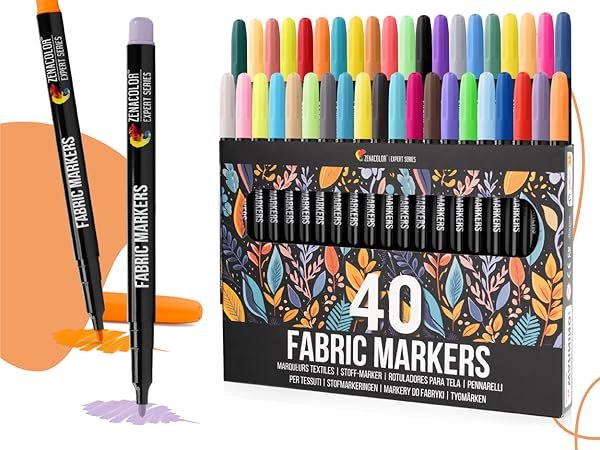
Professional 40-piece fabric marker set featuring non-toxic indelible permanent fabric paint with fine point tips delivering intense colors across amazing burst of shades perfect for textile decoration and creative customization. These high-quality markers contain rich pigments resistant to fading withstanding machine washing in cold temperatures while maintaining vibrant color intensity through repeated laundering cycles. The comprehensive color selection unleashes creativity across clothing, accessories, and home décor projects allowing personal expression through permanent textile artistry requiring only basic heat-setting for lasting results.
- 40 intense permanent colors
- Non-toxic safe formulation
- Indelible fabric paint ink
- Fine point precision tips
- Machine washable designs
- Fade-resistant pigments
- Cold water wash compatible
- Versatile textile application
ARTISTRO 24 Dual Tip Acrylic Paint Markers
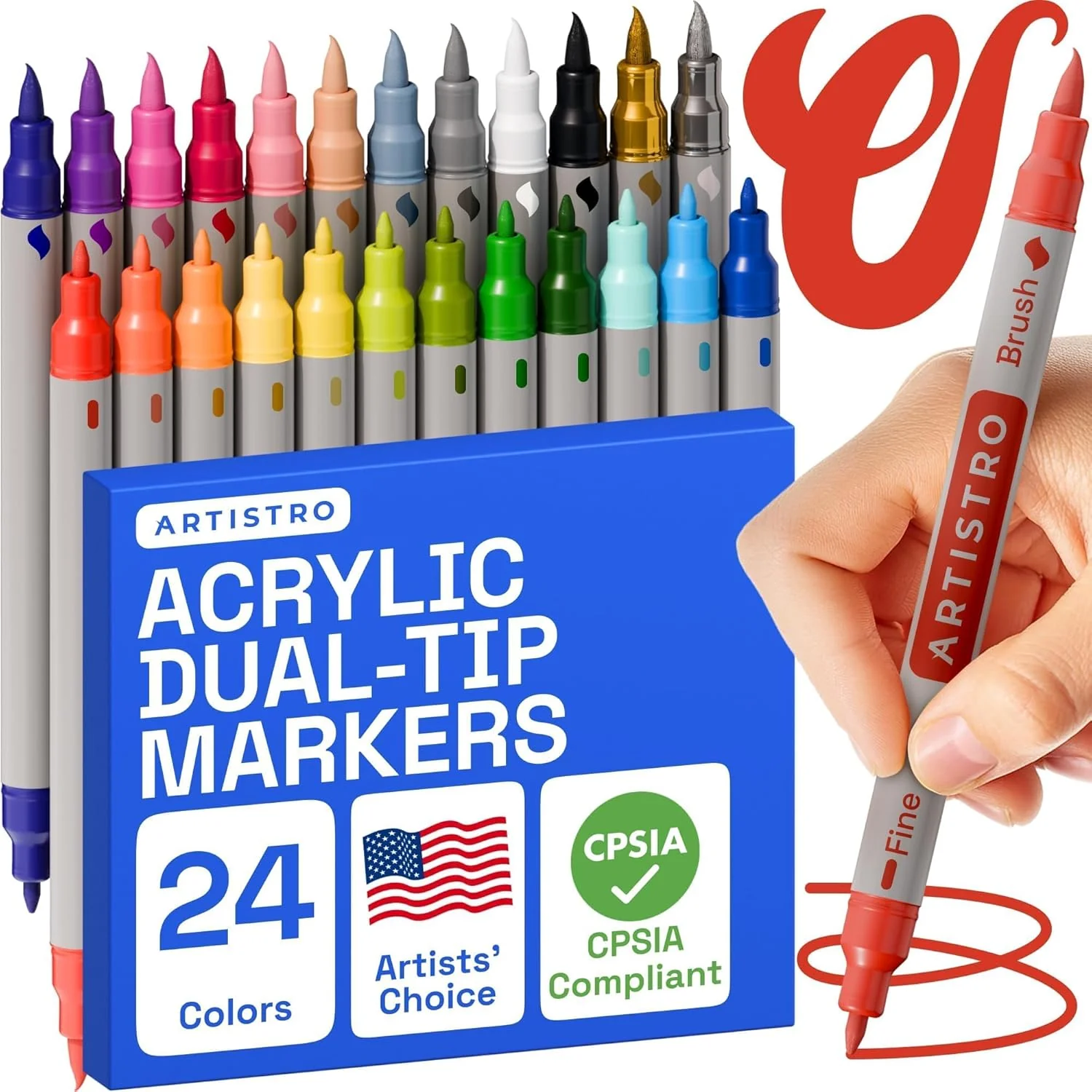
Versatile 24-piece dual-tip acrylic paint marker set featuring 1-5mm dot tips for filling large areas with bold color application and 1mm fine tips for detailed precision work across fabric, rock, glass, wood, paper, ceramic, and canvas surfaces. These multi-surface markers deliver professional results whether executing intricate designs requiring detailed linework or creating bold statements through broad color coverage making them ideal DIY art supplies for kids and adults. The dual functionality eliminates switching between multiple tools during complex projects while maintaining consistent vibrant colors across diverse creative applications from textile decoration to mixed-media artwork.
- 24 vibrant dual-tip markers
- 1mm fine tip for details
- 1-5mm dot tip for filling
- Multi-surface compatibility
- Works on fabric and textiles
- Suitable for kids and adults
- Versatile DIY applications
- Professional acrylic formula
Proper Application Techniques
Successful fabric marker projects begin with proper preparation ensuring optimal ink absorption and longevity. Pre-washing fabric removes manufacturing chemicals, sizing agents, and soil that interfere with dye bonding creating foundation for lasting designs.
Fabric Preparation
Wash fabric items in warm water with mild detergent allowing complete drying before applying markers. This cleaning process removes invisible barriers preventing proper ink penetration that lead to premature fading or uneven color absorption.
Stretch fabric taut over firm surface using fabric clips or tape preventing material shift during application. Place barrier material like cardboard or plastic between fabric layers blocking ink transfer to reverse sides during marking.
Mark design guidelines using fabric chalk creating removable reference lines for precise marker placement. Plan color placement and layering sequence before applying permanent ink preventing mistakes requiring difficult removal attempts.
Marker Application Methods
Apply fabric markers with moderate pressure allowing ink to penetrate fibers without oversaturating material causing bleeding. Work in thin layers building color intensity gradually rather than heavy single applications that spread unpredictably.
Allow each color section to dry completely before working on adjacent areas preventing unintended color mixing. Most fabric markers require 10-15 minutes surface drying though complete drying may take several hours depending on humidity and fabric thickness.
Use fine-tip markers for outlines and details switching to broader tips for filling larger areas efficiently. This approach maintains crisp edges while accelerating project completion compared to using single-tip markers throughout.
Creating Details and Effects
Line drawing with fabric markers produces clean graphic illustrations perfect for cartoon characters, simple landscapes, or geometric patterns. Use fine-tip markers for detailed work switching to medium tips for bolder outline elements.
Stippling creates shading and texture through dots placed closely for dark areas and spaced widely for lighter tones. This technique adds dimension to flat marker designs without color blending complications.
Cross-hatching builds tonal variation using intersecting line patterns with denser areas appearing darker. Combine cross-hatching with solid color fills creating dynamic illustrations with professional depth and dimension.
Heat-Setting for Permanence
Heat-setting transforms temporary fabric marker applications into permanent wash-resistant designs through thermal activation of chemical bonding. This crucial step cannot be skipped when creating durable textile art intended for regular use and laundering.
Iron Heat-Setting Method
Place clean cotton cloth over completely dry fabric marker design protecting both iron and artwork from direct contact. Set iron to appropriate temperature for fabric type typically cotton or linen setting between 350-400°F for natural fiber materials.
Press iron firmly over protected design area maintaining contact for 3-5 minutes per section without sliding motion. The consistent heat application activates marker pigments forming permanent bonds with fabric fibers that resist washing and wear.
Work systematically across entire design ensuring every marked area receives adequate heat exposure. Insufficient heat-setting leaves designs vulnerable to rapid fading during initial washes while excessive heat may scorch delicate fabrics.
Alternative Heat-Setting Methods
Tumble dry marked fabric items on high heat setting for 30-40 minutes providing thorough heat exposure throughout material. This method works well for items unsuitable for ironing or when treating multiple pieces simultaneously.
Ensure dryer reaches and maintains maximum temperature throughout cycle as inconsistent heating produces uneven results. Check manufacturer recommendations for fabric heat tolerance before using dryer method preventing accidental damage to delicate materials.
Heat gun or embossing tool provides targeted heating for small designs or projects where iron application proves impractical. Maintain 6-8 inch distance moving heat source continuously preventing scorching while ensuring adequate temperature exposure.
Working with Different Fabrics
Fabric composition dramatically affects marker performance with natural fibers accepting dyes most successfully. Understanding material characteristics allows technique adjustments ensuring optimal results across diverse textile types.
Natural Fiber Fabrics
Cotton and cotton-blend fabrics represent ideal surfaces for fabric marker application accepting dyes readily with minimal bleeding. The absorbent fiber structure allows deep ink penetration creating strong bonds that withstand extensive washing and wear.
Linen and canvas fabrics accept markers excellently though heavier weaves may require more ink for saturated colors. These durable natural materials prove perfect for home décor projects and accessories subjected to frequent handling.
Denim provides textured surface requiring extra ink application and firm pressure for adequate color saturation. The dense weave and indigo dye may cause slight color shifts in lighter marker shades though overall performance remains excellent.
Synthetic and Blend Materials
Polyester and synthetic blends resist marker absorption often causing surface beading rather than fiber penetration. Pre-treating synthetic fabrics with rubbing alcohol improves ink acceptance though results remain less durable than natural fibers.
Cotton-polyester blends containing minimum 50% cotton generally accept fabric markers adequately with proper application techniques. Higher polyester content increases bleeding risk and reduces long-term color retention compared to pure cotton.
Look specifically for markers labeled suitable for synthetic fabrics when working with polyester or nylon. These specialized formulations contain alcohol-based or solvent-based inks forming stronger bonds with synthetic fibers than standard water-based markers.
Dark Fabric Applications
Standard fabric markers often disappear against dark fabrics requiring specialized opaque markers designed specifically for black or navy materials. These opaque formulations contain concentrated pigments sitting atop fabric rather than penetrating fibers allowing colors to remain visible.
Apply thin layers allowing complete drying between applications when using opaque markers on dark fabrics. Heat-set thoroughly as opaque markers require extra thermal activation for maximum wash resistance on dark textiles.
White fabric markers prove particularly useful on dark backgrounds creating bright clear lines or serving as base layers for other colors. Quality white markers maintain opacity through washing maintaining design visibility against dark fabric backgrounds.
Pro Tip: Always insert cardboard or plastic barriers between fabric layers when applying markers preventing ink bleed-through to reverse sides. This simple precaution ensures clean single-sided designs and protects work surfaces from unwanted ink transfer during application.
Popular Project Applications
Fabric markers at Joanns enable countless project possibilities from practical customization to pure artistic expression. These versatile tools transform everyday items into personalized treasures reflecting individual style and creativity.
T-Shirt Customization
Personalize plain t-shirts with names, favorite quotes, or original artwork creating unique wearable art. Add decorative accents to pocket areas, sleeve cuffs, or collar sections updating basic clothing with custom details.
Customize children’s school clothing with identifying marks, encouraging messages, or fun designs. Mark athletic wear with team names, player numbers, or motivational phrases that withstand active use and frequent washing.
Decorate character fabric items adding custom elements to existing prints creating one-of-a-kind pieces. Transform plain garments using fabric stencils combined with markers producing professional-looking repeated patterns.
Shoe Decoration
Canvas shoes like Converse or Vans provide ideal surfaces for fabric marker customization accepting ink similarly to cotton textiles. Clean shoes thoroughly with mild soap removing dirt or manufacturing finishes before applying markers.
Consider wear patterns when designing shoes concentrating detailed work on side panels experiencing less stress. Areas subject to significant bending or abrasion may show design wear more quickly requiring simpler patterns or solid colors.
Apply fabric protector spray after heat-setting shoe designs creating additional barrier against moisture, dirt, and abrasion. This extra protection extends design lifespan on footwear enduring harsh conditions without significantly changing fabric texture.
Home Décor Projects
Create custom throw pillow covers featuring family names, meaningful dates, or decorative patterns coordinating with room décor. Design seasonal pillowcases celebrating holidays or changing seasons through removable covers enabling year-round rotation.
Personalize kitchen towels with recipe excerpts, cooking quotes, or decorative borders adding functional art to everyday items. Mark table linens including placemats and napkins with guest names for special occasions or family monograms.
Decorate fabric tote bags as personalized gifts featuring recipient names, favorite colors, or meaningful imagery. These practical presents combine functionality with sentimental value creating memorable gifts for any occasion.
Care and Maintenance
Proper laundering techniques extend fabric marker design lifespan preserving color vibrancy through dozens of wash cycles. Following recommended care practices prevents premature fading maintaining artwork quality for years beyond initial creation.
Washing Guidelines
Wait minimum 72 hours after heat-setting before first wash allowing complete curing of chemical bonds between markers and fabric. This waiting period proves critical as premature washing may disrupt bonding process reducing long-term durability.
Wash marked items inside-out in cold water using gentle cycle settings minimizing mechanical stress on designs. Select mild detergents free from bleach, optical brighteners, and harsh enzymes that break down marker pigments over time.
Air-dry marked items when possible as high dryer heat gradually degrades permanent marker bonds despite initial heat-setting. If machine drying becomes necessary use low heat settings removing items promptly when dry.
Stain Removal
Remove fresh unwanted fabric marker marks by blotting immediately with clean cloth then applying rubbing alcohol to cotton swab. Dab gently without spreading working from outside edges toward center lifting excess pigment.
For heat-set mistakes try commercial ink removers or baking soda paste left sitting 30 minutes before washing. Complete removal may prove impossible once designs receive proper heat-setting as process specifically creates permanent bonds.
Consider incorporating mistakes into design as creative elements or covering with fabric patches when removal attempts fail. Strategic cover-ups or design modifications often salvage projects preventing complete abandonment.
Marker Storage
Store fabric markers horizontally in dedicated cases preventing ink settling and tip drying. This positioning maintains consistent ink flow and tip moisture throughout marker lifespan ensuring reliable performance.
Keep markers away from extreme temperatures and direct sunlight as heat accelerates ink degradation and cap seal failure. Store in climate-controlled spaces with moderate humidity preventing premature drying or ink separation.
Organize markers by color family using labeled containers facilitating quick selection during creative sessions. Proper organization saves time searching for specific colors while protecting markers from damage between uses.
Safety Considerations
Using fabric markers responsibly ensures safe creative experiences for crafters of all ages. Following recommended practices protects health while maximizing project success and material longevity.
Child Safety
Most reputable fabric marker brands ensure products are non-toxic complying with ASTM D-4236 standards requiring appropriate labeling. Look for AP certification from Art & Creative Materials Institute indicating toxicologist evaluation confirming safety when used as directed.
Select water-based fabric markers for children’s projects minimizing concerns about fumes or skin irritation. These formulations prove gentler than alcohol-based alternatives while still delivering acceptable permanent results on appropriate fabrics.
Work in well-ventilated areas allowing marker fumes to dissipate preventing headaches or respiratory irritation. Open windows or use fans when working on extended projects particularly with alcohol-based marker formulations.
Environmental Practices
Dispose of dried-out markers according to local hazardous waste guidelines as components may contain materials unsuitable for standard trash. Many communities offer periodic collection events accepting craft supplies including used markers.
Choose water-based formulations when available as these typically contain fewer volatile organic compounds. Environmental impact remains lower compared to alcohol-based alternatives though performance differences may influence selection.
Minimize waste by properly storing markers extending lifespan and selecting quality brands requiring less frequent replacement. Reuse fabric scraps from testing for future projects reducing overall material waste.
Fabric Markers vs Other Methods
Understanding how fabric markers compare to alternative textile decoration methods helps select appropriate tools for specific projects. Each technique offers distinct advantages depending on creative vision and practical requirements.
Fabric Markers vs Fabric Paint
Fabric markers provide pen-like precision ideal for detailed line work, lettering, and intricate designs with minimal setup. Fabric paints excel at covering large areas with solid opaque color creating textured effects through brush application techniques.
Markers generally leave minimal texture feeling integrated into fabric rather than sitting on surface. Paints create more pronounced texture ranging from slight stiffness to deliberately dimensional effects depending on formulation and application thickness.
Many textile artists combine both mediums leveraging strengths of each using markers for outlines and details while filling larger areas with paint. This complementary approach produces professional results impossible with single medium alone.
Permanent vs Temporary Markers
Permanent fabric markers contain specialized dyes forming chemical bonds with fibers creating wash-resistant designs lasting years. Temporary sewing markers use water-soluble or air-erasable formulations disappearing after laundering or time exposure.
Use permanent markers for finished decorative designs intended for regular wear and washing. Select temporary markers for pattern marking, quilting guidelines, or other applications requiring removal after sewing completion.
Frequently Asked Questions
Fabric markers at Joanns serve diverse applications including personalizing t-shirts with original artwork, customizing canvas shoes, decorating tote bags, labeling children’s clothing, creating home décor items like pillowcases and napkins, and adding details to quilting projects. These versatile tools enable both practical identification purposes and creative artistic expression on textiles ranging from clothing to accessories to household items. The permanent formulations withstand regular washing making them ideal for frequently used items requiring durable customization.
Quality fabric markers from Joanns become permanent once properly applied and heat-set creating designs that withstand normal wear and washing without significant fading. The permanence depends on marker quality, fabric type, proper heat-setting technique, and care practices with premium markers maintaining 90-95% color vibrancy through 50+ wash cycles on natural fiber fabrics. While highly durable permanent markers may show minimal fading over extended periods particularly with frequent washing or sunlight exposure making them suitable for long-term wearable art projects.
Yes properly heat-set fabric marker designs withstand machine washing when using appropriate care practices. Wait minimum 72 hours after heat-setting before first wash allowing complete curing then launder in cold water using mild detergent on gentle cycle. Turn items inside-out protecting designs from direct agitation and avoid chlorine bleach which rapidly degrades marker pigments. Air-dry when possible as high dryer heat gradually breaks down permanent bonds though low heat machine drying remains acceptable for convenience.
Natural fiber fabrics including 100% cotton cotton-polyester blends with minimum 50% cotton content linen canvas and denim accept fabric markers most successfully. These absorbent materials allow ink penetration creating strong dye bonds that withstand washing while tightly woven smooth surfaces minimize bleeding producing crisp clean lines. Highly synthetic fabrics like polyester and nylon resist marker absorption requiring specialized formulations designed specifically for synthetic materials or pre-treatment with rubbing alcohol improving ink acceptance.
Heat-set fabric markers by placing clean cotton cloth over completely dry design then pressing with iron at appropriate fabric temperature typically 350-400°F for 3-5 minutes per section without sliding motion. Alternatively tumble dry marked items on high heat for 30-40 minutes ensuring consistent temperature throughout cycle. The thermal activation strengthens chemical bonds between marker pigments and fabric fibers creating permanent wash-resistant designs that maintain vibrancy through repeated laundering when properly set.
Standard fabric markers often disappear against dark fabrics requiring specialized opaque markers designed specifically for black or navy materials. These opaque formulations contain concentrated pigments sitting atop fabric rather than penetrating fibers allowing colors to remain visible on dark backgrounds. Apply thin layers allowing complete drying between applications and heat-set thoroughly as opaque markers require extra thermal activation for maximum wash resistance. White markers prove particularly useful creating bright highlights or serving as base layers for other colors on dark textiles.
Most fabric markers at Joanns feature non-toxic formulations complying with ASTM D-4236 standards and bearing AP certification from Art & Creative Materials Institute confirming safety for supervised children’s use. Select water-based markers for kids minimizing concerns about fumes or skin irritation compared to alcohol-based alternatives. Work in well-ventilated areas provide adult supervision and have children wear protective clothing during creative sessions. Heat-setting should always be performed by adults due to high temperatures required for effective bonding presenting burn risks inappropriate for children.
Related Resources
- Fabric Pencil – Design planning tools
- Fabric Chalk – Marking and guidelines
- Fabric Clips – Material securing
- Fabric Iron – Heat-setting equipment
- Canvas Fabric – Ideal marker surfaces
- Fabric Bags – Project applications
- Harry Potter Fabric – Character prints
- Fabric Scissors – Cutting tools
- Fabric Patch – Design covering
- Fabric Stencils – Pattern templates
- Fabric Paint – Alternative coloring
- Sewing Markers – Temporary marking
- Permanent Markers – Advanced techniques
- Black Friday Deals – Savings opportunities
Create Lasting Textile Art with Joann Fabric Markers
Fabric markers from Joanns unlock creative possibilities transforming ordinary textiles into personalized artistic expressions that withstand years of use. Proper application techniques combined with thorough heat-setting ensure your designs maintain vibrant colors through countless washing cycles delivering professional results accessible to crafters at any skill level.
Understanding marker types, fabric compatibility, and heat-setting methods guarantees maximum longevity for creative efforts. Quality markers paired with natural fiber fabrics create optimal conditions for lasting designs bringing joy and personalization to everyday items from clothing to accessories to home décor.
Start your fabric marking journey with premium Joann markers, proper heat-setting tools, and suitable natural fiber fabrics creating personalized textile art that expresses individual style while delivering practical functionality worth celebrating and sharing.