
Fabric Glue Spray: Ultimate Guide to No-Sew Bonding for Crafts and Repairs
Fast-Drying, Permanent, and Temporary Adhesive Solutions for All Your Fabric Projects
Fabric glue spray delivers fast, reliable adhesion for countless textile projects from temporary basting to permanent seam alternatives without needle and thread. This aerosol adhesive creates flexible bonds between fabrics or attaches textiles to other surfaces while maintaining natural material drape and movement.
Understanding application techniques, drying times, and product selection ensures professional results whether creating quilts, repairing garments, or tackling elaborate craft projects. The convenient spray format provides even coverage across large surfaces making it ideal for applications where traditional gluing methods prove impractical or time-consuming.
Understanding Fabric Glue Spray Applications
Fabric glue spray serves numerous purposes from holding layers temporarily during quilting to creating permanent bonds replacing traditional stitching. The aerosol delivery system distributes fine adhesive particles evenly across surfaces ensuring consistent coverage without the mess of bottled glue.
Common applications include basting quilt layers before stitching, positioning appliqués accurately before sewing, creating no-sew hems on curtains, and attaching embellishments to fabric surfaces. The spray format particularly excels at bonding large fabric pieces where brushed-on adhesive would create uneven results.
Temporary vs Permanent Formulations
Temporary fabric spray adhesives create repositionable bonds allowing adjustments before final positioning. These formulas remain tacky without fully curing, making them perfect for basting quilts or temporarily holding pattern pieces during construction.
Permanent fabric glue sprays form strong lasting bonds meant to replace or supplement stitching in final construction. These formulations penetrate fabric fibers more deeply and cure to create durable connections withstanding washing and wear when properly applied.
Heat-Activated Options
Heat-activated fabric sprays require iron application to fully bond materials together. The adhesive remains workable until heat triggers the curing process, allowing positioning adjustments before permanent bonding occurs.
These specialized formulas often provide superior strength compared to air-curing alternatives making them ideal for high-stress seams. The heat activation also reduces drying time since curing happens instantly when proper temperature gets applied to bonded areas.
Fabric Compatibility and Limitations
Most fabric glue sprays work well on natural fibers including cotton, linen, and canvas along with common synthetics like polyester and nylon. These materials provide adequate porosity allowing adhesive penetration while maintaining sufficient structure to support bonded connections.
Delicate fabrics like silk and chiffon require careful testing as spray adhesive may seep through creating visible stains on fabric faces. Very stretchy materials including spandex can lose elasticity when adhesive restricts fabric movement or breaks when stretched after bonding.
Surface Preparation Requirements
Clean fabrics thoroughly before applying spray adhesive removing dust, sizing, and natural oils that interfere with bonding. Pre-washing fabrics eliminates sizing chemicals manufacturers apply during production improving adhesive penetration and bond strength significantly.
Iron fabrics to remove wrinkles ensuring smooth flat surfaces for even spray application. Wrinkled or rumpled fabric prevents uniform adhesive distribution creating weak spots in bonded areas that may fail under stress or during washing.
Testing Before Committing
Always test spray adhesive on fabric scraps before applying to final projects especially when working with unfamiliar materials. This practice reveals potential issues including staining, stiffness, or inadequate bonding allowing adjustments before potentially ruining expensive fabric.
Check both adhesion strength and fabric appearance after testing including washing test pieces when projects will undergo laundering. Some adhesives perform well initially but fail after exposure to water or mechanical agitation in washing machines.
3M Super 77 Multipurpose Spray Adhesive
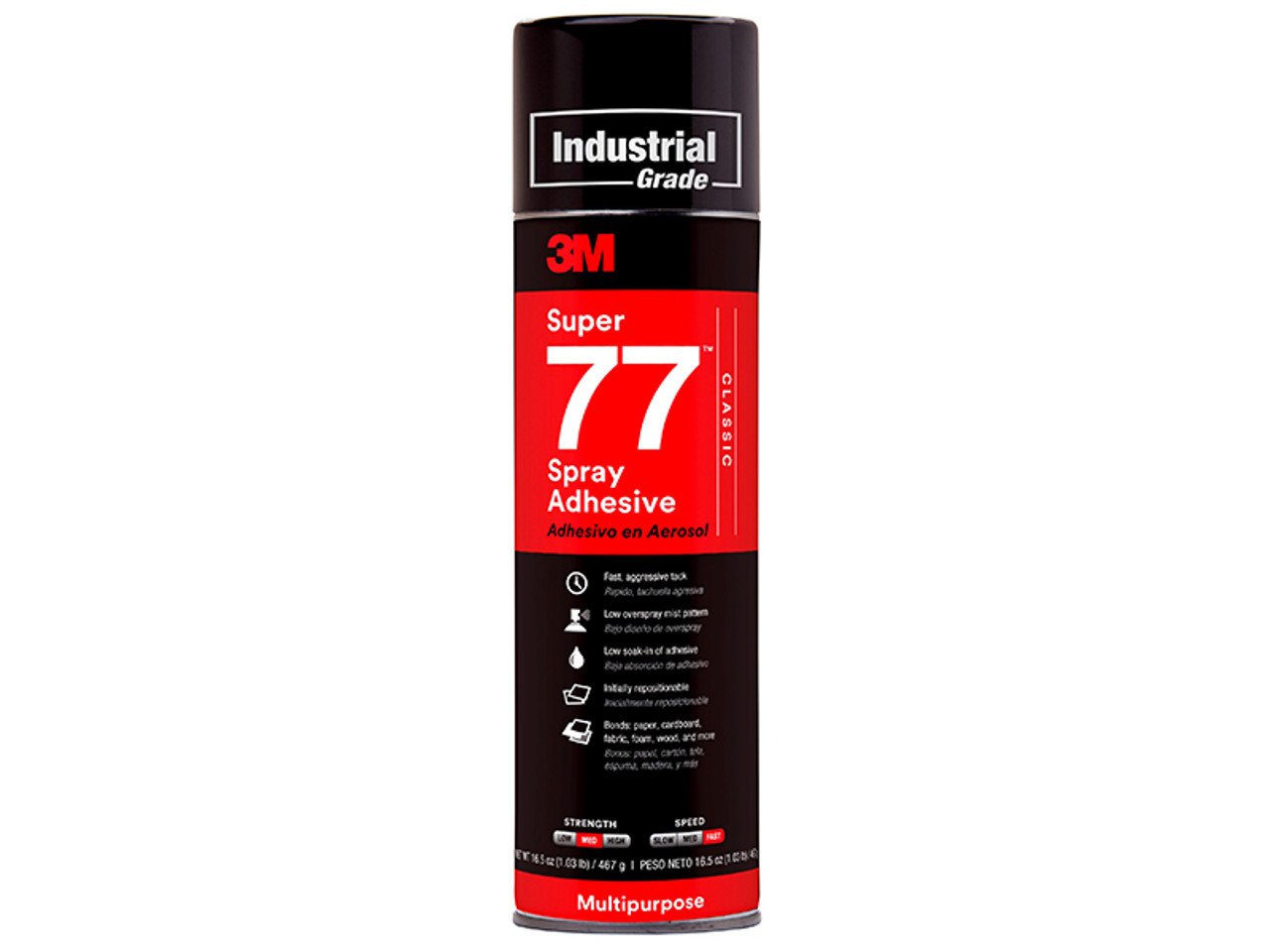
Professional-grade multipurpose spray adhesive delivering quick bonding for light-duty materials including fabrics, foils, plastics, papers, cardboard, insulation, and leather with fast-drying formula. This 14.1 oz aerosol provides controlled even application creating secure permanent bonds across various surfaces without extended drying times. The versatile formula works effectively on multiple material types making it ideal for crafters needing reliable adhesion across diverse projects from fabric work to paper crafts requiring consistent performance.
- Quick bond formulation
- Fast-drying performance
- 14.1 oz aerosol can
- Works on multiple materials
- Suitable for fabric and leather
- Professional-grade adhesion
- Even spray application
Proper Application Techniques
Shake spray cans vigorously for one to two minutes before use ensuring adhesive components mix thoroughly for consistent performance. Inadequate shaking results in uneven adhesive distribution with some sprays containing excessive solvent while others deliver concentrated adhesive creating inconsistent bonding.
Hold cans six to twelve inches from fabric surfaces using smooth sweeping motions to apply thin even coats. Spraying too close causes oversaturation and potential bleed-through while excessive distance creates spotty coverage with weak bonding areas.
Working with Tack Time
Allow sprayed adhesive to reach proper tackiness before joining materials following manufacturer recommendations for optimal results. Most temporary adhesives become ready when feeling sticky without transferring to fingers while permanent formulas require longer tack development.
Rushing tack time results in poor adhesion as materials slide during positioning or fail to bond adequately. Patient waiting ensures adhesive reaches ideal consistency for secure lasting connections whether creating temporary holds or permanent seams.
Joining Materials Correctly
Position materials carefully starting from one edge and smoothing toward opposite sides eliminating air bubbles trapped between layers. Work methodically across entire bonded area applying firm even pressure ensuring complete contact between adhesive-coated surfaces.
For large projects like outdoor fabric applications, work in manageable sections rather than attempting to bond entire pieces simultaneously. This approach maintains control over positioning while preventing adhesive from drying before materials get properly joined together.
Drying and Curing Times
Initial tack develops within thirty seconds to fifteen minutes depending on adhesive type and environmental conditions. Temperature and humidity significantly affect drying speed with cooler damper conditions extending the time required for adhesive to reach working tackiness.
Full curing where adhesive reaches maximum strength typically requires twenty-four to seventy-two hours before handling bonded items roughly or washing. Patience during curing prevents premature bond failure that occurs when stress gets applied before adhesive fully hardens.
Environmental Factors
Work in well-ventilated areas with moderate temperature and humidity for optimal adhesive performance. Extreme heat accelerates drying potentially causing adhesive to set before proper positioning while cold temperatures extend working time but delay final curing.
High humidity extends both tack time and final curing periods as moisture in air interferes with solvent evaporation. Plan projects accounting for weather conditions especially when working in non-climate-controlled spaces or during humid seasons.
Washability and Durability
Permanent fabric glue sprays designed for washability withstand multiple laundry cycles when properly cured and applied correctly. Quality formulations maintain bonds through gentle machine washing though harsh detergents and high agitation may gradually weaken adhesive connections over time.
Temporary adhesives dissolve during washing as intended allowing repositioning during construction without permanent bonding. Never rely on temporary spray for items requiring laundering as these formulas specifically design to release when exposed to water and mechanical action.
Maximizing Bond Longevity
Allow complete curing before first washing waiting at least seventy-two hours for permanent adhesives to reach full strength. Premature washing before adhesive fully sets compromises bond integrity potentially causing immediate or eventual failure under stress.
Use gentle wash cycles with mild detergents when laundering spray-bonded items preserving adhesive connections longer. Consider air-drying instead of machine drying when possible as heat and tumbling action stress bonded seams accelerating degradation over time.
Reinforce high-stress areas like fabric bag handles with strategic stitching providing backup strength. This hybrid approach combines spray adhesive convenience with traditional sewing durability for items enduring frequent use and washing.
Pro Tip: Always work in well-ventilated spaces when using spray adhesives avoiding enclosed areas without air circulation. Proper ventilation prevents headaches and respiratory irritation from solvent fumes while ensuring safe comfortable crafting experiences.
Safety and Ventilation
Work outdoors or in spaces with open windows and fans running when applying spray adhesive preventing solvent concentration buildup. Aerosol adhesives contain volatile organic compounds requiring adequate air exchange to prevent inhalation of potentially irritating chemical vapors.
Wear protective gloves when handling spray adhesives preventing skin contact that causes irritation or allergic reactions in sensitive individuals. Keep spray cans away from face avoiding direct inhalation and potential eye contact with airborne adhesive particles.
Storage and Disposal
Store aerosol cans in cool locations away from heat sources and direct sunlight preventing dangerous pressure buildup. Never puncture or incinerate empty cans even when depleted as residual contents remain flammable and pressurized.
Dispose of empty adhesive cans according to local hazardous waste guidelines which often classify aerosols as special waste. Many communities offer collection programs for household chemicals including spray adhesives ensuring proper environmental handling.
Removing Unwanted Adhesive
Address fresh spray adhesive mistakes immediately before curing begins for easiest removal. Blot rather than rub excess adhesive using clean absorbent cloths preventing further spreading across fabric surfaces while removing as much adhesive as possible.
Apply isopropyl alcohol or acetone to clean cloths dabbing affected areas gently to dissolve uncured adhesive. Test solvents on inconspicuous fabric areas first ensuring they won’t damage or discolor materials before treating visible surfaces.
Dried Adhesive Treatment
Freeze garments with dried adhesive making bonds brittle and easier to scrape away without damaging underlying fabric. Place items in plastic bags and freeze several hours before attempting removal with dull edges that won’t cut fibers.
Commercial adhesive removers designed for fabrics effectively dissolve cured spray adhesive though require careful application and testing. Products like citrus-based cleaners often work well on adhesive residue while remaining relatively gentle on most fabric types.
Specialized Applications
Quilters rely on temporary spray adhesive for basting layers replacing time-consuming pin basting or hand stitching. The spray holds batting and backing securely during machine quilting without creating holes or shifting that occurs with traditional methods.
Fashion designers use permanent spray for attaching appliqués and embellishments creating clean invisible bonds without visible stitching. This technique particularly suits delicate work on themed fabrics where stitches would distract from printed designs or damage intricate patterns.
Upholstery and Home Decor
Upholstery projects benefit from spray adhesive when attaching fabrics to foam or creating crisp edges on cushions. The even coverage prevents lumps and wrinkles that sometimes occur with brushed-on adhesives during furniture covering or cushion construction.
Create custom curtains with hemmed edges using permanent spray eliminating sewing while maintaining professional appearance. Position decorative ribbons or trims accurately before bonding ensuring straight placement impossible to achieve when applying liquid adhesive.
Quick Repairs
Emergency hem repairs become manageable with fabric spray providing temporary or permanent fixes until proper sewing occurs. Keep small spray cans in travel kits alongside fabric scissors and basic notions for quick wardrobe malfunctions requiring immediate attention.
Bond loose seams or reattach pockets quickly using permanent spray when time constraints prevent traditional repairs. While not replacing proper stitching for long-term durability, adhesive repairs provide functional solutions extending garment life until comprehensive mending becomes possible.
Comparing Application Methods
Spray adhesive excels for large surface bonding like quilt basting or attaching canvas fabric panels together. The aerosol format covers extensive areas quickly with consistent distribution impossible to achieve efficiently using bottled adhesive applications.
Liquid fabric glue offers superior precision for small detailed work including attaching individual sequins or bonding narrow seam allowances. The controlled nozzle application prevents waste and overspray making liquid formulas more economical for projects requiring limited adhesive.
Project Selection Guidelines
Choose spray adhesive for positioning work, temporary basting, and bonding fabrics to non-fabric surfaces like foam or cardboard. The quick application and even coverage make sprays ideal when speed and broad adhesion matter more than pinpoint accuracy.
Select liquid adhesive for detailed embellishment work, edge sealing, and situations requiring precise adhesive placement. Bottles prevent overspray contamination of surrounding areas and allow working in smaller spaces without extensive masking or protection.
Heat Resistance Considerations
Standard craft-grade spray adhesives withstand normal washing temperatures and low-to-medium iron settings without failing. However, high heat from dryers on maximum settings or steam irons may soften or compromise adhesive bonds causing separation.
Projects exposed to continuous heat sources like lampshade covers or oven mitts require industrial-grade heat-resistant formulations. Always verify temperature ratings on product labels before using spray adhesive for applications involving sustained or extreme heat exposure.
Outdoor Durability
Regular fabric spray adhesives typically fail when exposed to outdoor conditions including moisture, UV radiation, and temperature fluctuations. Specialized marine-grade or outdoor-rated formulations provide superior weather resistance for projects like patio cushions or boat covers.
Even weather-resistant adhesives benefit from protective treatments like fabric sealants applied after bonding. Plan for periodic reapplication or reinforcement on outdoor items subject to harsh environmental conditions and frequent exposure to elements.
Purchasing and Storage
Craft stores carry various fabric spray adhesives including temporary basting sprays and permanent bonding formulas. Compare products carefully reading labels for specific features like washability, heat resistance, and intended applications matching project requirements.
Online retailers offer broader selection with customer reviews providing valuable real-world performance information. Purchase from high-volume sellers ensuring fresh product with maximum shelf life remaining for best performance and reliability.
Maximizing Product Life
Store spray cans upright in cool locations away from direct sunlight and heat sources preventing premature degradation. Shake cans before each use even when recently purchased ensuring settled components remix for consistent performance throughout product life.
Use spray adhesives within manufacturer-recommended timeframes typically six to twelve months after opening. Expired adhesives may not bond properly or could develop inconsistent spray patterns reducing effectiveness and potentially damaging projects.
Keep multiple adhesive types including both temporary and permanent formulations plus various specialty options for different applications. Building a spray adhesive collection alongside other supplies like fabric chalk and fabric clips ensures appropriate products remain available when needed.
Frequently Asked Questions
Permanent fabric glue sprays designed for washability withstand multiple laundry cycles when properly cured according to manufacturer instructions. Temporary adhesives dissolve during washing as intended for their repositionable purpose. Always allow permanent sprays to cure completely for twenty-four to seventy-two hours before first washing and use gentle cycles with mild detergents to maximize bond longevity. Check product labels for specific washability claims before selecting adhesive for projects requiring frequent laundering.
Initial tack develops within thirty seconds to fifteen minutes allowing materials to be joined together once adhesive feels sticky without transferring to fingers. Full curing reaching maximum bond strength typically requires twenty-four to seventy-two hours depending on formulation and environmental conditions. Temperature and humidity significantly affect drying speed with cooler damper conditions extending required time. Always follow manufacturer recommendations for specific products and allow complete curing before washing or stressing bonded areas.
Most fabric glue sprays work well on cotton, polyester, canvas, denim, and common natural or synthetic fibers providing adequate porosity for adhesive penetration. Delicate materials like silk and chiffon require careful testing as adhesive may seep through creating stains. Very stretchy fabrics including spandex can lose elasticity when adhesive restricts movement. Always test spray adhesive on fabric scraps before applying to final projects especially with unfamiliar materials to check for staining, stiffness, or inadequate bonding.
Remove fresh spray adhesive immediately by blotting with clean cloths then applying isopropyl alcohol or acetone to affected areas testing solvents on inconspicuous spots first. For dried adhesive, freeze garments making bonds brittle and easier to scrape away gently with dull edges. Commercial adhesive removers designed for fabrics effectively dissolve cured spray though require careful application. Citrus-based cleaners often work well on residue while remaining relatively gentle on most fabric types when applied according to product directions.
Fabric glue spray is designed for materials rather than skin and can cause irritation upon direct contact requiring preventive measures. Wear protective gloves when handling spray adhesives and work in well-ventilated areas preventing inhalation of chemical vapors that may cause respiratory irritation or headaches. Keep spray away from face avoiding eye contact with airborne particles. Water-based formulations typically contain fewer volatile organic compounds than solvent-based alternatives for those with sensitivities or concerns about chemical exposure during crafting.
Fabric glue spray can replace sewing for quick repairs, decorative applications where stitches would be visible, and projects with materials difficult to sew like leather or vinyl. However traditional sewing maintains advantages for structural seams bearing weight, frequently washed garments, and heirloom-quality projects requiring maximum durability. Many successful projects combine both techniques using spray adhesive for positioning or initial bonding supplemented with strategic stitching in high-stress areas for optimal results balancing convenience with long-term durability.
Standard fabric glue sprays typically fail when exposed to outdoor conditions including moisture, UV radiation, and temperature fluctuations requiring specialized formulations. Marine-grade or outdoor-rated spray adhesives provide superior weather resistance for projects like patio cushions, awnings, or boat covers. Even weather-resistant adhesives benefit from protective fabric sealants applied after bonding and may require periodic reinforcement on items subject to harsh environmental conditions. Always verify outdoor suitability on product labels before using spray adhesive for exterior applications.
Related Resources
- Fabric Glue – Liquid adhesive alternatives
- Fabric Adhesive – Bonding solutions
- Fabric Scissors – Cutting tools
- Fabric Clips – Holding materials
- Fabric Chalk – Marking supplies
- Fabric Iron – Heat application
- Canvas Fabric – Heavy materials
- Outdoor Fabric – Weather-resistant textiles
- Fabric Bags – Project applications
- Fabric Ribbon – Decorative accents
- Harry Potter Fabric – Themed materials
- Sewing Machines – Complementary equipment
- Cutting Boards – Work surfaces
- Black Friday Deals – Shopping opportunities
Bond Fabrics with Professional Results
Fabric glue spray provides versatile adhesive solutions for countless textile projects from temporary quilt basting to permanent seam alternatives eliminating needle and thread. The aerosol format delivers even coverage across surfaces while maintaining fabric flexibility and natural drape impossible to achieve with many traditional adhesive methods.
Understanding product selection, proper application techniques, and curing requirements ensures successful bonding whether tackling quick repairs or elaborate craft projects. Testing adhesives on fabric scraps and allowing adequate drying time prevents disappointing results while building confidence in spray bonding applications.
Start projects with appropriate adhesive formulations, quality cutting tools, and proper holding supplies creating professional textile work showcasing expert technique and attention to detail through reliable spray bonding methods.