
Fabric Iron Glue: No-Sew Adhesive for Permanent Fabric Repairs
Heat-Activated Adhesive Solutions for Hems, Patches, Appliqué, and Fabric Bonding
Fabric iron glue provides heat-activated bonding solutions that create permanent fabric connections without needle and thread for hemming, patching, and attaching embellishments. These specialized adhesives activate at specific iron temperatures, penetrating fabric fibers to form flexible, washable bonds that withstand regular laundering and wear.
Understanding how heat-activated fabric adhesives work helps achieve professional-quality results on projects ranging from quick clothing repairs to elaborate appliqué designs. The proper adhesive selection and application technique ensures durable bonds that rival traditional stitching while dramatically reducing project completion time.
Understanding Heat-Activated Fabric Adhesives
Fabric iron glue contains polymers that remain solid at room temperature but activate when exposed to heat from an iron. The heating process transforms these polymers into molten adhesive that penetrates fabric weave structures, creating three-dimensional bonds throughout material layers rather than simply coating surfaces.
These specialized formulations maintain flexibility after cooling, allowing repaired fabrics to retain natural drape and movement. The chemistry differs from regular craft glues which create stiff, brittle bonds unsuitable for textiles requiring flexibility and washability.
Available Adhesive Formats
Sheet adhesives feature solid films on paper backing ideal for large repair areas and appliqué work where precise coverage matters. The sheets cut easily to exact shapes and provide edge-to-edge bonding without gaps or puckering.
Liquid adhesives offer versatility for irregular shapes and small repairs where sheets would create waste. Tape formats provide narrow strips perfect for hemming and seam repairs where continuous bonds along edges are required.
Permanent vs Temporary Options
Ultra-hold formulations create permanent bonds designed to last for years through repeated washing and wear. These strong adhesives work best for repairs meant to remain indefinitely or decorative elements requiring maximum durability.
Repositionable varieties allow temporary placement for basting projects before permanent stitching or testing fit adjustments. These lighter-weight options remove cleanly without damaging fabrics when projects require changes.
Selecting Appropriate Fabric Iron Glue
Different adhesive strengths suit specific applications with lightweight options for delicate projects and heavy-duty formulations for thick materials. Matching adhesive strength to project requirements prevents bond failure on demanding applications while avoiding excessive stiffness on lightweight fabrics.
Lightweight Fabric Applications
Delicate materials including cotton, lightweight blends, and outdoor fabrics under 2mm thickness require featherweight adhesives that bond without adding noticeable stiffness. These specialized formulations activate at lower temperatures protecting heat-sensitive textiles from damage.
Standard-weight adhesives suit medium fabrics including denim, canvas fabric, and quilting cottons for general hemming, patching, and appliqué work. These versatile options handle most home sewing and crafting projects requiring reliable permanent bonds.
Heavy-Duty Material Solutions
Ultra-hold formulations tackle thick fabrics including upholstery materials, heavy canvas, leather, and multiple fabric layers where standard adhesives would fail. These industrial-strength options require higher heat settings and extended pressing times but deliver exceptional bond strength.
Flexible adhesives maintain stretch properties in knit fabrics and athletic wear preventing rigid repairs that restrict movement. Specialized formulations for elastic materials accommodate fabric stretching without bond separation or stiffening.
HeatnBond UltraHold Iron-On Adhesive
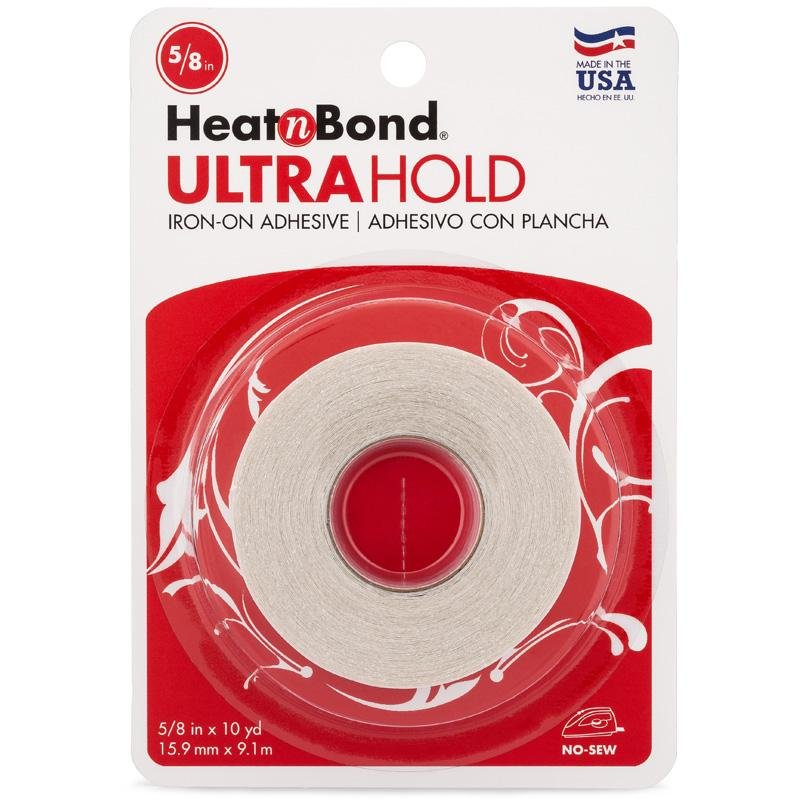
Professional-grade permanent adhesive featuring solid sheet construction on paper backing that provides complete edge-to-edge coverage without bunching or puckering for fabric bonding projects. This heat-activated double-sided adhesive creates no-sew bonds stronger than traditional fusible webs, working effectively on cotton, denim, canvas and extending to foil, felt, suede, leather, and wood applications. The permanent formulation withstands repeated washing and normal wear making it ideal for hemming, patching, appliqué work, and fabric crafts requiring lasting durability.
- Stronger than standard fusible webs
- Double-sided permanent adhesive
- Solid sheet on paper backing
- No puckering or bunching
- Works on multiple materials
- Heat activated bonding
- Available in multiple sizes
- No sewing required
Iron-On Adhesive Patch Sheets
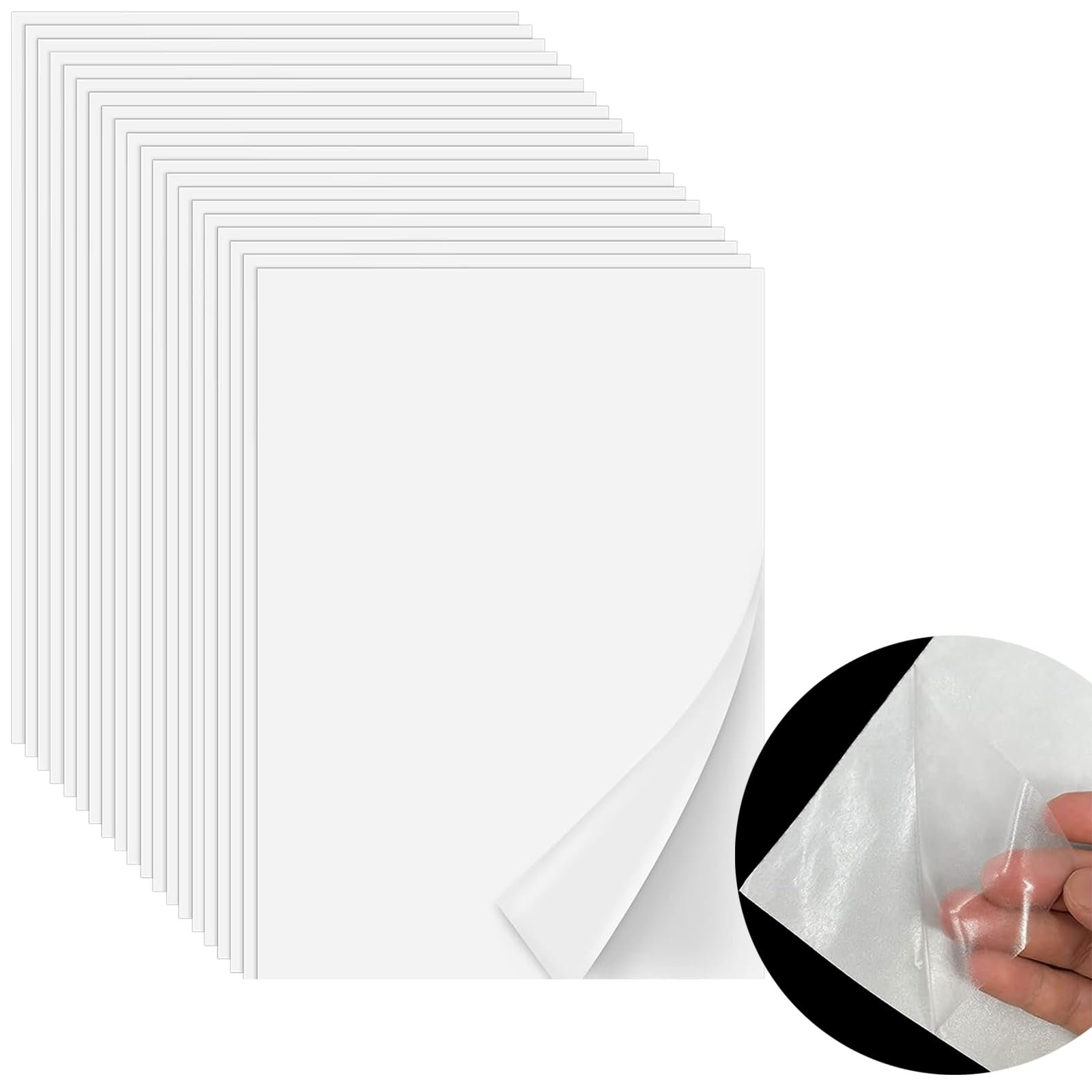
Comprehensive 20-piece pack of double-sided fusible adhesive sheets measuring 11.8 x 7.87 inches each providing abundant supply for multiple projects with customizable sizing options. These lightweight interfacing patches cut easily into various shapes accommodating creative applications from small repairs to large appliqué designs. The heat-activated sheets bond fabric layers permanently without sewing, ideal for hemming, patching, and decorative embellishment work requiring flexible washable connections.
- 20 sheets per package
- A4 size (11.8 x 7.87 inches)
- Double-sided adhesive
- Customizable sizing
- Lightweight construction
- Heat-activated bonding
- Flexible after setting
- Abundant project supply
Proper Application Techniques
Successful fabric iron glue application requires following specific temperature, pressure, and timing guidelines for permanent results. Skipping preparation steps or rushing the process creates weak bonds that fail during washing or wear.
Surface Preparation
Clean fabric surfaces remove dirt, oils, and fabric softener residue that interfere with adhesive penetration. Pre-washing new fabrics eliminates manufacturing finishes that prevent proper bonding creating weak connections prone to separation.
Press fabrics flat removing wrinkles and creases before adhesive application ensuring even contact across entire bonding areas. Use appropriate ironing surfaces that withstand high heat and provide firm support during pressing operations.
Heat Application Process
Set iron temperature according to adhesive manufacturer specifications typically ranging from medium to cotton settings depending on formulation strength. Digital irons with precise temperature control deliver most consistent results avoiding overheating that damages fabrics or underheating that prevents proper adhesive activation.
Apply firm pressure pressing straight down without sliding iron across adhesive areas which can shift positioning or create gaps. Hold heat in place for specified durations typically 10-15 seconds per section ensuring complete polymer activation throughout bonding area.
Cover adhesive areas with pressing cloths or parchment paper protecting iron soleplates from direct adhesive contact. This barrier prevents buildup that transfers to future projects while shielding decorative fabric elements from direct heat exposure.
Cooling and Setting
Allow bonded areas to cool completely to room temperature before handling or testing bond strength. The adhesive continues forming microscopic connections within fabric weave during cooling period with premature movement disrupting developing bonds.
Wait minimum 24 hours before washing newly bonded items allowing full adhesive cure for maximum durability. Extended setting periods up to 72 hours provide optimal bond strength for high-stress applications requiring maximum security.
Fabric Compatibility Guidelines
Different textile types respond differently to heat-activated adhesives with natural fibers generally accepting bonds more readily than synthetics. Understanding compatibility prevents damage to precious fabrics while ensuring successful bonding outcomes.
Natural Fiber Success
Cotton fabrics bond excellently with most adhesive formulations tolerating high heat settings required for proper activation. Denim, canvas, and other cotton-based materials create some of the strongest, most durable adhesive bonds available.
Linen accepts iron-on adhesives when used carefully with appropriate temperature settings preventing scorching. Wool requires specialized low-temperature formulations or steam settings that activate adhesives without felting or shrinking fibers.
Synthetic Material Considerations
Polyester and polyester blends work well with iron-on adhesives though their smooth surfaces sometimes require slightly longer pressing times. These synthetic fibers tolerate moderate heat making them suitable for standard adhesive formulations.
Nylon and acetate fabrics demand careful temperature control using low-heat settings that activate adhesives without melting synthetic fibers. Test on scrap fabric or inconspicuous areas before applying adhesive to visible project sections.
Highly elastic fabrics including spandex and Lycra require specialized flexible adhesives that maintain stretch properties. Standard formulations create rigid areas that restrict fabric movement and may separate when stretched.
Special Material Handling
Silk demands ultra-low temperature adhesives specifically formulated for delicate fabrics preventing heat damage. The fragile fibers scorch easily making standard formulations unsuitable despite careful application.
Leather and suede require specialized adhesives designed for non-fabric materials as standard formulations may not penetrate properly. Surface preparation becomes especially critical on these materials ensuring clean, oil-free bonding areas.
Hemming Applications
Fabric iron glue excels at creating invisible hems on pants, skirts, curtains, and other garments without visible stitch lines. The technique produces professional-looking results in minutes rather than the hours required for hand hemming.
Garment Hemming Process
Measure and mark desired hem length using fabric chalk or fabric pencil ensuring even measurements around entire garment. Press fold line sharply creating crisp edge that positions adhesive precisely.
Cut adhesive tape or sheets slightly narrower than hem allowance preventing adhesive from extending beyond fabric edges. Position adhesive between hem layers ensuring complete coverage across hemline without gaps.
Press hem sections systematically working around garment methodically rather than randomly. This organized approach prevents skipped sections while ensuring consistent heat application across entire hemline.
Curtain and Home Décor Hems
Large items including curtains benefit from sheet adhesives providing continuous coverage across wide hemlines. The solid adhesive eliminates gaps that create uneven draping or visible weak points.
Heavy fabrics require ultra-hold formulations supporting fabric weight without sagging or separation. Standard adhesives may fail under sustained gravitational stress on weighty drapery materials.
Pro Tip: Always test fabric iron glue on scrap fabric or inconspicuous areas before applying to visible project sections. This trial run reveals how specific fabric responds to heat and adhesive preventing damage to finished work.
Patch and Repair Applications
Hole repairs and decorative patching represent ideal uses for fabric iron glue creating secure bonds that withstand stress and washing. The technique saves favorite garments from disposal while allowing creative expression through patch selection.
Hole Repair Technique
Cut patches from compatible fabric extending at least one inch beyond hole edges on all sides. This generous overlap ensures adequate bonding area preventing patch edges from lifting or tearing away.
Apply patches from garment wrong side when possible hiding patch edges and adhesive layers. For visible repairs on items like fabric bags, choose coordinating or contrasting fabrics creating intentional design elements.
Trim frayed edges around holes before patching creating clean boundaries that bond properly. Loose threads and damaged fibers interfere with adhesive contact reducing bond strength and longevity.
Decorative Patch Application
Iron-on patches featuring designs from Harry Potter fabric motifs to Marvel fabric characters attach permanently with proper heating. Position patches precisely before applying heat as repositioning after activation damages both adhesive and fabric.
Layer multiple patches creating dimensional designs by applying base layers first then adding subsequent elements. Allow each layer to cool completely before adding next level ensuring secure foundations for complex arrangements.
Appliqué and Embellishment Work
Fabric iron glue revolutionizes appliqué techniques allowing intricate designs without complex needle-turn methods. The adhesive stabilizes small fabric pieces during cutting and positioning simplifying elaborate pattern construction.
Basic Appliqué Methods
Trace design elements onto adhesive paper backing before cutting ensuring accurate shapes. This reverse-tracing technique accounts for adhesive positioning producing correctly oriented final designs.
Fuse adhesive to fabric wrong side following manufacturer directions then cut precisely along traced lines. The adhesive backing stabilizes fabric during detailed cutting preventing stretching or distortion of small elements.
Arrange appliqué pieces on base fabric planning complete design before applying heat. This dry-fitting allows adjustments creating balanced compositions before permanent bonding.
Advanced Appliqué Techniques
Layer elements building dimensional effects by applying background pieces first followed by progressively smaller foreground components. This strategic sequencing creates depth and visual interest in complex designs.
Combine adhesive application with decorative stitching adding textural details and enhanced durability. The adhesive holds pieces securely during stitching preventing shifts that create misaligned decorative elements.
Washing and Care Requirements
Properly applied fabric iron glue withstands regular laundering maintaining bonds through dozens of wash cycles. Following specific care guidelines maximizes adhesive longevity ensuring repairs remain secure through extended garment life.
Pre-Washing Preparation
Allow complete setting time before first washing giving adhesives full cure period for maximum strength development. Rushing first laundering risks premature bond failure before adhesives reach optimal durability.
Turn garments inside-out protecting repaired areas from direct agitation and friction. This simple step reduces mechanical stress on adhesive bonds during wash cycles.
Washing Guidelines
Use gentle wash cycles for first several launderings allowing adhesive bonds to prove durability. Cold or warm water protects bonds better than hot water which can soften some adhesive formulations.
Avoid harsh detergents and chlorine bleach that may degrade adhesive chemistry over time. Standard laundry products work fine but specialized formulations with strong chemicals warrant caution.
Air-drying provides gentlest treatment for adhesive-bonded items though low-heat machine drying works acceptably. High dryer temperatures can stress bonds particularly during initial launderings before complete curing.
Troubleshooting Common Issues
Understanding potential problems and solutions prevents frustration when adhesive applications don’t perform as expected. Most issues trace to application errors rather than adhesive defects making them preventable with proper technique.
Insufficient Bond Strength
Weak bonds typically result from inadequate heat, insufficient pressure, or incompatible fabric combinations. Verify iron temperature matches adhesive specifications using iron thermometer if needed to confirm settings.
Apply firmer pressure during heating pressing down with full body weight rather than just arm strength. Inadequate pressure prevents complete adhesive penetration into fabric weave structures.
Fabric Damage Prevention
Scorching occurs when iron temperatures exceed fabric tolerance levels particularly on delicate synthetics. Always test temperature on scrap fabric before applying heat to finished projects preventing irreversible damage.
Use pressing cloths protecting both fabrics and iron soleplates from direct contact. This protective barrier distributes heat more evenly while preventing adhesive transfer to iron surfaces.
Adhesive Removal Methods
Reactivate adhesive bonds with heat then carefully peel fabrics apart while still warm. Work slowly preventing fabric tears from excessive pulling force during separation.
Freezing bonded areas makes some adhesives brittle enough to break bonds through careful flexing. This cold treatment works better on some formulations than others requiring testing to determine effectiveness.
Tool Requirements and Storage
Success with fabric iron glue depends on having appropriate tools and maintaining proper storage conditions. Quality equipment ensures consistent results while proper storage preserves adhesive performance.
Essential Equipment
Digital irons with precise temperature controls deliver most reliable results eliminating guesswork from heat application. Temperature accuracy proves crucial when working across different adhesive formulations requiring specific activation temperatures.
Sharp fabric scissors cut adhesive sheets and tapes cleanly without tearing or creating ragged edges. Dull blades deform adhesive materials reducing bonding effectiveness.
Pressing cloths protect fabrics and equipment while ensuring even heat distribution across bonding areas. Keep several clean cloths available replacing soiled ones to prevent contamination transfer.
Storage Best Practices
Store adhesive sheets flat in sealed containers preventing moisture exposure that degrades bonding properties. Humidity affects adhesive chemistry reducing effectiveness even before application.
Keep adhesives away from heat sources that might cause premature activation. Room temperature storage in dry locations preserves product performance through entire shelf life.
Organize supplies with other sewing equipment including fabric clips, cutting boards, and sewing machines for efficient project workflow. Dedicated storage systems prevent lost supplies and streamline project setup.
Frequently Asked Questions
High-quality fabric iron glue creates permanent bonds that withstand years of regular washing and wear when properly applied to compatible fabrics. Ultra-hold formulations designed for permanent applications maintain strength through dozens of laundry cycles without degradation. However, permanence depends on proper application technique including adequate heat, pressure, and cooling time plus selecting adhesive strength appropriate for specific fabric weight and project requirements.
Yes, properly applied fabric iron glue withstands machine washing and drying when appropriate care guidelines are followed. Premium adhesives maintain bond integrity through 20+ wash cycles using cold or warm water with gentle agitation. Allow complete 24-72 hour curing period before first washing, turn items inside-out during laundering, and use moderate dryer heat or air-drying for best longevity. Avoid harsh detergents and chlorine bleach that may degrade adhesive chemistry over extended use.
Most fabric iron glues activate at medium to high iron settings typically between 270-350°F depending on specific formulation and fabric type. Always follow manufacturer temperature recommendations printed on adhesive packaging as settings vary between products. Delicate fabrics require low-temperature specialized adhesives around 200-250°F while heavy-duty formulations need higher heat for proper activation. Test temperature on scrap fabric first ensuring setting achieves good bonding without scorching or damaging materials.
Specialized flexible fabric iron glues work on moderately stretchy fabrics maintaining some elasticity after bonding though extremely elastic materials may require alternative solutions. Look for products specifically labeled for knits, stretch fabrics, or athletic wear that preserve fabric movement. Apply adhesive in narrow strips or dot patterns rather than solid coverage allowing fabric to stretch between bonded points. Standard rigid adhesives create stiff areas that restrict movement and may separate when fabric stretches beyond adhesive tolerance.
Remove fabric iron glue by reheating bonded area with iron then carefully peeling fabrics apart while adhesive remains warm and pliable. Work slowly preventing fabric tears from excessive force during separation. Alternative methods include freezing bonded items making adhesive brittle enough to crack or applying commercial adhesive removers following product instructions. Complete removal without residue proves challenging and may damage delicate fabrics so prevention through careful initial placement proves preferable to removal attempts.
Fabric iron glue works effectively on most natural and synthetic fabrics though some materials require specialized formulations or alternative adhesives. Cotton, polyester, denim, and canvas bond excellently with standard adhesives while silk, wool, and highly elastic fabrics need low-temperature or flexible specialized products. Leather, vinyl, and waterproof materials may require non-fabric adhesives as traditional formulations cannot penetrate treated surfaces. Always test adhesive on inconspicuous fabric areas before applying to visible project sections ensuring compatibility and acceptable results.
Fabric iron glue successfully replaces sewing for many applications including hemming, patching, and appliqué work while offering speed and convenience advantages. However, traditional stitching remains superior for structural seams bearing significant stress, garments requiring maximum flexibility, and projects where decorative stitching serves aesthetic purposes. Combining both techniques often produces optimal results using adhesive for positioning and stability supplemented with minimal stitching for enhanced durability and visual appeal in high-stress areas.
Related Resources
- Fabric Scissors – Precision cutting tools
- Fabric Clips – Securing and positioning
- Fabric Chalk – Marking and measurement
- Fabric Pencil – Precise marking
- Fabric Iron – Heat application
- Canvas Fabric – Heavy materials
- Outdoor Fabric – Weather-resistant textiles
- Fabric Bags – Project applications
- Harry Potter Fabric – Character patches
- Marvel Fabric – Licensed materials
- Fabric Adhesive – Alternative bonding
- Sewing Machines – Complementary equipment
- Cutting Boards – Work surfaces
- Black Friday Deals – Shopping opportunities
Create Professional Fabric Bonds Without Sewing
Fabric iron glue transforms textile projects by enabling permanent, washable bonds without needle and thread through heat-activated polymers that penetrate fabric structures. The specialized adhesives deliver professional results on applications from emergency repairs to elaborate appliqué designs, making quality crafting accessible regardless of sewing skill level.
Success with heat-activated adhesives requires selecting appropriate formulations for specific fabrics, following precise application techniques, and allowing adequate setting time. Understanding these fundamentals ensures durable bonds that withstand years of use and laundering while maintaining fabric flexibility and natural drape.
Start fabric bonding projects with quality adhesives, appropriate heating equipment, and proper cutting tools to achieve lasting repairs and creative embellishments that rival traditionally sewn work in both appearance and durability.