
Fabric Iron On Transfers: Complete Guide to Heat Transfer Designs for DIY Clothing and Crafts
Printable, DTF, and Custom Iron-On Transfer Papers for T-Shirts, Bags, and Textile Projects
Fabric iron-on transfers revolutionize textile customization by allowing anyone to apply professional-looking designs to clothing and fabric items using basic heat application. These versatile tools transform plain garments into personalized creations through heat-activated adhesive backing that bonds designs permanently to fabric surfaces.
Understanding proper application techniques and material compatibility ensures lasting results that withstand repeated washing and wear. The accessibility of iron-on transfers makes custom textile decoration achievable without specialized equipment or professional skills.
Understanding Fabric Iron-On Transfers
Iron-on transfers consist of printed designs on specialized paper featuring heat-activated adhesive that bonds to fabric when exposed to high temperatures. The simple heat application process creates permanent decorative elements on textiles without sewing or complex equipment requirements.
These transfers accommodate photographic images, text, graphics, and artistic designs printed onto paper that releases when heated. The transferred design becomes part of the fabric surface creating custom decorations for clothing, accessories, and home textile projects.
Types of Transfer Materials
Inkjet printable transfer paper works with standard home printers allowing completely custom designs from digital files. Users print designs directly onto special paper then apply using household irons following manufacturer instructions.
DTF transfers arrive pre-printed and ready to press offering vibrant colors and professional quality without requiring home printing equipment. These direct-to-film transfers provide excellent color reproduction and work across various fabric types with reliable adhesion.
Heat transfer vinyl cuts into specific shapes and designs using digital cutting machines creating crisp edges and solid colors. This method suits text-based designs and logos requiring clean professional appearance without photographic detail.
Application Benefits
Iron-on transfers enable quick customization compared to traditional methods like embroidery or screen printing requiring specialized equipment. The accessible process allows beginners to create professional results within minutes using basic household tools.
Small batch production becomes economically viable since transfers eliminate minimum order requirements associated with commercial printing services. Individual crafters and small businesses can produce custom items without investing in expensive industrial equipment.
Proper Application Techniques
Successful transfer application requires proper preparation including pre-washing fabric to remove sizing chemicals that interfere with adhesion. Clean fabric without fabric softener provides optimal surface for transfer bonding ensuring longevity through repeated use.
Position transfers carefully on smooth wrinkle-free fabric using fabric chalk or fabric pencil for placement marking. Accurate positioning prevents crooked designs requiring complete removal and reapplication with fresh materials.
Heat and Pressure Requirements
Set household irons to highest safe temperature for fabric type typically cotton or linen setting without steam function activated. Adequate heat activates adhesive properly while steam introduces moisture interfering with bonding process.
Apply firm even pressure for 30-45 seconds covering entire design surface particularly edges and corners. Work on hard heat-resistant surface rather than padded ironing boards ensuring maximum pressure transfer throughout design area.
Allow transfers to cool 10-15 seconds before removing backing paper preventing premature peeling that damages design edges. Slow careful backing removal from corner ensures complete adhesive activation across entire transferred image.
Post-Application Care
Wait 24 hours before first washing allowing adhesive to fully cure and bond with fabric fibers. Premature washing stresses incompletely bonded transfers causing premature failure and design degradation.
Turn garments inside-out for washing protecting transferred designs from friction and agitation damage. Cold water gentle cycles with mild detergent preserve transfer integrity through extended garment life.
DTF Transfers Ready to Press – Cute Goose Collection
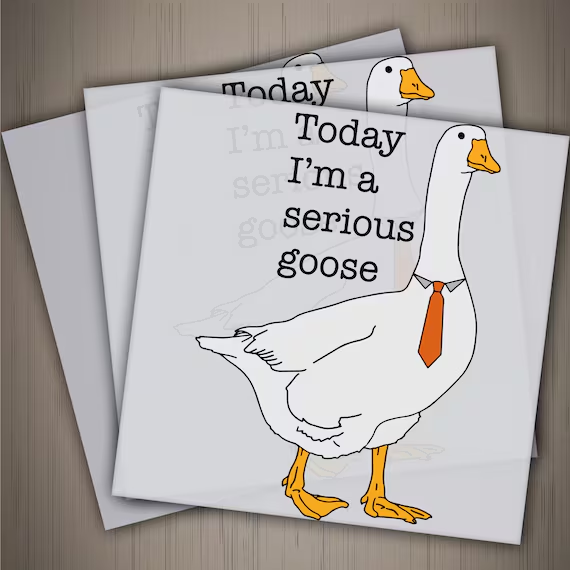
Comprehensive collection featuring 20 sheets of vibrant bow and goose themed DTF iron-on patches measuring approximately 7.87×7.87 inches perfect for customizing t-shirts, bags, and DIY clothing projects. These colorful ready-to-press transfers provide charming decorative elements using advanced direct-to-film technology ensuring vibrant durable designs that resist cracking and fading through repeated washing. The complete set offers variety for multiple projects with adorable animal and floral motifs suitable for personalizing garments and fabric accessories.
- 20 sheets included in collection
- 7.87×7.87 inch sheet size
- Cute goose and bow themes
- Daisy flower designs included
- Ready to press application
- Vibrant color reproduction
- Suitable for t-shirts and bags
- DIY clothing decoration
Avery Printable Heat Transfer Paper for Dark Fabrics
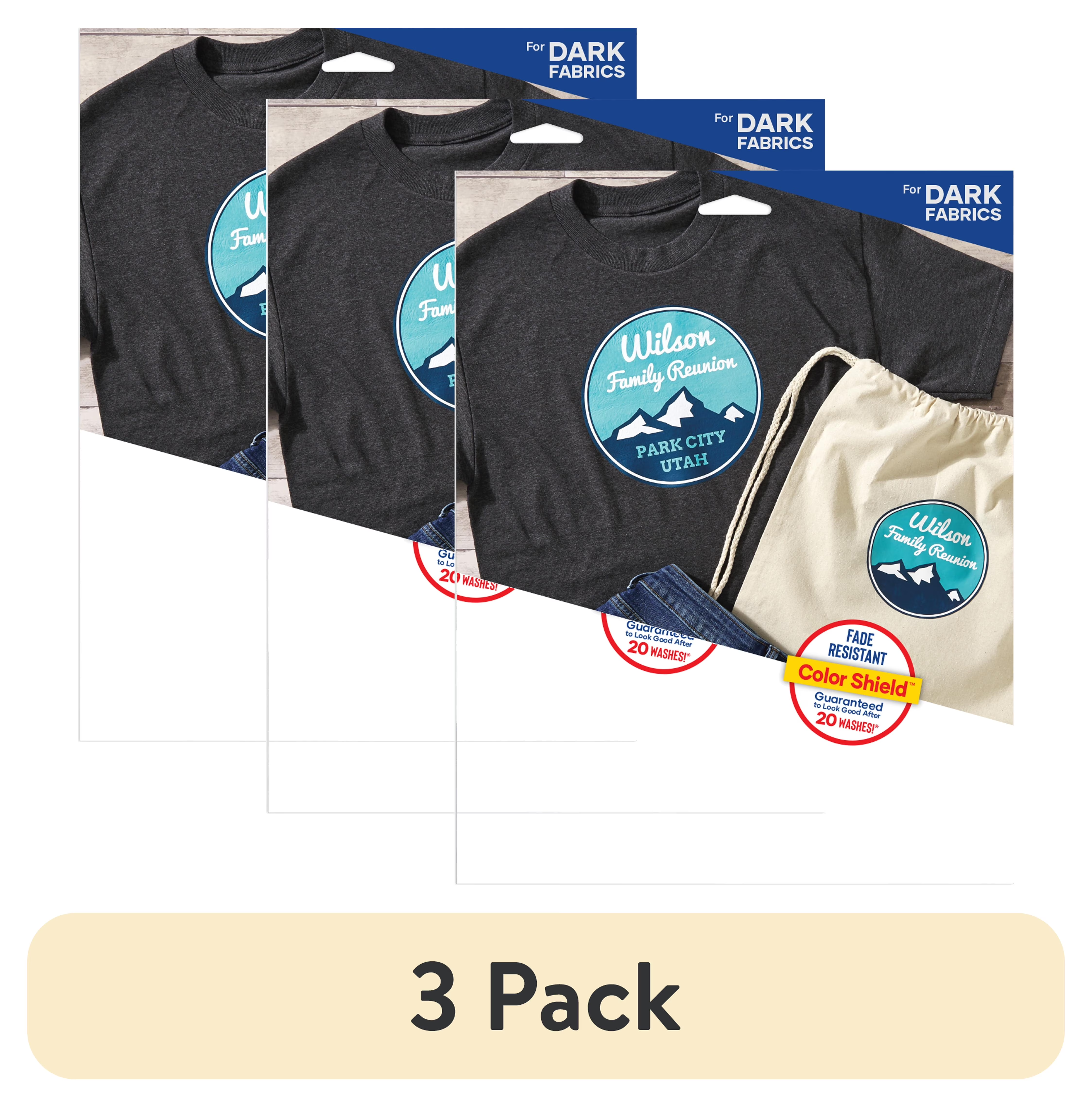
Professional-quality inkjet-compatible heat transfer paper specifically formulated for dark colored fabrics featuring opaque backing ensuring vibrant color visibility on black navy and colored textiles. The 8.5×11 inch sheets work with standard inkjet printers enabling completely custom designs for shirts, aprons, pillowcases, bags, hats, and tank tops using Avery Design & Print templates. This 5-pack provides adequate supply for multiple projects with reliable adhesion on 100% cotton fabrics creating personalized items without commercial printing services.
- 5 sheets per pack
- 8.5×11 inch paper size
- Formulated for dark fabrics
- Inkjet printer compatible
- Opaque backing layer
- Works on 100% cotton
- Custom design capability
- Avery template compatible
Fabric Compatibility Considerations
Cotton fabrics provide ideal surfaces for iron-on transfers offering natural fiber structure that bonds excellently with heat-activated adhesives. The material withstands high temperatures required for proper application while maintaining design integrity through washing and wear.
Polyester blends work well when cotton content exceeds 50 percent providing adequate natural fiber for adhesive bonding. Pure synthetic fabrics require specialized transfers designed specifically for synthetic materials preventing heat damage during application.
Challenging Materials
Nylon and water-resistant fabrics generally resist transfer adhesion due to heat sensitivity and surface coatings that prevent bonding. These materials require alternative decoration methods like specialized vinyl designed for technical fabrics.
Highly textured or stretch fabrics present application challenges since transfers require smooth flat surfaces for proper contact. Canvas fabric and denim work excellently while ribbed knits may require extra pressure and specialized stretch transfers.
Fabric Preparation Steps
Pre-wash all fabrics removing manufacturing chemicals sizing and finishes that create barriers between transfers and fabric surfaces. Avoid fabric softener which leaves residue preventing proper adhesive contact with fibers.
Iron fabrics completely smooth eliminating wrinkles that create gaps between transfer and material surface. Flat wrinkle-free application areas ensure even heat distribution and complete adhesive activation across entire design.
Design Creation and Customization
Digital design software enables completely custom transfers incorporating personal photos text artwork and graphics. Programs like Canva or Adobe Photoshop allow design creation then printing onto transfer paper using home inkjet printers.
Remember to mirror designs horizontally before printing since transfers apply face-down to fabric reversing the image. No-mirror transfer papers eliminate this step but cost more than standard printable options.
Resolution and Quality
Use high-resolution images at minimum 300 DPI ensuring sharp crisp transferred designs without pixelation or blurriness. Low-resolution images appear fuzzy and unprofessional when enlarged to garment size.
Adjust printer settings to highest quality mode using photo paper or t-shirt transfer settings when available. These settings optimize ink distribution creating vibrant colors that translate effectively to fabric surfaces.
Color Considerations
Standard transfer paper works best on white or light-colored fabrics since paper background shows through ink colors. Dark fabric requires specialized transfer paper with opaque white backing making colors visible against dark backgrounds.
Test color accuracy on scrap fabric before final application since printer colors may appear different when transferred. Make adjustments to digital files compensating for color shifts that occur during heat transfer process.
Pro Tip: Always test new transfer paper on scrap fabric matching your project material before applying to final garments. This reveals how colors translate, adhesive strength, and optimal heat settings preventing costly mistakes on finished items.
Durability and Longevity
High-quality properly applied iron-on transfers withstand 50 or more washes while maintaining good appearance when cared for correctly. Transfer longevity depends on application quality, fabric choice, and washing practices throughout garment life.
Premium transfers from reputable manufacturers last significantly longer than budget options justifying higher initial investment. Quality transfers resist fading cracking and peeling through extended use and repeated laundering.
Extending Transfer Life
Turn garments inside-out before washing protecting designs from friction against other clothing and washing machine surfaces. This simple step significantly extends transfer life by minimizing mechanical wear on design surfaces.
Air-dry transferred items when possible avoiding high dryer heat that gradually degrades adhesive bonds. Low heat tumble drying works acceptably but room temperature air drying provides optimal longevity for transferred designs.
Avoid harsh detergents bleach and fabric softeners which break down transfer adhesives over time. Mild gentle detergents in cold water preserve both fabric and transfer integrity through garment lifetime.
Creative Project Applications
Custom t-shirts remain the most popular iron-on transfer application allowing personalized clothing for events teams or individual expression. Simple designs transform basic tees into unique wearable art showcasing personal style.
Tote bags accept transfers beautifully creating custom fabric bags perfect for gifts promotional items or personal use. Canvas and cotton bags provide ideal surfaces for long-lasting transferred designs.
Home Decor Projects
Pillow covers benefit from transferred designs adding personalized decorative accents to living spaces. Photo transfers create meaningful memorial or gift items preserving precious memories in functional form.
Table linens including placemats napkins and runners accept transfers for themed holiday decorations or everyday personalization. These practical items showcase custom designs while serving functional purposes in home settings.
Special Occasion Items
Wedding party gifts featuring transferred names or dates create memorable keepsakes for bridesmaids groomsmen and guests. Baby shower gifts with transferred names or birth information provide thoughtful personalized presents.
Team uniforms for recreational sports leagues benefit from transferred numbers names and logos without expensive embroidery services. Small batch production becomes economically feasible for informal team or group events.
Troubleshooting Common Issues
Peeling transfers typically indicate insufficient heat or pressure during initial application. Reapply heat through protective cloth reactivating adhesive and reinforcing bond with fabric fibers.
Cracking occurs when transfers lack flexibility for fabric movement particularly on stretch materials. Use specialized stretch transfers on elastic fabrics preventing crack formation during normal wear and movement.
Preventing Application Problems
Ensure irons reach adequate temperature using appliance thermometer verifying 315°F or higher heat level. Insufficient temperature prevents complete adhesive activation resulting in poor bonding and premature failure.
Work on hard surfaces rather than padded ironing boards maximizing pressure transfer to design areas. Soft surfaces absorb pressure preventing firm contact necessary for proper adhesive activation throughout design.
Check fabric compatibility before application attempting transfers on test scraps when working with unfamiliar materials. Some fabrics resist transfer adhesion or suffer heat damage requiring alternative decoration methods.
Fixing Failed Transfers
Remove failed transfers using heat method applying iron over protective cloth then quickly peeling while hot. Chemical solvents like rubbing alcohol help dissolve remaining adhesive residue after transfer removal.
Clean fabric thoroughly after removal eliminating residue before attempting reapplication with fresh transfer. Surface contamination from failed attempts prevents successful adhesion of replacement designs.
Purchasing and Storage Tips
Craft stores like Joann Fabrics stock various transfer options from printable papers to pre-made designs in multiple sizes and themes. In-person shopping allows examination of product quality and specifications before purchase.
Online retailers including Amazon and Etsy provide broader selection with customer reviews guiding purchase decisions. Specialty transfer companies offer professional-grade products for commercial applications and high-volume users.
Storage Best Practices
Store unused transfer paper flat in cool dry locations away from humidity and temperature extremes. Moisture exposure degrades adhesive quality while heat can prematurely activate backing paper.
Keep transfer paper in original packaging or sealed plastic bags preventing dust accumulation and environmental exposure. Contaminated surfaces prevent proper application and reduce final design quality.
Organize different transfer types separately labeling packages with purchase dates and specifications. Clear organization prevents confusion between standard and dark fabric papers avoiding application errors.
Working with Character and Licensed Fabrics
Popular character prints like Harry Potter fabric and Marvel fabric benefit from coordinating transferred designs enhancing themed projects. Plan transfer placement carefully avoiding key character images while complementing overall design aesthetic.
Layer transfers over printed fabrics creates dimensional effects combining commercial prints with custom elements. Strategic placement allows transfers to interact with existing patterns creating unique combined designs.
Color Coordination
Select transfer colors complementing or contrasting with base fabric colors for maximum visual impact. Analogous color schemes create harmonious designs while complementary colors provide dramatic eye-catching effects.
Consider fabric pattern scale when sizing transfers ensuring designs remain visible against busy backgrounds. Large bold transfers work best over detailed prints while subtle transfers suit solid or minimally patterned fabrics.
Frequently Asked Questions
Cotton fabrics provide ideal surfaces for iron-on transfers offering natural fiber structure that bonds excellently with heat-activated adhesives while withstanding required application temperatures. Cotton-polyester blends work well when cotton content exceeds 50 percent providing adequate natural fiber for proper adhesive bonding. Canvas and denim also accept transfers successfully though may require extended heat application time due to thickness.
Pre-wash fabric to remove sizing then iron completely smooth before positioning transfer face-down on material. Set iron to highest safe temperature without steam then apply firm even pressure for 30-45 seconds covering entire design including edges. Allow transfer to cool 10-15 seconds before slowly peeling backing paper from one corner. Wait 24 hours before first washing allowing adhesive to fully cure and bond with fabric fibers.
Iron-on transfers can be removed though complete elimination without residue proves challenging. Apply heat through protective cloth for 10-15 seconds then quickly peel transfer while still hot working from edges inward. Chemical solvents like rubbing alcohol or commercial adhesive removers help dissolve remaining residue after transfer removal. Complete removal may affect fabric texture or leave slight discoloration in some cases.
High-quality properly applied iron-on transfers withstand 50 or more washes while maintaining good appearance when cared for correctly. Transfer longevity depends on application quality, fabric choice, washing practices, and design placement on garment. Turn items inside-out for washing, use cold water and mild detergent, air-dry when possible, and avoid harsh chemicals to maximize transfer lifespan through extended garment use.
Most iron-on transfers require temperatures between 315-350°F typically achieved using cotton or linen iron settings without steam function activated. Always verify iron reaches adequate temperature using appliance thermometer since insufficient heat prevents complete adhesive activation resulting in poor bonding. Check specific transfer manufacturer instructions as some specialty products require different temperature ranges for optimal results on various fabric types.
Yes, dark fabrics require specialized transfer paper featuring opaque white backing layer that makes printed colors visible against dark backgrounds. Standard transfer paper lacks opacity allowing dark fabric color to show through ink creating muddy appearance and poor color visibility. Dark fabric transfer paper costs more than standard options but provides essential opacity for successful color reproduction on black navy and deeply colored textiles.
Yes, properly applied iron-on transfers withstand machine washing when appropriate care practices are followed. Wait 24 hours after application before first wash, turn garments inside-out protecting designs from friction, use cold water on gentle cycle with mild detergent, and air-dry when possible. Avoid hot water, harsh detergents, bleach, fabric softeners, and high dryer heat which gradually degrade transfer adhesives shortening design lifespan.
Related Resources
- Fabric Iron – Heat application tools
- Fabric Scissors – Precision cutting
- Fabric Chalk – Design positioning
- Fabric Pencil – Marking placement
- Canvas Fabric – Project materials
- Outdoor Fabric – Durable textiles
- Fabric Bags – Transfer applications
- Fabric Markers – Custom designs
- Harry Potter Fabric – Character prints
- Marvel Fabric – Licensed materials
- Fabric Adhesive – Bonding alternatives
- Fabric Stencils – Design templates
- Fabric Paint Sets – Alternative decoration
- Sewing Machines – Complementary tools
Transform Fabrics with Custom Designs
Fabric iron-on transfers democratize textile customization making professional-quality results accessible to crafters of all skill levels. The straightforward heat application process transforms basic garments and fabric items into personalized creations showcasing individual style and creativity.
Understanding proper techniques material compatibility and care practices ensures transferred designs withstand years of use and washing. Whether creating custom gifts, personalizing wardrobes, or developing small batch merchandise, iron-on transfers provide versatile solutions for textile decoration.
Begin your customization projects with quality transfer materials, proper heat application tools, and appropriate base fabrics creating unique personalized items that reflect your creative vision and artistic expression.