
Joann Fabrics Buttons: Complete Guide to Sewing and Craft Buttons
Classic, Decorative, and Novelty Button Options for Clothing, Accessories, and Creative Projects
Joann Fabrics buttons provide essential finishing touches for sewing projects ranging from handmade garments to creative craft embellishments. These carefully curated selections include classic two-hole and four-hole designs, decorative shapes, novelty themes, and specialty materials serving both functional closures and aesthetic enhancements.
Understanding button types, materials, and applications ensures perfect matches for every project whether creating children’s clothing, home décor accents, or professional garment finishing. The extensive variety accommodates all skill levels from beginner crafters to experienced seamstresses seeking specific design elements.
Understanding Joann Button Collections
Joann Fabrics organizes button selections into distinct categories helping crafters quickly locate appropriate options for specific projects. These thoughtfully arranged collections range from basic sewing essentials to specialty decorative pieces serving diverse creative needs.
The various button lines feature different price points, material qualities, and design focuses allowing budget-conscious shopping or premium material selection. Understanding these collection differences streamlines purchasing decisions ensuring optimal value for intended applications.
Basic Button Collections
Standard sewing buttons come in neutral colors including white, black, brown, and beige providing essential closures for everyday garments. These practical options typically feature two-hole or four-hole designs in various diameters accommodating different fabric weights and garment styles.
Value packs containing multiple buttons in assorted sizes offer economical solutions for crafters needing diverse button inventories. These multi-packs prove especially useful for sewing projects requiring matching replacements or coordinating sets across multiple garments.
Decorative and Specialty Buttons
Novelty buttons feature themed designs including holidays, animals, flowers, and seasonal motifs perfect for children’s clothing and craft embellishments. These decorative options transform simple projects into personalized creations showcasing individual style and creative vision.
Specialty materials including wood, metal, coconut, and fabric-covered buttons add unique textural elements to handmade projects. Premium options offer distinctive appearances elevating finished garments beyond standard plastic button aesthetics.
Button Materials and Quality Differences
Button material selection impacts both aesthetic appearance and functional durability making material understanding essential for appropriate project matching. Different materials offer distinct advantages regarding strength, washability, and visual appeal.
Plastic Buttons
Standard plastic buttons provide affordable, lightweight options available in virtually unlimited colors and designs. These versatile choices withstand regular washing and drying making them ideal for everyday clothing requiring frequent laundering.
Quality plastic buttons feature smooth edges without rough seams or flash marks indicating careful manufacturing. Higher-grade plastics resist cracking and maintain color vibrancy through repeated washing cycles and extended wear.
Natural Material Buttons
Wood buttons offer organic warmth and rustic charm particularly suited to casual garments, outerwear, and craft projects. Natural wood grain variations create unique character ensuring no two buttons appear identical adding handcrafted authenticity.
Coconut buttons provide tropical aesthetic appeal with eco-friendly credentials appealing to environmentally conscious crafters. These natural options require gentle washing and avoid high dryer heat preventing cracking or discoloration over time.
Metal Buttons
Metal buttons including brass, nickel, and antiqued finishes deliver professional appearance and exceptional durability. These substantial options work beautifully on jackets, jeans, and heavy-duty garments requiring strong closures withstanding significant stress.
Specialty metal finishes including gold, silver, and bronze tones coordinate with hardware elements on bags, belts, and accessories. Quality metal buttons resist tarnishing and maintain lustrous appearance through proper care and storage.
Favorite Findings Big Bag of Buttons – Flowers
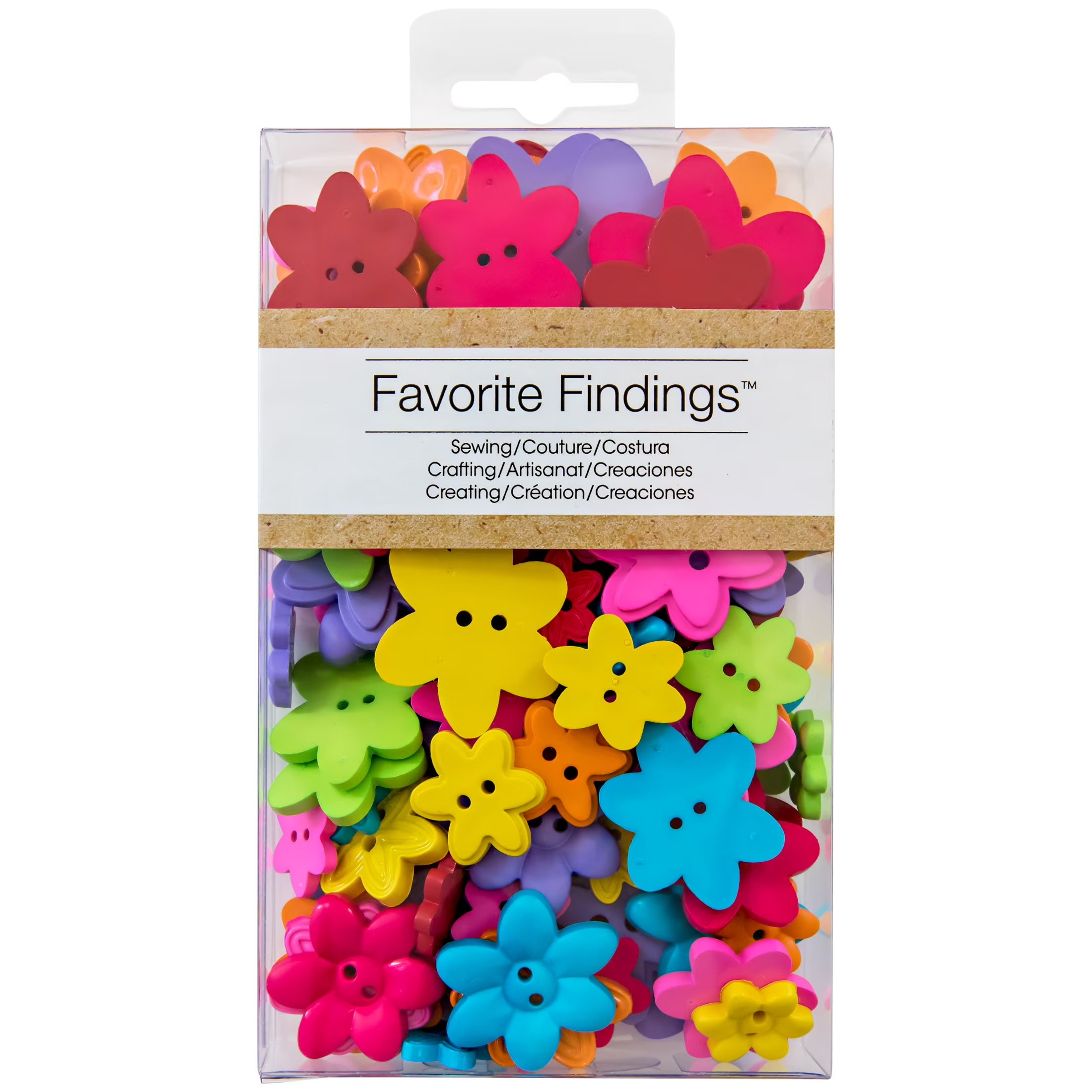
Colorful flower-shaped button assortment perfect for craft embellishments, scrapbooking, and decorative sewing projects requiring whimsical floral accents. This 3.5oz value pack contains multiple flower designs in various sizes and colors providing versatile options for creative applications including paper crafts, fabric bags, and children’s clothing embellishments creating cheerful, garden-inspired details.
- 3.5oz value pack quantity
- Assorted flower shapes and sizes
- Multiple vibrant colors
- Ideal for paper and fabric crafts
- Easy attachment with glue or thread
- Perfect for embellishments
- Child-friendly decorative projects
Organic Elements Brown Wood Round Buttons
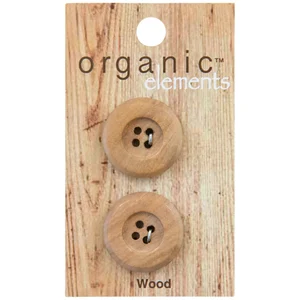
Natural wood buttons featuring classic four-hole design providing rustic charm and organic aesthetic appeal for sewing projects and craft applications. This 3-pack includes 13/16 inch diameter buttons crafted from durable wood material offering earthy warmth perfect for casual garments, bags, and accessories requiring natural material finishes complementing canvas fabric and other natural textiles.
- 13/16 inch diameter size
- Classic 4-hole design
- Natural wood construction
- Rustic brown finish
- Durable material quality
- 3-pack quantity
- Perfect for natural aesthetic projects
Choosing Buttons for Different Projects
Selecting appropriate buttons requires considering garment type, fabric weight, and intended use ensuring functional closures and aesthetic harmony. Matching button characteristics to project requirements prevents issues including sagging, gaping, or visual discord.
Garment Button Selection
Lightweight fabrics including cotton, linen, and silk require smaller, lighter buttons preventing fabric distortion or sagging. Delicate blouses and dresses benefit from flat, smooth buttons measuring 1/4 to 1/2 inch diameter maintaining refined appearance.
Heavy fabrics including denim, canvas, and upholstery materials need substantial buttons measuring 5/8 inch or larger distributing stress across wider areas. Thick garments require longer shank buttons or four-hole designs providing adequate thread passage through dense layers.
Craft and Embellishment Buttons
Decorative projects benefit from novelty buttons featuring unique shapes, colors, or themes adding personality and visual interest. Children’s items especially shine with themed buttons including animals, characters, or seasonal designs creating playful details.
Scrapbooking and card-making projects use buttons as dimensional embellishments adding texture and focal points. These applications prioritize aesthetic appeal over functionality allowing creative freedom with unconventional button selections.
Size and Spacing Considerations
Button spacing affects garment fit and appearance requiring careful planning during pattern layout and construction. Standard placement positions buttons 3-4 inches apart on blouses while coat closures may space 5-6 inches depending on garment style.
Buttonhole size must accommodate button diameter plus slight ease allowing smooth passage without excessive gaping. Test buttonholes on fabric scraps before cutting garment openings ensuring proper sizing for selected buttons.
Proper Button Attachment Methods
Secure button attachment ensures longevity and prevents frustrating losses during wear or washing. Understanding proper sewing techniques creates professional results withstanding regular use and laundering.
Hand Sewing Buttons
Thread doubled and knotted provides strength for hand-sewn button attachment using needle appropriate for fabric weight. Position button carefully marking placement with fabric chalk or fabric pencil ensuring accurate alignment.
Create thread shank by wrapping thread around button base several times before securing providing space for fabric layers to nest. This crucial step prevents pulling and strain allowing garment to button smoothly without distortion.
Machine Button Attachment
Sewing machines equipped with button foot attachments streamline multiple button installation ensuring consistent tension and placement. Follow machine manual instructions regarding stitch width and foot position for secure attachment.
Test machine settings on fabric scraps before attaching buttons to actual garments preventing costly mistakes. Adjust stitch width matching button hole spacing ensuring needle passes cleanly through openings without striking button surface.
Reinforcement Techniques
Add small fabric patches or interfacing behind button placement areas on lightweight or delicate fabrics preventing tear-through. This reinforcement proves especially important for coat buttons bearing significant stress during wear.
Reinforce children’s garments and active wear with extra stitching passes ensuring buttons withstand rough play and frequent laundering. Additional security prevents frustrating button losses during daily activities.
Button Storage and Organization
Proper button storage prevents losses, tangles, and damage maintaining collections in ready-to-use condition. Organized systems save time during project planning allowing quick button selection and inventory assessment.
Storage Container Options
Clear plastic containers with divided compartments organize buttons by size, color, or type facilitating easy visual identification. These stackable solutions maximize storage space while protecting buttons from dust and damage.
Small jars or tins work beautifully for button storage particularly for vintage or special collections deserving attractive display. Label containers clearly indicating contents preventing time-consuming searching during projects.
Organization Systems
Sort buttons by function separating garment closures from decorative craft buttons streamlining project planning. Within categories, organize by color, size, or material type matching personal workflow preferences.
Keep button cards intact when possible preserving manufacturer information and maintaining quantity counts. Original packaging protects buttons during storage while providing reference for future purchases.
Pro Tip: Always purchase extra buttons when selecting closures for garments storing spares with completed projects for future repairs. Having exact button replacements saves frustration when inevitable losses occur during wear or laundering.
Shopping Strategies for Button Purchases
Smart shopping approaches maximize button budgets while building useful collections supporting diverse project needs. Understanding pricing patterns and sale opportunities helps crafters stock supplies economically.
Taking Advantage of Sales
Watch for seasonal promotions during major shopping events when button prices drop significantly. Stock up on basic neutrals and favorite specialty buttons during these periods building inventory for future projects.
Weekly store circulars highlight rotating discounts on notions and sewing supplies including button collections. Planning purchases around these sales cycles stretches crafting budgets further.
Value Pack Considerations
Multi-packs offer lower per-button costs compared to individual purchases making them economical for frequently used sizes and colors. Evaluate actual button quantity and size variety ensuring value packs meet specific project needs.
Specialty button sets containing coordinating designs work beautifully for themed projects providing cohesive looks without individual selection efforts. These curated collections simplify decision-making while ensuring harmonious results.
Creative Button Applications
Buttons serve purposes beyond traditional garment closures offering creative opportunities for embellishment and decoration. Exploring unconventional uses expands crafting possibilities and adds unique details to projects.
Home Décor Embellishments
Decorate throw pillows with button accents creating tufted effects or geometric patterns adding dimensional interest. Sew buttons to curtain tiebacks, lampshades, or table runners for customized home accessories.
Create button-covered letters or frames for nursery décor or craft room organization. These personalized touches transform ordinary items into statement pieces reflecting individual style.
Jewelry and Accessories
Fashion unique jewelry pieces including button earrings, bracelets, or necklaces showcasing vintage or specialty buttons. These wearable art pieces make conversation starters while repurposing beautiful buttons creatively.
Embellish bags, belts, or shoes with decorative button clusters adding personality to accessories. Strategic button placement creates focal points transforming basic items into custom fashion statements.
Mixed Media Art
Incorporate buttons into art projects including collages, mosaics, or assemblage pieces adding texture and color. The varied shapes, sizes, and materials offer endless compositional possibilities for creative expression.
Use buttons as stamping tools dipped in fabric paint creating unique patterns on textiles or paper. Experiment with different button designs discovering new mark-making techniques.
Frequently Asked Questions
Lightweight blouses and dresses typically use 1/4 to 1/2 inch diameter buttons maintaining delicate proportions while providing functional closures. Medium-weight shirts and casual garments work well with 1/2 to 5/8 inch buttons offering visible closures without overwhelming fabric. Heavy coats and jackets require 3/4 inch or larger buttons distributing stress across substantial fabric layers while creating proportional appearance matching garment weight.
Two-hole buttons work beautifully on lightweight garments and decorative applications requiring minimal bulk and simple attachment. Four-hole buttons provide superior security and strength ideal for heavy-duty garments, children’s clothing, and items receiving frequent wear and washing. The additional holes distribute stress more evenly preventing button pull-through on substantial fabrics. Four-hole designs also offer decorative stitching pattern opportunities creating visual interest through varied thread placement techniques.
Most plastic and metal buttons withstand regular machine washing when garments are turned inside-out protecting buttons from excessive agitation and friction. Natural material buttons including wood and coconut require gentler care using delicate cycles and avoiding high dryer heat preventing cracking or warping. Specialty buttons featuring glued embellishments or painted details may require hand washing to preserve decorative elements. Always test wash fabric scraps with sample buttons before laundering completed garments containing special or vintage buttons.
Hand sew buttons using doubled thread knotted securely at the end passing through fabric from wrong side to right side. Make 6-8 stitches through button holes creating firm attachment then wrap thread around stitches between button and fabric creating thread shank. This shank provides space for fabric layers to nest allowing smooth buttoning without strain. Secure thread on wrong side with multiple small stitches or knots ensuring attachment withstands regular use and washing.
Bring fabric swatches when shopping for buttons allowing direct color comparison under store lighting conditions. Exact color matches work beautifully for invisible closures while contrasting buttons create intentional design statements. Consider buttons one shade darker than fabric for subtle definition or complementary colors for creative accent. Natural lighting provides most accurate color assessment so check button-fabric combinations near windows or outdoors before final selection when possible.
Novelty buttons add delightful personality to children’s garments though safety considerations require attention for young children. Avoid small buttons on clothing for children under three years old preventing choking hazards. Ensure buttons attach very securely to prevent detachment during active play. Choose durable materials resisting breakage and smooth designs without sharp edges. Decorative buttons work wonderfully on older children’s clothing creating personalized details reflecting individual interests and preferences.
Organize buttons in clear divided containers allowing easy visual identification and access during project planning. Sort by size, color, or material type depending on personal preference and collection size. Keep buttons in cool, dry locations away from direct sunlight preventing discoloration and material degradation. Store vintage or special buttons separately protecting them from damage and mixing with everyday supplies. Label containers clearly indicating contents making quick selection possible when beginning new projects requiring specific button types.
Related Resources
- Sewing Machines – Essential equipment for garment construction
- Fabric Scissors – Precision cutting tools
- Fabric Chalk – Button placement marking
- Fabric Pencil – Precise marking tool
- Fabric Clips – Material securing during sewing
- Canvas Fabric – Heavy-weight garment material
- Upholstery Fabric – Substantial project materials
- Fabric Bags – Button embellishment projects
- Fabric Ribbon – Decorative trim and accents
- Fabric Paint – Creative button applications
- Ribbon Selections – Coordinating trims
- Liquid Stitch – Alternative attachment methods
- Fabric Adhesive – Craft button applications
- Sale Events – Shopping opportunities
Complete Your Sewing Projects with Quality Buttons
Joann Fabrics buttons offer essential finishing touches transforming handmade garments and craft projects into polished, professional creations. The extensive selection spanning basic closures to specialty decorative options ensures appropriate choices for every application from functional shirt buttons to whimsical embellishments.
Understanding button materials, sizes, and attachment methods empowers crafters to make informed selections matching project requirements. Quality buttons combined with proper installation techniques create lasting results withstanding years of wear and laundering.
Build your button collection during seasonal sales, explore creative applications beyond traditional closures, and pair selections with quality cutting tools and sewing equipment for complete project success showcasing personal style and expert craftsmanship.