
Joanns Fabric Liquid Stitch: Complete Guide to No-Sew Fabric Bonding and Quick Repairs
Professional Hemming, Repairs, and Crafting Solutions Without Threading a Needle
Fabric liquid stitch revolutionizes garment repairs and crafting projects by providing needle-free bonding that creates flexible, washable connections between textiles. This specialized adhesive eliminates time-consuming hand-sewing while delivering professional-quality results on hems, patches, appliqués, and fabric tears.
Understanding proper application techniques and selecting appropriate formulations ensures durable bonds that withstand washing and regular wear. Joann Fabrics offers multiple liquid stitch options suited for everything from delicate silk repairs to heavy-duty denim fixes.
What Makes Liquid Stitch Different from Regular Fabric Glue
Liquid stitch represents specialized fabric adhesives engineered specifically to replace traditional sewing in appropriate applications. Unlike general-purpose craft glues, these formulations maintain flexibility after curing while withstanding repeated washing and fabric movement.
The key difference lies in washability and flexibility that regular adhesives cannot match. Standard glues often create stiff bonds that crack under stress or dissolve in water, while quality liquid stitch products from Joann remain supple and secure through years of use.
Core Product Components
Premium liquid stitch formulations contain specialized polymers designed to penetrate fabric fibers creating molecular-level bonds. These chemical structures flex with fabric movement preventing the brittleness common in conventional adhesives.
Water-based formulas offer easier cleanup and lower volatile organic compound exposure compared to solvent-based alternatives. Joann’s selection includes both permanent and temporary bonding options depending on project requirements and desired reversibility.
When Liquid Stitch Works Best
Quick garment hemming before events eliminates last-minute sewing panic while delivering clean, professional results. The adhesive creates invisible bonds from the outside maintaining aesthetic appeal impossible with visible stitching.
Emergency repairs on torn clothing, loose buttons, or fallen hems save garments from disposal. Applying liquid stitch takes minutes compared to threading needles and hand-sewing repairs that might otherwise never get completed.
No-sew craft projects including pillow covers, fabric-covered boxes, and decorative wall hangings become accessible to non-sewers. The adhesive opens creative possibilities for those intimidated by sewing machines or lacking access to equipment.
Choosing the Right Liquid Stitch Formula
Joann Fabrics stocks multiple liquid stitch varieties formulated for specific applications and fabric types. Selecting appropriate products ensures optimal bonding strength and durability matching your project requirements.
Standard Permanent Formulas
All-purpose liquid stitch handles most common repairs on cotton, polyester, and cotton-blend fabrics used in everyday garments. These versatile formulations work on medium-weight materials requiring washable, flexible bonds.
Permanent adhesives create lasting connections designed to survive multiple laundry cycles without weakening. Joann’s permanent options suit curtain hems, fabric bag construction, and garment alterations requiring long-term durability.
Heavy-Duty Options
Extra-strength formulations tackle thick fabrics including denim, canvas, and upholstery materials requiring superior bonding power. These robust adhesives penetrate dense weaves creating connections strong enough for high-stress applications.
Heavy-duty liquid stitch from Joann’s works on outdoor fabrics, leather accents, and multiple-layer repairs. The enhanced bonding strength prevents separation under tension common with lighter formulations.
Delicate Fabric Formulas
Specialized lightweight adhesives protect delicate materials like silk, chiffon, and fine lace from damage. These gentle formulations create adequate bonds without stiffening delicate fibers or leaving visible residue.
Fine fabric liquid stitch applies with minimal moisture preventing water spots or fabric distortion. The thin consistency allows precise application avoiding excess adhesive that might show through sheer materials.
Temporary Bonding Solutions
Repositionable formulas allow hemming adjustments and temporary alterations without permanent commitment. These innovative products create initial bonds strong enough for fitting trials while remaining removable through washing or manual separation.
Temporary liquid stitch enables costume alterations, rental garment adjustments, and test positioning before permanent application. Joann carries these specialty options for professional seamstresses and home sewers requiring flexibility.
Dritz Original Liquid Stitch 4oz
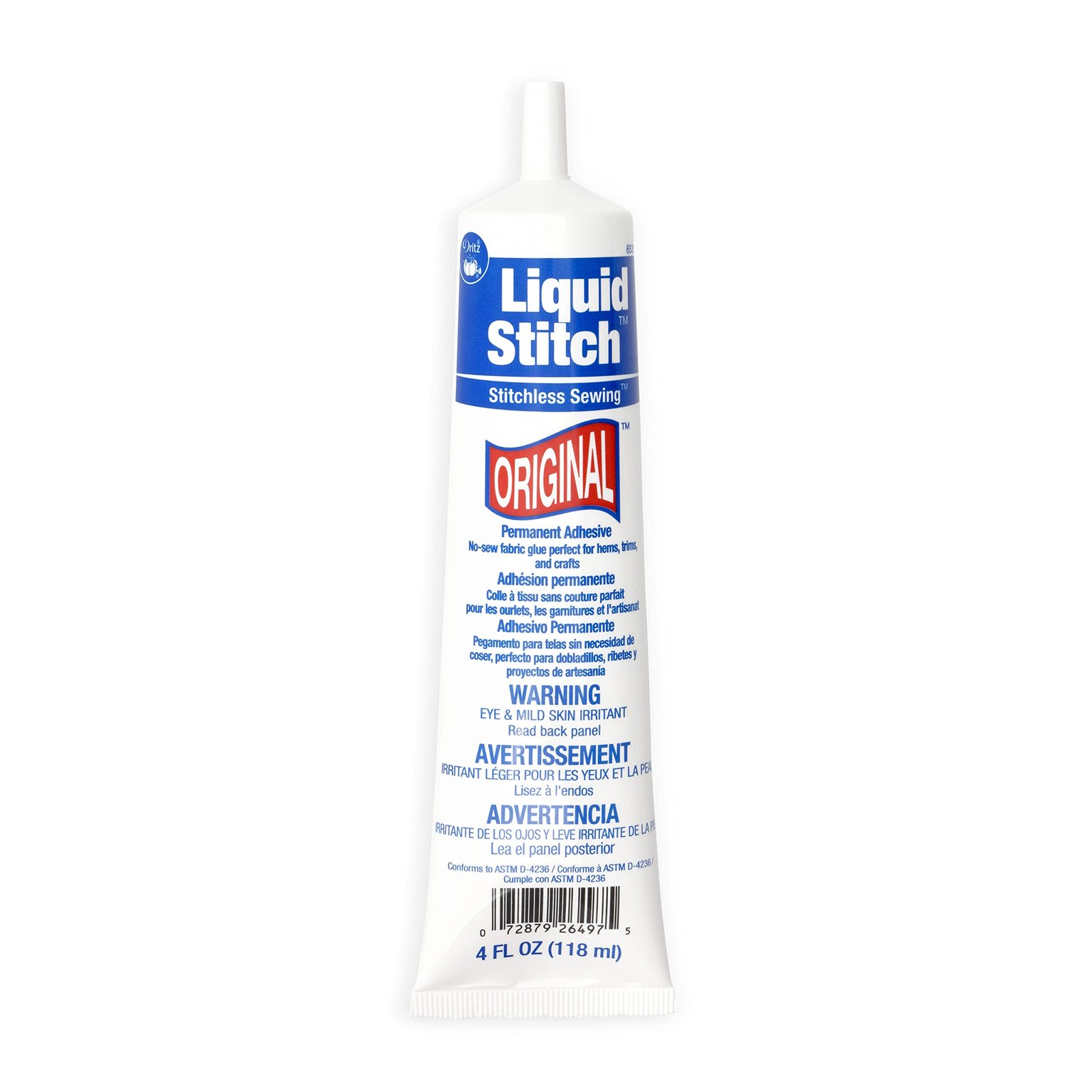
Professional permanent fabric adhesive creating flexible, washable bonds on cotton, polyester, denim, and most common textiles for hemming, repairs, and no-sew projects. This trusted formula replaces hand-sewing for quick alterations delivering results that survive machine washing and regular wear without stiffening or cracking. The precision applicator tip allows controlled placement preventing excess adhesive while ensuring adequate coverage for secure, long-lasting fabric connections.
- Permanent washable bond
- Flexible after drying
- Works on multiple fabrics
- Precision applicator tip
- Machine washable formula
- Replaces hand sewing
- Dries clear finish
- 4 fluid ounce bottle
Proper Application Techniques for Professional Results
Achieving durable, invisible bonds requires careful preparation and precise application technique. Following proven methods ensures liquid stitch performs optimally creating repairs and hems indistinguishable from sewn alternatives.
Surface Preparation Steps
Clean fabric thoroughly removing dirt, oils, and residues that interfere with adhesive bonding. Wash and dry materials when possible ensuring completely fresh surfaces for maximum adhesion.
Test adhesive on inconspicuous areas before proceeding with visible repairs or expensive fabrics. Apply small amounts to inner seams checking for discoloration, stiffness, or adverse reactions after complete drying.
Iron fabrics smooth eliminating wrinkles that create uneven bonding surfaces. Flat, pressed materials allow consistent adhesive contact across entire application areas improving final results.
Precise Application Method
Apply thin, continuous lines of liquid stitch rather than thick blobs that seep through fabrics. Excessive adhesive creates visible stiffness and may penetrate to garment exteriors ruining appearance.
Use toothpicks or fabric pencils to spread adhesive evenly on small areas requiring precision. Controlled application prevents mistakes and conserves expensive adhesive products.
Press bonded surfaces together firmly holding for 30-60 seconds creating initial tack. This crucial step ensures proper surface contact before adhesive begins curing process.
Curing and Setting
Place heavy books or weights on bonded areas maintaining consistent pressure during initial drying period. Even pressure distributes adhesive uniformly preventing weak spots that compromise bond integrity.
Allow full 24-hour curing time before subjecting repairs to stress or washing despite faster “handling dry” times. Complete chemical bonding develops slowly ensuring maximum strength and flexibility.
Resist temptation to accelerate drying with heat sources like hair dryers or irons. Rapid drying often creates weaker bonds compared to room-temperature curing allowing proper chemical reactions.
Hemming Garments with Liquid Stitch
Creating professional hems without sewing represents liquid stitch’s most popular application saving hours of hand-stitching. Proper technique yields results virtually identical to sewn hems at fraction of time and effort.
Measuring and Marking
Mark desired hem length using fabric chalk ensuring even measurements around entire garment perimeter. Accurate marking prevents crooked hems requiring complete rework.
Fold fabric precisely along marked lines pressing creases with hot iron. Sharp, defined folds ensure straight hems without waviness that becomes permanently set once adhesive cures.
Straight Hem Application
Work in 6-8 inch sections applying thin adhesive lines along folded edges. Small sections prevent adhesive from drying before pressing fabric together ensuring consistent bonds throughout hem.
Press each section firmly for one minute before proceeding to next area. Adequate initial pressure creates strong tack preventing fabric from separating during subsequent handling.
Place heavy books along entire hemline after completion maintaining uniform pressure during curing. Weighted hems dry flat without puckering or rippling common in unsupported adhesive applications.
Curved and Circular Hems
Pin curved hems frequently maintaining smooth curves without bunching or puckering. Extra pins compensate for fabric wanting to return to original flat shape during adhesive application.
Apply adhesive in very short 2-3 inch sections on curves allowing better control. Small applications prevent fabric distortion and ensure even adhesive distribution around curves.
Allow extended curing time on curved hems subjected to additional stress from fabric tension. Extra patience ensures bonds develop full strength preventing failures during wear.
Repairing Torn and Damaged Fabrics
Liquid stitch extends garment life by invisibly repairing tears, rips, and worn areas. Strategic application techniques make repairs nearly undetectable while restoring structural integrity.
Clean Tear Repairs
Align torn edges carefully ensuring perfect match before applying adhesive. Misaligned repairs remain permanently visible after curing requiring meticulous attention during setup.
Apply adhesive to tear underside using toothpick for precision avoiding excess that seeps through. Thin applications create adequate bonds without visible stiffness or adhesive show-through.
Press edges together from center outward eliminating air pockets that weaken repairs. Working systematically ensures complete edge contact throughout entire tear length.
Patching Larger Damage
Cut patches from matching or complementary fabric extending at least half-inch beyond damage on all sides. Adequate patch size distributes stress preventing tear propagation beyond repair area.
Apply adhesive to patch positioning from garment wrong side for invisible repairs. Hidden patches maintain exterior appearance while providing necessary structural reinforcement.
Consider decorative patches for character fabrics or themed materials where matching fabric proves difficult. Creative patching transforms damage into design elements.
Reinforcing Stress Points
Add interfacing or stabilizer fabric behind high-stress areas like underarms or knees before liquid stitch application. Reinforcement prevents future tearing in locations subjected to repeated stress.
Use flexible-bond formulas specifically on areas requiring movement like elbows or knees. Standard adhesives may restrict motion or crack under repeated flexing compromising repairs.
Pro Tip: Always test liquid stitch on fabric scraps or hidden garment areas before applying to visible surfaces. This simple precaution prevents discoloration, stiffness, or other adverse reactions from ruining expensive materials or cherished garments.
Working with Different Fabric Types
Each fabric type responds differently to liquid stitch requiring adjusted techniques for optimal results. Understanding material-specific considerations ensures successful bonding across diverse textiles.
Natural Fiber Fabrics
Cotton, linen, and cotton-blend materials accept liquid stitch most readily due to absorbent fiber structures. These fabrics form strong, lasting bonds with minimal preparation beyond basic cleaning.
Pre-wash natural fiber garments before repairs allowing fabrics to shrink preventing adhesive bonds from stressing during first laundry cycle. Post-application shrinkage may separate bonded areas.
Synthetic Materials
Polyester, nylon, and other synthetics require surface preparation for successful bonding. Lightly sand or rough bonding areas improving adhesive grip on slick synthetic surfaces.
Choose synthetic-compatible formulas when working with performance fabrics or technical textiles. Standard liquid stitch may not adequately bond certain synthetic fibers requiring specialized products.
Stretch and Elastic Fabrics
Select flexible-bond formulas specifically designed for knits and stretch materials. Standard adhesives may crack or restrict fabric stretch defeating elastic fabric benefits.
Apply liquid stitch with fabrics in relaxed unstretched state preventing bonds from failing when materials return to natural dimensions. Stretched application creates pre-stressed bonds prone to failure.
Heavy-Weight Materials
Denim, canvas, and upholstery fabrics require heavy-duty formulations penetrating dense weaves. Lightweight adhesives cannot adequately bond thick materials producing weak connections.
Apply adhesive to both surfaces when bonding heavy materials doubling bonding power. This technique compensates for reduced penetration in dense fabric structures.
Allow extended curing times on thick fabrics ensuring adhesive fully penetrates all layers. Standard drying schedules may prove inadequate for heavy-weight materials requiring patience.
Creative No-Sew Project Applications
Liquid stitch enables fabric crafting for those lacking sewing skills or equipment. The adhesive opens creative possibilities previously requiring machines or hand-sewing expertise.
Home Décor Projects
Create custom pillow covers without sewing machines using coordinating outdoor fabrics from Joann’s. Simple folded and glued seams produce professional-looking results in minutes.
Construct fabric-wrapped storage boxes organizing craft supplies or office materials. Liquid stitch secures fabric to cardboard creating attractive, customized organizational solutions.
Design no-sew curtain panels using decorative fabrics and grommet kits for modern hardware-mounted window treatments. Combined techniques yield contemporary home décor without extensive sewing.
Fashion Accessories
Craft simple tote bags for shopping or beach outings using sturdy canvas and decorative ribbon handles. Liquid stitch creates adequate strength for light-duty carrying purposes.
Add appliqué designs to plain garments personalizing wardrobe pieces. Position decorative elements using temporary adhesive adjusting before permanent application ensuring perfect placement.
Attach patches, buttons, and embellishments to jackets, bags, and clothing without needle and thread. Quick adhesive application customizes items immediately without sewing skills.
Quilting and Fabric Art
Assemble quilt blocks using liquid stitch for basting before final quilting stitches. Temporary bonding holds pieces precisely positioned during machine quilting preventing shifting.
Create fabric collages and mixed-media art combining various textiles without visible stitching. Adhesive allows layering and composition adjustments impossible with permanent sewing.
Troubleshooting Common Problems
Understanding how to address liquid stitch issues saves projects from failure and builds application confidence. Most problems have straightforward solutions when identified early.
Preventing Seepage and Show-Through
Excessive adhesive application causes seepage through fabric creating visible stiffness or discoloration. Use minimal product applying thin lines rather than thick beads.
Place wax paper or plastic sheets behind application areas catching excess adhesive before penetrating additional fabric layers. Protective barriers prevent adhesive from bonding unintended surfaces.
Addressing Weak or Failed Bonds
Inadequate surface preparation causes most bond failures requiring complete rework. Always clean and prepare fabrics thoroughly ensuring optimal adhesive performance.
Insufficient curing time produces weak connections that fail under minimal stress. Follow manufacturer recommendations adding extra time when possible ensuring complete chemical bonding.
Remove failed bonds using isopropyl alcohol or commercial adhesive removers before reapplying fresh adhesive. Attempting to reglue over failed bonds rarely produces satisfactory results.
Removing Dried Adhesive
Apply rubbing alcohol to dried adhesive using cotton swabs gently working from stain edges inward. Patient dabbing gradually softens most cured adhesives allowing removal.
Commercial adhesive removers like Goo Gone work on stubborn dried liquid stitch. Always test removers on hidden fabric areas first preventing damage to visible garment surfaces.
For washable fabrics, soak affected areas in warm soapy water for 30 minutes before gentle scraping with plastic tools. Avoid metal scrapers that damage delicate fibers.
Care and Maintenance of Bonded Fabrics
Proper laundry practices extend the life of liquid stitch repairs and projects. Following recommended care instructions maintains bond integrity through multiple cleaning cycles.
Washing Guidelines
Wait full 48-72 hours after application before washing allowing complete adhesive curing. Premature washing may weaken bonds even when adhesive feels dry to touch.
Use gentle wash cycles with cold or warm water when possible. Hot water and aggressive agitation may stress bonds particularly during initial laundry cycles.
Turn garments inside-out protecting bonded areas from excessive friction against other clothing and machine surfaces. This simple step significantly extends repair longevity.
Drying Recommendations
Air drying proves gentler on adhesive bonds than machine drying particularly for first several washes. High heat may affect some adhesive formulations reducing flexibility over time.
If machine drying becomes necessary, use low heat settings removing items promptly when dry. Excessive heat exposure can degrade adhesive properties causing premature bond failure.
Long-Term Maintenance
Inspect bonded areas periodically checking for signs of separation or weakening. Early detection allows repairs before complete failure requiring more extensive rework.
Reinforce high-stress repairs with occasional spot applications of additional adhesive before bonds completely fail. Preventive maintenance extends project life indefinitely.
Storage and Product Shelf Life
Proper storage significantly extends liquid stitch viability preventing premature drying or degradation. Simple precautions maintain product effectiveness between uses.
Optimal Storage Conditions
Store bottles upright in temperature-controlled environments between 50-80°F avoiding freezing or excessive heat. Extreme temperatures may alter adhesive properties reducing effectiveness.
Keep applicator tips clean wiping with damp cloth immediately after use preventing clogs. Dried adhesive in nozzles blocks future applications requiring replacement bottles.
Consider inserting pins or toothpicks in applicator openings between uses preventing air exposure. This simple technique dramatically extends product shelf life.
Recognizing Expired Product
Thickened consistency, unusual odors, or color changes indicate deteriorated adhesive requiring replacement. Old product produces weak bonds and difficult application.
Most liquid stitch products remain viable 12-24 months when properly stored. Date bottles upon purchase tracking age and replacing before expiration ensures reliable performance.
Safety and Best Practices
Using liquid stitch responsibly includes attention to safety practices and proper ventilation. Following recommended procedures protects both users and project materials.
Safe Application Practices
Work in well-ventilated areas allowing fumes to dissipate particularly when using solvent-based formulations. Adequate airflow prevents headaches and respiratory irritation.
Avoid skin contact with uncured adhesive washing immediately if contact occurs. While most formulations prove relatively safe, repeated exposure may cause sensitivity.
Keep liquid stitch away from children and pets storing in secured locations. The attractive bottle designs may tempt curious youngsters despite obvious danger.
Workspace Protection
Cover work surfaces with plastic sheeting, wax paper, or disposable coverings protecting furniture from accidental spills. Dried adhesive proves extremely difficult removing from porous surfaces.
Keep sharp scissors and fabric clips nearby for cutting and positioning during application. Organized workspaces prevent frustrating searches for essential tools.
Frequently Asked Questions
Quality permanent liquid stitch formulations create bonds designed to last through years of washing and regular wear when properly applied. The adhesive penetrates fabric fibers forming molecular-level connections that resist separation. However, bonds on high-stress areas like seams experiencing constant tension may eventually weaken. For truly permanent solutions on frequently worn garments, combining liquid stitch with strategic reinforcement stitching provides optimal durability exceeding adhesive alone.
Most liquid stitch products reach handling-dry state within 10 minutes to one hour allowing careful movement without disturbing bonds. However, complete curing requiring full bonding strength typically takes 24-72 hours depending on adhesive formula, fabric thickness, and environmental conditions. Always wait the full manufacturer-recommended curing time before subjecting repairs to stress or washing. Rushing this process produces weak bonds prone to failure under minimal stress.
Yes, washable liquid stitch formulations withstand machine washing and drying when fully cured before laundering. Wait at least 48-72 hours after application before first washing allowing complete chemical bonding to develop. Use gentle wash cycles with cold or warm water when possible, and consider air drying for first several washes. High heat and aggressive agitation may stress newer bonds. Properly cured adhesive bonds maintain integrity through years of normal laundry cycles.
Cotton, polyester, cotton-blend, and most natural fiber fabrics accept liquid stitch most successfully due to absorbent fiber structures promoting adhesive penetration. Canvas, denim, and linen also bond excellently with appropriate heavy-duty formulations. Synthetic materials like nylon may require surface preparation or specialized formulas. Stretch fabrics need flexible-bond formulations preventing bond cracking during fabric extension. Delicate materials including silk require lightweight formulas designed specifically for fine fabrics avoiding stiffness or damage.
Yes, dried liquid stitch can be removed though the process requires patience and may risk fabric damage. Apply isopropyl alcohol or commercial adhesive remover to affected areas using cotton swabs to gently work from stain edges inward. For washable fabrics, soak in warm soapy water for 30 minutes before careful scraping with plastic tools. Testing removal methods on hidden areas first prevents visible damage. Fresh, uncured adhesive removes much more easily than completely cured product.
Heavy-duty liquid stitch formulations work on denim when properly applied with adequate curing time. Apply adhesive to both surfaces for maximum strength on thick materials. Leather requires specialized leather adhesives rather than standard fabric liquid stitch as the non-porous surface prevents adequate penetration. Look for products specifically labeled for leather at Joann Fabrics ensuring appropriate bonding chemistry. For substantial repairs on either material, combining adhesive with reinforcement stitching provides optimal durability.
Standard pants hem typically requires approximately 1-2 tablespoons of liquid stitch depending on leg circumference and fabric thickness. A 4-ounce bottle contains sufficient adhesive for hemming 10-15 pairs of pants with careful application. Using thin, continuous lines rather than excessive amounts prevents waste while ensuring adequate bonding. Purchasing larger bottles proves more economical for frequent hemming projects. Always have extra product available as running out mid-project creates problems with uneven curing times.
Related Resources
- Fabric Scissors – Precision cutting tools
- Fabric Clips – Securing materials
- Fabric Chalk – Marking guidelines
- Fabric Pencil – Precise marking
- Fabric Iron – Pressing preparation
- Fabric Adhesive – Alternative bonding
- E6000 Fuse – Heavy-duty adhesive
- Grommet Kit – Hardware installation
- Canvas Fabric – Heavy materials
- Outdoor Fabric – Weather-resistant textiles
- Fabric Ribbon – Decorative accents
- Harry Potter Fabric – Character materials
- Marvel Fabric – Licensed prints
- Sewing Machines – Traditional equipment
Transform Fabric Projects Without Traditional Sewing
Fabric liquid stitch revolutionizes garment repairs and creative projects by eliminating needle-and-thread requirements while delivering professional results. This versatile adhesive from Joann Fabrics enables quick hems, invisible repairs, and no-sew crafting accessible to everyone regardless of sewing skills.
Understanding proper application techniques, selecting appropriate formulations, and following recommended curing times ensures durable bonds lasting through years of washing and wear. The convenience of liquid stitch democratizes fabric work making previously intimidating projects achievable in minutes.
Start your no-sew projects with quality adhesive products from Joann’s, proper cutting tools for preparation, and marking supplies for precise application delivering results rivaling traditional sewing methods.