
Joanns White Fabric Marker: Complete Guide to Marking Dark Fabrics for Sewing Projects
Permanent, Washable, and Erasable White Markers for Dark Cotton, Denim, Canvas, and Black Fabrics
White fabric markers solve the essential problem of creating visible markings on dark fabrics where traditional pencils and colored markers disappear completely. These specialized marking tools deliver opaque white lines on black, navy, and deep-colored textiles enabling precise pattern transfer, seam marking, and decorative designs without guesswork.
Understanding the differences between permanent, washable, and erasable white markers ensures professional results on everything from quilting projects to clothing alterations. Joann Fabrics white markers provide reliable performance across cotton, denim, canvas, and synthetic materials when selected appropriately for specific applications and fabric types.
What Makes Joanns White Fabric Markers Essential
White fabric markers create high-contrast markings specifically designed for dark-colored fabrics where standard marking tools become invisible. The opaque white pigment stands out clearly against black, navy, purple, forest green, and other deep hues eliminating the frustration of invisible guidelines.
These specialized markers contain titanium dioxide or similar white pigments suspended in various formulas ranging from permanent inks to temporary water-soluble solutions. The concentration and type of white pigment determines both visibility and permanence affecting how well markers perform on different fabric types.
Primary Applications
Joann white fabric markers excel at pattern marking on dark fabrics allowing sewers to transfer dart placements, seam allowances, and notches accurately. The clear white lines guide scissors and sewing machines through construction without requiring constant re-measurement or guesswork about positioning.
Quilters use white markers extensively for marking intricate quilting designs on dark backgrounds where traditional methods fail. The visible guidelines enable complex free-motion patterns and precise piecing work that would be impossible without high-contrast markings.
Decorative applications including custom denim designs, personalized clothing, and fabric art projects benefit from permanent white markers. These creative uses transform basic dark fabrics into customized pieces featuring text, patterns, and artistic elements that remain visible through repeated washing.
Marker Types Available
Permanent white fabric markers contain alcohol-based or acrylic inks that bond with fabric fibers becoming wash-resistant after proper curing. These markers suit decorative projects, permanent labeling, and any application requiring markings to survive multiple launderings without fading significantly.
Water-soluble markers disappear completely when exposed to water or washing making them ideal for temporary construction markings. Pattern transfer, seam guidelines, and fitting marks wash out cleanly leaving no residue once their purpose is served.
Air-erasable markers gradually fade within 24-72 hours through exposure to air without requiring washing or special removal. This self-erasing feature proves convenient for short-term projects though markings may disappear before complex constructions finish if work extends beyond the fading window.
Heat-erasable markers become invisible when exposed to heat from irons or dryers offering another temporary marking solution. These clever tools work well for projects requiring marks through multiple construction steps that eventually need complete removal without washing.
Choosing the Right White Marker
Selecting appropriate white fabric markers depends on whether markings need permanence or temporary visibility for construction purposes. Understanding project requirements prevents disappointment from using permanent markers where temporary ones were needed or vice versa.
Tip Size Selection
Fine-point white markers measuring 0.5-1.0mm work best for detailed pattern work, precise dart placements, and small lettering on fabric. These thin tips deliver controlled lines perfect for intricate designs and exact measurements requiring pinpoint accuracy.
Medium-point markers ranging 1.5-3.0mm handle general sewing applications including seam allowances, hemlines, and standard pattern markings. This versatile size range provides adequate visibility without excessive bulk making it suitable for most everyday sewing projects.
Broad-tip markers exceeding 3.0mm create bold, highly visible lines for large-scale projects, quilting guidelines, and situations requiring maximum visibility. These substantial markers work well for marking cutting lines on heavy fabrics and creating prominent design elements.
Fabric Compatibility
Natural fiber fabrics including cotton, linen, and wool absorb white marker pigments most effectively creating clear, defined lines. The porous structure of these materials allows ink penetration resulting in consistent markings that resist smudging once dry.
Synthetic fabrics like polyester and nylon present challenges as their smooth surfaces cause some markers to bead up rather than absorb properly. Testing markers on fabric scraps before marking final projects prevents frustrating discoveries about incompatibility after it’s too late to change approaches.
Blended fabrics perform somewhere between pure natural and synthetic materials depending on fiber ratios. Higher natural fiber content generally improves marker performance while synthetic-heavy blends may require specialized formulas designed for non-absorbent surfaces.
Project Duration Considerations
Short-term projects completing within 24-48 hours work well with air-erasable markers that gradually fade away. These self-erasing options eliminate removal concerns for quick sewing sessions where markings only need brief visibility.
Extended projects requiring marks to remain visible through multiple construction sessions benefit from water-soluble markers that stay clear until intentionally washed. Complex garments, quilts, and alterations often span days or weeks making these longer-lasting temporary markers more practical than air-erasable alternatives.
Permanent decorative work including custom designs and personalization requires markers specifically formulated for wash resistance. These applications demand pigments that cure into fabric rather than merely sitting on the surface where they would wash away immediately.
Artline White Fabric Marker for Dark Fabrics
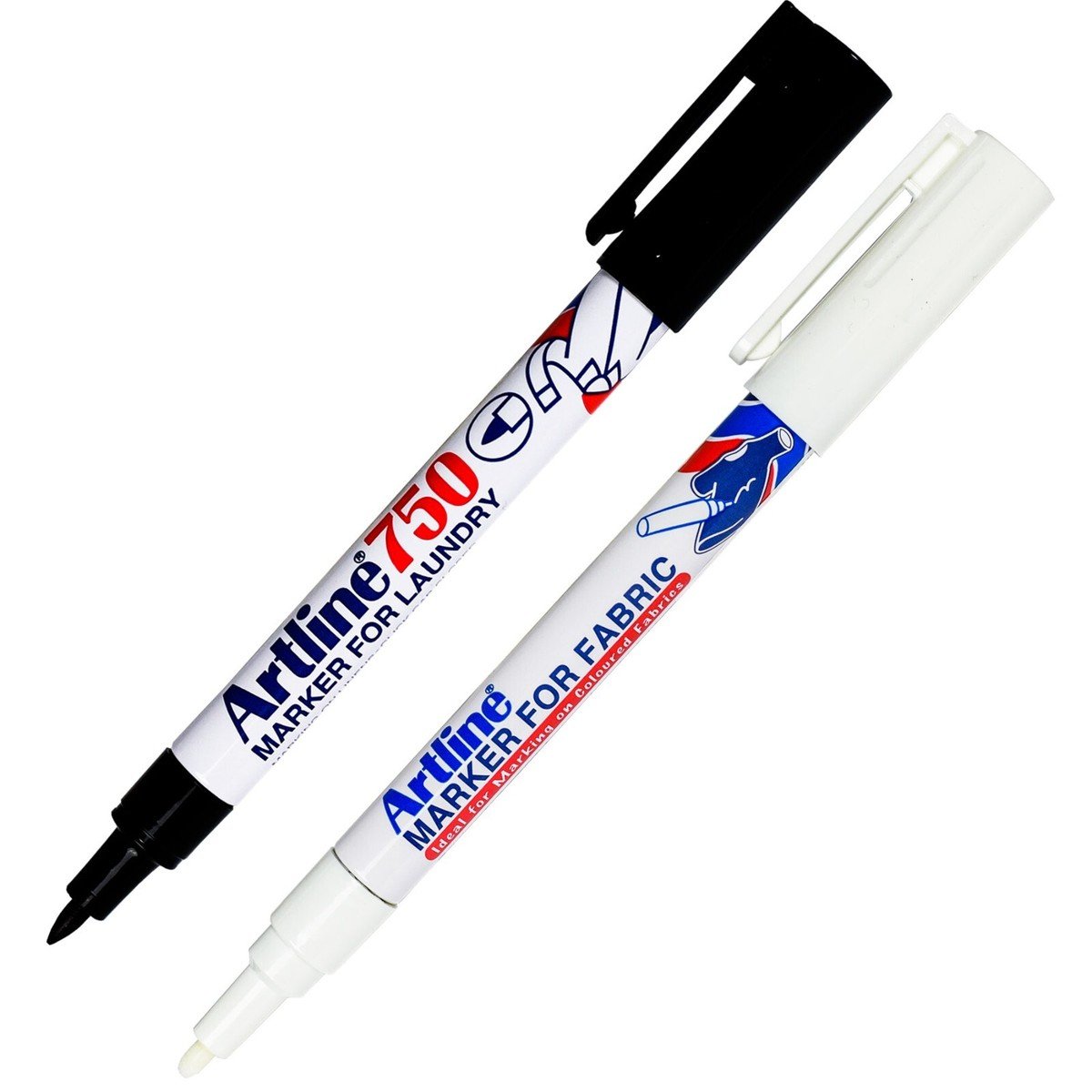
Professional washable white fabric marker featuring fade-resistant permanent ink suitable for marking dark cotton, denim, canvas, and synthetic fabrics for sewing and crafting projects. This premium quality Joann Fabrics white marker delivers consistent opaque coverage on black, navy, and deep-colored materials perfect for military uniform marking, school clothing identification, camping gear labeling, and bedding personalization. The machine-washable permanent formula resists fading through repeated launderings while providing clear visibility during pattern work, seam marking, and decorative applications on dark textiles requiring high-contrast guidelines.
- Permanent fade-resistant white ink
- Machine washable formula
- Ideal for dark fabric marking
- Perfect for uniform identification
- Works on cotton, denim, canvas
- Suitable for camping gear labeling
- Back-to-school clothing marking
- Bedding personalization use
Application Techniques for Best Results
Proper application technique significantly impacts the clarity and longevity of white fabric marker lines regardless of which type you select. Following recommended practices ensures consistent results across different fabric types and project applications.
Surface Preparation
Pre-washing fabrics removes sizing, oils, and finishing chemicals that interfere with marker absorption producing clearer, more permanent lines. Clean fabric accepts pigments more readily than untreated material straight from the bolt or package.
Placing cutting boards or cardboard underneath marked areas prevents ink bleeding through to underlying fabric layers. This protective backing also provides firm support making marking more controlled and precise.
Ensuring fabric lies flat without wrinkles or folds prevents distorted markings that appear crooked or misaligned when material returns to natural shape. Use fabric clips or weights to secure material during marking for maximum accuracy.
Marking Method
Testing markers on scrap fabric identical to project material reveals how specific combinations perform together. This crucial step identifies potential issues including poor absorption, excessive bleeding, or inadequate visibility before marking irreversible lines on final pieces.
Applying consistent pressure while marking produces uniform line width and color saturation preventing patchy or uneven appearances. Too light pressure creates faint marks while excessive force can damage delicate fabrics or cause ink flooding.
Allowing adequate drying time before handling marked fabric prevents smudging that ruins precise work. Most markers dry within 30-60 seconds though some permanent formulas require longer curing periods for maximum wash resistance.
Heat Setting Process
Permanent white markers often require heat setting to achieve maximum wash resistance bonding pigments firmly with fabric fibers. Pressing marked areas with a fabric iron on appropriate temperature settings activates this bonding process.
Placing clean pressing cloths between iron and marked fabric prevents pigment transfer to iron plates or scorching. This protective layer also distributes heat more evenly ensuring complete curing without creating hot spots that damage materials.
Following manufacturer recommendations regarding heat setting temperature and duration ensures optimal results. Under-heating fails to fully cure markings while excessive heat can scorch fabrics or cause synthetic materials to melt or distort.
Working with Different Fabric Types
White fabric marker performance varies significantly across different textile types requiring adaptation of technique and sometimes marker selection. Understanding these variations prevents frustration and produces professional results across diverse materials.
Cotton and Natural Fibers
Cotton fabrics accept Joann white fabric markers most readily thanks to absorbent natural fiber structure. The porous weave allows pigment penetration creating crisp lines that remain clearly visible throughout construction and resist smudging once dry.
Linen behaves similarly to cotton though its slightly rougher texture may require slower marking to ensure even pigment distribution. The natural slubs characteristic of linen can create slight variations in line thickness adding rustic character some sewers appreciate.
Denim and Heavy Canvas
Denim’s tight weave sometimes resists fine-tipped markers requiring either slower application or broader tips for adequate pigment deposit. Chalk-style markers often perform better on heavy denim providing bold lines that show clearly through the dense fabric structure.
Canvas fabric accepts white markers well though very heavy weights may require multiple passes for desired opacity. The textured surface of canvas creates slight line variations that typically don’t affect functionality for most applications.
Synthetic Materials
Polyester and nylon surfaces repel some water-based white markers causing beading rather than smooth lines. Alcohol-based or specialized synthetic fabric markers perform better on these slick materials creating adequate adhesion for both temporary and permanent applications.
Vinyl fabric presents particular challenges as most fabric markers fail to adhere properly to its non-porous surface. Paint pens or markers specifically formulated for plastics work better on vinyl projects than standard fabric marking tools.
Outdoor fabrics often feature water-resistant coatings that interfere with marker absorption requiring testing to determine compatibility. Some outdoor textiles accept permanent markers while others need alternative marking methods including chalk or specialized outdoor fabric pens.
Specialty Textiles
Velvet and velour require gentle marking pressure to avoid crushing pile texture while depositing adequate pigment. Marking from the wrong side when possible preserves the luxurious surface appearance while still providing necessary guidelines.
Stretch fabrics including jersey and spandex blends need marking in their relaxed state to prevent distorted lines when material returns to natural tension. The stretch characteristics can also cause markers to skip requiring slower, more deliberate application.
Removing White Fabric Marker Lines
Successfully removing temporary white marker lines depends entirely on marker type and following appropriate removal methods. Understanding removal options before starting projects prevents permanent marks where temporary ones were intended.
Water-Soluble Marker Removal
Water-soluble white markers disappear with simple water exposure making removal straightforward for most applications. Dabbing marked areas with damp cloth or sponge lifts pigment without requiring full washing ideal for delicate fabrics or partially completed projects.
Machine washing removes water-soluble marks completely from most fabrics though some heavily textured materials may trap residual pigment in recessed areas. Using warm water and adequate agitation ensures thorough removal preventing ghosting or faint remaining lines.
Air-Erasable Marker Fading
Air-erasable markers fade naturally within manufacturer-specified timeframes typically ranging 24-72 hours depending on environmental conditions. Higher humidity and temperature generally accelerate fading while cool, dry conditions extend mark visibility.
Accelerating air-erasable marker fading by applying heat from iron or hair dryer works when markings need removal before natural fading occurs. This technique proves useful when construction finishes ahead of expected timeline requiring immediate mark disappearance.
Permanent Marker Removal Challenges
Removing permanent white markers presents significant challenges as formulas specifically resist washing and fading. Commercial fabric stain removers sometimes lighten permanent marks though complete removal rarely succeeds without fabric damage.
Rubbing alcohol applied with cotton swabs occasionally removes or fades permanent white marker lines though testing on hidden areas first prevents widespread fabric damage. This aggressive approach should remain last resort after gentler methods fail.
Accepting permanent marks as learning experiences often proves more practical than attempting risky removal procedures. Careful marker selection and testing on scraps before marking final projects prevents most permanent marking mistakes.
Pro Tip: Always test your Joann white fabric marker on an identical fabric scrap before marking your actual project. This simple precaution reveals how the marker performs on your specific material preventing irreversible mistakes on finished pieces.
Quilting Applications for White Markers
Quilters working with dark fabrics rely heavily on white markers for pattern transfer and design marking where traditional blue markers disappear. The high contrast enables precise piecing and intricate quilting patterns impossible to execute without visible guidelines.
Pattern Marking Techniques
Transferring complex quilting patterns to dark fabrics requires white markers providing adequate visibility for accurate stitching. Free-motion quilting designs benefit particularly from clear white guidelines preventing wandering lines that compromise pattern integrity.
Using quilting rulers and templates with white markers ensures consistent spacing and accurate geometric patterns. The combination of rigid guides and high-visibility marking produces professional results matching purchased quilted items in quality.
Construction Guidelines
Marking seam allowances on dark quilt pieces with white markers eliminates guessing about proper alignment during piecing. Quarter-inch accuracy becomes achievable when clear white lines indicate exactly where stitching should occur.
Indicating matching points for complex blocks requires high-contrast markings ensuring pieces align correctly during assembly. White markers excel at this precision work preventing misaligned points that create amateur-looking finished quilts.
Storage and Maintenance
Proper storage significantly extends white fabric marker lifespan ensuring reliable performance when needed. Following recommended care practices prevents premature drying and maintains consistent ink flow throughout marker life.
Optimal Storage Conditions
Storing markers horizontally rather than vertically distributes ink evenly throughout the barrel preventing settlement that causes flow problems. Horizontal storage also prevents gravity from pulling pigment away from tips reducing performance over time.
Replacing caps immediately after each use maintains internal moisture levels preventing tip drying. Even brief cap removal during extended work sessions can cause evaporation affecting marker performance particularly in low-humidity environments.
Maintaining moderate temperatures between 60-75°F preserves ink consistency and prevents formula degradation. Extreme heat causes ink thinning while cold temperatures increase viscosity potentially clogging fine tips.
Reviving Dried Markers
Partially dried markers sometimes respond to tip moistening with single water drop followed by recapping for 24 hours. This gentle rehydration can restore flow to markers showing early drying signs though heavily dried markers rarely recover fully.
Gently warming marker barrels between hands redistributes settled pigments improving flow consistency. This massage technique proves particularly effective for markers stored long-term without use where pigment separation occurs naturally.
Common Mistakes to Avoid
Understanding typical white marker problems helps prevent frustration and project failures. Learning from common errors ensures better results across all marking applications.
Marker Selection Errors
Using permanent markers for temporary construction marks represents the most common mistake causing lasting lines on finished projects. Always verify marker type matches intended purpose before beginning marking to prevent irreversible errors.
Selecting markers incompatible with specific fabric types leads to poor adhesion, excessive bleeding, or inadequate visibility. Matching marker formulation to material characteristics ensures optimal performance preventing disappointing results.
Application Problems
Marking fabric without underlying protection causes ink bleeding through multiple layers ruining pieces underneath. Always place protective barriers between marked fabric and other materials preventing unintended transfer.
Rushing drying time before handling marked fabric creates smudges that destroy precise work. Patience during the brief drying period preserves crisp lines and prevents frustrating do-overs.
Failing to test markers on fabric scraps before marking final projects leads to unwelcome surprises about performance. This simple precaution reveals potential issues when mistakes remain correctable rather than permanent.
Care and Removal Issues
Washing permanent marker designs before adequate curing time causes premature fading reducing design longevity. Following manufacturer recommendations regarding setting time ensures maximum wash resistance.
Using aggressive removal methods on permanent marks risks fabric damage often worse than the unwanted markings. Accepting learning experiences gracefully proves wiser than desperate removal attempts that destroy projects entirely.
Complementary Marking Tools
White fabric markers work best as part of comprehensive marking toolkit including complementary tools for different applications. Understanding when to use alternatives optimizes results across diverse project types.
Alternative Marking Methods
Fabric chalk provides easily erasable markings ideal for temporary construction guidelines that must disappear immediately. The powder format creates bold lines without liquid absorption issues on synthetic or water-resistant fabrics.
Fabric pencils deliver precise thin lines suitable for detailed marking where white markers prove too broad. These mechanical markers offer consistent width without requiring sharpening maintaining accuracy throughout use.
General fabric markers in various colors handle light fabric marking where white markers become invisible. Having diverse color options ensures appropriate contrast regardless of background fabric color.
Related Sewing Tools
Precision cutting with fabric scissors follows marked lines accurately ensuring pieces cut to exact specifications. Sharp scissors prevent fabric distortion that throws measurements off despite perfect marking.
Quality sewing machines follow marked seam allowances consistently producing professional results. The combination of accurate marking and reliable stitching creates finished projects matching professional standards.
Professional Tips and Tricks
Experienced sewers have developed clever techniques maximizing white marker effectiveness across challenging applications. These professional secrets elevate marking quality beyond basic instructions.
Enhancing Visibility
Working in bright, natural light improves white marker visibility on very dark fabrics ensuring lines remain visible throughout construction. Daylight reveals subtle markings that disappear under artificial lighting preventing construction errors.
Using magnification for detailed work helps maintain accuracy when marking intricate patterns or small measurements. Reading glasses or magnifying lamps reveal fine details ensuring precision placement of critical markings.
Advanced Techniques
Layering white marker as base coat allows colored markers to show true colors on dark fabrics. This technique enables vibrant multicolored designs on black or navy materials where direct color application would disappear.
Creating custom stencils for repeated design elements ensures consistency across multiple marked areas. Reusable templates combined with white markers produce professional-looking repeated motifs faster than freehand marking.
Mixing marker types strategically uses permanent markers for design elements while temporary markers handle construction guidelines. This dual approach preserves decorative elements while ensuring construction marks disappear appropriately.
Frequently Asked Questions
Joann Fabrics carries both permanent and washable white fabric markers serving different purposes depending on project needs. Permanent markers contain inks that resist washing after proper curing making them ideal for decorative designs, labeling, and markings intended to remain visible indefinitely. Washable or water-soluble markers disappear completely when exposed to water perfect for temporary construction guidelines, pattern transfer, and any marking that should vanish after its purpose is served.
Natural fiber fabrics including cotton, linen, and wool work best with Joanns white fabric markers due to their absorbent structure that accepts pigments readily. Denim and canvas also perform well though their tight weaves may require slower application or broader tips for optimal results. Synthetic fabrics like polyester and nylon present challenges due to non-absorbent surfaces requiring specialized markers formulated for synthetic materials. Always test markers on fabric scraps before marking final projects to ensure compatibility.
Removal method depends entirely on marker type used for marking the fabric. Water-soluble white markers remove easily by dabbing with damp cloth or machine washing making them ideal for temporary markings. Air-erasable markers fade naturally within 24-72 hours without requiring active removal though heat application accelerates the process. Permanent markers resist removal by design though rubbing alcohol sometimes lightens marks on test areas. Always verify marker type before application to ensure removal matches project requirements.
Yes, white fabric markers are specifically designed for high-contrast marking on black and other dark-colored fabrics where traditional markers disappear. The opaque white pigment stands out clearly against black cotton, denim, canvas, and most dark textiles providing visible guidelines for sewing, quilting, and decorative work. Quality matters significantly on very dark fabrics with premium markers delivering superior opacity requiring fewer passes for adequate visibility. Testing on black fabric scraps ensures selected marker provides sufficient contrast for your specific application.
White fabric markers are essential tools for quilters working with dark fabrics providing necessary contrast for pattern marking and construction guidelines. Quilters use white markers to transfer intricate quilting designs, mark seam allowances, and indicate matching points on dark quilt pieces where blue markers become invisible. Fine-tipped white markers work best for detailed quilting patterns while broader tips suit general construction marking. Water-soluble options allow marks to wash out after quilting completes while permanent markers suit designs intended to show in finished quilts.
Mark longevity depends on marker type with permanent white fabric markers lasting indefinitely after proper heat setting and curing. These wash-resistant marks survive multiple launderings maintaining visibility for years when applied correctly. Water-soluble markers last until first water exposure when they disappear completely. Air-erasable markers fade within 24-72 hours depending on environmental conditions with humidity and temperature affecting fading speed. Heat-erasable markers remain visible until exposed to heat from washing, ironing, or drying when they disappear instantly.
White fabric markers deliver liquid or gel-based pigments producing precise, consistent lines with controlled width ideal for detailed work. Markers offer multiple permanence options from temporary to permanent and don’t create dust during application. Fabric chalk provides powder-based marking that brushes away easily perfect for temporary guidelines without washing concerns. Chalk typically costs less and never dries out in storage but offers less precision than markers and may not show clearly on textured fabrics. Many sewers keep both available using markers for precise work and chalk for quick temporary markings.
Related Resources
- Fabric Markers – Complete color selection
- Markers for Sewing – General sewing markers
- Markers for Jeans – Denim marking tools
- Grey Fabric Marker – Alternative colors
- Brown Fabric Marker – Color options
- Fabric Chalk – Alternative marking method
- Fabric Pencil – Precision marking
- Fabric Scissors – Cutting tools
- Fabric Clips – Securing materials
- Fabric Iron – Heat setting tool
- Canvas Fabric – Heavy materials
- Outdoor Fabric – Weather-resistant textiles
- Vinyl Fabric – Non-porous materials
- Sewing Machines – Complementary equipment
Master Dark Fabric Marking with Confidence
Joanns white fabric markers solve the fundamental challenge of creating visible markings on dark textiles enabling precision work across quilting, sewing, and decorative projects. Understanding the differences between permanent, washable, and erasable options ensures appropriate marker selection for specific applications preventing frustrating mismatches between marker type and project requirements.
Proper application techniques including surface preparation, consistent pressure, and adequate drying time produce professional results across cotton, denim, canvas, and synthetic materials. The combination of quality markers and sound technique transforms challenging dark fabric projects into confident accomplishments.
Start your dark fabric projects with appropriate marking tools, quality cutting implements, and reliable sewing equipment to achieve professional results that showcase expert craftsmanship and careful attention to detail throughout construction.