
Joanns Fabric Markers for Sewing: Complete Guide to Choosing and Using Marking Tools
Water-Soluble, Heat-Erasable, and Chalk Fabric Markers for Precise Sewing, Quilting, and Embroidery Projects
Fabric markers provide essential precision for sewing projects by creating clear, removable guidelines that translate patterns onto textiles without damaging fibers or leaving permanent traces. These specialized marking tools from Joanns deliver professional results across applications from delicate embroidery to heavy-duty quilting through water-soluble, heat-erasable, and chalk formulations designed specifically for fabric surfaces.
Understanding which Joann fabric marker suits your project ensures accurate pattern transfer, proper dart placement, and precise seam allowances without guesswork or frustration. The right marking tool transforms complex sewing tasks into manageable steps with visible guidelines that disappear when no longer needed leaving finished projects clean and professional.
What Makes Joanns Fabric Markers Essential
Fabric markers from Joann Fabrics contain specialized formulations designed specifically for textile applications creating marks that guide sewing without penetrating fibers permanently. These purpose-built tools replace traditional marking methods with precise, reliable alternatives that suit modern sewing requirements across all skill levels.
The specialized chemistry in Joanns fabric markers ensures marks remain visible throughout construction then remove completely when finished without fading prematurely or staining materials. This balance between visibility and removability distinguishes quality fabric markers from ordinary writing instruments that damage textiles or leave permanent traces.
Water-Soluble Marker Features
Water-soluble fabric markers from Joann create crisp blue or purple lines that dissolve completely when exposed to moisture making them ideal for washable fabrics. The fine-point tips deliver precise markings for detailed work including dart placement, seam allowances, and intricate pattern elements requiring exact positioning.
These markers excel on light to medium-colored fabrics where visibility matters for accurate construction and washing removes all traces after completion. The water-activated removal process integrates naturally with garment finishing since most sewn items require laundering anyway making cleanup effortless.
Heat-Erasable Marker Benefits
Heat-erasable pens use thermochromic ink that becomes colorless when exposed to iron temperatures offering controlled removal without water. These innovative markers from Joanns remain stable at room temperature allowing complex projects to retain markings throughout extended construction periods until you choose to remove them.
The heat-removal method proves particularly valuable for fabrics where water exposure causes problems or when you need markings to survive handling without premature fading. Simply pressing with an appropriate iron temperature makes marks disappear instantly providing satisfying visual confirmation of complete removal.
Chalk Marker Advantages
Chalk-based fabric markers deliver excellent visibility on dark fabrics where blue water-soluble markers disappear against navy or black backgrounds. Modern Joann chalk markers come as wheels, pencils, or liquid applicators offering more precision than traditional chalk triangles while maintaining gentle removal through brushing or washing.
The dust-free application of chalk pencils and liquid chalk markers prevents respiratory irritation while creating marks visible under various lighting conditions. These markers work reliably across fabric types including delicate silks and textured materials where liquid markers might bleed or penetrate unpredictably.
Choosing the Right Joann Fabric Marker
Selecting appropriate fabric markers depends on project type, fabric color and weight, required mark longevity, and removal preferences. Understanding these factors ensures optimal marking results without purchasing incompatible tools or inadequate supplies for your specific sewing needs.
Fabric Color Considerations
Light-colored fabrics accept standard blue water-soluble markers providing excellent visibility for precise marking and easy removal. These markers show clearly against white, cream, pastels, and light prints making pattern transfer straightforward without requiring special considerations or additional testing.
Medium-toned fabrics sometimes challenge visibility requiring testing to determine which marker color contrasts adequately. Yellow chalk pencils, white chalk markers, or specialized colored markers designed for mid-tone fabrics ensure visible guidelines throughout construction without excessive reapplication.
Dark fabrics demand white or light-colored chalk markers as standard blue markers become invisible against navy, black, or deep-colored backgrounds. Joanns carries specialized white ceramic pencils and liquid chalk markers specifically formulated for excellent visibility on dark textiles ensuring accurate marking regardless of fabric tone.
Project Timeline Impact
Quick projects completed within hours benefit from air-erasable markers that fade naturally within 24-72 hours eliminating removal steps. These self-disappearing markers suit fast construction timelines where marks need visibility only briefly then vanish automatically without laundering or heat application.
Extended projects requiring days or weeks to complete need stable markers like heat-erasable pens that remain visible throughout construction. Water-soluble markers work for moderate timelines though humid environments may cause premature fading requiring occasional remarking of critical reference points.
Complex projects with multiple fitting sessions or construction stages benefit from heat-erasable markers allowing marks to remain indefinitely at room temperature. The controlled removal through iron application means markings stay visible until deliberately removed preventing loss of crucial alignment information during extended work periods.
Fabric Weight Selection
Lightweight fabrics including cotton voile, silk, and delicate synthetics require fine-point water-soluble or heat-erasable markers preventing fiber damage. The gentle formulations and precise application prevent bleeding along fiber lines while creating marks thin enough for detailed work on gossamer materials.
Medium-weight fabrics like quilting cotton, linen, and standard denim accept most Joann fabric marker types successfully. These versatile materials accommodate water-soluble, heat-erasable, and chalk markers equally well providing flexibility to choose based on color and project requirements rather than fabric limitations.
Heavy-weight fabrics including canvas fabric, upholstery materials, and thick synthetics often require chalk markers or wax-based options. The firmer application needed for visibility on dense weaves suits chalk formulations that sit on fabric surfaces rather than penetrating deeply into compressed fibers.
Mr. Pen Erasable Fabric Markers Set
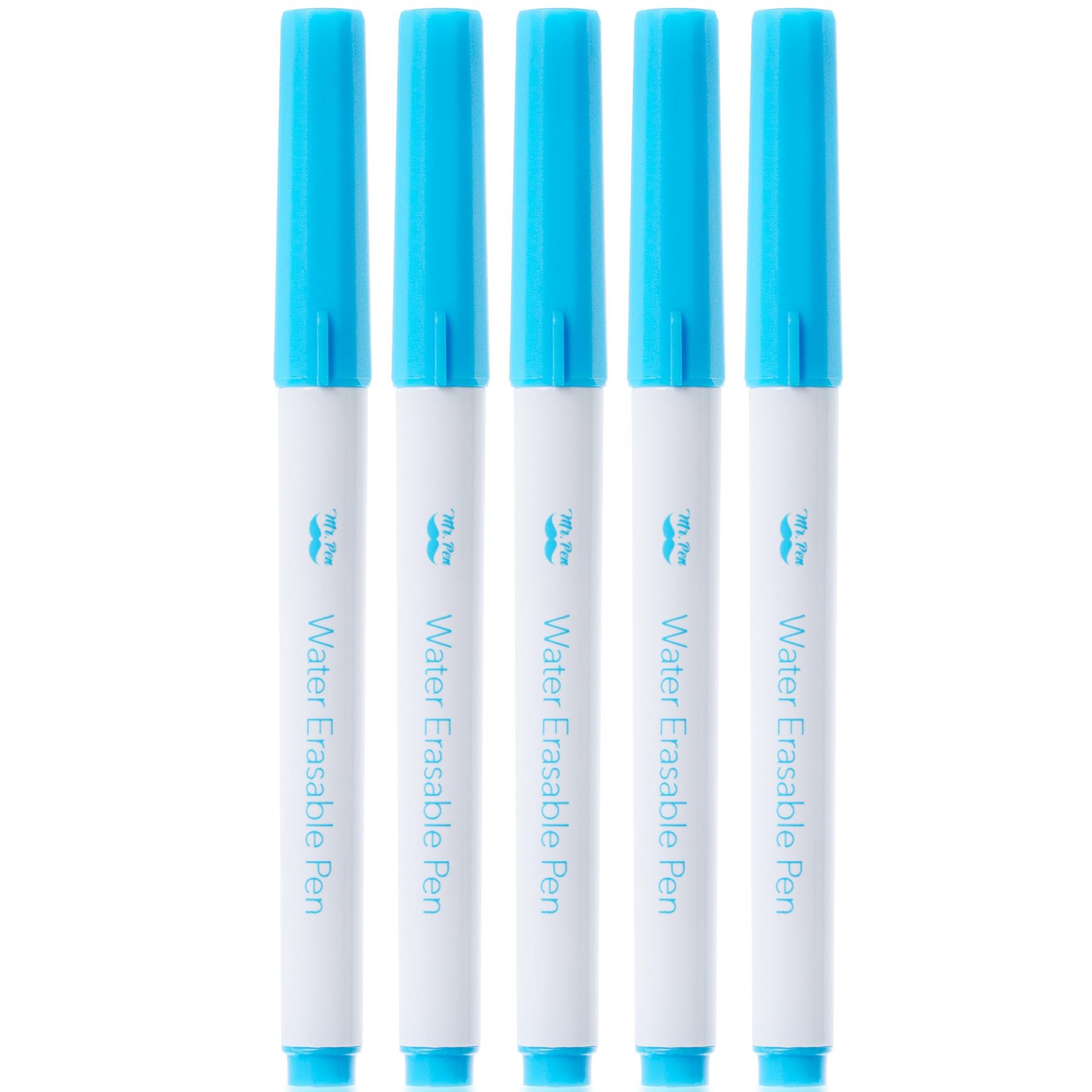
Professional 5-pack erasable fabric marking pen set featuring specialized water-soluble ink perfect for temporary marking on fabrics during tailoring, sewing, and crafting applications with smooth gliding action. These blue water-soluble pens deliver clean, fine lines essential for precise guidelines ensuring accurate cutting and sewing across various textile projects without permanent marking concerns. The complete set provides adequate supply for multiple projects while maintaining consistent line quality ideal for pattern transfer, dart marking, and seam allowance indication on light to medium-colored fabrics.
- 5 pens per set
- Water-soluble blue ink
- Erasable formulation
- Smooth fabric gliding
- Fine precise lines
- Perfect for tailoring
- Ideal for sewing projects
- Temporary marking solution
Heat Erasable Fabric Marking Pens Value Pack
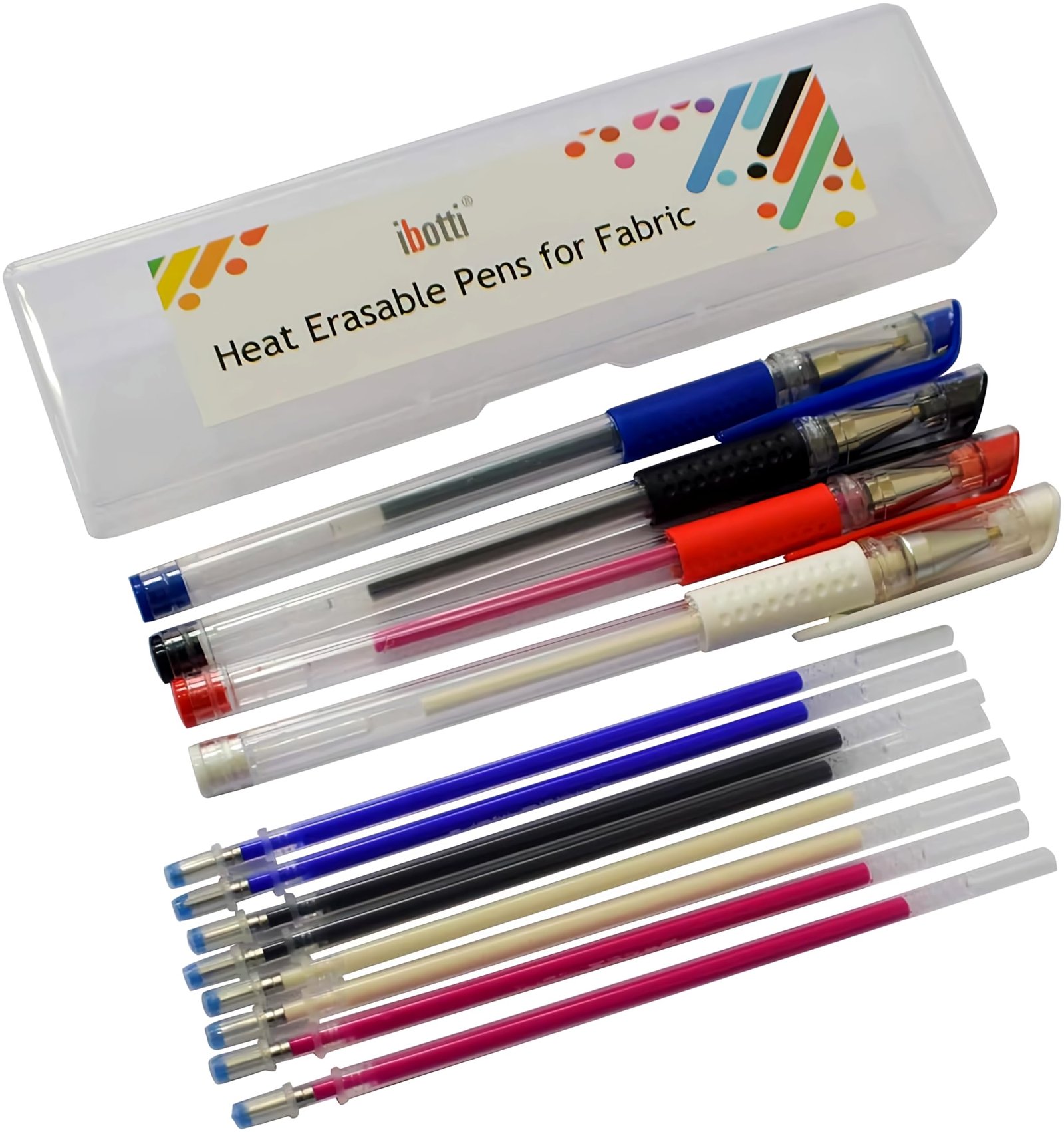
Comprehensive 8-piece heat erasable pen set with 64 refills providing exceptional value for quilting, embroidery, dressmaking, and tailoring with ultra-fine 0.5mm tips for precise marking. This extensive kit includes refills in four colors—black, white, red, and blue—satisfying different fabric color requirements while ensuring long-lasting use through numerous sewing projects. The ultra-fine tips write precise, smooth, clear lines easily making fabrics simple to measure and cut accurately while heat erasure provides controlled removal protecting delicate materials from water exposure or chemical interaction.
- 8 pens with 64 refills
- Four color options available
- Ultra-fine 0.5mm tips
- Heat erasable formulation
- Clear precise lines
- Perfect for quilting
- Ideal for embroidery
- Long-lasting supply
Using Joanns Fabric Markers Effectively
Achieving professional marking results requires proper technique including accurate placement, appropriate pressure, and correct removal methods. Testing markers on fabric scraps before marking final projects prevents disappointment and ensures compatibility between marker formulation and textile characteristics.
Proper Marking Technique
Position fabric on smooth, firm surfaces preventing bumps or wrinkles from distorting mark placement and creating uneven lines. Stabilize material using pattern weights or fabric clips ensuring fabric remains flat during marking without shifting positions that compromise accuracy.
Apply consistent light pressure when marking with Joann fabric markers maintaining steady speed for uniform line quality. Heavy pressure causes bleeding along fabric fibers while inconsistent pressure creates varying line widths compromising precision needed for accurate sewing construction.
Mark only necessary guidelines avoiding excessive marking that clutters fabric surfaces with confusing lines. Focus on crucial construction points including dart tips, pocket placements, fold lines, and match points leaving unmarked areas between for clearer visual organization during sewing.
Pattern Transfer Methods
Direct tracing works effectively for stable fabrics allowing you to position pattern pieces directly on material then mark around edges. Use fabric pencils or fine-point markers to trace pattern outlines and transfer internal markings through pattern perforations creating accurate fabric replicas.
Carbon paper methods suit detailed transfers requiring multiple markings simultaneously across complex pattern pieces. Place dressmaker’s carbon between pattern and fabric using tracing wheels to transfer lines then enhance faint marks with appropriate Joann fabric markers ensuring visibility throughout construction.
Pin-and-mark techniques provide precision for crucial points by securing patterns with pins at key locations then connecting points with markers. This method ensures accurate placement of darts, pockets, and alignment notches preventing pattern shift during marking that causes misalignment.
Testing Before Application
Cut fabric swatches matching your project material exactly testing marker behavior before marking final pieces. Apply test marks in various widths noting how markers interact with fiber structure including bleeding tendencies, visibility quality, and initial removal response.
Allow test marks to remain for realistic timeframes matching your expected construction schedule before attempting removal. Quick projects require brief testing periods while extended projects need marks left for days ensuring they’ll survive handling throughout actual construction timelines.
Test removal using manufacturer-recommended methods checking under different lighting conditions for ghost marks or residue. Examine test swatches in natural daylight, indoor lighting, and with directional light at angles revealing any remaining traces invisible under single lighting conditions.
Removing Fabric Marker Lines Successfully
Complete removal of marking lines enhances finished project appearance preventing visible guidelines from compromising professional results. Understanding proper removal techniques for different Joann fabric marker types ensures clean results without fabric damage or persistent ghost marks.
Water-Soluble Marker Removal
Spray marked areas with clean water from bottles creating fine mist that dissolves water-soluble marks without soaking fabric excessively. For stubborn marks dab gently with damp cloths avoiding aggressive rubbing that spreads pigment or damages delicate fibers.
Use cool water initially for removing water-soluble markers as hot water sometimes sets marks permanently rather than dissolving them. If cool water proves insufficient gradually increase temperature testing effectiveness between applications until marks disappear completely.
Launder completed projects containing water-soluble marks using normal washing procedures ensuring complete mark removal through water immersion. Most water-soluble Joanns markers disappear during first wash cycles leaving no traces on finished garments or textile projects.
Heat-Erasable Marker Removal
Set irons to appropriate temperatures for your fabric type before attempting heat-erasable marker removal preventing heat damage. Pass heated irons directly over marked areas watching marks disappear instantly confirming successful removal without requiring water or chemical treatments.
Use pressing cloths for delicate fabrics preventing direct iron contact that might scorch while still providing adequate heat for mark removal. Steam settings work effectively for some heat-erasable formulations though dry heat typically produces faster more complete erasure.
Remember that extreme cold temperatures can temporarily restore heat-erased marks creating ghost lines if projects enter freezers or very cold environments. These reappeared marks vanish again at room temperature so don’t panic if you notice them after cold storage.
Chalk Marker Removal
Brush chalk marks gently using soft cloths or specialized fabric chalk brushes sweeping particles away without grinding them into fabric texture. For embedded chalk in textured materials use slightly damp cloths lifting residue without saturating fabric unnecessarily.
Machine or hand wash items with remaining chalk residue ensuring complete removal through water agitation and rinsing. Chalk particles dissolve or release during washing leaving no permanent traces making chalk markers among the safest options for delicate or expensive fabrics.
Best Joanns Markers for Specific Applications
Different sewing applications benefit from specific marker types optimized for particular requirements including precision needs, fabric characteristics, and project timelines. Matching markers to applications ensures optimal visibility and appropriate removal characteristics for successful project completion.
Quilting Applications
Fine-point water-soluble markers excel for precise quilting work including quarter-inch seam allowances and intricate piecing requiring exact alignment. The thin lines these markers produce allow accuracy impossible with thicker chalk alternatives ensuring perfect points where multiple quilt pieces meet.
Heat-erasable gel pens suit marking complex quilting designs on quilt tops providing stable lines throughout hand or machine quilting processes. These markers remain visible during extended quilting sessions without fading prematurely then remove cleanly with iron application after quilting completes.
White ceramic pencils work excellently on dark quilting fabrics creating visible guidelines for straight-line quilting or curved designs. The fine lines these specialized pencils produce brush away easily after quilting without leaving residue in fabric texture or batting layers.
Embroidery Marking
Water-soluble fine-point markers transfer embroidery patterns precisely onto fabric creating guidelines that stitches will cover completely. The removable marks allow complex design transfer without permanent lines showing through gaps in embroidery coverage compromising finished appearance.
Heat-erasable pens benefit freestyle embroidery designs that evolve during creation allowing adjustments without water exposure that might affect fabric sizing. The marks remain stable during embroidery work then remove instantly with heat when embroidery completes leaving clean finished pieces.
Air-erasable markers suit quick embroidery projects completed within days where marks need visibility only temporarily. The self-disappearing nature eliminates removal steps though requires finishing embroidery before marks fade preventing loss of design guidelines mid-project.
Garment Construction
Standard blue water-soluble markers handle most garment construction marking including darts, pleats, buttonholes, and hemlines on light-colored fabrics. The marks provide clear visibility during construction then wash out completely during garment finishing creating professional results without permanent marking traces.
Chalk markers suit marking dark-colored garments where blue markers become invisible ensuring accurate construction of tailored pieces. White or yellow chalk pencils from Joanns create visible lines on black, navy, or deep-colored fabrics guiding precise sewing throughout construction.
Heat-erasable markers benefit complex garments requiring multiple fitting adjustments where marks must remain visible through extended construction. The stable marks survive handling during repeated try-ons and adjustments then remove cleanly when garment construction completes successfully.
Pro Tip: Always test Joann fabric markers on actual project fabric scraps before marking final pieces. Different fiber contents, weaves, and finishes interact uniquely with marker formulations so testing prevents unpleasant surprises including inadequate visibility, excessive bleeding, or incomplete removal compromising project success.
Common Fabric Marker Problems and Solutions
Understanding how to address common marking issues saves projects from failure and builds confidence in marker usage. Most problems have simple solutions when identified early preventing extensive rework or project abandonment.
Preventing Bleeding and Spreading
Markers bleeding along fabric fibers indicate excessive moisture content or incompatible formulations for specific textile structures. Switch to drier marking methods like chalk or wax-based markers preventing liquid penetration that follows fiber pathways creating fuzzy imprecise lines.
Test marker interaction with your fabric’s finish as sizing, water-repellent treatments, or special coatings affect mark behavior. Pre-washing removes finishes causing bleeding though eliminates benefits those treatments provide requiring balance between marking ease and fabric performance.
Addressing Incomplete Removal
Ghost marks remaining after following removal instructions indicate marker interaction with fabric dyes or finishes creating semi-permanent bonds. Try gentle fabric-safe stain removers applied sparingly though test in inconspicuous areas first preventing additional damage or discoloration.
For water-soluble marks resisting removal try soaking in cool water with mild soap allowing extended time for dissolution. Avoid hot water or harsh chemicals that might set marks permanently though gentle persistence usually achieves complete removal from most washable fabrics.
Solving Premature Fading
Marks disappearing before construction completes frustrate sewists particularly when working on complex projects requiring extended timelines. Switch to more stable marker types like heat-erasable pens that remain visible indefinitely at room temperature surviving humid conditions that dissolve water-soluble alternatives.
Store marked fabric in controlled environments away from heat, humidity, or air circulation that accelerates marker fading. Cover marked pieces with clean fabric preventing air exposure that causes air-erasable markers to fade prematurely before construction completes.
Managing Visibility Issues
Insufficient mark visibility creates construction errors particularly on printed or textured fabrics where guidelines blend into background patterns. Choose marker colors contrasting strongly with fabric base tones or consider marking on wrong sides when fabric construction allows hidden guidelines.
Improve lighting conditions when working with low-contrast markers using directional task lighting that highlights marked lines. Strategic light positioning at angles across fabric surfaces creates shadows emphasizing indented chalk marks or enhancing subtle color differences.
Storing and Maintaining Joann Fabric Markers
Proper storage extends marker lifespan ensuring reliable performance across multiple projects while preventing premature drying or formulation deterioration. Following recommended storage practices protects marker investments and guarantees marking tools remain ready when needed.
Optimal Storage Conditions
Store fabric markers horizontally in cool dry locations away from direct sunlight preventing ink settling or temperature extremes triggering chemical changes. Ensure caps seal tightly after each use preventing air exposure that dries liquid markers or activates air-erasable formulations prematurely.
Keep markers in airtight containers or dedicated storage cases maintaining consistent humidity levels preventing moisture absorption in dry climates or excess humidity in damp environments. Organize markers by type and color for easy selection during projects avoiding time wasted searching through mixed collections.
Separate heat-erasable markers from other types preventing accidental heat exposure during storage that could trigger mark disappearance. Store these specialized markers away from heating vents, sunny windows, or warm appliances maintaining room temperature consistently.
Extending Marker Life
Replace caps immediately after marking preventing even brief air exposure that begins drying processes in liquid markers. Test markers periodically on scrap fabric confirming consistent line quality and removal characteristics before using on actual projects.
Revive slightly dried water-based markers by adding tiny drops of distilled water to ink reservoirs though use this technique sparingly. Excessive water dilution weakens pigment concentration reducing mark visibility and potentially affecting removal characteristics.
Sharpen chalk pencils regularly using fine sandpaper or specialized sharpeners maintaining precise points for detailed work. Keep extra chalk pencil refills on hand for convenient replacement when current pencils wear down ensuring uninterrupted project progress.
Recognizing Replacement Needs
Replace markers producing inconsistent line quality including skipping, varying widths, or significantly lighter marks than when new. These symptoms indicate depleted ink reservoirs or dried formulations no longer suitable for reliable marking requiring fresh replacements.
Discard markers showing color changes particularly water-soluble types shifting from original blue or purple hues suggesting chemical degradation. Changed formulations may not remove as expected potentially leaving permanent marks on completed projects.
Test removal characteristics periodically on scrap fabric ensuring markers still perform as designed removing completely without ghost marks. Markers leaving residue despite proper removal techniques have likely exceeded their useful lifespan requiring replacement regardless of remaining ink.
Advanced Marking Techniques
Mastering advanced marking techniques elevates sewing precision allowing professional-quality results across challenging projects. These specialized approaches address unique situations standard marking methods handle inadequately.
Multi-Layer Marking
Transfer marks through multiple fabric layers simultaneously using carbon paper and tracing wheels saving time on projects requiring identical markings. Position fabric layers precisely using pins then trace once transferring guidelines to all layers ensuring perfect alignment.
Mark corresponding points on separate pattern pieces using matching notation systems ensuring accurate assembly. Number or letter coordinate markings using fabric pencils creating reference systems preventing confusion during construction of complex multi-piece projects.
Marking Specialty Fabrics
Handle slippery fabrics like silk or satin by placing tissue paper underneath during marking providing stable surfaces preventing fabric shift. Use lightest possible marker pressure preventing distortion while maintaining visibility removing tissue after marking completes.
Mark pile fabrics including velvet using pin insertion at key points rather than direct fabric marking avoiding matted areas or permanent impressions. Place pins with heads indicating direction then construct following pin placement removing pins progressively as sewing completes sections.
Address sheer fabrics by marking on contrasting paper backgrounds improving line visibility during application. Use finest markers available creating minimal visible lines that blend into sheer fabric structure or position marks where seams or hems will cover them.
Creating Custom Guidelines
Draw custom seam allowances using rulers and Joann fabric markers adjusting standard pattern allowances for specific techniques. Mark multiple parallel lines creating visual guides for topstitching, edge stitching, or decorative details requiring consistent spacing.
Design fitting adjustments directly on fabric using markers to indicate alterations during try-on sessions. Mark tucks, releases, or repositioned seams on actual garments then transfer adjustments to pattern pieces creating permanent records of successful modifications.
Fabric Markers for Decorative Applications
Beyond construction marking Joanns fabric markers enable creative embellishment adding personalized details transforming basic projects into unique creations. Permanent fabric markers designed for decorative use open artistic possibilities limited only by imagination.
Permanent Marker Options
Permanent fabric markers from Joann contain dyes bonding with textile fibers surviving repeated washing and wear without fading. These specialized markers suit decorative applications including custom designs on clothing, personalized labels, and artistic embellishment requiring long-term durability.
Heat-setting permanent markers according to manufacturer instructions ensures maximum color longevity and wash resistance. Press marked areas with appropriate iron temperatures allowing chemical bonds to form between dyes and fibers creating truly permanent designs.
Creative Marking Projects
Design custom t-shirts, fabric bags, and accessories using permanent markers for unique personalized items. Sketch designs freehand or trace patterns creating one-of-a-kind pieces impossible to purchase commercially showcasing individual artistic style.
Add embroidery guidelines using removable markers then enhance finished embroidery with permanent marker details too fine for effective stitching. Combine techniques creating rich mixed-media textile art blending thread work with drawn elements for dimensional visual interest.
Create memory quilts featuring signatures or messages using permanent fabric markers allowing friends and family to contribute personal touches. Provide fabric squares at gatherings collecting handwritten sentiments then assemble into meaningful heirloom quilts preserving memories permanently.
Frequently Asked Questions
Water-soluble blue markers represent the best choice for beginning sewists offering reliable visibility on light fabrics with foolproof removal through simple washing. These markers provide forgiving performance since marks wash away completely even if application proves imperfect and fine-point versions deliver precision suitable for learning accurate pattern transfer. Joanns carries quality water-soluble marker brands including Mr. Pen that combine affordability with consistent performance ideal for building confidence while developing marking skills through practice on various projects.
Stubborn fabric marker residue sometimes responds to gentle treatment with mild soap and cool water allowing extended soaking time for mark dissolution. Try dabbing problem areas with fabric-safe stain removers designed for delicate textiles though always test in inconspicuous spots first preventing additional damage or discoloration. For heat-erasable markers resisting water removal try applying appropriate heat with an iron or hair dryer as these formulations respond to temperature rather than moisture. Avoid harsh chemicals or bleach that damage fabric fibers potentially causing worse problems than remaining marker traces.
Most Joann fabric markers work successfully across many fabric types though individual formulations perform differently on various textiles requiring testing before final application. Natural fibers like cotton and linen accept water-soluble and chalk markers readily while synthetic fabrics sometimes resist absorption requiring heat-erasable or specialized formulations. Delicate fabrics including silk demand extra caution with fine-point markers applied gently preventing fiber damage while heavy materials like canvas accommodate most marker types successfully. Always test markers on actual project fabric scraps confirming both visibility and complete removal before marking finished pieces.
Mark visibility duration varies significantly by marker type with water-soluble versions remaining visible indefinitely when kept dry while air-erasable markers fade within 24-72 hours regardless of handling. Heat-erasable pens from Joanns provide stable marks at room temperature lasting weeks or months until deliberately removed with heat application. Environmental conditions affect all marker types with humidity accelerating water-soluble marker fade and heat potentially triggering premature disappearance of heat-erasable formulations. Plan project timelines matching marker characteristics ensuring marks remain visible throughout construction without fading before completing relevant sewing steps.
Yes, Joanns carries fabric markers specifically designed for quilting applications providing safe reliable marking for piecing and quilting design transfer. Water-soluble fine-point markers excel for precise quarter-inch seam allowances while heat-erasable pens suit marking quilting designs on completed quilt tops. Ceramic pencils and chalk markers work excellently on dark quilting fabrics ensuring visibility throughout construction then removing completely without residue in batting or backing layers. Always test markers on actual quilt fabric scraps before marking final pieces confirming complete removal preserves quilt appearance and doesn’t compromise long-term integrity.
Permanent fabric markers contain dyes bonding chemically with textile fibers creating marks surviving repeated washing intended for decorative applications becoming permanent design elements. Washable markers use formulations designed for temporary construction guidance dissolving with water, heat, or air exposure leaving no traces after serving their marking purpose. Choose permanent markers for artistic embellishment, personalized labels, or custom fabric designs requiring long-term durability while selecting washable versions for pattern marking, construction guidelines, and temporary references that should disappear from finished projects leaving clean professional results.
Absolutely, Joanns fabric markers work excellently for embroidery pattern transfer with water-soluble fine-point markers providing precise guidelines that stitches cover or wash away after completion. Heat-erasable pens benefit freestyle embroidery designs allowing pattern adjustments during work without water exposure affecting fabric while air-erasable markers suit quick embroidery projects completing within days. Test marker visibility under your fabric and thread colors ensuring guidelines show clearly during stitching then remove completely without ghost marks showing through embroidery gaps. Many embroiderers keep multiple marker types available selecting optimal options for each project’s specific fabric and design requirements.
Related Resources
- Fabric Pencil – Precision marking tools
- Fabric Chalk – Traditional markers
- Fabric Scissors – Cutting essentials
- Fabric Clips – Securing materials
- Fabric Iron – Heat-setting tools
- Canvas Fabric – Heavy materials
- Fabric Adhesive – Alternative bonding
- Fabric Bags – Project applications
- Grommet Kit – Hardware installation
- Sewing Machines – Construction equipment
- Cutting Board Large – Work surfaces
- Fabric Ribbon – Decorative accents
- Outdoor Fabric – Weather-resistant projects
- Fabric Stencils – Pattern guides
Achieve Precision with Quality Marking Tools
Joanns fabric markers provide essential tools for accurate sewing construction enabling clear pattern transfer, precise seam placement, and professional results across all project types. The specialized formulations deliver reliable visibility during construction then remove completely when finished without damaging textiles or leaving permanent traces that compromise appearance.
Whether marking intricate quilting designs, transferring embroidery patterns, or indicating garment construction details, appropriate marker selection ensures optimal results. Understanding marker characteristics including removal methods, fabric compatibility, and visibility requirements guarantees successful marking experiences building confidence and improving sewing outcomes.
Start your sewing projects with quality Joann fabric markers, appropriate cutting tools, and reliable sewing equipment creating professional finished pieces showcasing expert craftsmanship and attention to detail through precise marking and accurate construction.