
Jacquard Fabric Paint: Complete Guide to Choosing and Using Textile Paint for Projects
Permanent, Colorfast, and Professional Jacquard Fabric Paint for Clothing, Home Decor, and Creative Textile Projects
Jacquard fabric paint delivers professional-grade color that bonds permanently with textile fibers, creating vibrant designs that withstand repeated washing and wear. These specially formulated paints maintain fabric softness while providing brilliant, lasting color perfect for clothing customization, home decor projects, and artistic textile creations.
Understanding how Jacquard paint works and selecting the right formulation ensures exceptional results on everything from cotton t-shirts to upholstery fabrics. The advanced chemistry behind these paints creates flexible, durable finishes that never crack, peel, or fade like ordinary acrylic paints applied to fabric.
What Makes Jacquard Fabric Paint Different
Jacquard fabric paint contains ultra-fine pigment particles suspended in flexible acrylic polymers that penetrate fabric fibers rather than coating surfaces. This molecular bonding creates permanent color that moves naturally with fabric instead of forming stiff, brittle layers that crack with use.
The specialized chemistry ensures colors remain vibrant through dozens of wash cycles when properly heat-set, making these paints ideal for wearable art and frequently-used textiles. Unlike regular craft painting supplies, Jacquard formulations maintain the natural drape and feel of fabrics while delivering professional color intensity.
Superior Pigment Technology
The microscopic pigment particles in Jacquard paint penetrate deeply into fabric structures, creating bonds at the fiber level rather than surface coating. This technology explains why properly set Jacquard designs remain soft and flexible instead of becoming stiff or rubbery.
Premium pigment concentrations mean you achieve rich, saturated colors with fewer coats compared to standard fabric paints. Most projects require just one or two thin applications instead of multiple heavy layers that stiffen fabric.
Permanent vs Temporary Formulations
Jacquard’s permanent paint lines create lasting designs intended to withstand numerous wash cycles without significant color loss. These formulations require heat-setting with an iron or dryer to activate the bonding process between pigment and fabric fibers.
The company also produces specialty formulations for specific effects including metallic finishes, opaque coverage for dark fabrics, and transparent colors for watercolor-like techniques. Each line addresses different creative needs while maintaining Jacquard’s quality standards.
Comparison to Regular Acrylic Paint
Regular acrylic paint creates a stiff surface layer on fabric that cracks and peels with washing or wear. Jacquard fabric paint remains flexible because the polymers are specifically engineered to move with textile fibers rather than forming rigid films.
The specialized chemistry in fabric paint also ensures better color retention through washing compared to acrylics that gradually fade or wash away. This permanence makes Jacquard suitable for functional items like clothing and fabric bags that endure regular use.
Jacquard Product Lines Explained
Jacquard manufactures several specialized paint lines, each designed for specific effects and applications. Understanding which formulation suits your project ensures optimal results without trial and error.
Textile Color Collection
The versatile Textile Colors line offers water-based paints perfect for most fabric projects including clothing, home decor, and craft applications. These work beautifully on cotton, linen, silk, and blended materials with excellent coverage and color intensity.
You can apply Textile Colors with brushes, stamps, fabric stencils, or even airbrush equipment when properly diluted. The formulation dries soft and maintains fabric hand better than most competing brands.
Lumiere Metallic Paints
Lumiere paints create stunning metallic, pearlescent, and iridescent finishes that catch light beautifully on any fabric color. The shimmery effects add professional polish to designs without requiring special application techniques.
These metallic formulations work on both light and dark fabrics, maintaining their brilliant shine through washing and wear. Mixing Lumiere with Textile Colors creates custom metallic shades unavailable in pre-mixed formulations.
Neopaque Opaque Colors
Neopaque provides exceptional opacity specifically designed for painting bright colors on dark fabrics. Where regular paints require multiple coats, Neopaque achieves crisp coverage in just one or two applications.
The high pigment concentration solves the common problem of trying to paint light colors on black or navy materials. This formulation eliminates the frustration of seeing dark fabric show through your design.
Dye-Na-Flow Transparent Colors
Dye-Na-Flow behaves more like liquid dye than traditional paint, flowing and blending to create watercolor-like effects. The highly fluid consistency makes it ideal for tie-dye techniques, gradient blending, and artistic applications.
Because these colors are transparent, they work best on white or light-colored fabrics where the pigments can show their full brilliance. They’re perfect for creating artistic pieces on canvas fabric or natural fiber textiles.
Choosing the Right Fabric for Painting
Natural fiber fabrics like cotton, linen, silk, and rayon accept Jacquard paint most readily because their absorbent structures allow deep pigment penetration. The paint bonds strongly with these materials, creating lasting color that survives repeated washing.
Cotton-polyester blends also work well with most Jacquard paints, though higher cotton content typically produces better results. The natural fibers provide bonding sites for dye molecules while polyester adds durability to the finished piece.
Working with Synthetic Fabrics
Pure synthetic fabrics like polyester and nylon present challenges for standard fabric paints because their smooth surfaces resist dye penetration. Jacquard’s Neopaque and Lumiere lines work better on synthetics than regular Textile Colors.
Pre-treating synthetic fabrics with fabric primer improves paint adhesion and color vibrancy. Some outdoor fabrics also benefit from primer application before painting to ensure maximum durability.
Fabric Preparation Steps
Always pre-wash fabrics before painting to remove sizing, manufacturing finishes, and fabric softener residues that prevent proper paint bonding. Use mild detergent and skip fabric softeners that create barriers between fabric and paint.
Ironing fabrics smooth before painting ensures even color application without wrinkles affecting design quality. Place cardboard or thick paper inside garments to prevent paint bleeding through to opposite sides during application.
Jacquard Textile Color Fabric Paint
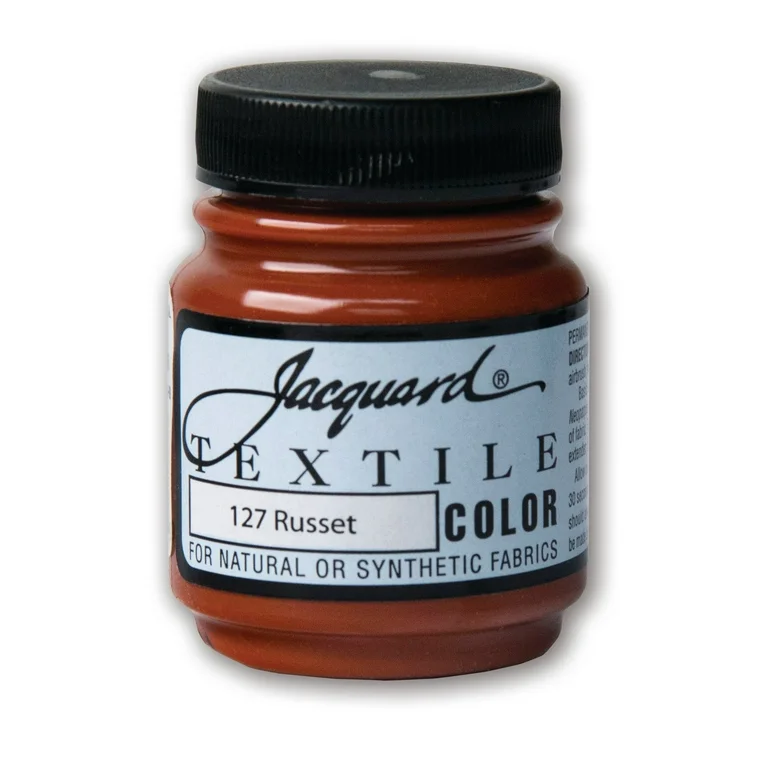
Professional-grade textile paint featuring brilliant permanent colors that bond with fabric fibers for exceptional wash-fastness and durability. This versatile formulation works on clothing, furniture upholstery, shoes, tote bags, and both indoor and outdoor fabric projects creating lasting designs that never chip, crack, or peel. The colorfast formula maintains vibrant color through repeated washing and wear while preserving fabric softness and natural drape making it perfect for wearable art, home decor, and craft projects requiring professional results.
- Permanent colorfast formulation
- Never chips, cracks, or peels
- Heat-sets with iron or dryer
- Maintains fabric softness
- Works on natural and synthetic fibers
- Brilliant permanent colors
- Professional-quality results
- Safe for indoor and outdoor use
Essential Application Techniques
Achieving professional results with Jacquard paint requires proper technique including steady hand control and appropriate brush pressure. Practicing on fabric scraps before working on final projects builds confidence and reveals how specific paints behave on your chosen material.
Brush Application Methods
Use synthetic brushes for detailed work and foam brushes for covering larger areas smoothly when applying Jacquard paint. Quality brushes create even color without streaking or patchy coverage that ruins professional appearance.
Apply paint in thin, even layers rather than thick applications that stiffen fabric or crack when dry. Multiple thin coats build depth and dimension while maintaining flexibility essential for wearable items.
Keep brushes damp with water during painting sessions to prevent paint drying in bristles, but avoid adding excessive water that dilutes color intensity. Clean brushes thoroughly after each session using mild soap and warm water.
Stenciling for Precision
Secure stencils to fabric using removable spray adhesive or painter’s tape to prevent shifting during paint application. Load stencil brushes sparingly with paint and use stippling motions rather than brushing strokes.
This pouncing technique prevents paint from seeping under stencil edges, giving you crisp, clean lines. The same approach works whether using commercial fabric stencils or homemade designs cut from template plastic.
Stamping Techniques
Apply paint to stamps using foam brushes or by pressing stamps onto paint-saturated sponges for even coverage. Practice on scrap fabric first to ensure proper paint loading and pressure.
Press firmly and evenly without sliding the stamp to create clear impressions without smudging. Lift stamps carefully while paint is still wet to avoid pulling up partially-dried paint that creates messy edges.
Combining with Other Tools
Jacquard paint pairs beautifully with fabric markers for adding fine details or outlining painted designs. The combination of brush-applied color and marker precision creates professional-looking dimensional effects.
Use fabric chalk to sketch complex designs before painting, ensuring accurate placement and proportions. The chalk washes away completely after your paint is properly heat-set.
Heat-Setting for Permanent Results
Properly heat-setting Jacquard paint transforms temporary color into permanent designs that withstand washing and wearing. This crucial step activates binding agents in the paint formula, creating stronger bonds between pigment and fabric fibers.
Iron Method
Allow painted designs to dry completely for at least 24 hours before heat-setting, ensuring paint has fully penetrated fabric. Premature heat application can cause smearing or incomplete bonding that compromises durability.
Place thin cotton cloth over dried designs before ironing to protect fabric and iron surface from direct contact with paint. Set iron to temperature appropriate for fabric type, typically cotton or linen setting for natural fibers.
Press firmly on covered design for 3-5 minutes per section, moving iron slowly across entire painted area. Avoid sliding motion that might smear partially-set paint, instead lifting and repositioning for thorough heat distribution.
Dryer Setting Method
Tumble drying on high heat for 30-45 minutes provides alternative heat-setting for items that might be damaged by direct iron contact. This method works well for three-dimensional items or pieces with embellishments that prevent flat ironing.
Place painted items in dryer alone or with similar-colored fabrics to prevent potential dye transfer during setting process. The consistent heat exposure throughout drying cycle ensures thorough setting across entire design.
Verifying Setting Success
Test heat-setting effectiveness by gently rubbing painted area with damp white cloth after cooling. Properly set Jacquard paint should not transfer to cloth, indicating successful permanent bonding.
Conducting first wash test on hot cycle with regular detergent reveals true permanence of paint application. Significant color loss indicates inadequate heat-setting requiring touch-up and proper setting before further use.
Pro Tip: Always test Jacquard paint on fabric scraps matching your project material before working on final pieces. Different fabric types and weaves affect how paint spreads and absorbs, revealing potential issues like bleeding or inadequate coverage before they ruin completed projects.
Popular Jacquard Paint Projects
Jacquard fabric paint enables countless creative projects ranging from simple personalization to complex artistic endeavors. The permanent nature and brilliant colors suit both functional items and decorative art pieces.
Custom Clothing Designs
Personalizing plain t-shirts with hand-painted designs transforms basic garments into unique fashion statements. Jacquard’s brilliant colors and soft finish make painted clothing comfortable to wear while showcasing individual creativity.
Adding painted details to existing garments refreshes worn items or enhances simple designs with custom color and pattern. Outlining faded prints or adding dimensional effects brings new life to older pieces.
Creating matching painted outfits for special events or family gatherings builds cohesive looks impossible to find in stores. The permanence ensures designs last through the event and many wears afterward.
Home Decor Applications
Designing custom throw pillows with painted illustrations adds personal touches to living spaces matching specific color schemes. Nature-inspired designs using Jacquard’s rich color palette create calming, sophisticated aesthetics.
Decorating plain kitchen towels with painted patterns or monograms elevates everyday items into thoughtful handmade gifts. The wash-fastness ensures designs survive frequent laundering essential for functional kitchen textiles.
Customizing upholstery fabric with painted accents personalizes furniture pieces and coordinates with room decor. The durable paint withstands the friction and wear that upholstered furniture endures daily.
Artistic Textile Creations
Creating painted wall hangings or textile art pieces showcases Jacquard’s brilliant colors and professional finish. The permanent nature ensures artwork maintains its vibrancy through years of display.
Designing custom fabric bags with unique painted artwork transforms basic totes into distinctive accessories. The durable paint withstands daily bag usage better than temporary decoration methods.
Illustrating children’s fabric books with Jacquard paint creates washable educational tools that survive inevitable spills and frequent cleaning. The non-toxic formulations ensure safe handling by young children.
Color Mixing and Customization
Jacquard paints follow standard color theory principles, allowing you to mix custom shades for truly unique projects. Start with small amounts and keep detailed notes on ratios when you create colors worth reproducing.
Basic Mixing Guidelines
Combine primary colors (red, yellow, blue) to create secondary colors (orange, green, purple) just as you would with any paint medium. Add white to lighten colors or black to deepen shades for expanded palette options.
The paints blend predictably and consistently, making color matching reliable across multiple painting sessions. This consistency proves essential for projects requiring exact color reproduction or multiple identical items.
Creating Special Effects
Mix Textile Colors with Lumiere metallics to add subtle shimmer to solid colors without overwhelming sparkle. This technique creates sophisticated effects unavailable in pre-mixed formulations.
Layer complementary colors while still wet to achieve depth and dimension in designs. The paints blend smoothly at boundaries without creating muddy transitions when you work quickly before drying.
Experiment with different metallic colors mixed into standard Jacquard paints for unique custom finishes. Small amounts of metallic added to regular colors create subtle luminosity perfect for elegant designs.
Maintaining Painted Fabrics
Properly maintained Jacquard painted designs retain color vibrancy through years of use and numerous washings. Following recommended care guidelines ensures your creative investment lasts as long as the fabric itself.
Washing Best Practices
Wait at least 72 hours after heat-setting before washing painted items for first time, allowing complete chemical curing. This patience ensures maximum permanence before exposure to water and detergent.
Turn painted items inside-out before washing to protect designs from direct agitation and friction against other garments. This simple step significantly extends design life by reducing surface wear during washing.
Use cold water and mild detergent instead of hot water and harsh cleaners to maintain color better. Avoid chlorine bleach and oxygen brighteners that can gradually degrade paint bonds through chemical interaction.
Drying and Storage
Air drying painted items when possible prevents repeated heat exposure that gradually fades even properly set designs. Line drying also eliminates dryer friction that wears surface colors over time.
If machine drying becomes necessary, use low heat settings to minimize thermal stress on paint bonds. Remove items promptly when dry to prevent extended heat exposure in hot drum.
Store painted items away from direct sunlight to prevent UV-induced fading affecting all fabric colors including Jacquard paints. Even fade-resistant formulations benefit from protective storage between uses.
Refreshing Designs
Over time and many washes, even quality Jacquard designs may show slight fading requiring touch-ups. Reapply matching paint colors followed by proper heat-setting to restore original vibrancy.
Compare current items to photos of original designs to identify subtle fading before it becomes pronounced. Early intervention maintains better overall appearance than waiting for obvious degradation.
Troubleshooting Common Problems
Understanding how to address Jacquard paint problems saves projects from failure and builds confidence in application techniques. Most issues have simple solutions when identified early.
Preventing Color Bleeding
Excessive paint bleeding indicates overly wet fabric, too much added water, or incompatible fabric type. Ensure fabric is completely dry before painting and avoid diluting paint more than necessary for desired effects.
Pre-treating challenging fabrics with spray starch creates better paint-accepting surfaces without changing fabric appearance. This temporary treatment improves color control on synthetic or loosely-woven materials.
Placing absorbent paper behind painted areas soaks up excess paint preventing bleed-through to opposite sides. Change paper frequently during extensive painting sessions to maintain absorption effectiveness.
Achieving Even Coverage
Patchy or streaky coverage often results from insufficient paint on brush or inconsistent pressure during application. Load brushes adequately with paint but avoid excess that causes drips or bleeding.
Overlapping brush strokes while paint remains wet creates seamless fills without visible individual lines. Work quickly in small sections to prevent premature drying that makes blending impossible.
For large areas requiring solid color, consider using foam rollers designed for fabric painting instead of brushes. Rollers provide more even coverage with less visible texture than brush strokes.
Paint Storage Tips
Store Jacquard paint bottles tightly sealed in cool, dry locations away from direct sunlight to maintain consistency. Temperature extremes can affect paint texture and performance over time.
Shake bottles vigorously before each use to redistribute pigments that naturally settle during storage. This ensures consistent color intensity throughout entire bottle rather than diluted initial applications.
Keep fabric scissors and other painting tools organized with paint supplies for efficient project setup. Dedicated storage prevents loss and maintains readiness for spontaneous creative sessions.
Advanced Painting Techniques
Once you master basic Jacquard paint application, experimenting with advanced techniques expands creative possibilities. These methods create effects impossible with simple brush strokes alone.
Creating Ombré Effects
Gradually blend paint from dark to light across fabric surface to create smooth color transitions. Work quickly while paint remains wet, using clean damp brush to soften boundaries between shades.
This technique works beautifully on items like scarves, curtains, or wall hangings where gradient effects add visual interest. Multiple color ombré creates even more dramatic results than simple two-color transitions.
Resist Techniques
Apply wax, glue, or commercial resist products to fabric before painting to create patterns where paint won’t adhere. Remove resist after painting and heat-setting to reveal unpainted fabric beneath.
This method creates unique negative-space designs impossible to achieve with direct painting alone. Experiment with different resist materials to discover varied texture effects.
Dimensional Painting
Build up layers of paint to create texture and dimension in designs, allowing each layer to dry completely before adding the next. This technique works especially well for abstract art and nature-inspired subjects.
Combine matte Textile Colors with shimmery Lumiere paints in the same design for contrast and visual interest. The interplay between finishes adds professional polish unavailable with single-formula projects.
Working with Character Fabrics
Enhance pre-printed fabrics featuring popular characters by adding painted accents or highlights with Jacquard paint. This customization makes commercial prints like Harry Potter fabric or Marvel fabric even more unique.
Paint coordinating designs on solid fabrics to complement printed materials in quilts or home decor projects. Matching paint colors to printed fabrics creates cohesive, professional-looking finished pieces.
Purchasing and Storing Jacquard Paint
Sourcing quality Jacquard products ensures project success through consistent performance and color accuracy. Knowing where to find supplies and how to store them properly prevents waste and disappointment.
Where to Buy
Art supply stores typically carry comprehensive Jacquard selections with knowledgeable staff who can answer technical questions. These specialty retailers often stock the full range including harder-to-find specialty formulations.
Online retailers provide access to complete Jacquard catalogs with detailed product information and customer reviews. Comparing prices across multiple websites helps find best values on quality supplies.
Watch for sales during events like holiday shopping periods to stock up on frequently-used colors at reduced prices. Building your collection during sales makes this premium paint more affordable.
Starting Your Collection
Begin with primary colors (red, yellow, blue) plus black and white in the Textile Color line for maximum mixing versatility. This basic palette lets you create virtually any color while keeping initial investment manageable.
Add specialty formulations like Lumiere or Neopaque as specific projects require them rather than buying comprehensive sets immediately. Building gradually based on actual needs prevents accumulating unused supplies.
Consider purchasing complete painting sets that include brushes and accessories along with multiple paint colors. These bundled options often provide better value than buying components separately.
Organizing Supplies
Store Jacquard paint with other fabric crafting supplies including cutting boards and marking tools for efficient project setup. Dedicated storage prevents supplies from becoming scattered across different locations.
Label paint bottles with purchase dates and track usage to identify favorite colors worth buying in larger sizes. This organization prevents running out of essential colors mid-project.
Safety and Environmental Considerations
Using Jacquard paint responsibly includes attention to safety practices and environmental impact. Modern formulations address many traditional paint concerns while maintaining professional performance.
Safe Usage Practices
Work in well-ventilated areas even though Jacquard’s water-based formulations emit fewer fumes than solvent-based paints. Good air circulation keeps workspace comfortable during extended painting sessions.
Protect work surfaces with plastic sheeting or newspaper since fabric paint can stain porous materials. Keep paper towels and clean water nearby for immediate cleanup of spills.
Wash hands thoroughly after painting sessions before eating or touching face to prevent accidental ingestion. While Jacquard paints are non-toxic, basic hygiene practices remain important.
Child-Safe Options
Many Jacquard formulations feature non-toxic, low-odor chemistry specifically safe for supervised children’s use. Look for products labeled non-toxic and conforming to safety standards for young artists.
Provide protective smocks and encourage immediate hand-washing after painting to maintain cleanliness. Supervise children to ensure proper paint handling and prevent accidental messes.
Eco-Friendly Practices
Choose Jacquard’s water-based formulations over solvent-based alternatives to reduce environmental impact. The water-based chemistry produces fewer volatile organic compounds during application and drying.
Dispose of paint water and cleaning materials responsibly according to local regulations rather than pouring directly into drains. Many communities offer special collection for craft supply waste.
Frequently Asked Questions
Yes, Jacquard fabric paint becomes permanently bonded to fabric fibers when properly heat-set, creating designs that withstand repeated washing and wear without fading or peeling. The paint penetrates fabric at molecular level rather than coating the surface, ensuring long-term durability through normal use and laundering cycles with proper care maintaining vibrancy for years.
Natural fiber fabrics including cotton, linen, silk, and rayon work best with Jacquard paint because their absorbent structures allow deep pigment penetration and strong bonding. Cotton-polyester blends with higher cotton content also accept paint well, while pure synthetic fabrics require specialized formulations like Neopaque or Lumiere for optimal adhesion and color vibrancy on smooth fiber surfaces.
Heat-set Jacquard paint by allowing designs to dry completely for 24 hours, then covering with thin cotton cloth and pressing with hot iron for 3-5 minutes per section at appropriate fabric temperature. Alternatively, tumble dry painted items on high heat for 30-45 minutes. Proper heat-setting activates binding agents creating permanent bonds between paint and fabric fibers ensuring wash-fastness and durability.
Yes, Jacquard’s Neopaque line provides excellent opacity specifically designed for painting bright colors on dark fabrics with crisp coverage in one or two coats. Standard Textile Colors work better on light to medium fabrics, while Neopaque’s high pigment concentration ensures visibility on black, navy, or other dark backgrounds. Lumiere metallics also show beautifully on dark fabrics with their reflective finishes.
No, properly applied and heat-set Jacquard fabric paint never cracks or peels because the flexible polymer formulation moves with fabric fibers rather than forming rigid surface layers. The specialized chemistry maintains softness and drape while providing permanent color, unlike regular acrylic paint that becomes brittle and cracks with washing or wear. Applying thin layers and proper heat-setting ensures maximum flexibility and durability.
Yes, Jacquard fabric paints mix beautifully following standard color theory to create unlimited custom shades with predictable, consistent results. Combine primary colors to create secondaries, add white for tints or black for shades, and mix different product lines like Textile Colors with Lumiere for custom metallic effects. Keep detailed notes on ratios when creating colors you want to reproduce later.
Unopened Jacquard fabric paint lasts 2-3 years when stored properly in cool, dry conditions away from temperature extremes. Opened bottles remain usable for 6-12 months with tightly sealed caps preventing air exposure and drying. Shake bottles before each use to redistribute settled pigments ensuring consistent color intensity. Properly heat-set painted designs on fabric last indefinitely through years of use and washing.
Related Resources
- Painting Sets – Complete paint collections
- Paint Pens – Precision application tools
- Gold Paint – Metallic color options
- Red Paint – Vibrant color selection
- Fabric Stencils – Design templates
- Fabric Iron – Heat-setting equipment
- Canvas Fabric – Ideal painting surface
- Outdoor Fabric – Weather-resistant materials
- Fabric Chalk – Temporary marking
- Fabric Pencil – Design sketching
- Brown Markers – Complementary tools
- Fabric Bags – Project applications
- Cutting Boards – Work surface protection
- Black Friday Deals – Sale opportunities
Transform Fabrics with Professional Paint
Jacquard fabric paint provides professional-grade tools for textile customization, artistic expression, and creative projects requiring permanent, brilliant color. The specialized formulations deliver lasting results that survive years of use and washing while maintaining fabric softness and natural drape.
Whether painting clothing designs, decorating home textiles, or creating artistic fabric pieces, quality paint application and proper heat-setting ensure maximum durability. Understanding paint selection, application techniques, and care requirements guarantees successful projects worth the creative investment.
Start your fabric painting journey with quality Jacquard products, proper cutting tools for preparation, and reliable heat-setting equipment to transform plain textiles into personalized creations showcasing individual style and artistic vision.