
Fabric Paint Spray For Upholstery: Complete Guide to Transforming Furniture
Professional Techniques, Best Products, and Expert Tips for Spray Painting Sofas, Chairs, and Upholstered Furniture
Fabric paint spray for upholstery offers a revolutionary method to transform worn furniture into fresh statement pieces without the expense of reupholstering or replacement. This specialized paint penetrates fabric fibers creating flexible, durable finishes that maintain the texture and comfort of your furniture while completely changing its appearance.
Understanding proper application techniques and product selection ensures professional results that withstand daily use for years. The right fabric spray paint breathes new life into sofas, chairs, and cushions while preserving the original feel and structure that makes upholstered furniture comfortable and functional.
What Makes Fabric Paint Spray Different
Fabric paint spray contains flexible polymers specifically formulated to bond with textile fibers rather than coating surfaces like regular spray paint. These specialized formulas penetrate deep into fabric creating permanent color changes that move and flex with the material preventing cracks and peeling.
Quality upholstery spray paint maintains the softness and texture of furniture after application unlike conventional paints that create stiff plastic-like surfaces. The water-based formulations allow fabric to breathe while providing excellent coverage and color saturation through multiple thin layers.
How Fabric Spray Works
The paint particles in fabric spray are microscopic allowing them to penetrate between individual fibers rather than sitting on the surface. As the carrier liquid evaporates the pigment bonds permanently with the fabric structure becoming part of the material itself.
This penetration method ensures the painted fabric retains its original drape and feel while accepting the new color completely. The flexible binders in the formula stretch and compress with fabric movement preventing the brittleness that ruins regular paint applications on textiles.
Fabric Spray vs Regular Paint
Regular spray paint creates rigid coatings that crack when upholstery flexes making it completely unsuitable for furniture applications. The harsh solvents in conventional spray paint can also damage fabric backing materials and deteriorate foam cushioning over time.
Fabric-specific formulas use gentler solvents and flexible resins designed for textile applications maintaining the integrity of all furniture components. These products also typically contain fewer volatile organic compounds making them safer for indoor use where furniture will remain.
Best Fabrics for Spray Painting
Natural fiber upholstery including cotton, linen, and canvas accepts fabric spray paint most readily due to their absorbent porous structure. These materials allow paint to penetrate deeply creating strong bonds that resist wear and maintain color vibrancy through years of use.
Natural Fiber Success
Cotton upholstery provides the ideal surface for fabric spray accepting paint evenly and maintaining excellent softness after application. The absorbent nature of cotton fibers draws paint deep into the material ensuring thorough coverage without excessive product use.
Linen and canvas fabrics may require additional coats due to their coarser weave but deliver beautiful results with enhanced texture. The natural irregularities in these fabrics add visual interest to the finished paint application creating depth and dimension.
Synthetic Fabric Considerations
Polyester and nylon upholstery require fabric medium primer before spray painting ensuring proper adhesion to their less porous surfaces. Without preparation the paint may bead up or sit on the surface rather than bonding increasing the risk of eventual peeling.
Microfiber presents unique challenges due to its ultra-fine fiber construction requiring extremely light coats applied from multiple angles. Heavy application can mat down the characteristic soft pile of microfiber permanently altering its texture and appearance.
Specialty Upholstery Types
Velvet and velour can be spray painted but their dense pile makes even coverage difficult requiring patience and multiple light applications. The finished texture will differ from original velvet losing some characteristic sheen though maintaining the raised pile effect.
Leather and vinyl require specialized products formulated specifically for non-porous surfaces and should never be painted with standard fabric spray. Mixed-material furniture needs different products for each component ensuring proper adhesion and durability on all surfaces.
Tulip ColorShot Instant Fabric Color Spray
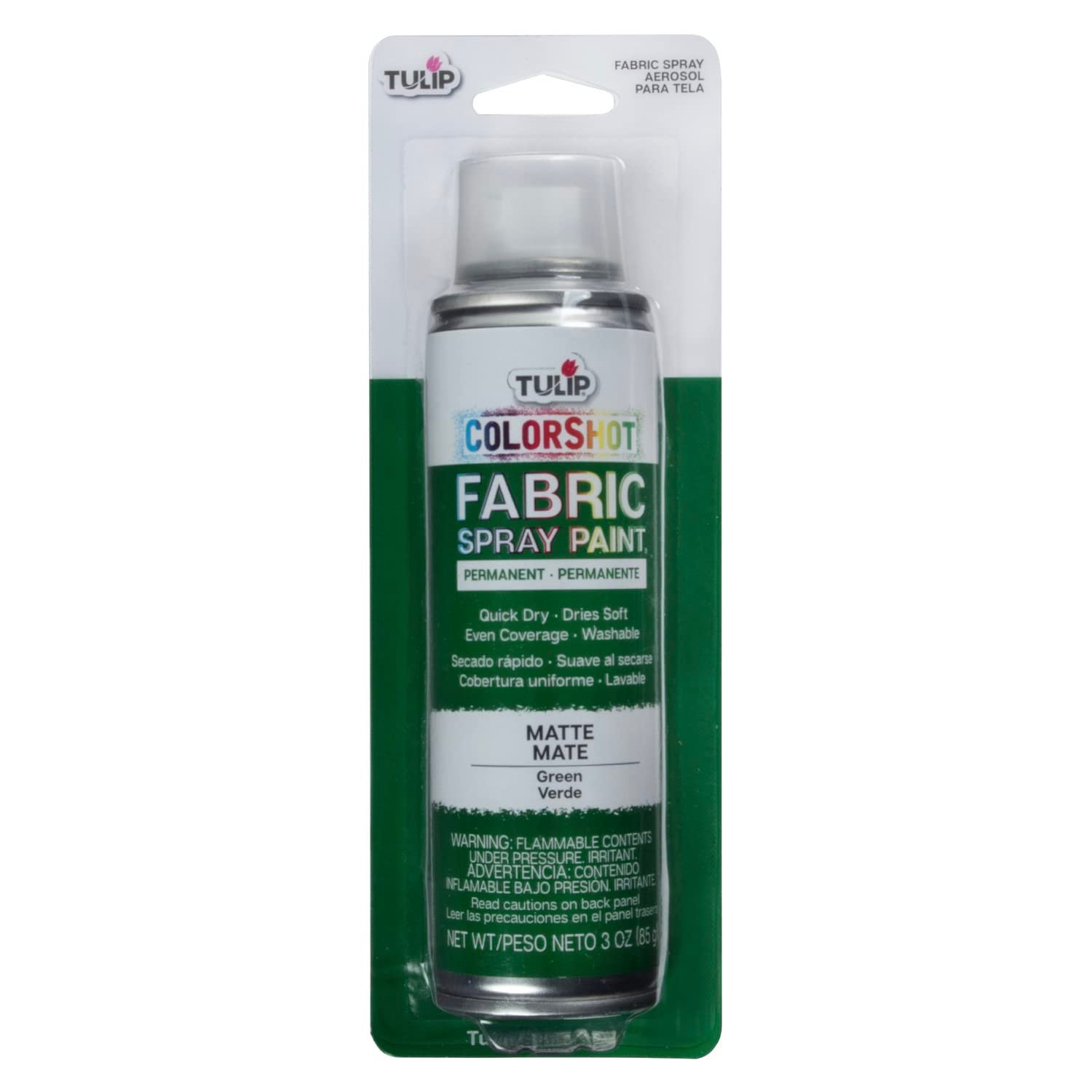
Professional instant fabric color spray featuring advanced formula that works on both natural absorbent fabrics and synthetic non-absorbent materials in rich charcoal finish. This upholstery spray applies evenly without drips or splatters providing richly pigmented color that dries quickly while remaining soft to the touch and won’t transfer onto clothing with normal use. The 8-ounce canister delivers excellent coverage for medium-sized furniture projects allowing natural fabric weave to show through for authentic appearance.
- Works on natural and synthetic fabrics
- Applies evenly without drips
- Richly pigmented charcoal color
- Won’t rub off on clothing
- Dries quickly and soft
- 8 oz coverage capacity
- Maintains fabric texture
Tulip ColorShot Outdoor Upholstery Spray Paint
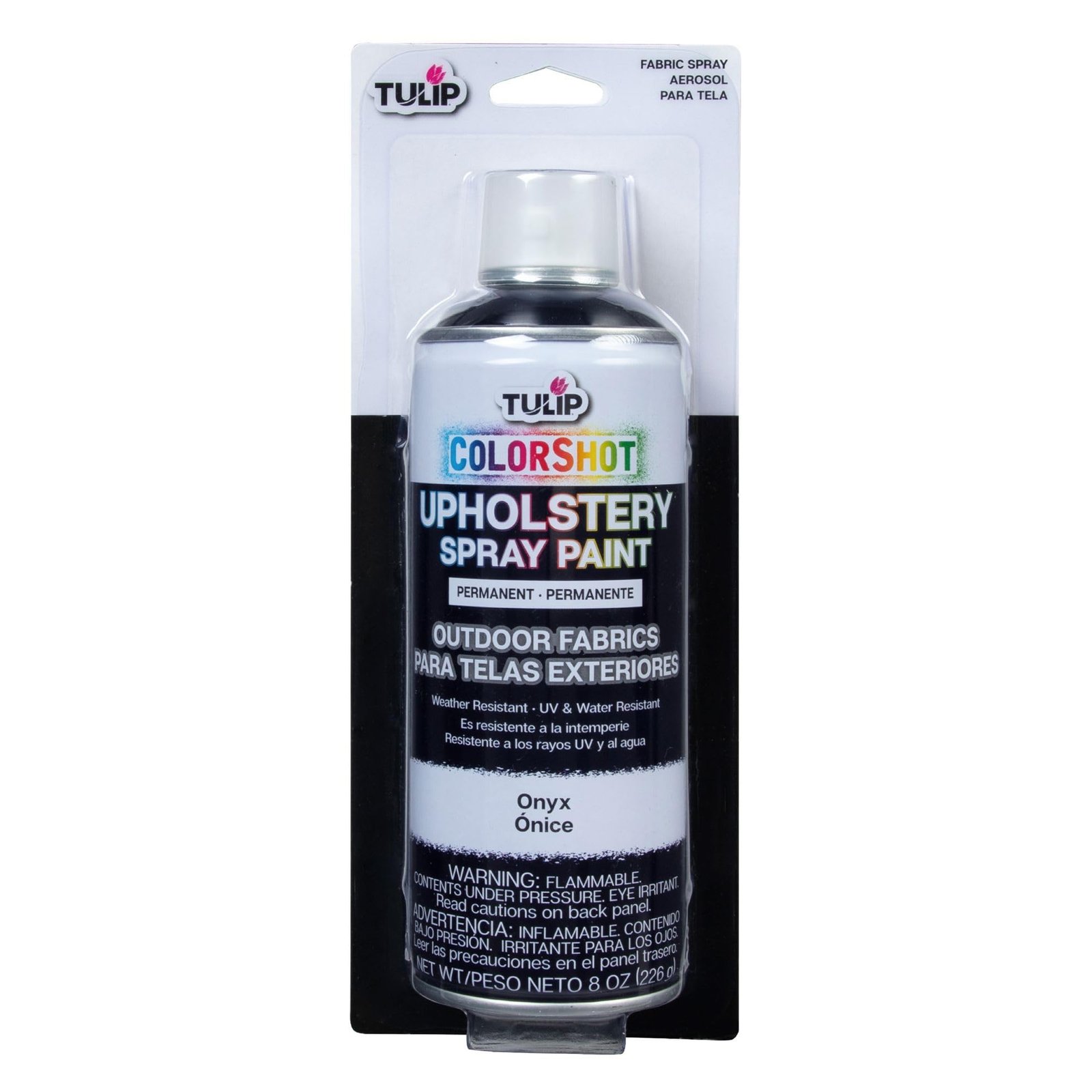
Bulk pack outdoor upholstery spray paint featuring four 8-ounce canisters in vibrant red color perfect for large furniture projects and high-volume applications. This professional formula works seamlessly on both natural absorbent fabrics and synthetic non-absorbent materials allowing the natural weave of fabric to show through for authentic appearance while providing weather-resistant coverage. The even application technology prevents drips and splatters during use making it ideal for transforming outdoor furniture, patio cushions, and weather-exposed upholstery requiring durable color that withstands sun exposure and moisture.
- Bulk pack of 4 cans (8 oz each)
- Vibrant red outdoor formula
- Works on natural and synthetic fabrics
- Weather-resistant finish
- Applies evenly without drips
- Natural weave shows through
- UV and moisture protection
- Perfect for outdoor furniture
Preparation Steps for Success
Thorough furniture preparation determines the quality and longevity of your fabric spray paint project more than any other factor. Clean surfaces accept paint evenly while contaminated upholstery leads to adhesion problems and premature failure regardless of product quality.
Deep Cleaning Process
Vacuum upholstery thoroughly removing all dust, pet hair, and loose debris from every crevice and fold. Use upholstery attachments to reach seams, tufting, and button areas where particles accumulate preventing paint from reaching fabric surfaces.
Clean with appropriate upholstery cleaner removing oils, stains, and residues that interfere with paint adhesion. Allow furniture to dry completely for at least 24 hours before painting ensuring no moisture remains trapped in cushions or padding.
Stain Treatment
Spot-treat persistent stains before painting using appropriate cleaners for the stain type preventing discoloration from bleeding through new paint. Oil-based stains particularly require degreasing treatment as they can prevent proper paint bonding even after appearing clean.
Consider stain-blocking fabric primer for stubborn marks that resist cleaning ensuring they remain concealed under your color coats. Dark paint colors naturally conceal staining better than light shades if complete stain removal proves impossible.
Workspace Setup
Move furniture to well-ventilated areas with good airflow using fans to promote even drying and disperse paint fumes. Protect floors and nearby items with drop cloths or plastic sheeting as fabric spray can drift further than expected during application.
Remove detachable components including cushions, pillows, legs, and decorative hardware before painting allowing separate treatment of each piece. Use painter’s tape to protect areas you don’t want painted creating clean lines at fabric transitions or wood trim.
Application Technique Guide
Proper spray technique separates professional-looking results from amateur attempts making the difference between furniture you’re proud to display and projects you regret. Consistent method and patience produce even coverage without drips, runs, or visible transition lines.
Spray Distance and Motion
Hold spray cans 8-12 inches from fabric surfaces maintaining consistent distance throughout application. Closer spraying saturates fabric excessively while greater distance causes paint to dry before reaching the surface creating rough texture.
Use continuous sweeping motions overlapping each pass by approximately one-third ensuring complete coverage without heavy buildup. Keep the can moving at all times preventing pooling that creates drips and uneven color saturation.
Building Thin Layers
Apply multiple thin coats rather than attempting full coverage in single heavy application allowing each layer to dry before adding the next. Light coats penetrate fabric evenly and dry without stiffness while heavy application creates surface buildup that cracks with use.
Most upholstery projects require 2-4 coats depending on original fabric color and desired finish darkness. Allow 2-4 hours drying time between coats though full curing takes 24-48 hours before furniture can withstand contact.
Angle Variation Strategy
Apply successive coats from different angles ensuring paint reaches all fabric surfaces including the valleys in textured upholstery. Spraying only from one direction leaves unpainted areas in creases and folds that become visible during use.
For tufted or buttoned upholstery spray directly at recessed areas after coating flat surfaces ensuring complete color coverage. Use light touch-up applications in tight corners and seams where standard spray patterns may miss fabric.
Color Selection Strategies
Choosing the right color involves considering both aesthetic preferences and practical coverage requirements. Fabric spray paint now comes in extensive color ranges from classic neutrals to bold statement hues enabling complete design freedom.
Coverage Considerations
Dark colors over light fabrics require fewer coats achieving full coverage in 2-3 applications while light colors over dark materials need 3-4 coats minimum. Covering patterns or prints demands extra layers regardless of color choice ensuring original designs don’t show through.
Neutral tones including grays, tans, and beiges offer the most versatile furniture transformation options coordinating easily with changing decor. These classic colors also tend to show wear less obviously than very light or very dark extremes.
Special Finish Options
Metallic fabric sprays in gold, silver, and bronze add luxurious accents to traditional upholstery creating glamorous statement pieces. These finishes work best as accent applications rather than complete coverage maintaining subtle sophistication.
Textured spray paints create faux suede or linen effects adding visual interest to plain fabrics. These specialty formulas require careful application following manufacturer instructions as their unique properties behave differently than standard smooth finishes.
Pro Tip: Always test fabric spray paint on an inconspicuous area like the underside of cushions before committing to the entire piece. This reveals how your specific fabric accepts the paint and confirms color satisfaction preventing costly mistakes on visible surfaces.
Drying and Curing Timeline
Understanding the difference between dry-to-touch and fully cured prevents premature use that damages your paint job. Most fabric sprays feel dry within hours but require days to achieve maximum durability and flexibility.
Drying Stages
Surface drying typically occurs within 2-4 hours allowing light contact without smudging though paint remains vulnerable to damage. This initial stage lets you assess coverage and apply additional coats without waiting excessively between applications.
Full curing requires 24-48 hours minimum before furniture can withstand regular sitting or use allowing paint to bond completely with fibers. Rushing this process causes transfer, smudging, and incomplete adhesion that shortens the life of your paint job significantly.
Environmental Factors
Temperature and humidity dramatically affect drying times with warm dry conditions promoting faster curing than cool damp environments. Humidity above 60% can double drying times while temperatures below 60°F slow the curing process substantially.
Use fans to circulate air around painted furniture accelerating drying without applying direct heat that can cause uneven curing. Avoid placing furniture in direct sunlight during drying as UV exposure can fade colors before paint fully sets.
Testing Readiness
Test curing completion by lightly pressing a fingernail into an inconspicuous area checking for indentation or tackiness. Fully cured fabric spray should feel completely dry with no transfer to skin and no visible compression marks.
Wait at least 7 days before applying any protective sealants or attempting cleaning allowing paint to achieve maximum hardness. Premature sealing or cleaning can reactivate partially cured paint causing damage that requires repainting.
Common Problems and Solutions
Even experienced painters encounter challenges during upholstery spray projects but knowing how to address issues prevents project failure. Quick problem identification and proper correction techniques salvage results that initially appear unsuccessful.
Uneven Coverage Issues
Blotchy or streaky appearance typically results from inconsistent spray distance or inadequate can shaking before application. Allow the problematic area to dry completely then apply additional light coats focusing on thin spots until coverage evens out.
Different fabric sections sometimes accept paint differently due to wear patterns or previous staining requiring extra attention. Plan for additional coats in these areas rather than trying to achieve uniform coverage in a single application.
Drips and Runs
Excess paint pooling indicates over-application in specific areas requiring immediate blotting with clean cloth before drying. Don’t wipe drips as this spreads paint and creates smears instead use gentle dabbing motions to absorb excess.
Once dried drips can be carefully sanded with fine sandpaper then touched up with light spray applications. Prevention through proper technique proves far easier than correction so maintain appropriate spray distance and constant motion.
Stiffness Problems
Overly rigid fabric results from too much paint buildup preventing the natural flex of upholstery materials. This issue is difficult to correct once it occurs emphasizing the importance of thin coats during initial application.
Some stiffness immediately after painting is normal with flexibility returning as the piece is used and paint fully cures. Gentle working of cushions and fabric areas during the week after painting helps restore natural softness faster.
Sealing and Protection
Optional sealant application extends the life of fabric spray paint particularly on heavily used furniture exposed to spills or pets. Fabric-specific sealants add protective layers without significantly altering texture or appearance when properly applied.
Sealant Types
Fabric medium sealants create invisible barriers that protect paint from abrasion and moisture while maintaining fabric flexibility. These products apply as light mists after paint fully cures adding years to the finish life on high-traffic pieces.
Water-repellent treatments like fabric protector sprays prevent liquid absorption protecting both paint and underlying upholstery from spills. Apply these products sparingly as excessive application can affect fabric breathability and comfort.
Application Method
Wait minimum 7-10 days after final paint coat before applying any sealant ensuring complete curing prevents chemical interaction. Test sealants on inconspicuous areas first as some formulations can slightly darken or alter the appearance of certain paint colors.
Apply sealants in the same thin light coats used for paint avoiding over-saturation that creates stiffness or visible coating. Most sealants require 24-48 hours additional drying before furniture returns to regular use.
Maintenance for Longevity
Proper care extends painted upholstery life from months to years depending on usage patterns and maintenance diligence. Gentle cleaning methods and reasonable use expectations preserve the finish while maintaining furniture appearance and comfort.
Regular Cleaning
Vacuum painted upholstery weekly using soft brush attachments on low suction settings preventing abrasion damage to paint surfaces. Avoid beater bars and rotating brushes that can scuff or scratch fabric spray finishes.
Spot clean spills immediately using slightly damp cloths with mild soap avoiding saturation that penetrates to underlying fabric. Blot rather than rub stained areas and allow to air dry completely before assessing whether additional cleaning is needed.
Protection Strategies
Use furniture throws or covers on painted pieces in homes with pets or young children providing buffer layers against claws and rough use. These protective additions extend paint life significantly while allowing easy removal for special occasions.
Position painted furniture away from direct sunlight when possible as UV exposure gradually fades fabric spray colors. Window treatments or furniture arrangement changes preserve color vibrancy for years longer than unprotected pieces.
Touch-Up Procedures
Address small wear spots promptly before they expand using the same paint in light applications blending edges carefully. Clean areas thoroughly before touch-ups ensuring good adhesion and color matching with surrounding finish.
Keep extra cans of your chosen color for inevitable touch-ups as color matching becomes difficult once products are discontinued. Store unused paint properly in cool dry locations extending shelf life for future maintenance needs.
Cost and Value Analysis
Fabric spray painting delivers remarkable value compared to reupholstering or furniture replacement options. Understanding complete project costs helps budget appropriately while appreciating the significant savings this DIY approach offers.
Project Budget Breakdown
A standard sofa requires 4-8 spray paint cans depending on size and color choice with premium brands costing $15-20 per canister. Add cleaning supplies, protective materials, and optional sealants bringing total project costs to $85-205 for complete furniture transformation.
Professional reupholstering the same sofa typically costs $800-2000 while replacement furniture of comparable quality ranges $600-3000. The dramatic cost savings make fabric spray painting attractive even accounting for shorter lifespan than professional services.
Time Investment
Plan 6-8 hours active work time spread across multiple days allowing proper drying between coats and sections. Total project duration including preparation and full curing typically spans 4-7 days before furniture returns to regular use.
The time commitment remains manageable for most DIY enthusiasts particularly when compared to the scheduling challenges and extended timelines of professional reupholstery services. Breaking the project into stages makes it fit easily into busy schedules.
Safety and Ventilation
Responsible fabric spray paint use requires attention to safety precautions protecting both the painter and household occupants. Proper ventilation and protective equipment prevent health issues while ensuring successful project completion.
Ventilation Requirements
Work in well-ventilated spaces with open windows and fans circulating fresh air throughout the painting process. Even low-VOC formulations release fumes requiring adequate airflow to prevent buildup and potential respiratory irritation.
Consider wearing respirator masks rated for paint fumes particularly for large projects or people with sensitivities. Standard dust masks provide insufficient protection against chemical vapors requiring proper respiratory equipment.
Personal Protection
Wear gloves during application preventing skin contact with paint chemicals that can cause irritation with repeated exposure. Safety glasses protect eyes from accidental overspray particularly when working on vertical surfaces or overhead areas.
Keep pets and children away from painting areas until furniture fully cures and all fumes dissipate completely. Schedule projects when house occupancy is minimal or can relocate to unaffected areas during the multi-day process.
Storage Safety
Store unused spray paint in cool dry locations away from heat sources and direct sunlight preventing pressure buildup and potential container failure. Keep all painting supplies out of reach of children and pets in locked cabinets when possible.
Dispose of empty canisters according to local regulations as pressurized containers require special handling. Many areas offer household hazardous waste collection events for proper paint product disposal.
Frequently Asked Questions
Yes, upholstered furniture can be successfully spray painted using fabric-specific spray paints formulated to penetrate and bond with textile fibers. These specialized products maintain fabric flexibility and texture unlike regular spray paint that creates stiff cracking surfaces. Most natural fiber upholstery including cotton, linen, and canvas accepts fabric spray readily while synthetic materials may require primer application. Proper cleaning, preparation, and application technique ensure professional results that last years with appropriate care and maintenance on sofas, chairs, and cushions.
Simply Spray and Tulip ColorShot represent top choices for furniture applications offering excellent coverage, color selection, and durability. Simply Spray’s water-based formula penetrates deeply maintaining soft flexible finish while Tulip ColorShot provides quick-drying coverage at more affordable price points. Both products work on natural and synthetic fabrics applying evenly without excessive drips or stiffness. Choose premium brands for heavily used furniture and budget options for decorative pieces or occasional-use items considering your specific project requirements and expected wear patterns.
Quality fabric spray paint properly applied lasts 2-5 years on regularly used furniture and potentially longer on decorative pieces with minimal contact. Durability depends heavily on application technique, product quality, usage patterns, and maintenance practices. Multiple thin coats adhere better and last longer than fewer heavy applications while proper sealing extends lifespan significantly. High-traffic furniture shows wear faster than occasional-use pieces though touch-ups easily refresh worn areas. Gentle cleaning methods and protection from direct sunlight preserve painted finishes maintaining appearance and integrity through extended use.
Sealing fabric spray paint is optional but recommended for heavily used furniture or pieces exposed to potential spills and moisture. Fabric-specific sealants add protective barriers without significantly changing texture extending paint life by years. Water-repellent treatments prevent liquid absorption protecting both paint and underlying upholstery from damage. Wait minimum 7-10 days after final paint coat before applying sealants ensuring complete curing prevents chemical interaction. Decorative furniture with light use typically doesn’t require sealing though the added protection proves valuable on frequently contacted surfaces like sofa arms and seat cushions.
Fabric couches can be successfully spray painted using appropriate fabric spray paints and proper technique transforming appearance completely. Remove all cushions and detachable components painting each piece separately for even coverage and easier handling. Apply multiple thin coats from 8-12 inches distance allowing 2-4 hours drying between applications until achieving desired color saturation. Most couches require 4-8 spray paint cans depending on size with the complete project spanning 4-7 days including preparation and full curing. Results last years when properly executed providing dramatic transformation at fraction of reupholstering costs.
Fabric-specific spray paint formulated for upholstery should not crack when properly applied in multiple thin coats allowing adequate drying time. The flexible polymers in these products move with fabric preventing the brittleness that causes cracking. Regular spray paint will crack on fabric as it lacks necessary flexibility for textile applications. Excessive paint buildup from too-heavy application or insufficient drying between coats can cause cracking even with quality fabric spray. Apply thin even layers, allow complete curing before use, and avoid over-saturation to prevent cracking and ensure long-lasting flexible finish.
Most standard three-seat sofas require 4-8 cans of fabric spray paint depending on original fabric color, desired finish color, and product coverage. Light colors over dark fabrics need more cans while similar color transitions require less. Single chairs typically use 2-3 cans while ottomans or small cushions need 1-2 cans for complete coverage. Purchase extra cans beyond initial estimates for future touch-ups as matching discontinued colors proves difficult. Consider fabric texture and porosity when estimating as dense materials require additional paint and heavily textured upholstery uses more product than smooth fabrics.
Transform Furniture with Confidence
Fabric spray paint for upholstery provides accessible transformation method breathing new life into worn furniture without extensive cost or expertise. The specialized formulations deliver professional results maintaining fabric texture and comfort while completely changing appearance through proper application technique and patience.
Success depends on thorough preparation, quality product selection, and commitment to proper technique including multiple thin coats with adequate drying time. Understanding fabric compatibility, environmental factors, and maintenance requirements ensures painted furniture withstands regular use delivering years of satisfaction and renewed beauty.
Start your upholstery transformation with quality fabric spray paint and proper preparation turning outdated furniture into statement pieces that reflect your personal style and design vision.