
Joann Fabric Stretch Spray: Complete Guide to Restoring and Reshaping Textiles
Professional Solutions for Stretched Clothing, Upholstery Projects, and Textile Restoration
Fabric stretch spray offers essential solutions for restoring shrunken garments, adjusting tight-fitting clothes, and easing upholstery installation without damaging textile fibers. This specialized treatment temporarily relaxes fabric bonds allowing gentle reshaping and dimensional adjustments that rescue treasured clothing and simplify challenging projects.
Understanding how stretch sprays work with different fabric types ensures successful results whether reviving shrunken sweaters or preparing materials for furniture restoration. The proper application techniques combined with quality products from Joanns transform seemingly ruined textiles into wearable favorites while making complex upholstery work manageable for home crafters.
Understanding Fabric Stretch Spray Applications
Fabric stretch spray penetrates textile fibers temporarily disrupting hydrogen bonds that maintain fabric structure allowing controlled stretching and reshaping. The specialized formulation works by relaxing fiber tension without causing permanent damage making it ideal for reversible adjustments to clothing dimensions and textile properties.
Natural fibers including cotton, wool, and linen respond exceptionally well to stretch spray treatments as their hydrogen bond structures interact readily with relaxing agents. Synthetic materials like polyester and nylon require specially formulated products but can achieve modest dimensional changes when properly treated.
Primary Uses and Benefits
Garment restoration represents the most common application with stretch spray rescuing clothes shrunken during washing or adjusting tight-fitting purchases. The treatment proves invaluable for vintage clothing enthusiasts working with delicate fabrics requiring gentle manipulation without aggressive pulling or steaming.
Upholstery projects benefit tremendously from stretch spray applications that ease fabric installation around complex curves and tight corners. Professional furniture restorers rely on these products to eliminate puckers and achieve smooth finishes on challenging surfaces including rounded chair backs and tufted details.
Crafters use stretch spray preparing fabrics for frame stretching, canvas mounting, and projects requiring precise dimensional control. The temporary nature allows experimentation and adjustment before final positioning making it perfect for art textiles and decorative applications.
How Stretch Spray Works
Most commercial stretch sprays contain water, alcohol, and fabric relaxants that penetrate fibers disrupting the bonds maintaining structure. When applied to textiles these components temporarily weaken fiber connections allowing gentle manipulation before bonds reform during drying securing new dimensions.
The alcohol component helps solution penetration while evaporating quickly preventing excessive saturation or water damage. Fabric relaxants specifically target the chemical bonds in natural fibers or molecular structures in synthetics creating temporary pliability without permanent alterations.
Selecting the Right Stretch Spray
Choosing appropriate fabric stretch spray depends on textile type, project scope, and desired permanence of results. Understanding product formulations and their specific applications ensures optimal outcomes without risking damage to valuable fabrics or materials.
Fabric Compatibility Considerations
Natural fiber fabrics including cotton, linen, wool, and silk work best with standard stretch spray formulations designed to interact with organic fiber structures. These materials contain hydrogen bonds that respond predictably to relaxing agents making them ideal candidates for stretching treatments.
Synthetic fabrics require specialized formulations specifically mentioning polyester, nylon, or acrylic compatibility on product labels. These materials lack hydrogen bonds instead relying on molecular structure for stability requiring different chemical approaches to achieve stretching effects.
Blended fabrics combining natural and synthetic fibers present middle ground scenarios where standard sprays may work adequately. The natural fiber component responds to treatment while synthetic portions provide structural stability often resulting in predictable controlled stretching.
Delicate textiles including silk, cashmere, and vintage materials demand gentle formulations specifically labeled for delicate fabric use. These specialized products contain milder concentrations of active ingredients reducing risks of discoloration or fiber damage during treatment.
Professional vs Home-Use Products
Professional-grade stretch sprays offer concentrated formulations designed for heavy-duty applications including upholstery work and repeated commercial use. These products typically cost more but deliver superior results on challenging materials and large-scale projects requiring consistent performance.
Home-use formulations provide adequate strength for occasional garment restoration and craft projects at more accessible price points. These products work well for typical household needs including shrunken clothing recovery and basic upholstery adjustments without requiring professional equipment.
Key Features to Consider
Look for products with clear fabric type recommendations ensuring compatibility with your specific materials before purchasing. Reputable brands list suitable textiles prominently on packaging preventing costly mistakes with incompatible combinations.
Check ingredient lists for harsh chemicals if working with sensitive skin or in poorly ventilated spaces. Plant-based or low-VOC formulations provide safer alternatives while maintaining adequate stretching capability for most applications.
Consider spray bottle design and nozzle quality as even application proves crucial for uniform results. Adjustable nozzles allowing fine mist settings help prevent oversaturation while ensuring thorough coverage across treated areas.
FOOTMATTERS Professional Boot & Shoe Stretch Spray
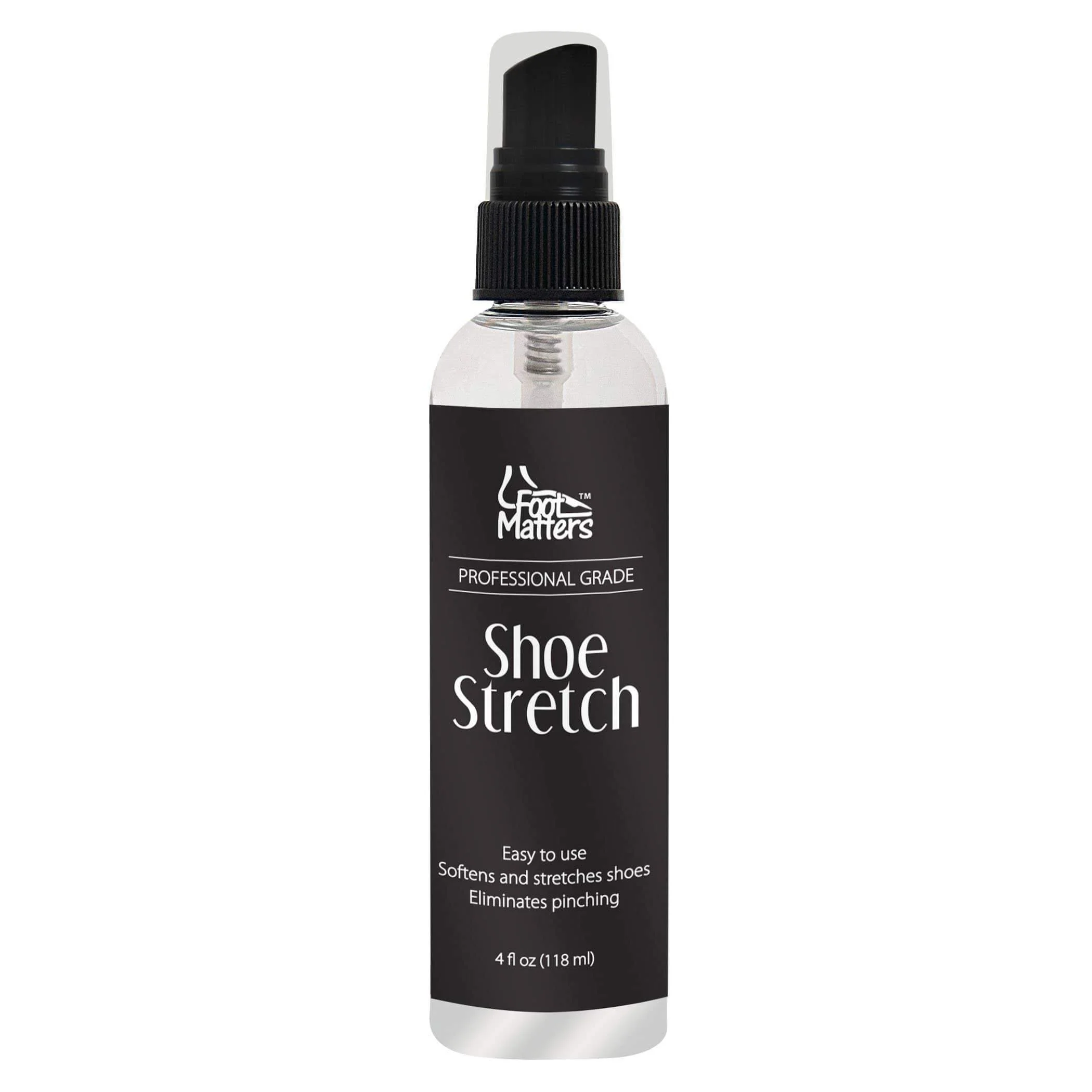
Premium shoe stretcher formulated to soften and stretch tight-fitting footwear including leather, suede, nubuck, and canvas materials without causing stains or fading. This professional-grade 4 oz spray acts as leather conditioner while you walk allowing shoes and boots to conform naturally to foot shape for improved comfort. The clear formula goes on without discoloration making it safe for any shoe color while effectively relaxing material fibers for gentle stretching.
- Professional leather conditioner
- Works on leather, suede, nubuck, canvas
- Won’t stain or fade colors
- 4 oz convenient size
- Stretches while you walk
- Clear formula application
- Safe for all shoe colors
Proper Application Techniques
Achieving successful results with fabric stretch spray requires proper technique from preparation through final drying. Following systematic application methods ensures even stretching without damaging fibers or creating irregular dimensions in treated materials.
Pre-Treatment Preparation
Begin with clean fabrics free from dirt, oils, or residues that might interfere with spray penetration and effectiveness. Wash garments according to care labels allowing them to reach slightly damp state before treatment application for optimal results.
Test products on inconspicuous fabric areas checking for discoloration, texture changes, or adverse reactions before treating visible sections. This crucial step prevents devastating surprises on beloved garments or expensive upholstery materials.
Mark desired dimensions using fabric chalk or fabric pencil providing clear targets during stretching process. Accurate marking ensures even adjustment across fabric preventing lopsided or irregular results.
Application Process
Hold spray bottle 6-8 inches from fabric surface applying product in sweeping overlapping motions ensuring complete even coverage. Focus additional spray on areas requiring maximum stretch but avoid oversaturation that causes dripping or excessive wetness.
Allow spray to penetrate fibers for manufacturer recommended time typically 1-3 minutes before beginning stretching manipulation. This absorption period lets active ingredients work on fiber bonds maximizing treatment effectiveness and ease of manipulation.
Gently pull fabric in desired directions working slowly and methodically to achieve even stretching without creating stress concentrations. Use both hands distributing force across wider areas preventing isolated strain points that might tear or distort material.
Securing and Drying
Shape stretched fabric to desired dimensions using hangers, flat surfaces, or blocking boards maintaining position during complete drying. Secure edges with weights or fabric clips preventing movement that might compromise achieved dimensions.
Allow treated textiles to dry completely in well-ventilated areas away from direct heat sources that might cause uneven drying. Rushing the drying process can prevent proper bond reformation leaving fabrics inadequately stabilized in new dimensions.
Heat-set results if recommended by product instructions using warm iron on appropriate fabric settings. This optional step helps stabilize new dimensions extending the duration of stretching effects through subsequent wear and handling.
Working with Different Fabric Types
Different textile materials respond uniquely to stretch spray treatments requiring adjusted techniques and realistic expectations. Understanding these variations ensures appropriate product selection and application methods for specific fabric types encountered in projects.
Natural Fiber Applications
Cotton fabrics respond excellently to stretch spray treatments with hydrogen bonds readily relaxing under proper application allowing significant dimensional adjustments. Standard formulations work well on cotton requiring minimal product and gentle manipulation for noticeable results.
Wool textiles benefit from stretch spray for recovering from felting or excessive shrinkage though results depend on shrinkage severity. Gentle formulations designed for delicate fabrics work best preventing additional felting during treatment and manipulation process.
Linen responds predictably to stretch treatments though its stiff structure requires adequate spray penetration and patient stretching. Multiple light applications often prove more effective than single heavy treatment preventing excessive saturation in dense linen weaves.
Synthetic Material Considerations
Polyester and nylon require specialized spray formulations specifically designed for synthetic fibers as standard products may prove ineffective. These materials don’t shrink as dramatically as natural fibers typically requiring less aggressive stretching than organic textiles.
Spandex and elastic blends present special challenges as excessive stretching permanently damages elastic fibers. Use stretch spray sparingly on elastic-containing fabrics focusing treatment on non-elastic areas when possible.
Specialty Fabric Handling
Denim responds to stretch spray but requires multiple applications and substantial physical effort during manipulation due to dense weave structure. Professional-grade products formulated for heavy fabrics deliver better results on sturdy canvas and denim materials.
Upholstery fabrics including those used for outdoor applications benefit from spray treatments easing installation around furniture frames. Choose products specifically mentioning upholstery compatibility ensuring adequate strength for furniture fabric manipulation.
Delicate vintage textiles require gentle touch with diluted spray applications and minimal physical manipulation. Consider consulting textile restoration professionals before treating valuable antique fabrics to prevent irreversible damage.
Pro Tip: Always work with slightly damp fabric when applying stretch spray as moisture helps product penetration and fiber relaxation. Mist dry fabrics lightly with water before spray application for optimal results without oversaturation.
Upholstery and Home Textile Projects
Beyond garment restoration, fabric stretch spray proves invaluable for upholstery work and home textile projects requiring precise fabric manipulation. Professional furniture restorers and serious hobbyists rely on these products achieving smooth finishes on challenging surfaces.
Furniture Upholstery Applications
Spray application eases fabric installation around complex furniture curves, corners, and tufted details that challenge traditional upholstery techniques. The temporary fiber relaxation allows fabric to conform smoothly to shapes without pleating or excessive tension causing distortion.
Eliminating puckers and wrinkles in installed upholstery becomes manageable with targeted spray application and gentle manipulation. This proves especially valuable for DIY upholstery projects where professional stretching equipment isn’t available.
Revitalizing aged upholstery fabric that has become rigid or tight through years of use extends furniture life without complete reupholstering. Strategic treatment of problem areas restores flexibility and improves appearance at minimal cost.
Curtain and Drapery Work
Stretched curtain panels can be reshaped using fabric spray ensuring proper length and width after washing or extended hanging. This proves particularly useful for decorative fabrics and character prints where dimensional accuracy matters for pattern display.
Custom window treatments benefit from spray application during fabrication allowing precise shaping and hemming. The temporary relaxation simplifies working with stiff or resistant materials during construction phases.
Craft and Decorative Applications
Canvas stretching for art projects becomes easier with fabric spray helping material conform smoothly over frames without excessive force. Artists working with heavyweight canvas fabrics appreciate the reduced physical effort required during mounting.
Fabric sculpture and three-dimensional textile art benefit from spray applications enabling materials to hold complex shapes during construction. The temporary nature allows repositioning and adjustment before final stabilization of artistic pieces.
Maintenance and Longevity of Results
Understanding the temporary nature of stretch spray treatments helps set realistic expectations regarding result duration. Proper post-treatment care extends effectiveness while accepting that eventual reversion occurs with washing and wear.
Preserving Stretched Dimensions
Hand wash treated garments in cold water using gentle detergents avoiding agitation that accelerates fiber bond reformation. Machine washing in delicate cycles with cool water proves acceptable though results may diminish faster than with hand washing.
Air dry stretched textiles whenever possible avoiding high heat from dryers that reverses treatment effects rapidly. Lay garments flat or hang on appropriately sized forms maintaining desired dimensions during complete drying process.
Avoid excessive heat during ironing or steaming treated fabrics as elevated temperatures encourage fiber bonds to reform tighter configurations. Use low heat settings when pressing becomes necessary protecting achieved dimensional adjustments.
When to Reapply Treatment
Garments typically require retreatment after 2-3 wash cycles depending on washing method and fabric type. Monitor dimensional changes after each laundering determining when reapplication becomes necessary to maintain desired fit.
Upholstery and home textiles rarely need retreatment unless exposed to moisture or aggressive cleaning. The relatively static nature of furniture fabrics helps treatments last longer than frequently laundered clothing items.
Multiple Treatment Considerations
Repeated applications over time can sometimes “train” fabrics to maintain adjusted dimensions more persistently through fiber memory modification. This works best on natural fibers with flexible structures rather than synthetics with rigid molecular arrangements.
Avoid excessive repetitive treatments on delicate fabrics as cumulative chemical exposure might degrade fibers over time. Space applications allowing adequate recovery periods between treatments protecting textile integrity.
DIY Stretch Spray Alternatives
Budget-conscious crafters or those preferring natural solutions can create effective homemade fabric stretch sprays using common household ingredients. While DIY formulations may not match commercial product performance they provide adequate results for many applications.
Simple Vinegar Solution
Mix one part white vinegar with two parts water creating mild solution that relaxes natural fiber hydrogen bonds temporarily. Apply generously to fabric stretching gently while damp for modest dimensional adjustments suitable for cotton and linen materials.
The acetic acid in vinegar temporarily weakens fiber bonds without harsh chemical additives making this safe option for sensitive skin or eco-conscious users. Results prove less dramatic than commercial products but adequate for minor adjustments.
Conditioner-Based Formula
Combine one tablespoon hair conditioner with one cup warm water for solution that softens and relaxes protein-based fibers. This mixture works particularly well on wool and silk fabrics where conditioner ingredients interact favorably with protein structures.
Choose unscented conditioners avoiding heavily perfumed products that might transfer unwanted fragrances to treated textiles. The gentle nature of conditioner-based sprays makes them suitable for delicate vintage fabrics requiring cautious handling.
Enhanced Glycerin Mix
Add one tablespoon vegetable glycerin to vinegar or conditioner solutions increasing penetration and effectiveness. Glycerin helps active ingredients reach deeper into fabric structures enhancing stretching capability of homemade formulations.
This enhancement proves particularly valuable when working with dense fabrics or heavily sized materials resisting standard solution penetration. The increased viscosity from glycerin also helps solutions cling to vertical surfaces during application.
Troubleshooting Common Issues
Even experienced users occasionally encounter challenges when working with fabric stretch spray requiring problem-solving skills and technique adjustments. Understanding common issues and their solutions prevents frustration and fabric damage.
Uneven Stretching Problems
Inconsistent dimensional changes typically result from uneven spray application requiring more methodical coverage patterns. Work in overlapping sections ensuring complete saturation across entire treatment area before beginning stretching manipulation.
For large pieces divide fabric into manageable sections treating and stretching each area completely before moving to adjacent sections. This systematic approach prevents overlooked areas that remain unstretched creating irregular final dimensions.
Insufficient Stretch Results
When fabrics don’t stretch adequately check product compatibility with specific textile type ensuring appropriate formulation selection. Some materials have inherent structural limitations preventing significant dimensional changes regardless of treatment quality.
Verify fabric dampness before spray application as dry textiles resist product penetration reducing effectiveness. Lightly mist stubborn areas with water before reapplying stretch spray improving absorption and results.
Residue and Stiffness
White residue or unexpected stiffness after drying indicates oversaturation or excessive product application. Remove residue by gently rinsing fabric in cool water reshaping while damp using lighter spray application in future treatments.
Prevent buildup by using measured applications with adequate drying time between coats. Multiple light treatments typically outperform single heavy application preventing residue accumulation and texture problems.
Color Changes or Bleeding
Discoloration during treatment signals unstable fabric dyes requiring extra caution or alternative approaches. Always test products on hidden fabric areas before treating visible sections particularly with vibrant colors or vintage textiles.
Choose color-safe formulations when working with dyed materials and avoid excessive saturation that promotes dye migration. Some fabrics simply cannot be safely treated requiring professional textile restoration services instead.
Safety and Environmental Considerations
Responsible use of fabric stretch spray includes attention to health, safety, and environmental impacts of chemical treatments. Understanding potential concerns helps users make informed decisions protecting themselves and surrounding environments.
Health and Safety Precautions
Work in well-ventilated areas when using spray products preventing inhalation of concentrated vapors particularly with alcohol-based formulations. Open windows or use fans ensuring adequate air circulation during application and drying phases.
Wear protective gloves during application if you have sensitive skin or when working with products containing strong chemical components. Most skin reactions occur during wet application rather than after drying making protection during treatment especially important.
Keep stretch sprays away from children and pets storing products in secure locations preventing accidental ingestion or misuse. Follow manufacturer storage guidelines typically recommending cool dry areas away from direct sunlight or heat sources.
Eco-Friendly Alternatives
Plant-based stretch spray formulations offer environmentally responsible alternatives to conventional petroleum-derived products. These biodegradable options work more slowly than traditional formulations but provide adequate results for most home applications.
Look for products specifically labeled low-VOC or VOC-free reducing indoor air quality impacts during use. These formulations release fewer volatile organic compounds benefiting both user health and environmental air quality.
Consider DIY alternatives using household ingredients like vinegar or conditioner eliminating packaging waste and chemical exposures. These natural solutions work adequately for occasional use though may require more frequent reapplication than commercial products.
Proper Disposal
Recycle empty spray bottles according to local guidelines checking with municipal recycling programs regarding accepted container types. Aerosol cans require special handling in many jurisdictions preventing improper disposal in regular trash.
Dispose of unused product through household hazardous waste collection programs avoiding drainage into sewers or groundwater. Most municipalities offer periodic collection events accepting chemical products for proper disposal.
Shopping for Quality Products at Joanns
Selecting appropriate fabric stretch spray from available options at Joann Fabrics ensures project success through quality formulations and reliable performance. Understanding product features and applications guides purchasing decisions preventing incompatible or ineffective selections.
Product Selection Tips
Read product labels carefully noting recommended fabric types and specific applications before purchasing. Quality manufacturers clearly indicate material compatibility helping customers select appropriate formulations for their specific needs.
Compare ingredient lists when choosing between similar products looking for formulations aligned with your priorities regarding natural ingredients or specialized capabilities. Some products emphasize gentle action for delicate fabrics while others prioritize maximum stretching power.
Check bottle sizes and concentration levels calculating cost-per-use rather than simply comparing purchase prices. Concentrated formulations may cost more initially but provide better value through extended usage before replacement becomes necessary.
Complementary Products
Purchase quality fabric scissors and pressing tools supporting proper fabric preparation and finishing. Having appropriate equipment ensures professional results throughout textile projects from initial cutting through final pressing.
Stock fabric clips and blocking boards for securing stretched materials during drying maintaining achieved dimensions. These accessories prove invaluable when working with larger pieces requiring extended drying times.
Consider fabric adhesive options for projects requiring permanent dimensional changes beyond temporary stretch spray capabilities. Some situations demand more permanent solutions where repeated treatments prove impractical.
Taking Advantage of Sales
Watch for special promotions and sales events at Joann stores building inventory of stretch spray and related supplies at reduced prices. Stocking up during sales makes quality products more accessible for budget-conscious crafters and sewers.
Sign up for Joann rewards programs and email notifications staying informed about upcoming sales and exclusive member discounts. These programs frequently offer additional savings on already-reduced merchandise maximizing value.
Frequently Asked Questions
Fabric stretch spray works most effectively on natural fibers including cotton, wool, and linen where hydrogen bonds respond readily to relaxing agents. Synthetic materials like polyester and nylon require specialized formulations specifically designed for synthetic fibers though results typically prove less dramatic than with natural textiles. Blended fabrics containing both natural and synthetic fibers fall somewhere between delivering moderate results. Always check product labels for specific fabric compatibility before application and test on inconspicuous areas first.
Stretch spray treatments typically remain effective through 2-3 wash cycles depending on washing method, water temperature, and fabric type. Hand washing in cold water preserves results longer than machine washing with hot water and high agitation. Heat exposure from dryers or irons accelerates reversion to original dimensions requiring more frequent retreatment. Upholstery and home textiles that aren’t regularly laundered maintain stretched dimensions much longer sometimes indefinitely. For extended results avoid heat exposure and aggressive cleaning methods after treatment.
Yes, effective DIY fabric stretch sprays can be created using common household ingredients. Mix one part white vinegar with two parts water for basic solution or combine one tablespoon hair conditioner with one cup warm water for protein-based fabrics. Adding vegetable glycerin enhances penetration and effectiveness of homemade formulations. While DIY alternatives may not deliver results matching commercial products they provide adequate stretching capability for many applications. Always test homemade solutions on hidden fabric areas before treating visible sections.
Quality stretch sprays formulated specifically for delicate fabrics can be safely used on silk, cashmere, and vintage textiles when applied properly. Always choose products labeled for delicate material use and perform patch tests on inconspicuous areas before treating visible sections. Dilute sprays with water for extra caution on particularly fragile items and use minimal physical manipulation during stretching. Avoid products containing harsh chemicals or high alcohol concentrations when working with delicate materials. For valuable vintage or antique textiles consider consulting professional textile conservators before treatment.
Fabric stretch spray can help restore wool garments that have shrunk from improper washing though results depend on shrinkage severity and felting extent. Mild shrinkage often responds well to gentle spray formulations designed for delicate fabrics combined with patient careful stretching. Severely felted wool where fibers have permanently interlocked proves much more difficult to restore with limited success expected. Apply spray to slightly damp wool gently stretching small sections at a time avoiding aggressive pulling that might damage fibers. Multiple gentle treatments typically work better than single aggressive application.
Most quality fabric stretch sprays are safe for colored textiles though unstable or poorly set dyes may bleed or fade during treatment. Always test products on hidden fabric areas first checking for color changes, bleeding, or fading before treating visible sections. Choose formulations specifically labeled as color-safe when working with vibrant or dark colors. Avoid oversaturation that promotes dye migration and use cool water if rinsing becomes necessary. Some vintage or hand-dyed fabrics have unstable colorants making them poor candidates for stretch spray treatment.
Yes, fabric stretch spray proves particularly valuable for upholstery projects easing fabric installation around curves, corners, and complex furniture shapes. Choose products specifically mentioning upholstery compatibility ensuring adequate strength for furniture fabric manipulation. Professional furniture restorers rely on stretch sprays to eliminate puckers and achieve smooth finishes on challenging surfaces. The treatment helps fabric conform to frames without excessive physical force preventing tears or distortion. Spray application also revitalizes aged upholstery fabric that has become rigid through years of use extending furniture life without complete reupholstering.
Related Resources
- Fabric Scissors – Precision cutting tools
- Fabric Clips – Securing during drying
- Fabric Iron – Heat-setting results
- Fabric Chalk – Marking dimensions
- Fabric Pencil – Precise marking
- Fabric Adhesive – Permanent solutions
- Canvas Fabric – Heavy materials
- Outdoor Fabric – Upholstery projects
- Harry Potter Fabric – Character prints
- Lilo & Stitch Fabric – Decorative materials
- Fabric Bags – Project applications
- Sewing Machines – Complementary equipment
- Fabric Ribbon – Finishing touches
- Black Friday Deals – Sale opportunities
Restore and Reshape Textiles with Confidence
Fabric stretch spray provides essential solutions for garment restoration, upholstery projects, and textile manipulation that would otherwise require professional intervention or expensive replacement. The specialized formulations temporarily relax fabric fibers enabling gentle reshaping and dimensional adjustments that rescue treasured clothing and simplify challenging craft projects.
Understanding proper application techniques, fabric compatibility, and realistic expectations ensures successful results across diverse materials and applications. Whether restoring shrunken favorites, easing upholstery installation, or preparing textiles for creative projects, quality stretch spray from Joanns delivers reliable performance.
Start your fabric restoration projects with appropriate stretch spray, proper securing tools, and quality finishing equipment transforming textile challenges into satisfying successes showcasing expert care and attention to detail.