
Fabric Washable Paint: Complete Guide to Temporary Textile Art for Crafts and Projects
Non-Toxic, Kid-Safe, and Removable Fabric Paint for T-Shirts, Classroom Activities, and Creative Textile Projects
Fabric washable paint delivers vibrant temporary designs on textiles including t-shirts, tote bags, and craft projects without permanent commitment or messy cleanup concerns. These water-based formulations create colorful expressions that maintain brightness through wear while removing completely during standard washing cycles.
Understanding which washable paints work best for different fabrics and applications ensures professional-looking results that last exactly as long as needed. The versatile medium serves everything from classroom activities requiring child-safe materials to experimental design work testing color concepts before permanent application.
What Makes Washable Fabric Paint Different
Washable fabric paint contains water-soluble binders that attach temporarily to textile fibers rather than forming permanent chemical bonds like heat-set paints. These specialized formulations maintain flexibility preventing cracking while allowing complete removal when exposed to detergent and water agitation during washing.
The temporary nature proves ideal for projects requiring short-term decoration including holiday crafts, costume creation, or children’s activities where permanent staining concerns parents and educators. Quality washable paints deliver vibrant colors during use then release cleanly from most fabrics without leaving residual pigment or texture changes.
Non-Toxic Safety Profile
Most washable fabric paints carry non-toxic certifications including ASTM D-4236 compliance and AP seals confirming toxicologist evaluation. These formulations avoid harmful solvents, heavy metals, and carcinogens making them appropriate for supervised children’s use in homes and classrooms.
Child-safe washable paints use food-grade or cosmetic-grade colorants combined with gentle binding agents that won’t irritate sensitive skin during application. Adult supervision remains important especially with younger children, though the low-risk formulations reduce concerns about accidental ingestion or skin contact.
Temporary vs Permanent Paint
Permanent fabric paints require heat-setting to form lasting bonds with textile fibers creating designs that withstand repeated washing and wear. Washable alternatives skip heat-setting entirely relying on mechanical bonds that intentionally break down during laundering cycles.
The washable formulations typically maintain softer hand feel on fabric compared to permanent paints that can create stiff or plastic-like textures. This flexibility makes washable options more comfortable for wearable projects while the temporary nature suits experimental work and single-use applications.
Best Fabrics for Washable Paint
Natural fiber fabrics including cotton, linen, and cotton blends accept washable paint most successfully providing vibrant color payoff and clean removal. The absorbent structures allow paint to penetrate slightly into fibers creating good adhesion during wear while releasing completely when washed.
Highly Compatible Materials
Cotton t-shirts and canvas tote bags represent ideal surfaces for washable paint offering smooth application and reliable cleanup. The natural fibers accept water-based formulations readily while their weave structure supports even paint distribution without excessive bleeding or absorption.
Cotton-polyester blend fabrics work nearly as well as pure cotton especially when cotton content exceeds fifty percent. These blends combine cotton’s paint-friendly properties with polyester’s durability creating versatile surfaces for temporary decoration projects.
Challenging Fabric Types
Synthetic fabrics including pure polyester and nylon resist water-based washable paints due to their non-absorbent nature and slick surfaces. While paint may adhere initially, removal often proves incomplete leaving faint color traces or texture changes.
Dark-colored fabrics pose visibility challenges as most washable paints lack opacity to show clearly against navy, black, or deep colored backgrounds. Choose opaque white or metallic formulations when working with dark textiles or consider light-colored fabric alternatives for better results.
Application Techniques and Methods
Proper application technique determines both visual quality and successful removal of washable fabric paint projects. Preparation steps including fabric pre-washing and workspace setup prevent common problems while ensuring optimal paint adhesion during use.
Surface Preparation
Pre-wash fabrics before painting removing manufacturing finishes and residues that interfere with paint adhesion. Allow materials to dry completely then iron smooth if needed creating even surfaces for precise design work.
Insert cardboard or plastic sheets between fabric layers preventing bleed-through that ruins reverse sides or creates double images. Secure fabric edges with tape or pins preventing shifting during painting that causes smudged lines or uneven coverage.
Tool Selection
Soft synthetic brushes deliver smooth even coats ideal for solid color areas while stiffer bristles create textured effects and interesting patterns. Sponges produce unique dabbed textures while stamps and stencils provide consistent repeating designs across multiple projects.
Finger painting works wonderfully for children’s projects creating organic shapes and personal handprints without requiring specialized tools. Each application method produces distinct visual effects allowing creative experimentation with techniques suited to specific project goals.
Drying Requirements
Allow painted items to dry flat for minimum twenty-four hours before handling preventing smudges and ensuring complete water evaporation. Thicker paint applications or humid environments require extended drying times up to seventy-two hours before washing becomes safe.
Avoid heat-setting washable paints with irons or dryers as heat exposure may alter their removable properties. Air drying maintains the water-soluble characteristics ensuring complete cleanup when washing time arrives.
Magicfly Permanent Soft Fabric Paint Set

Professional fabric paint set featuring fourteen vibrant colors in sixty-milliliter bottles perfect for t-shirts, jeans, canvas, and craft projects requiring no heat setting for permanent adhesion. This acrylic-based textile paint delivers soft hand feel maintaining fabric flexibility after drying while resisting fading through multiple wash cycles creating long-lasting designs. The fast-drying formulation works on various fabrics from cotton to denim allowing dilution with water for different opacity levels and special effects making it versatile for both detailed work and broad coverage applications.
- 14 vibrant color selection
- 60ml bottles per color
- No heat setting required
- Soft fabric hand feel
- Fast-drying formulation
- Water-dilutable for effects
- Includes 3 brushes
- Works on multiple fabrics
Crayola Washable Kids Paint Set
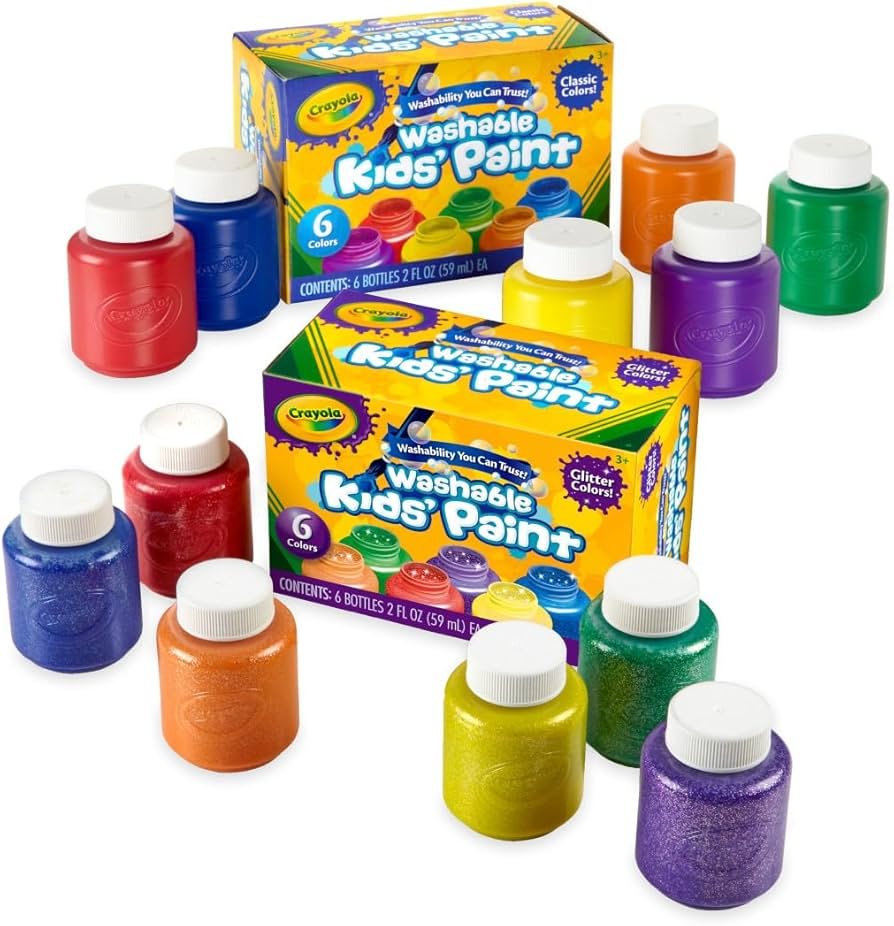
Child-safe washable paint set featuring six vibrant colors including yellow, green, yellow orange, red orange, fuchsia, teal, and blue violet perfect for classroom projects and creative activities. This non-toxic paint formulation washes easily from skin and most fabrics making it ideal for young artists and educational settings where mess concerns typically limit creative expression. The bold washable colors maintain vibrancy during use then clean completely from clothing and surfaces with standard soap and water allowing worry-free artistic exploration for children and peace of mind for parents and teachers.
- 6 vibrant bold colors
- Non-toxic formulation
- Washes from skin easily
- Perfect for kids projects
- Classroom-safe option
- Preschool learning activities
- Easy cleanup process
- Maintains color vibrancy
Popular Project Applications
Washable fabric paint enables countless creative projects from educational activities to personal expression without permanent consequences. The temporary nature encourages experimentation and bold design choices knowing mistakes wash away easily.
Classroom and Children’s Activities
Teachers use washable fabric paint for interactive learning including collaborative class projects where each student contributes handprints or designs to shared banners. The safe formulations and easy cleanup make regular fabric painting practical even in busy classroom environments with limited supervision ratios.
Birthday party activities featuring custom t-shirt painting provide memorable entertainment while creating wearable souvenirs guests can enjoy during celebrations. Parents appreciate knowing painted items won’t permanently stain children’s regular clothing rotation after parties conclude.
Costume and Event Decoration
Theatrical productions and costume parties benefit from washable paint allowing elaborate character-specific designs that transform basic garments temporarily. After performances or events conclude, costumes return to original condition enabling reuse for different productions or characters.
Seasonal decorations including holiday-themed table runners or decorative pillowcases accept washable paint for temporary festive designs. Remove decorations after holidays pass returning items to neutral condition for different seasonal themes throughout the year.
Design Experimentation
Textile designers test color combinations and pattern layouts using washable paint before committing to permanent techniques or professional production. This experimental approach allows visualization of concepts on actual fabric revealing how designs interact with material texture and drape.
Custom tote bag decoration and accessory personalization work wonderfully with washable paint when designs suit specific short-term needs. Create specialized bags for events, vacations, or temporary uses then wash clean for different future decorating approaches.
Washing and Removal Process
Effective removal requires proper washing techniques that break down water-soluble binders releasing pigments from fabric fibers. Understanding factors affecting cleanup success prevents frustration when paint proves stubborn or leaves faint traces.
Standard Removal Method
Allow paint to dry completely before washing preventing wet pigment from spreading to unpainted fabric areas during laundering. Brush off any crusted surface paint gently then rinse painted sections under cold running water removing loose pigment particles.
Wash items in warm water using regular laundry detergent and normal agitation cycles that mechanically break binder bonds. For stubborn residue, apply laundry pre-treatment directly to painted areas before washing or run second wash cycle with additional detergent.
Factors Affecting Removal
Time between painting and washing significantly impacts cleanup success as prolonged exposure allows deeper paint penetration into fabric structures. Wash painted items within several days of application rather than allowing weeks or months to pass before laundering.
Fabric type influences removal effectiveness with natural fibers releasing paint more completely than synthetics that trap pigments within their structures. Cotton and linen typically clean perfectly while polyester blends may retain slight color traces requiring additional wash cycles.
Stubborn Stain Solutions
Create paste from baking soda and water applying directly to remaining color traces then allow thirty minutes contact time before rewashing. For white or colorfast fabrics, diluted vinegar solution helps break down residual paint without harsh chemical treatments.
Avoid using fabric softener during removal washes as coating agents interfere with paint release from fibers. Air-dry items between wash attempts rather than machine drying which can heat-set remaining pigments making complete removal more difficult.
Pro Tip: Always test washable fabric paint removal on inconspicuous fabric areas before major projects. This simple step reveals how specific paint and fabric combinations behave preventing disappointment if removal proves less complete than expected.
Color Mixing and Customization
Creating custom colors expands creative possibilities beyond standard paint sets while teaching color theory principles through hands-on experimentation. Washable fabric paints mix predictably following traditional color wheel relationships when using quality formulations from matching product lines.
Basic Mixing Principles
Start with primary colors including red, yellow, and blue plus black and white for maximum versatility in custom color creation. Mix small test batches on non-absorbent palettes before applying to fabric allowing color adjustment without wasting materials.
Colors appear slightly darker when wet than after drying requiring consideration when matching specific hues. Create fabric swatches documenting successful color recipes for future reference preventing guesswork when recreating favorite custom shades.
Dilution Techniques
Add small amounts of water to washable paint creating more transparent washes suitable for watercolor-like effects on fabric. Heavily diluted formulations remove more easily during washing while concentrated paint provides maximum color intensity and longer wear before laundering.
Mix paints only from matching brands and product lines ensuring compatible binder systems that behave predictably. Combining different manufacturer formulations may produce unexpected results including poor adhesion or incomplete removal during washing.
Working with Special Effects
Beyond standard opaque colors, specialty washable paints including glitter, metallic, and dimensional formulations add visual interest and texture to fabric projects. These enhanced versions maintain removable properties while delivering unique aesthetic effects unavailable with regular paints.
Glitter and Metallic Options
Glitter-infused washable paints contain suspended sparkle particles that create light-catching effects perfect for festive projects and children’s crafts. Apply more heavily than regular paint ensuring adequate sparkle coverage while allowing extended drying time for thicker formulations.
Metallic washable paints reflect light beautifully on smooth fabrics showing up particularly well on dark backgrounds where regular colors disappear. The reflective pigments may retain slight sheen even after washing due to metallic particle characteristics though most color removes completely.
Dimensional Paint Formulations
Puffy or dimensional washable paints rise slightly when dry creating three-dimensional textured effects on fabric surfaces. These specialty formulations require longer drying times as they cure from outside surfaces inward but deliver unique tactile qualities impossible with flat paints.
Combine special effect paints with regular washable formulations using metallics and glitters as design accents rather than primary coverage. Apply specialty paints after base colors dry completely preventing unwanted mixing that muddles intended visual effects.
Safety and Best Practices
Using washable fabric paint responsibly includes attention to workspace setup, tool maintenance, and age-appropriate supervision ensuring safe creative experiences. Following recommended practices protects both users and work surfaces from unnecessary mess or accidents.
Workspace Protection
Cover work surfaces with plastic sheeting, newspaper, or disposable tablecloths preventing paint transfer to furniture or floors during projects. Even washable formulations can stain porous surfaces if allowed to dry before cleanup attempts.
Have cleanup materials including paper towels, wet wipes, and water containers readily accessible before beginning painting activities. Immediate attention to spills and drips prevents stains while keeping workspaces organized and functional throughout creative sessions.
Age-Appropriate Supervision
Supervise young children closely during fabric painting ensuring proper tool handling and preventing paint ingestion despite non-toxic formulations. Provide smocks or old clothing protecting regular garments from accidental paint transfer during enthusiastic creative activities.
Teach proper brush care including immediate rinsing after use preventing bristle damage from dried paint buildup. Clean tools thoroughly with mild soap and lukewarm water then reshape and store properly maintaining quality through multiple project sessions.
Storage Guidelines
Store washable fabric paints in cool dry locations away from direct sunlight and temperature extremes that affect formulation consistency. Secure caps tightly after each use preventing paint from drying out and extending shelf life of unused colors.
Shake paint bottles thoroughly before each use redistributing settled pigments ensuring consistent color throughout application. Check expiration dates on older paints as aged formulations may not perform optimally or remove cleanly during washing.
Extending Paint Lifespan
While washable fabric paint designs intended as temporary decorations, certain care practices extend their visual appeal between application and eventual removal. Understanding gentle maintenance techniques preserves painted items through multiple wears without premature fading or deterioration.
Gentle Washing Practices
Hand wash painted items using cold water and mild detergent when laundering becomes necessary before planned removal. Turn garments inside-out protecting painted surfaces from direct friction against other fabrics or washing machine agitators.
Avoid hot water and harsh detergents that accelerate paint breakdown causing premature fading or partial removal before desired timeframes. Air-dry painted items rather than using machine dryers as heat exposure weakens water-soluble binders reducing design longevity.
Storage Between Uses
Fold painted items carefully avoiding creases through decorated areas that may crack or flake paint from repeated bending stress. Store flat when possible distributing weight evenly across painted surfaces preventing concentration of pressure on specific design elements.
Keep painted textiles separate from items with rough textures or hardware that might abrade surfaces during storage. Gentle handling between uses preserves paint integrity allowing multiple wears before washing removes designs completely.
Frequently Asked Questions
Yes, quality washable fabric paints are specifically formulated as non-toxic and child-safe meeting ASTM D-4236 safety standards for art materials. These paints avoid harmful chemicals, heavy metals, and strong solvents making them appropriate for supervised children’s use in homes and classrooms. Adult supervision remains important especially with younger children, and always verify specific product safety certifications before purchasing for children’s activities.
Yes, properly formulated washable fabric paint removes completely from most natural fiber fabrics during normal laundering cycles using warm water and regular detergent. Removal effectiveness depends on fabric type with cotton and linen releasing paint most successfully while synthetic fibers may retain slight traces. Wash painted items within several days of application for best removal results as prolonged wear time allows deeper paint penetration making cleanup more challenging.
Cotton and cotton-blend fabrics work best with washable fabric paint providing excellent color vibrancy during use and complete removal during washing. Natural fibers including linen and canvas also accept washable paint successfully due to their absorbent structures. Synthetic fabrics like polyester resist water-based paints and may not clean as completely while dark-colored fabrics pose visibility challenges requiring opaque white or metallic paint formulations.
No, heat-setting washable fabric paint defeats its primary purpose as a temporary removable medium and may alter its water-soluble properties. These paints are specifically formulated to remain removable through washing and heating may create partial permanence making complete cleanup difficult or impossible. If you desire permanent results, choose fabric paints specifically designed for heat-setting rather than attempting to modify washable formulations.
Washable fabric paint typically maintains its appearance through several days to weeks of wear depending on fabric type and handling frequency. Gentle care including avoiding excessive friction and minimizing moisture exposure extends design lifespan between application and removal. The temporary nature makes washable paint ideal for single-event projects, short-term decorations, or experimental designs requiring several wears before intentional washing removes the artwork completely.
Yes, washable fabric paints mix well following traditional color wheel principles when using formulations from the same brand and product line. Start with primary colors plus black and white for maximum custom color versatility and mix small test batches before applying to fabric. Remember that colors appear slightly darker when wet than after drying and heavily diluted mixtures wash out more easily than concentrated paint applications.
Washable fabric paint contains water-soluble binders that attach temporarily to fibers and release during laundering while permanent fabric paint forms chemical bonds activated through heat-setting that withstand repeated washing. Washable formulations maintain softer hand feel on fabric and allow mistake correction while permanent paints provide lasting designs for items requiring frequent laundering. Choose washable options for temporary projects and children’s activities, permanent paints for long-term wearable items.
Create Temporary Textile Art with Confidence
Fabric washable paint opens creative possibilities for temporary decoration and artistic expression without permanent consequences or complicated cleanup procedures. The versatile medium serves projects from children’s classroom activities to experimental design work while maintaining safety and ease of use throughout application and removal processes.
Whether painting custom t-shirts for special events, creating seasonal decorations, or encouraging children’s artistic development, washable fabric paint delivers vibrant results that last exactly as long as needed. Understanding proper application techniques and fabric compatibility ensures successful projects that wash clean when desired returning textiles to their original condition.
Start your washable paint projects with quality formulations, appropriate fabric selections, and proper preparation techniques transforming basic textiles into temporary works of art showcasing creative expression and personal style.