
Wool Yarn: Complete Guide to Types, Properties, and Project Selection
Natural, Warm, and Versatile Yarn from Merino to Lambswool for Knitting, Crochet, and Fiber Arts
Wool yarn provides natural warmth, elasticity, and durability through animal fibers primarily from sheep fleece, making it the traditional choice for knitting and crochet projects requiring insulation and comfort. This renewable fiber offers moisture-wicking properties holding up to 30% of its weight in water while maintaining warmth, plus natural antibacterial qualities that resist odors through extended wear.
Understanding wool yarn types from fine Merino to rustic Shetland helps crafters select appropriate fibers for specific projects whether creating cozy winter garments or delicate accessories. The diverse range of wool varieties ensures options for every skill level, budget consideration, and project requirement from beginner-friendly worsted weight to luxurious specialty fibers.
What Makes Wool Yarn Special
Wool yarn comes from animal fleece primarily sheep though other animals including goats, alpacas, and rabbits produce specialized wool varieties. The proteinaceous fiber structure differs fundamentally from plant-based materials like cotton creating unique properties including natural elasticity and temperature regulation.
The crimped structure of wool fibers traps air providing exceptional insulation while allowing breathability preventing overheating. Fine Merino wool contains up to 40 crimps per inch creating soft springy yarn while coarser breeds have fewer crimps producing sturdy durable fibers.
Natural Performance Properties
Wool’s hygroscopic interior attracts moisture away from skin while the hydrophobic exterior repels water keeping wearers comfortable in varying conditions. This dual nature allows wool garments to regulate body temperature effectively working as insulation in cold weather and remaining breathable in warmer conditions.
The natural lanolin coating provides mild water resistance plus antibacterial properties that prevent odor development. Wool items require less frequent washing than synthetic alternatives maintaining freshness through multiple wears.
Elasticity and Durability
Wool fibers naturally stretch and recover maintaining garment shape through years of wear when properly cared for. This resilience prevents sagging in sweaters and maintains stitch definition in knitted or crocheted projects.
Quality wool yarn properly processed and constructed into garments can last decades developing character and softness with age. The fiber’s strength combined with flexibility makes it ideal for items experiencing regular stress including socks, mittens, and everyday wear sweaters.
Popular Wool Yarn Types
Different sheep breeds and animal sources produce wool with varying characteristics from ultra-soft luxury fibers to hardy workhouse varieties. Understanding these differences helps select appropriate yarn for specific project needs and preferences.
Merino Wool
Merino sheep produce the finest most valuable wool measuring 12-24 microns in diameter creating exceptionally soft yarn comfortable against skin. This premium fiber accepts dye beautifully producing vibrant colors and is popular for garments worn directly on skin including base layers and baby items.
Superwash Merino undergoes chemical treatment removing natural scales allowing machine washing without shrinkage or felting. This convenience makes superwash varieties popular for items requiring frequent laundering though the processing removes some natural properties.
Lambswool
Lambswool comes from a sheep’s first shearing around seven months old producing soft fine fibers with natural elasticity. This virgin wool creates smooth yarn with hypoallergenic qualities suitable for sensitive skin while remaining durable and wrinkle-resistant.
The limited availability from first shearings only makes lambswool relatively expensive though its softness and quality justify the premium for special garments. The fiber works beautifully for sweaters, cardigans, and accessories requiring both warmth and comfort.
Shetland Wool
Shetland sheep produce hardy medium-weight wool in naturally occurring colors reducing need for artificial dyes. These sheep shed naturally in spring simplifying wool collection while producing fiber with rustic character ideal for traditional Fair Isle patterns and outdoor garments.
The wool’s insulating properties combined with natural water resistance make it excellent for items exposed to elements. Shetland yarn typically feels slightly coarser than Merino but softens with wear and washing.
Premium Merino Wool Yarn Collection
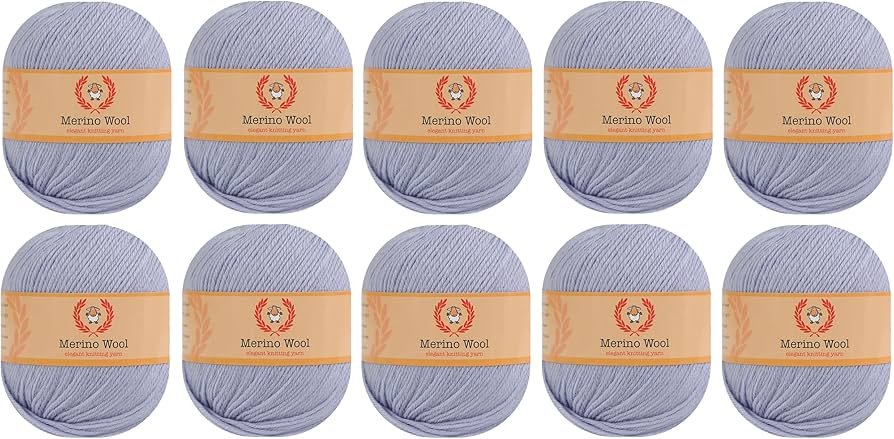
Ultra-soft 100% Merino wool yarn in worsted weight perfect for sweaters, scarves, hats, and blankets requiring warmth without bulk or irritation. This premium fiber measures 19.5 microns creating luxuriously soft hand feel suitable for garments worn directly against skin including baby items and base layers. The superwash treatment allows convenient machine washing maintaining shape and preventing felting while vibrant colorfast dyes ensure long-lasting beauty through countless wears and launderings creating heirloom-quality handmade items.
- 100% Merino wool fiber
- Worsted weight versatility
- 19.5 micron softness
- Superwash treated
- Machine washable
- Colorfast vibrant dyes
- Perfect for garments
- Suitable for baby items
Specialty Wool Varieties
Beyond traditional sheep wool, several animal fibers offer unique properties and luxury characteristics for special projects. These specialty wools typically cost more than standard sheep wool but provide distinctive qualities worth the investment for particular applications.
Alpaca Wool
Alpaca fiber from South American camelids provides exceptional warmth exceeding sheep wool while remaining lightweight and hypoallergenic. The two alpaca breeds produce different fiber qualities with Suri creating fine silky 15-micron fiber while Huacaya produces coarser 30-micron wool.
Alpaca yarn naturally comes in over 20 colors from white through browns and greys eliminating need for dyeing. The fiber lacks lanolin making it hypoallergenic though also reducing natural water resistance compared to sheep wool.
Mohair
Mohair from Angora goats creates lustrous yarn with natural sheen earning the nickname “diamond fiber” for its brilliant appearance. The fiber provides excellent insulation and moisture evaporation working well across seasons though some find the texture slightly scratchy.
Mohair blends typically combine with sheep wool or alpaca balancing the distinctive luster with improved softness. The fiber accepts dyes beautifully producing intense saturated colors with dimensional depth.
Cashmere
Cashmere from the soft undercoat of Cashmere goats represents luxury fiber prized for exceptional softness and warmth. The fine fibers measuring 15-19 microns create lightweight yet incredibly warm yarn ideal for elegant sweaters, scarves, and shawls.
Limited annual yield per goat combined with labor-intensive collection makes cashmere expensive. The investment rewards crafters with supremely soft garments requiring gentle care but providing unmatched comfort and elegance.
Wool Yarn Weights and Gauges
Wool yarn comes in standard weight categories from delicate laceweight to chunky super bulky determining project possibilities and required needle or hook sizes. Selecting appropriate weight ensures proper drape, warmth level, and finished appearance for intended projects.
Fingering and Sport Weights
Fingering weight (1) and sport weight (2) create fine detailed knitting perfect for socks, baby items, and lightweight shawls. These thin yarns require more time to complete projects but produce elegant fabric with excellent drape and stitch definition.
The lighter weights work beautifully for layering pieces and accessories worn in variable temperatures. Projects knit with fine wool develop heirloom quality lasting generations when properly cared for.
Worsted and Aran Weights
Worsted weight (4) represents the most versatile yarn category suitable for sweaters, afghans, hats, and countless other projects. This medium weight balances workability with reasonable project completion time making it ideal for beginners and experienced crafters alike.
Aran weight sits slightly heavier than worsted providing additional warmth without excessive bulk. Both weights work up relatively quickly while maintaining good stitch definition and professional appearance.
Bulky and Super Bulky
Bulky (5) and super bulky (6) wool yarns create thick warm fabric quickly making them popular for blankets, cowls, and quick-gift projects. The substantial thickness provides maximum insulation ideal for outdoor accessories and cozy home items.
These heavy weights require large needles or hooks but reward crafters with rapid project completion. The chunky texture creates bold visual impact though limits fine detail work.
Pro Tip: Always knit or crochet a gauge swatch with your chosen wool yarn before starting projects. Wool’s natural elasticity means gauge can vary significantly between yarn types even within the same weight category affecting final garment sizing and fit.
Best Projects for Wool Yarn
Wool’s unique properties make it ideal for specific project types where warmth, elasticity, and durability prove essential. Matching wool characteristics to project requirements ensures optimal results and long-lasting satisfaction.
Winter Garments
Sweaters, cardigans, and pullovers showcase wool’s insulating properties providing warmth without excessive weight. The fiber’s breathability prevents overheating in variable indoor and outdoor temperatures throughout cold months.
Mittens, gloves, and hats benefit from wool’s moisture-wicking abilities keeping hands and heads warm even when damp. The natural elasticity ensures comfortable fit maintaining shape through repeated wear.
Accessories and Home Goods
Scarves and shawls drape beautifully in wool particularly fine Merino or luxurious blends. The fiber’s warmth-to-weight ratio creates substantial accessories without uncomfortable bulk around necks and shoulders.
Blankets and throws provide cozy warmth for indoor use with wool’s temperature regulation preventing overheating. Afghan projects showcase intricate stitch patterns with wool’s excellent stitch definition and elastic memory.
Sock Knitting
Sock yarn typically blends wool with nylon adding durability to high-wear areas while maintaining wool’s warmth and moisture management. Fingering weight wool creates comfortable form-fitting socks regulating foot temperature and preventing odor development.
Superwash wool sock yarns allow convenient machine washing essential for items requiring frequent laundering. The blend proportions balance natural wool properties with enhanced longevity for everyday wear items.
Caring for Wool Yarn Projects
Proper care extends wool item lifespan preserving softness, shape, and appearance through years of use. Understanding wool’s characteristics prevents common damage from improper washing or storage techniques.
Washing Wool Items
Hand wash non-superwash wool in cool water with wool-specific detergent or gentle soap avoiding enzyme-based cleaners that damage protein fibers. Gently squeeze water through fabric without twisting or wringing preventing stretching and distortion.
Superwash treated wool tolerates machine washing on gentle cycles with cool water though hand washing remains gentler. Lay items flat to dry on towels maintaining original shape as hanging causes stretching in wet wool’s weight.
Preventing Felting
Felting occurs when agitation combines with heat and moisture causing wool fibers to mat together irreversibly shrinking items. Avoid hot water, excessive agitation, and temperature changes during washing preventing this unintended transformation.
Store clean dry wool items in breathable containers protecting from moths attracted to protein fibers. Cedar blocks or lavender sachets provide natural moth deterrence without harsh chemicals affecting yarn.
Blocking and Finishing
Block completed wool projects to final dimensions using pins and blocking boards or mats. Wet blocking involves soaking then shaping while steam blocking uses moisture and heat for minor adjustments without full saturation.
Proper blocking evens stitches, opens lace patterns, and sets final dimensions ensuring professional appearance. The process proves especially important for garments requiring precise sizing and fit.
Working with Wool Yarn
Wool’s unique characteristics affect knitting and crochet techniques requiring specific handling for optimal results. Understanding these properties helps crafters achieve professional quality finished projects.
Tension and Gauge
Wool yarn’s natural elasticity affects gauge requiring swatching to verify stitch and row counts match pattern specifications. The fiber’s give means tension during working impacts finished fabric significantly more than with inelastic fibers.
Allow swatches to rest overnight before measuring as wool fibers relax after working. This waiting period reveals true gauge preventing sizing surprises in finished garments.
Joining New Skeins
Wool’s feltable nature allows spit-splicing where yarn ends dampen then rub together creating invisible joins without knots. This technique works beautifully with non-superwash wool though superwash processing prevents reliable felting.
Russian joins provide secure connections for superwash wool threading yarn tails through themselves creating strong joins. Proper joining prevents obvious color changes or weak points in finished fabric.
Frogging and Reusing Yarn
Rip back wool projects carefully to reuse yarn though kinked fibers require reconditioning. Skein ripped yarn loosely then soak in cool water with wool wash allowing fibers to relax and regain straightness.
Hang wet skeins with light weight attached straightening kinks as yarn dries. This rehabilitation restores yarn workability though some memory from previous stitches may persist.
Wool Yarn vs Other Fibers
Comparing wool to alternative yarn fibers helps crafters select most appropriate materials for specific projects. Each fiber type offers distinct advantages and limitations affecting project success and satisfaction.
Wool vs Cotton
Cotton provides breathability and absorbency ideal for warm weather garments and kitchen items while lacking wool’s insulating properties. Cotton’s inelasticity means less forgiving fit and reduced ability to maintain shape compared to wool’s natural stretch.
Wool wicks moisture away from skin maintaining warmth when damp while cotton absorbs water becoming heavy and cold. Choose cotton for summer garments and household items preferring wool for cold weather accessories and garments.
Wool vs Acrylic
Acrylic yarn costs significantly less than wool and provides easy care through machine washing and drying. However synthetic fibers lack wool’s temperature regulation, moisture management, and natural antibacterial properties.
Wool biodegrades naturally while acrylic persists environmentally as petroleum-based fiber. For budget-conscious projects or items requiring frequent washing, acrylic works adequately though wool provides superior performance and comfort.
Wool Blend Benefits
Blending wool with other fibers combines benefits of multiple materials creating yarns with enhanced properties. Common blends include wool-nylon for sock durability, wool-silk for luxury and drape, and wool-cotton for breathable warmth.
The blend ratio determines which fiber characteristics dominate with higher wool percentages maintaining more traditional wool properties. Blends often provide easier care than pure wool while preserving much of the natural fiber’s appeal.
Selecting Quality Wool Yarn
Identifying high-quality wool yarn ensures project success and satisfaction through careful examination of fiber characteristics and manufacturing standards. Investing in quality materials produces superior finished items justifying the initial expense.
Reading Yarn Labels
Yarn labels provide essential information including fiber content, weight category, yardage, care instructions, and dye lot numbers. Understanding label terminology helps select appropriate yarn and estimate project requirements accurately.
Note recommended needle or hook sizes and gauge specifications comparing with pattern requirements. Purchasing yarn from same dye lot ensures color consistency throughout projects as slight variations occur between production batches.
Evaluating Fiber Quality
Examine yarn for consistent thickness without excessive thick-thin variation indicating poor spinning quality. Feel yarn for softness and check for pilling or shedding suggesting short fibers or inferior processing.
Quality wool yarn feels substantial without excessive fluffiness or shedding. The twist should be secure without splitting easily yet not so tight the yarn feels stiff and unworkable.
Price Considerations
Premium wool costs more reflecting superior fiber quality, ethical production practices, and careful processing. Budget-friendly options exist though may sacrifice softness or durability appropriate for some projects but not heirloom-quality garments.
Calculate total project cost including yardage requirements when comparing yarn prices. Sometimes mid-range yarn provides best value balancing quality with affordability for most crafting needs.
Frequently Asked Questions
Wool specifically refers to natural protein fiber from animal fleece primarily sheep while yarn describes any spun fiber suitable for knitting or crochet including wool, cotton, silk, or synthetic materials. Wool represents one fiber type used to create yarn along with many other options. When people say “wool yarn” they mean yarn spun from wool fibers as opposed to cotton yarn, acrylic yarn, or other fiber types available for fiber crafts.
Yes, wool yarn works excellently for beginners due to its natural elasticity forgiving tension inconsistencies while maintaining stitch definition that clearly shows technique improvements. Worsted weight wool provides ideal balance between workability and reasonable project completion time perfect for learning. The fiber’s resilience allows frogging and reworking without significant damage though beginners might start with affordable wool blends rather than premium pure wool while developing skills and determining preferences.
Superwash treated wool tolerates machine washing on gentle cycles with cool water and wool-specific detergent making it convenient for items requiring frequent laundering. Regular untreated wool requires hand washing to prevent felting that occurs when heat, moisture, and agitation combine causing irreversible shrinkage and matting. Always check yarn label care instructions as processing methods vary between brands and wool types. Hand washing remains gentlest for all wool regardless of treatment extending item lifespan and maintaining optimal appearance.
Merino wool costs more due to its exceptionally fine soft fibers measuring 12-24 microns compared to coarser breeds, combined with limited production from specific Merino sheep breeds. The superior softness makes Merino comfortable against skin without itchiness characteristic of coarser wool suitable for garments worn directly on body. Additionally processing Merino requires removing high lanolin content with only half the fleece usable for yarn production increasing per-yard costs. The premium price reflects superior quality justifying investment for special garments and baby items.
Quality wool yarn properly stored remains usable indefinitely though exposed yarn may yellow or attract moths over decades. Finished wool projects can last generations with proper care including gentle washing, appropriate storage, and moth protection. Well-made wool garments often improve with age developing softness and character through wear and careful laundering. The protein fiber’s natural durability combined with elastic recovery properties ensures wool items maintain functionality and appearance through years or even decades of use when respected and maintained according to fiber requirements.
Untreated wool shrinks when exposed to heat, moisture, and agitation combination causing fibers to mat together through felting process. This shrinkage proves irreversible transforming loose fabric into dense felted material often significantly smaller than original dimensions. Superwash treatment removes fiber scales preventing felting allowing machine washing without shrinkage. Proper care using cool water, gentle handling, and flat drying prevents shrinkage in regular wool. The felting property can be used intentionally for specific projects but requires prevention through careful washing for most items.
Worsted or DK weight Merino wool or high-quality wool blends provide best results for sweaters balancing warmth, drape, and comfort. Merino’s softness works beautifully for garments worn directly on skin while blends with nylon or other fibers add durability for everyday wear. Consider superwash treatment for sweaters requiring frequent washing though hand-wash wool develops beautiful patina with proper care. Choose lighter weights for layering pieces and heavier weights for substantial outdoor sweaters. Match fiber characteristics to intended use and care preferences ensuring practical beautiful results.
Start Your Wool Yarn Projects
Wool yarn provides unmatched warmth, comfort, and versatility for countless knitting and crochet projects from everyday accessories to heirloom garments. The natural fiber’s unique properties including elasticity, moisture management, and temperature regulation ensure finished items perform beautifully while providing lasting satisfaction through proper care.
Whether selecting ultra-soft Merino for baby blankets, hardy Shetland for outdoor accessories, or luxurious specialty fibers for elegant garments, understanding wool characteristics ensures appropriate fiber selection. The investment in quality wool yarn rewards crafters with superior projects showcasing natural fiber beauty and performance.
Begin exploring wool yarn possibilities discovering how this traditional fiber transforms creative visions into functional beautiful handmade items treasured for generations through thoughtful project selection, proper technique, and attentive care maintaining wool’s exceptional qualities.